THE BODY AFTER THE SHOW
2025
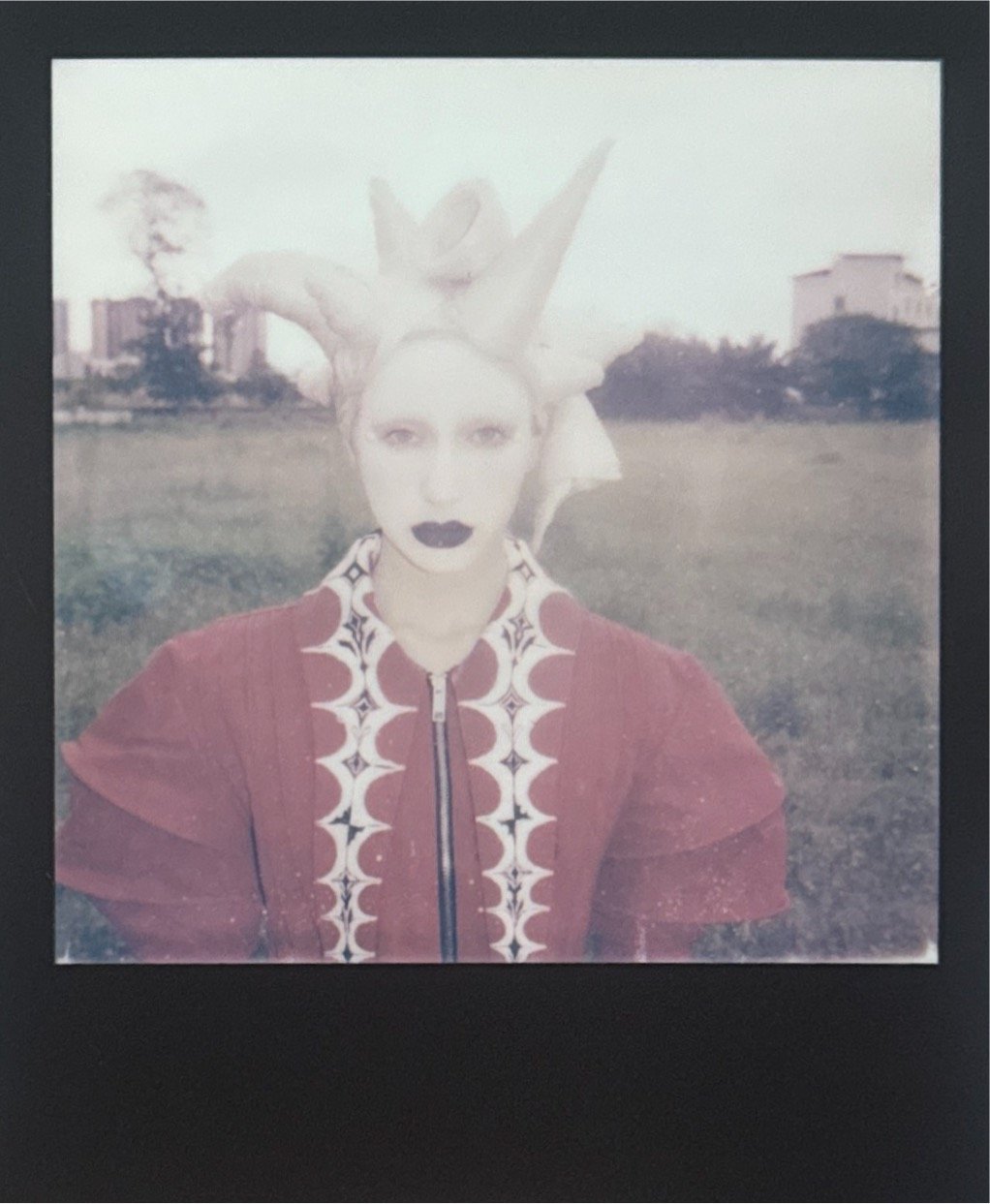
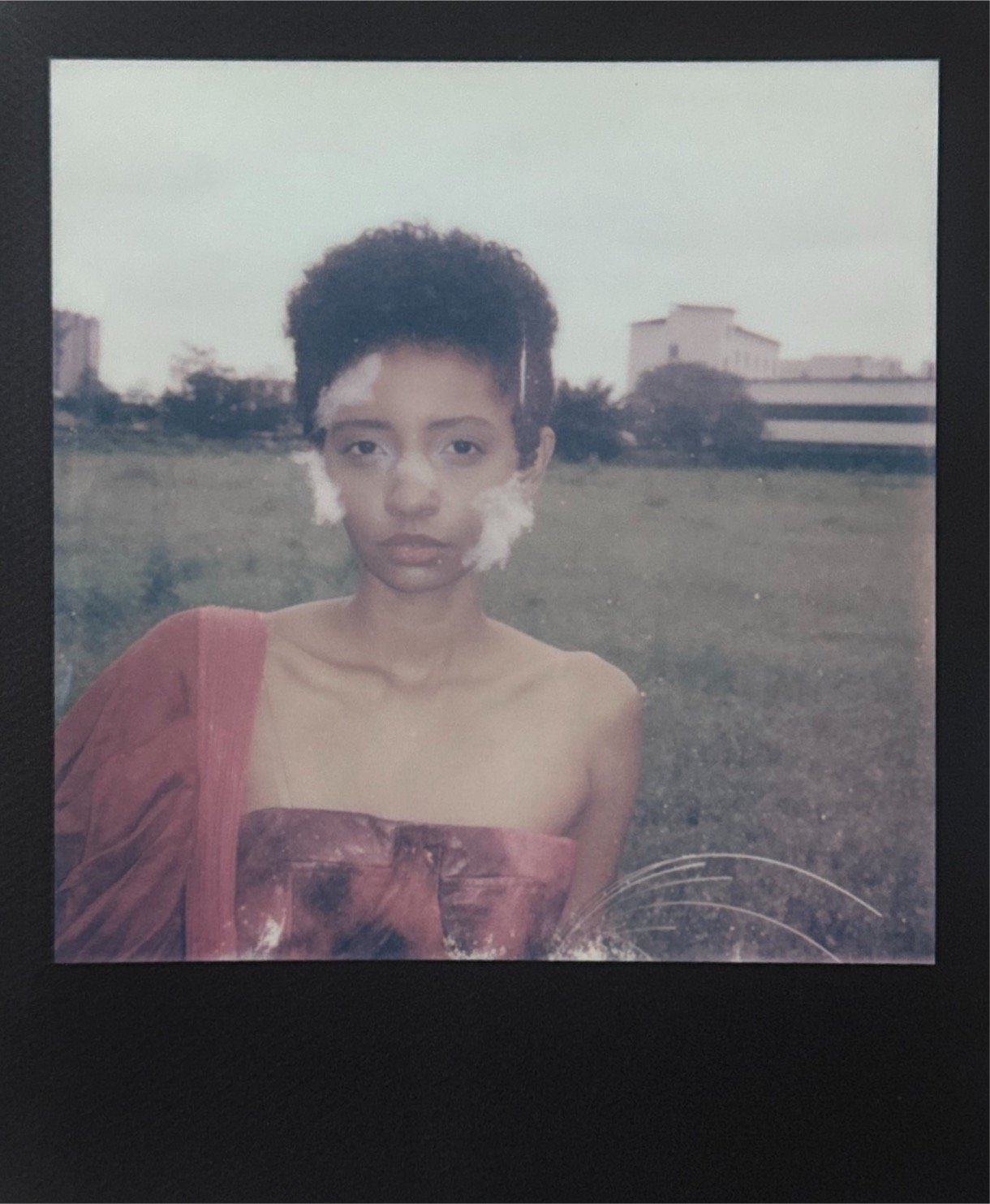
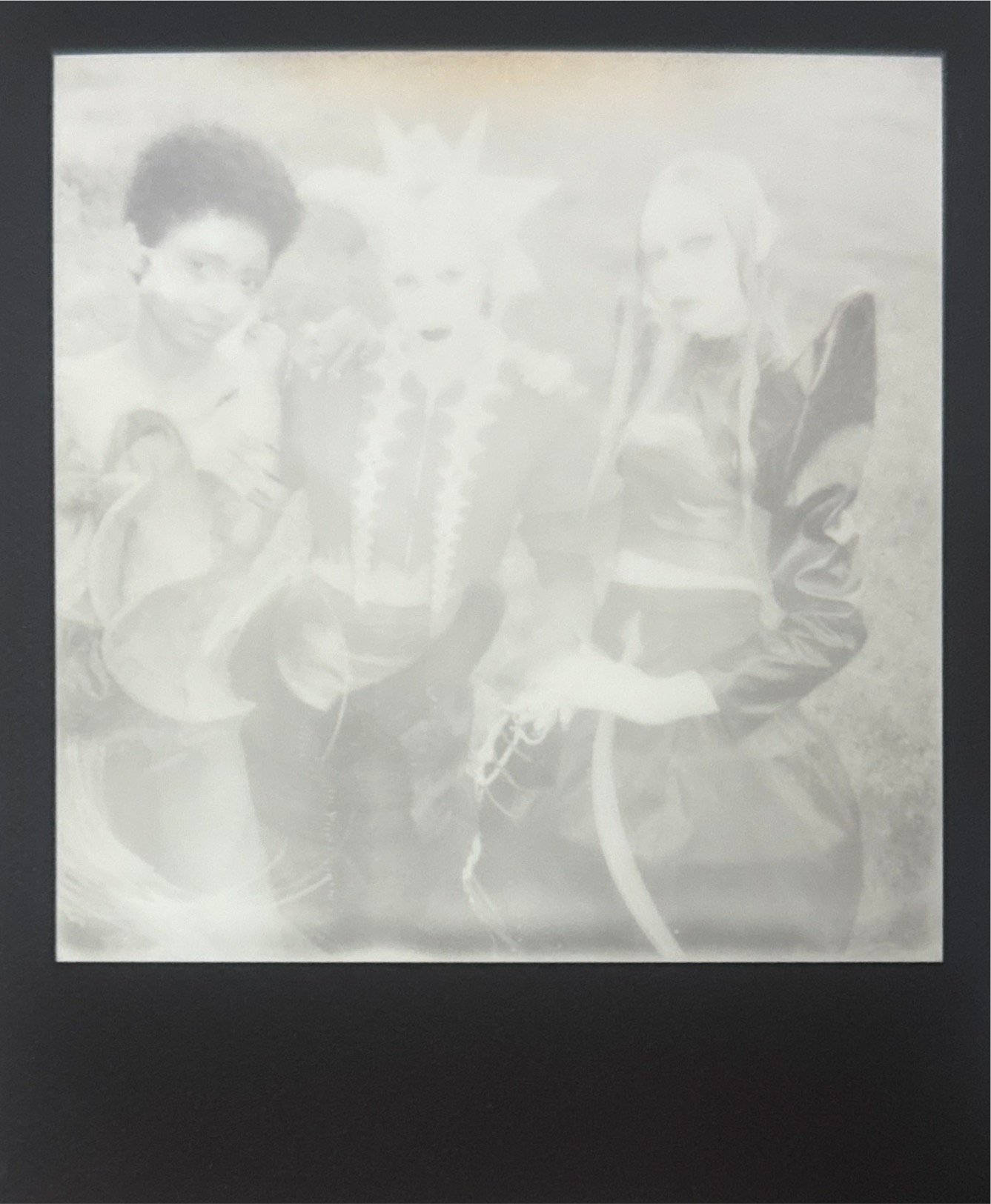
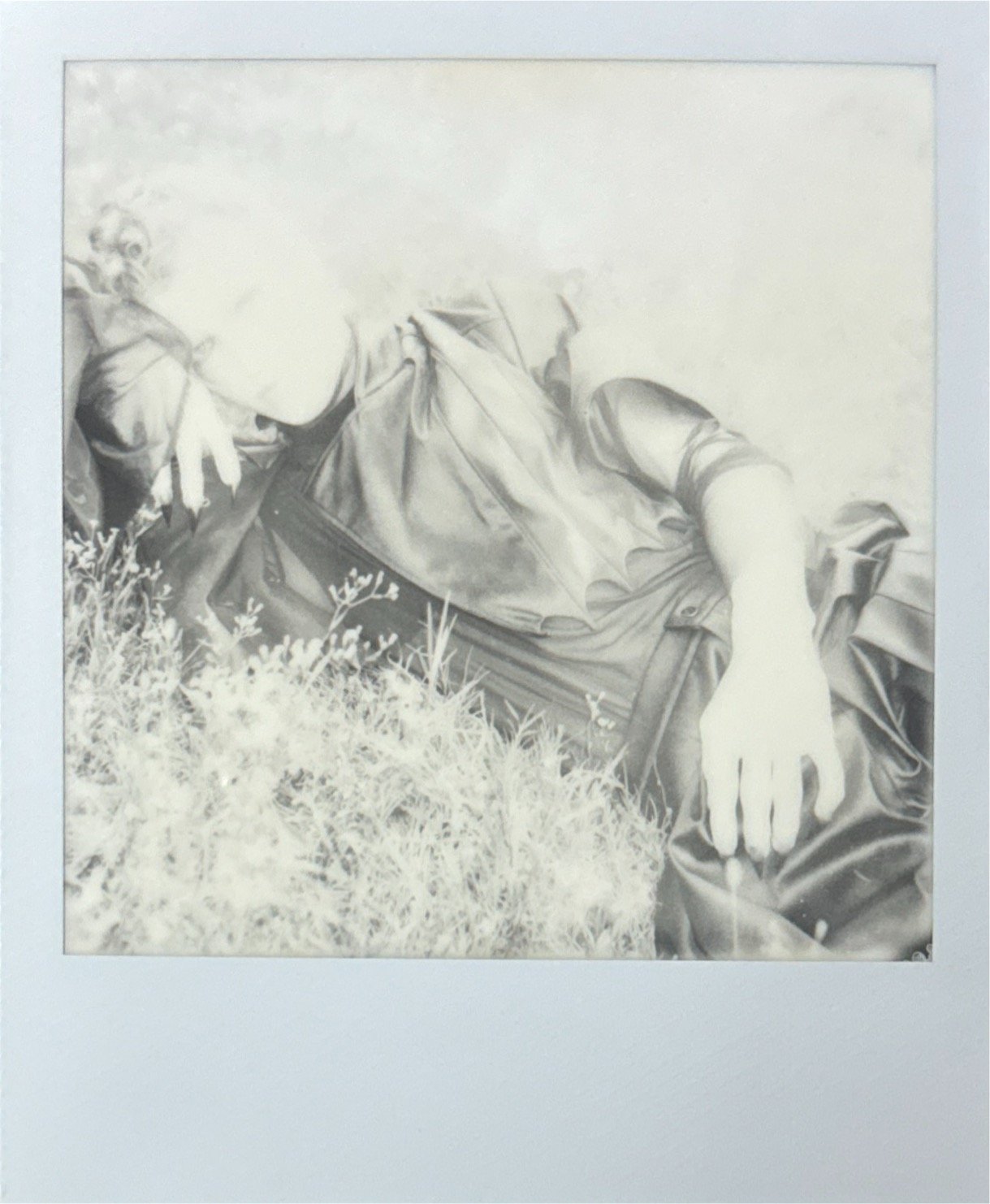
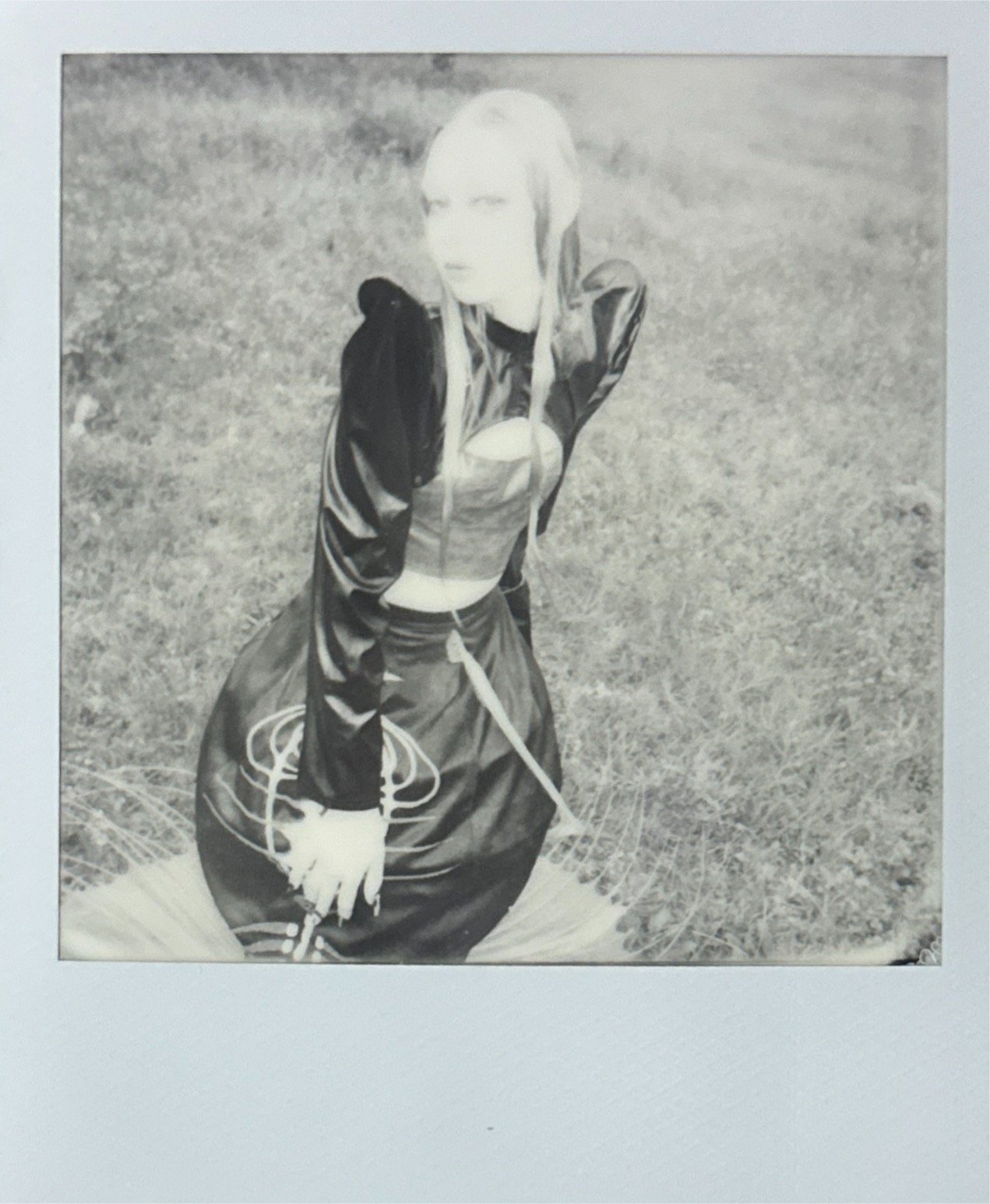
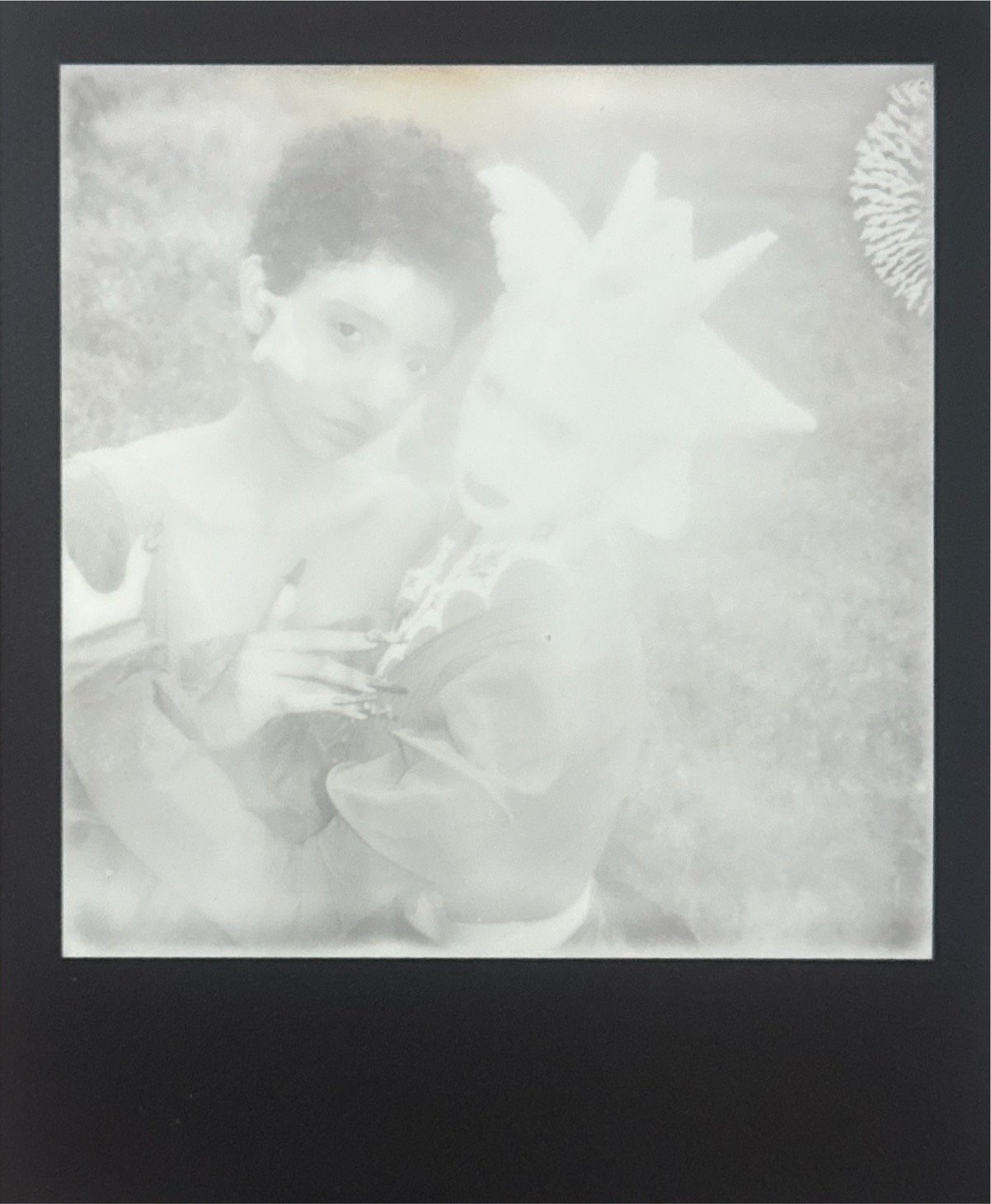
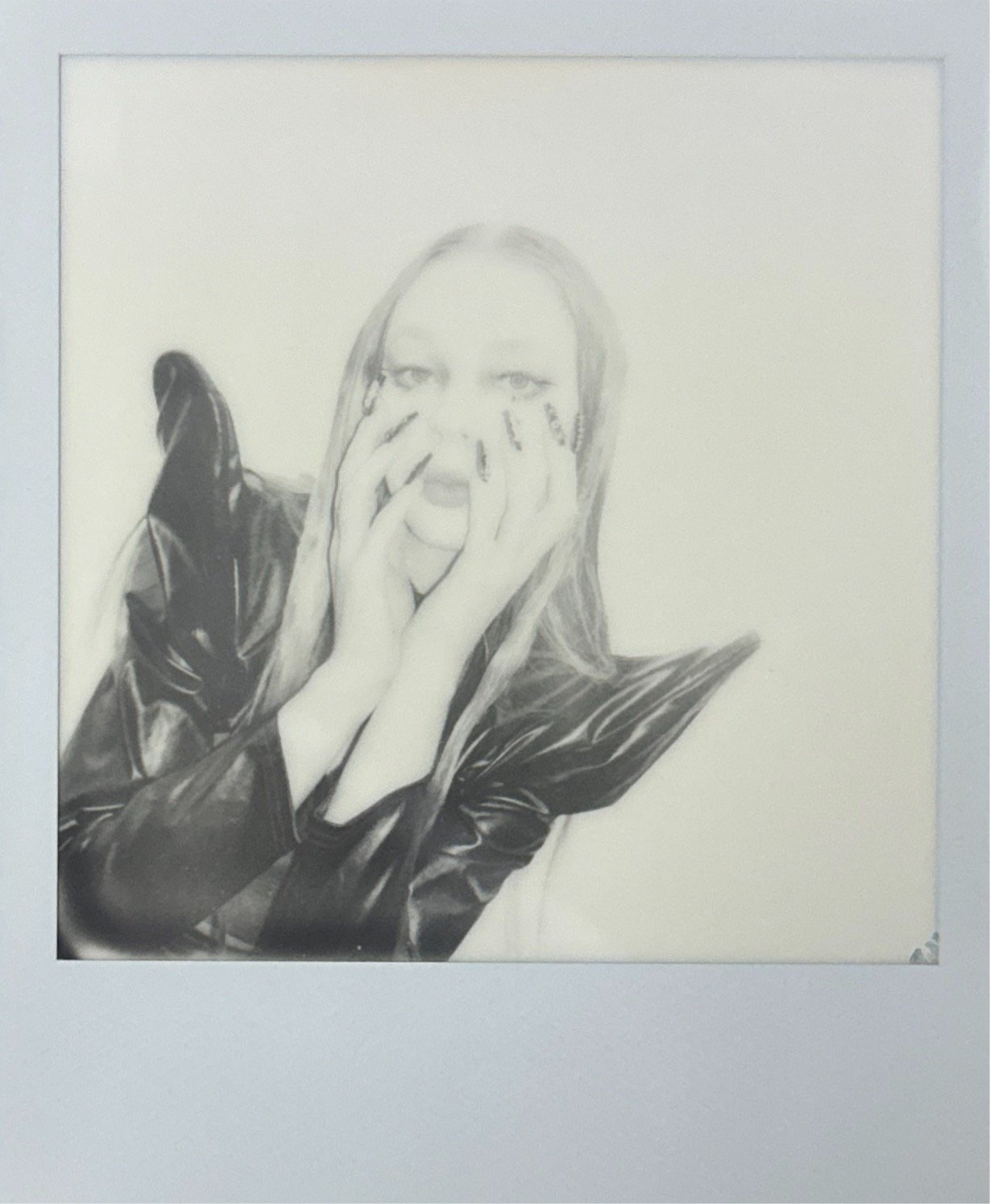
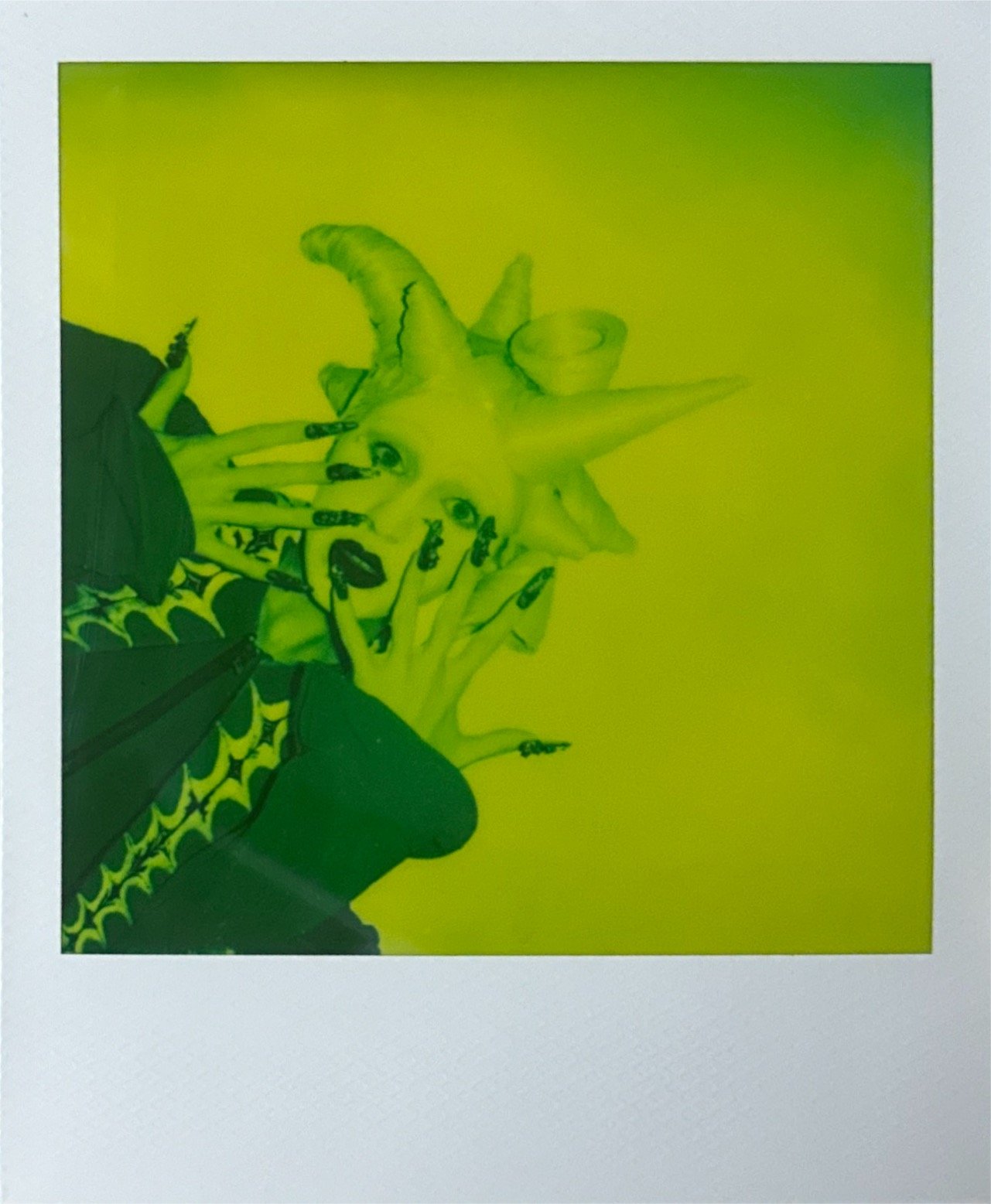
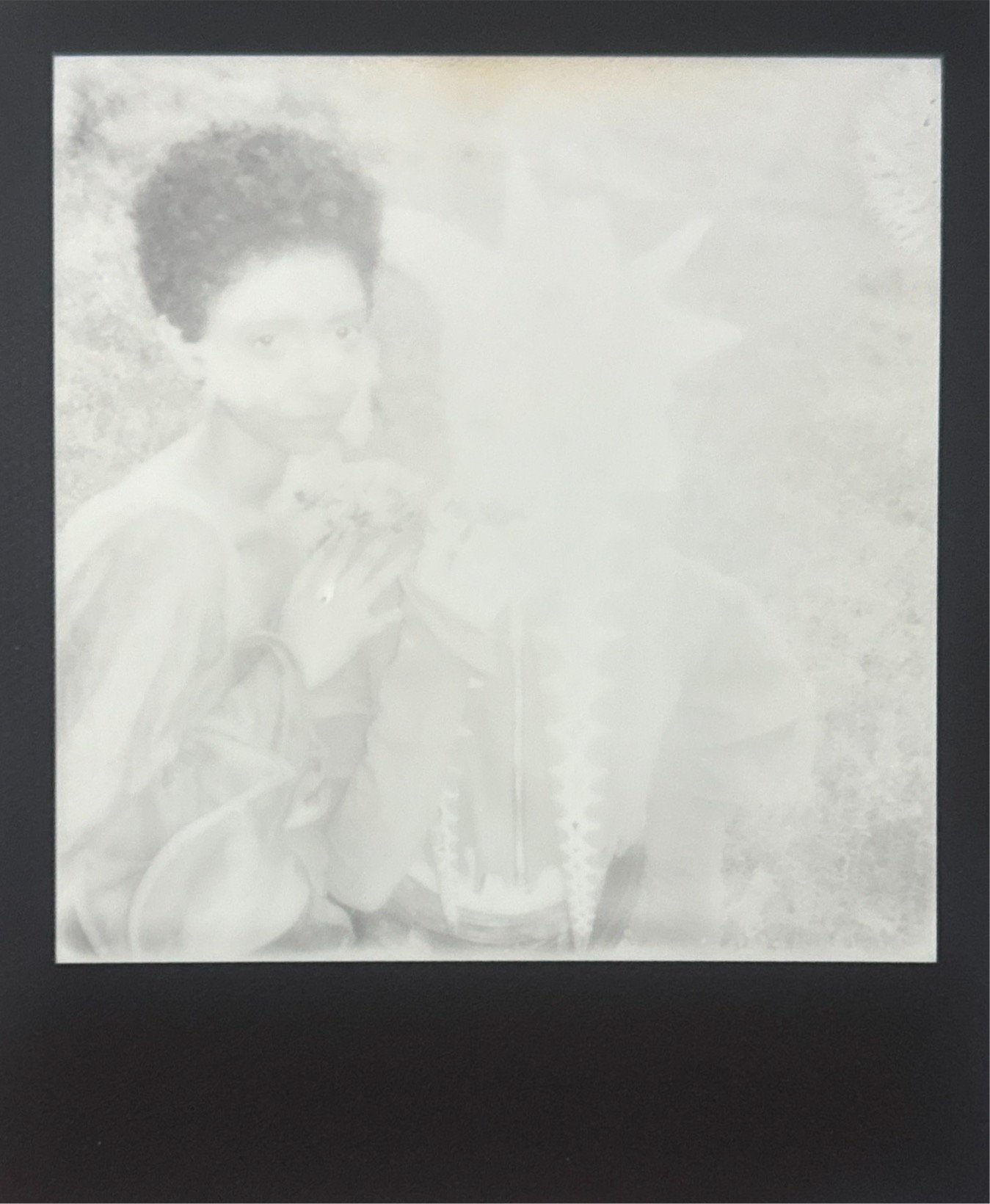
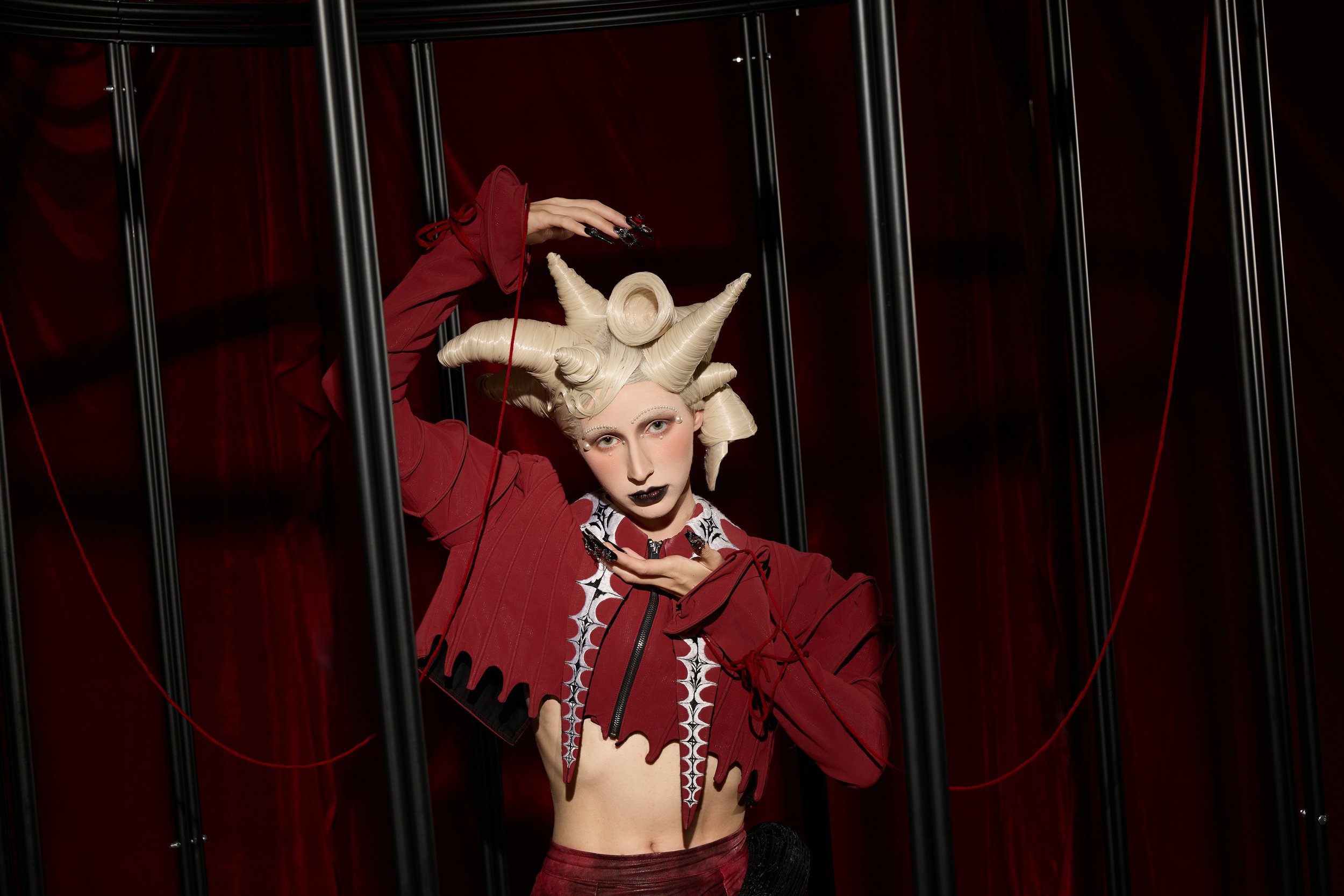
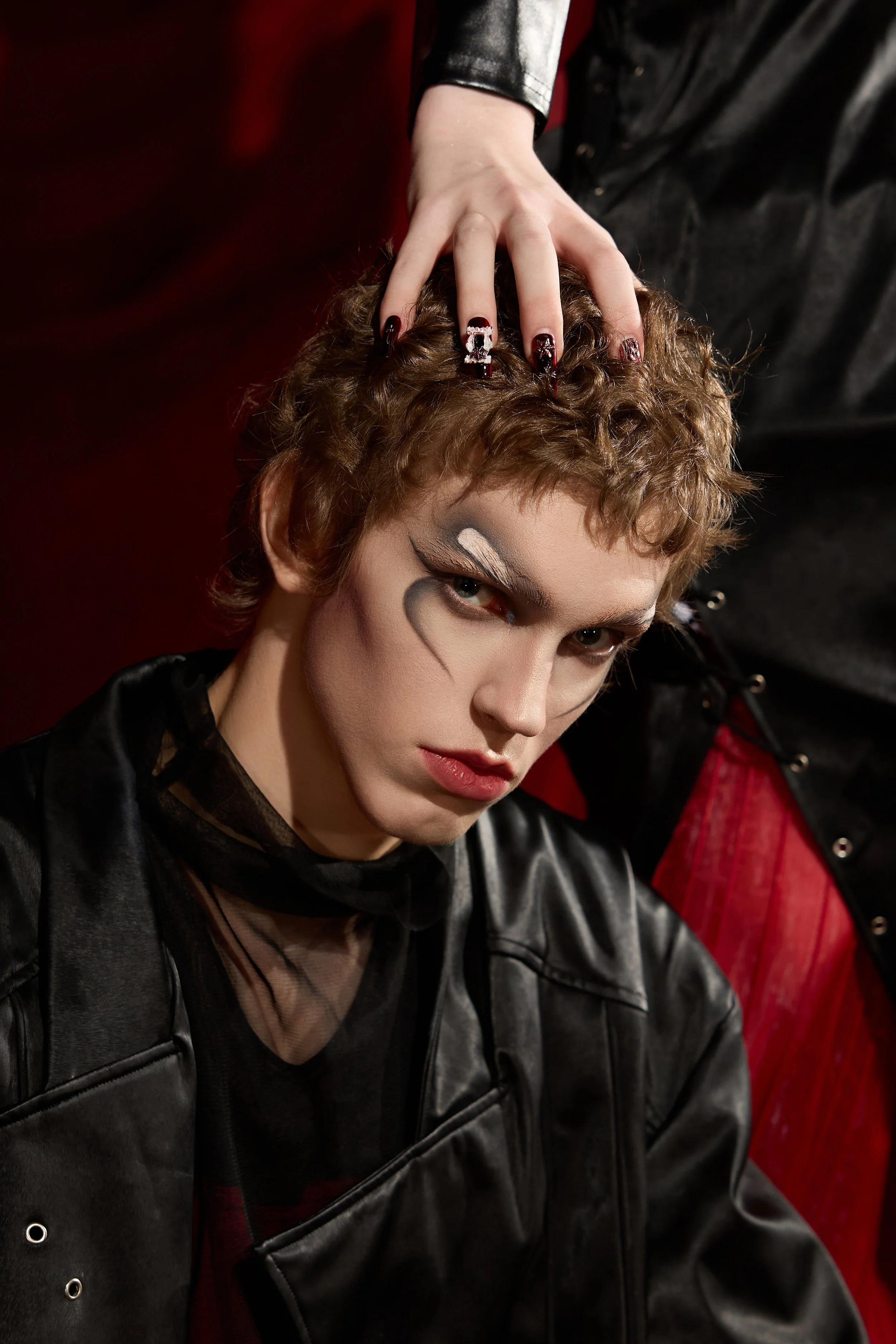
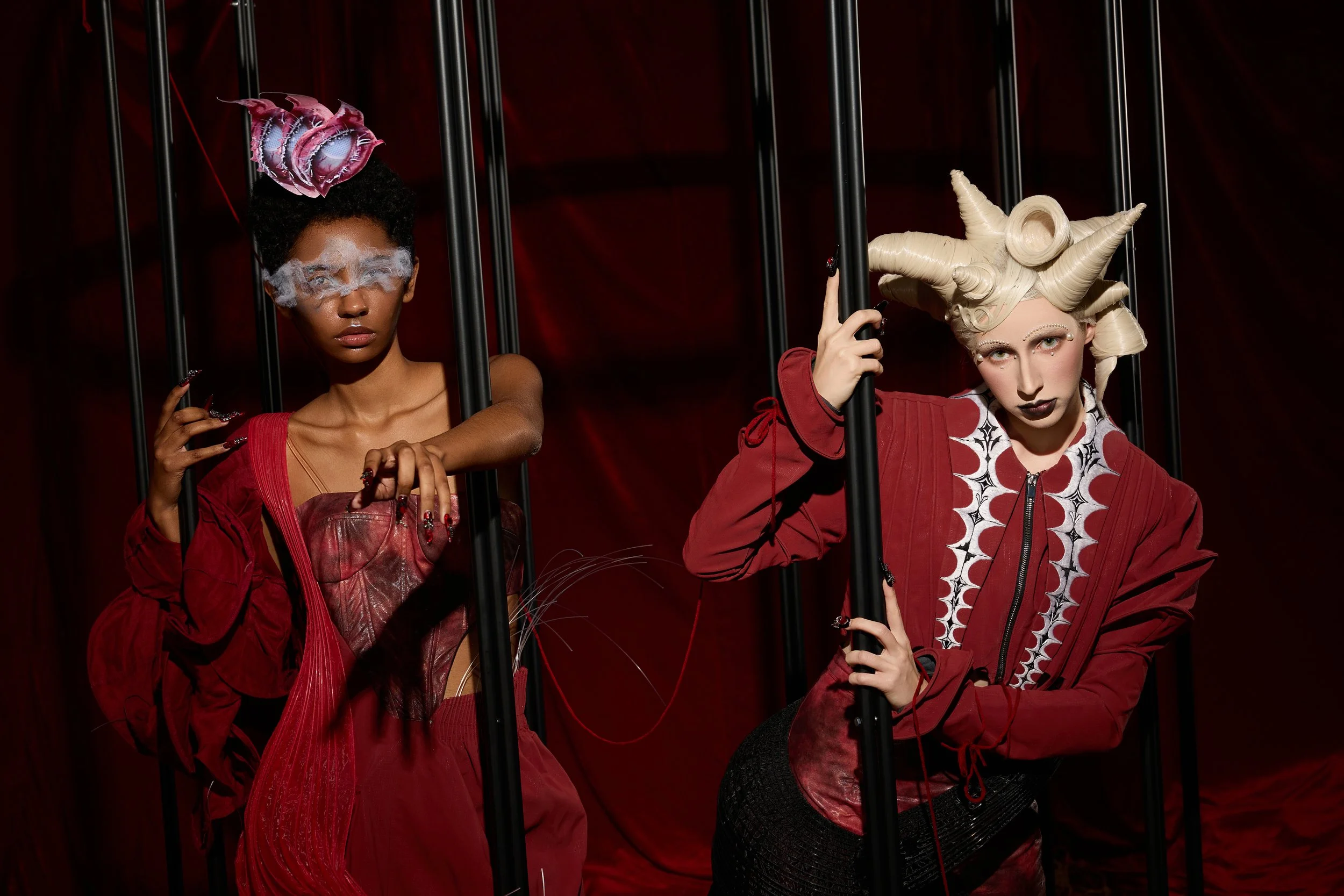
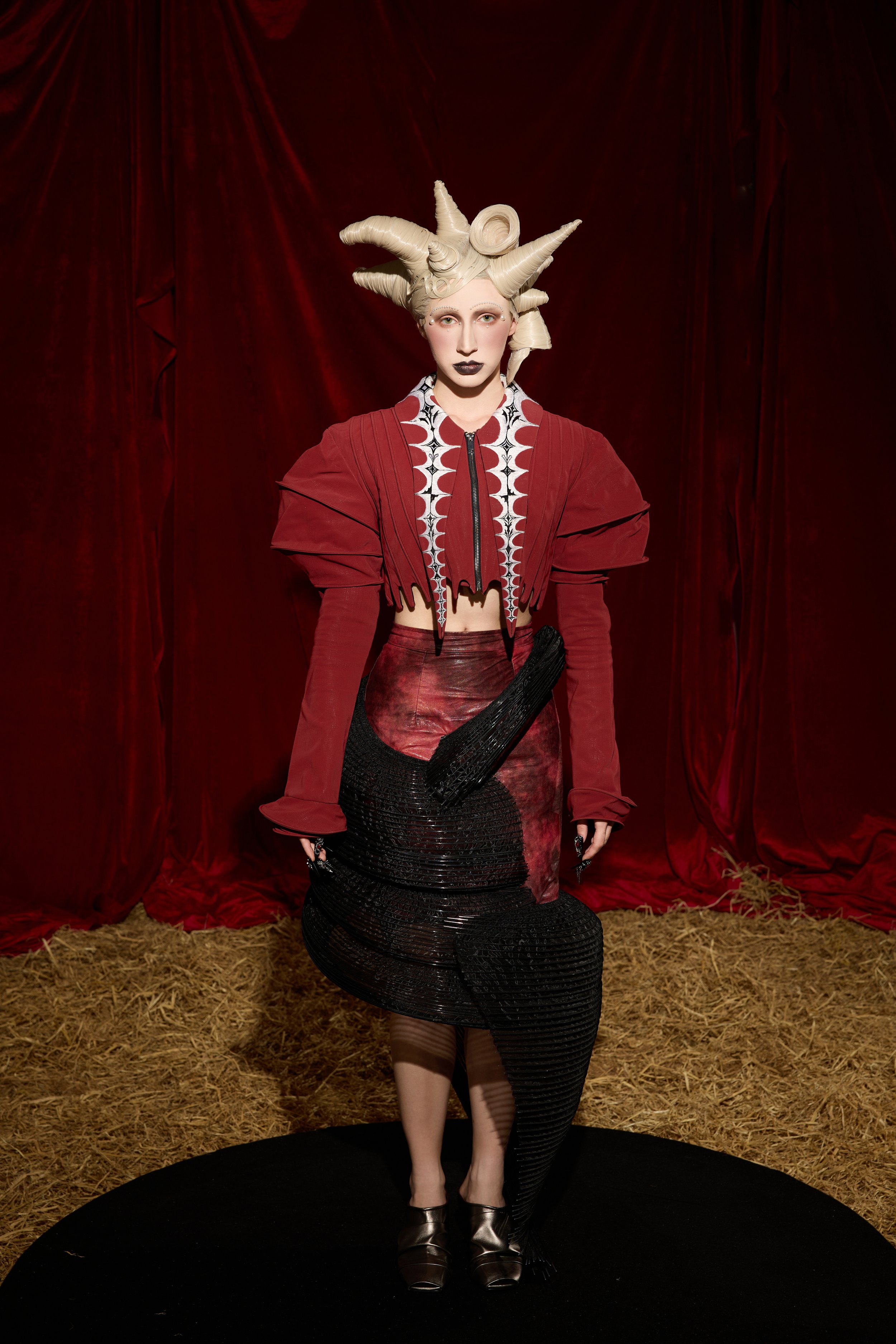
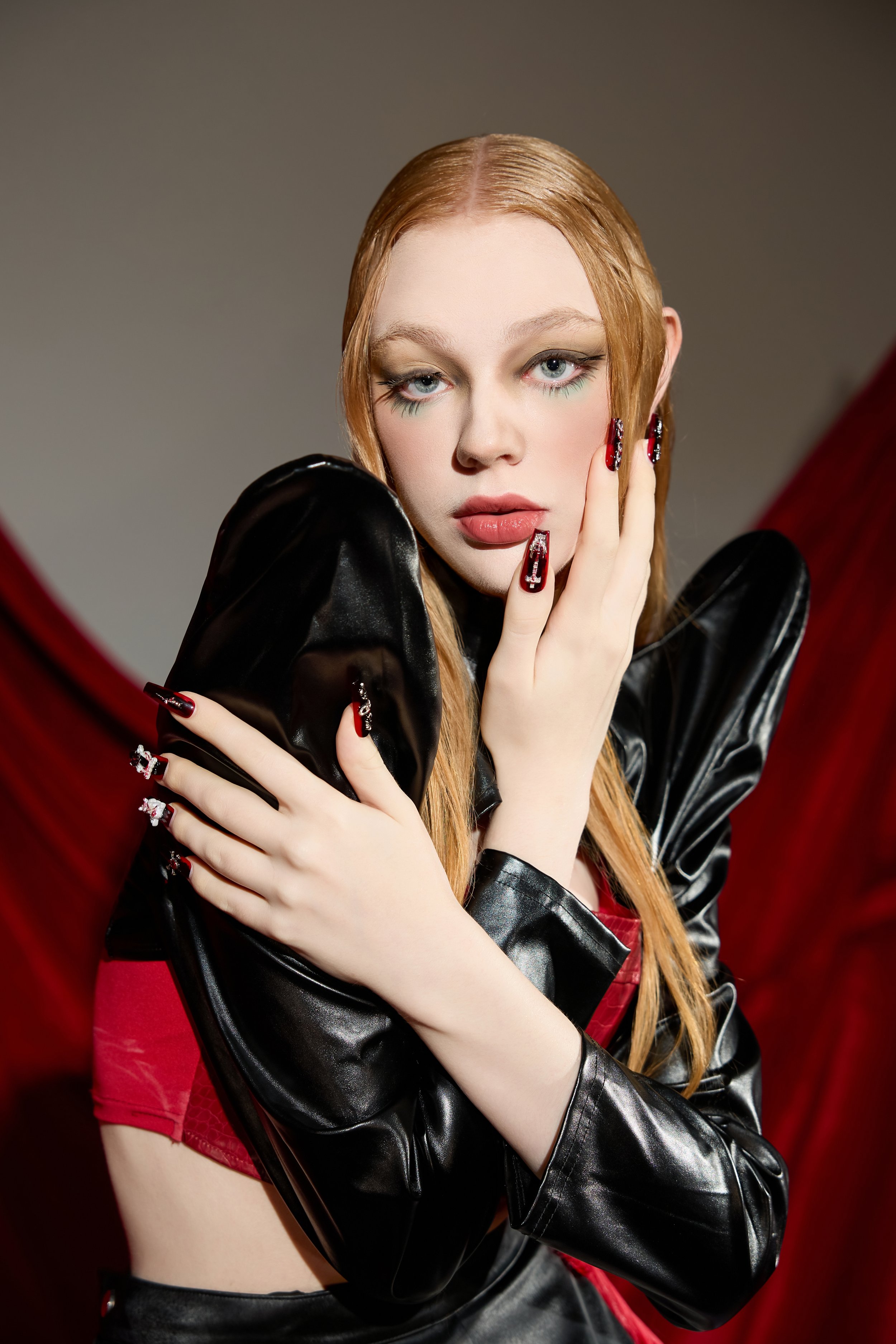
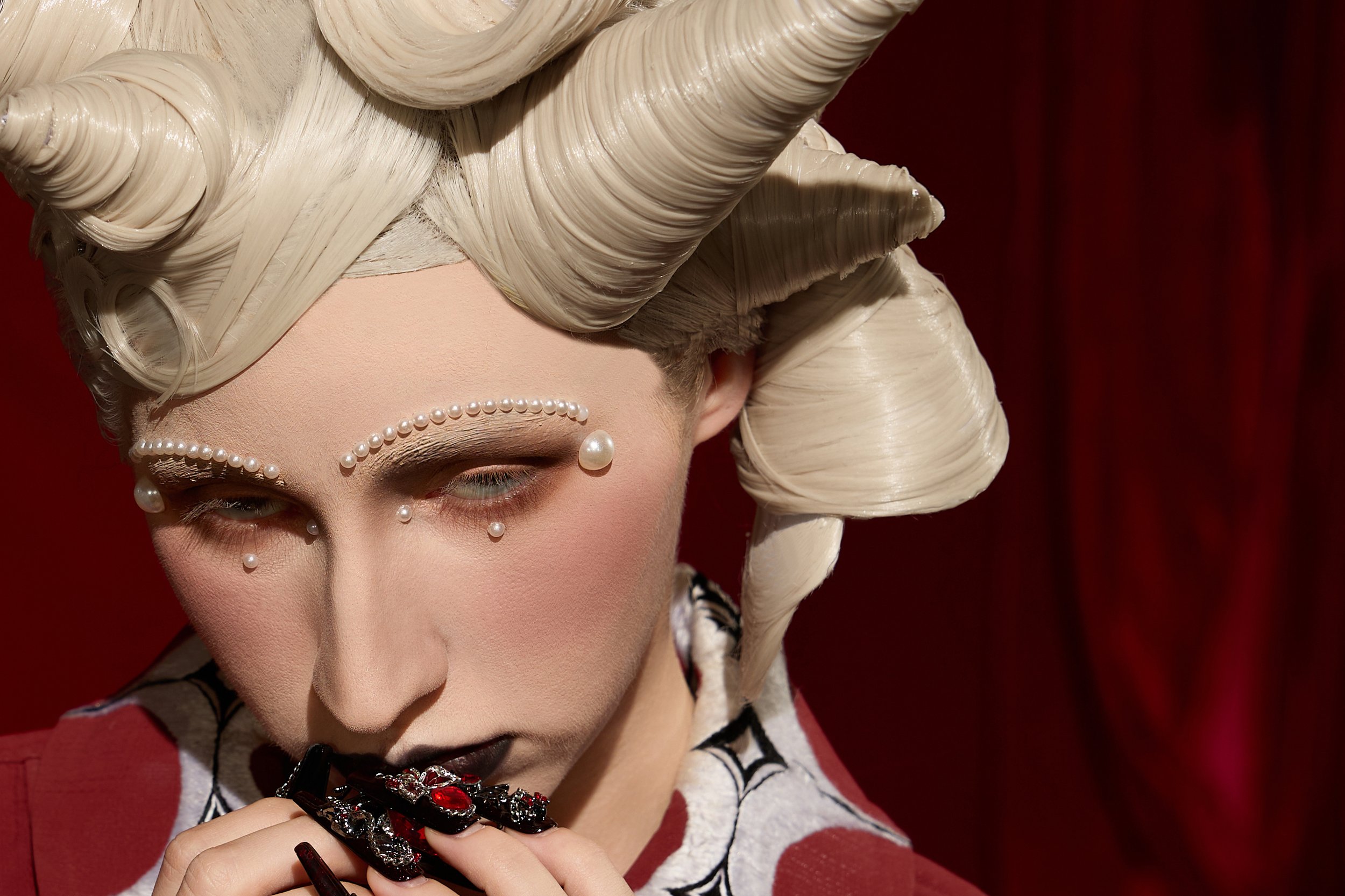
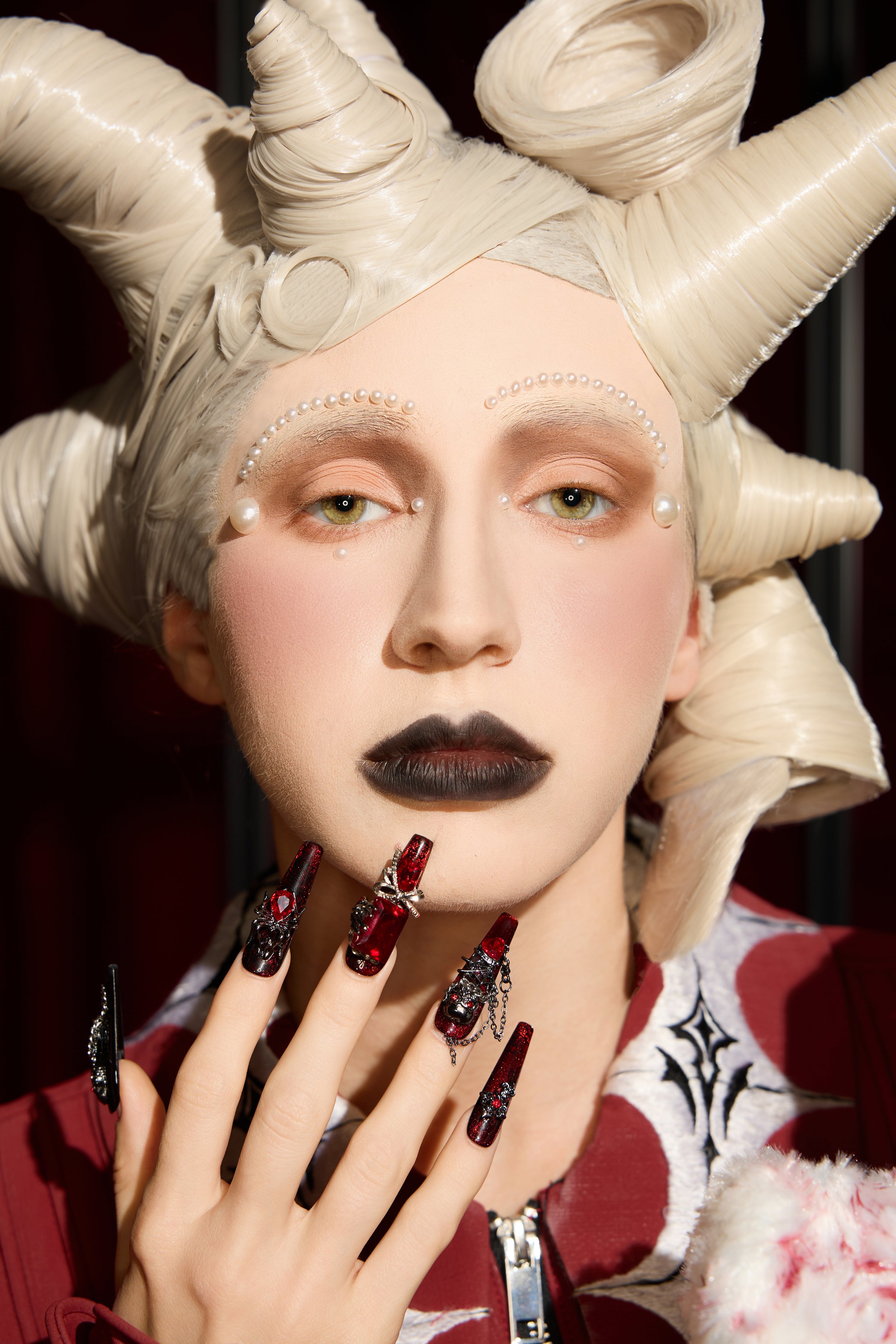
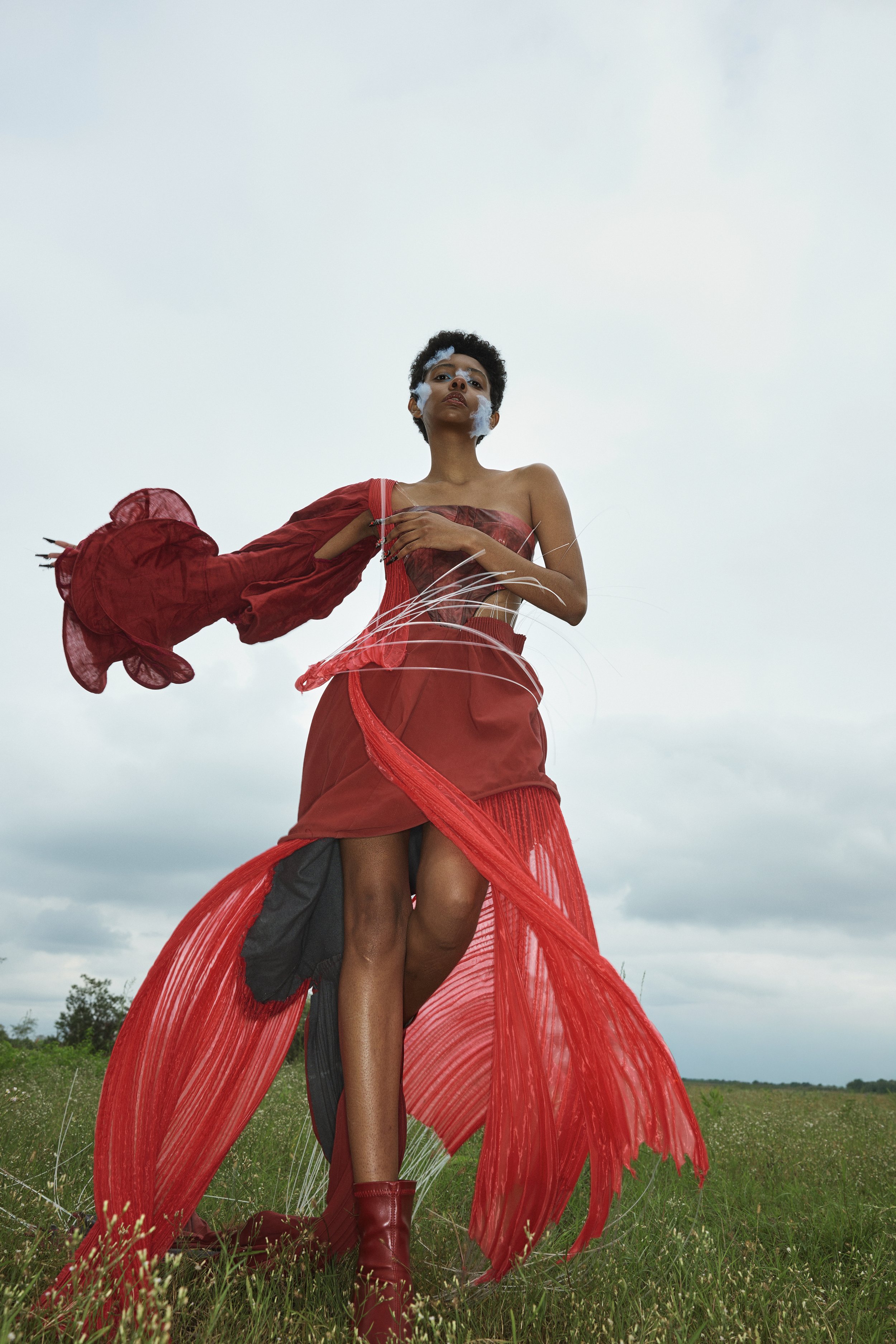
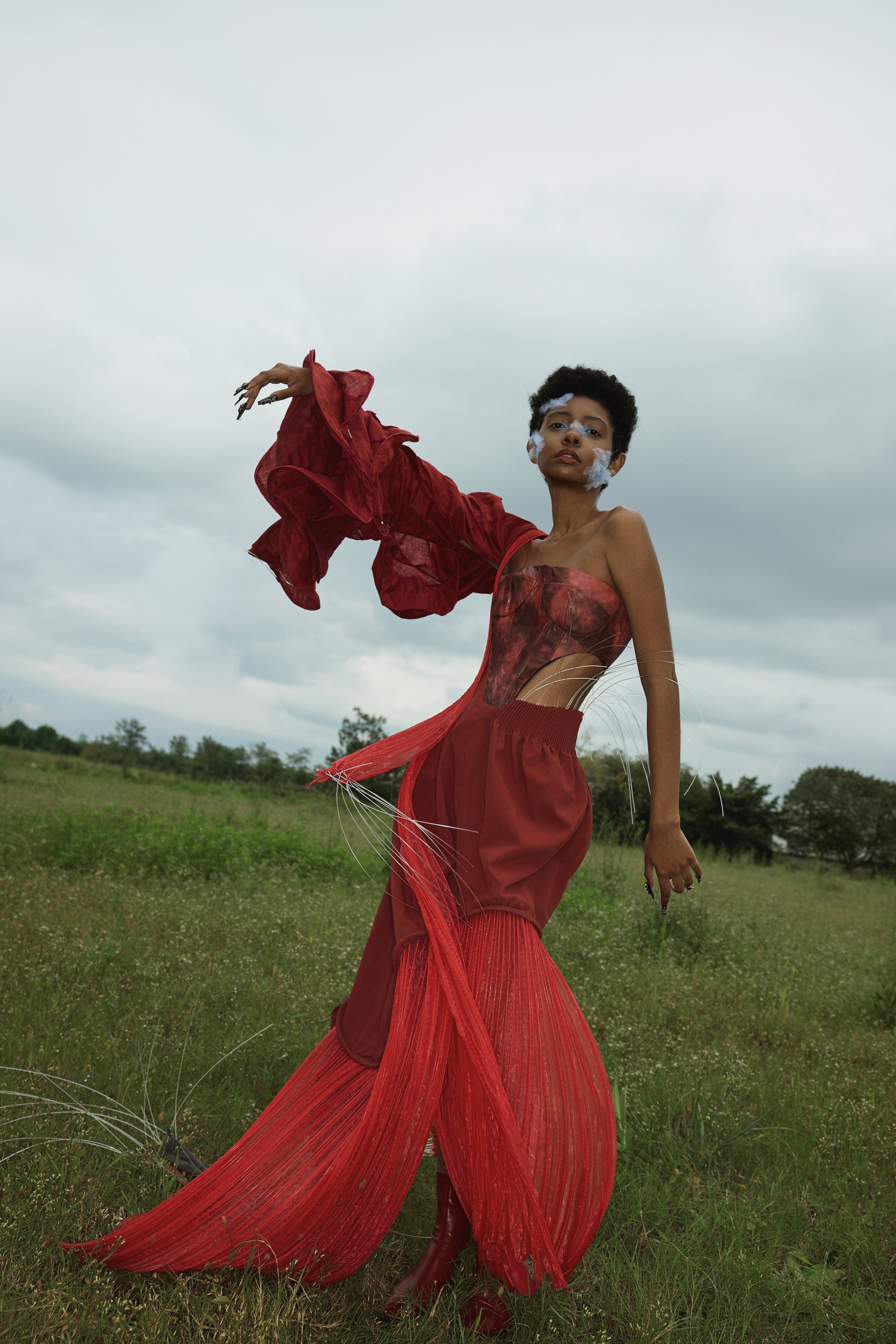
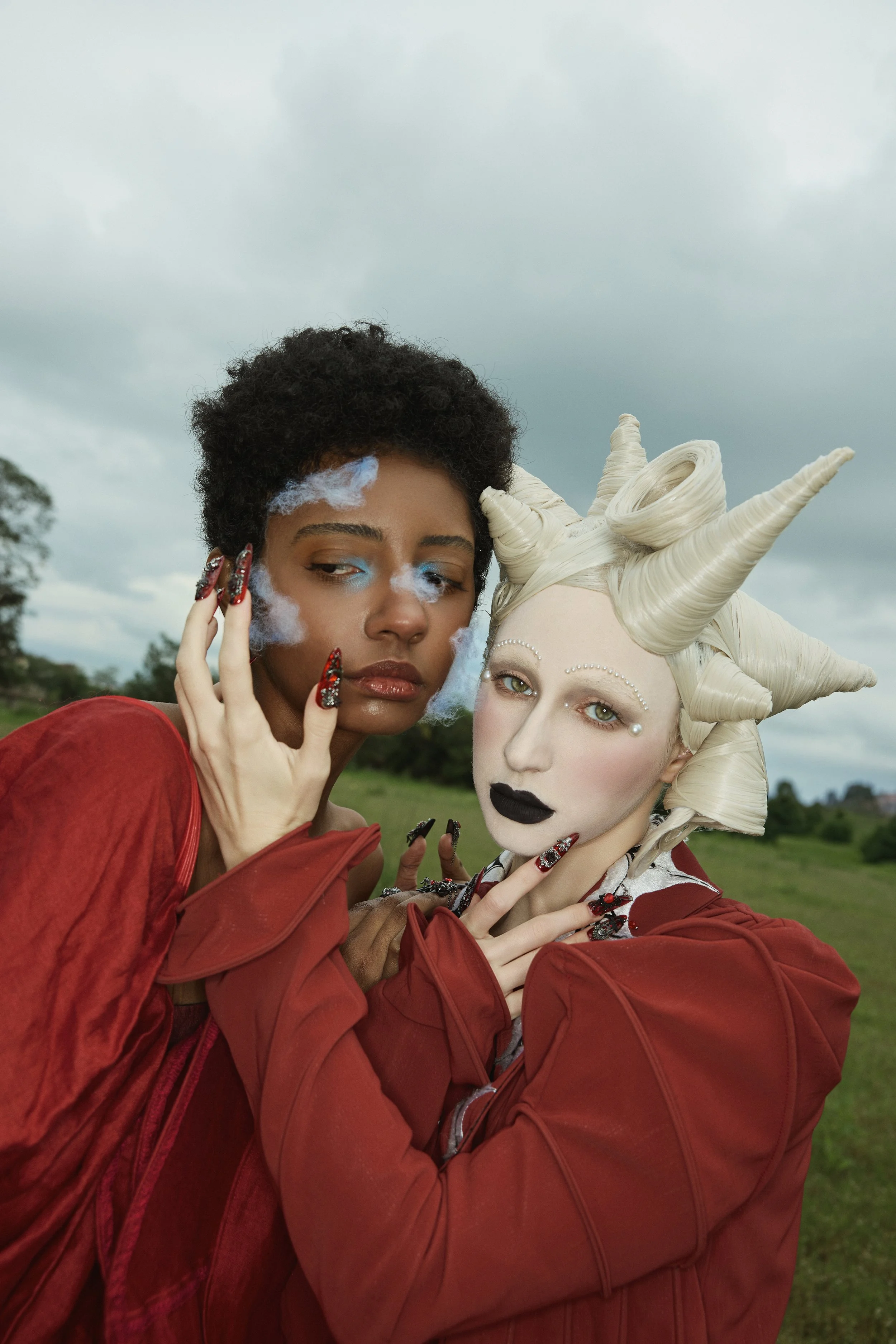
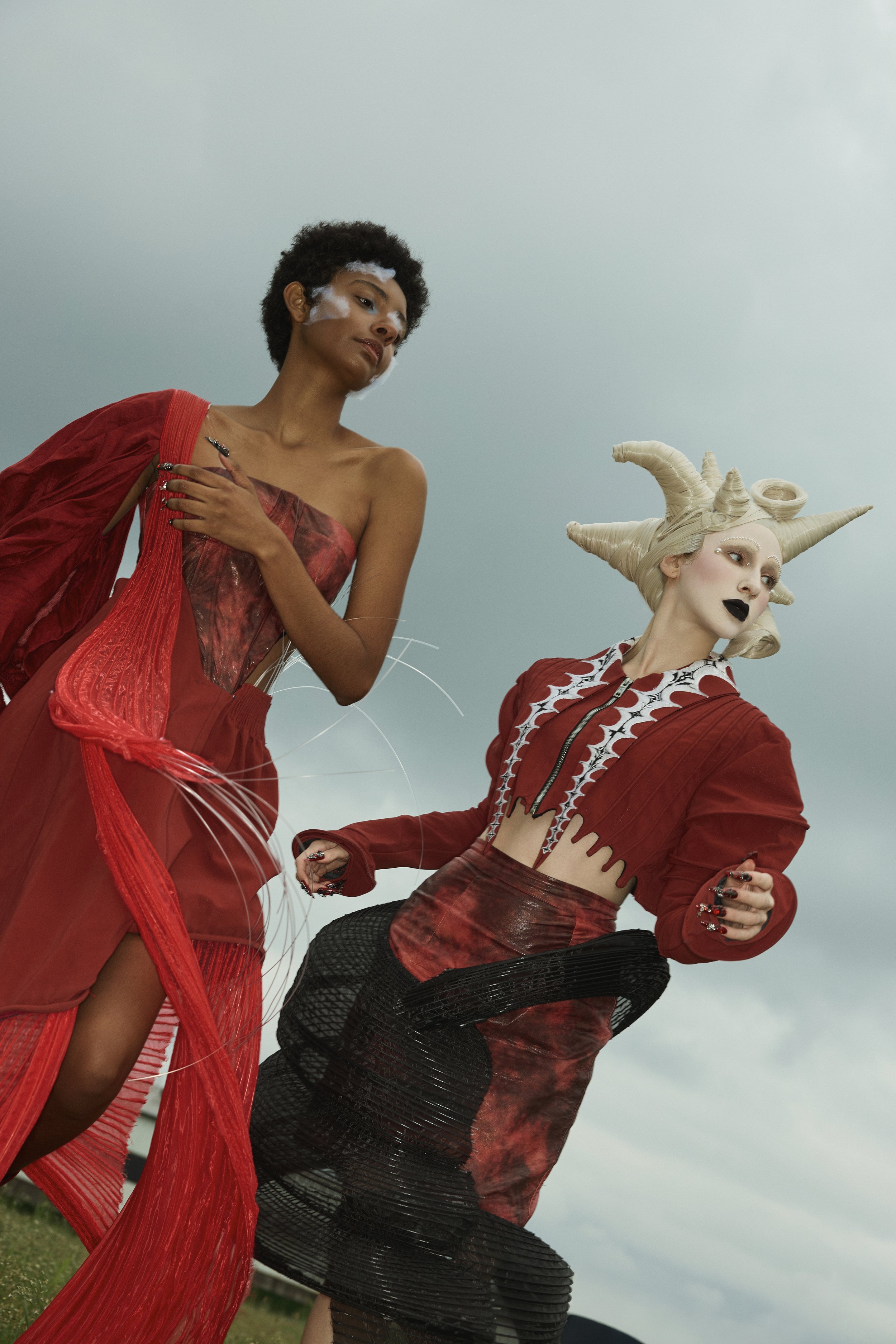
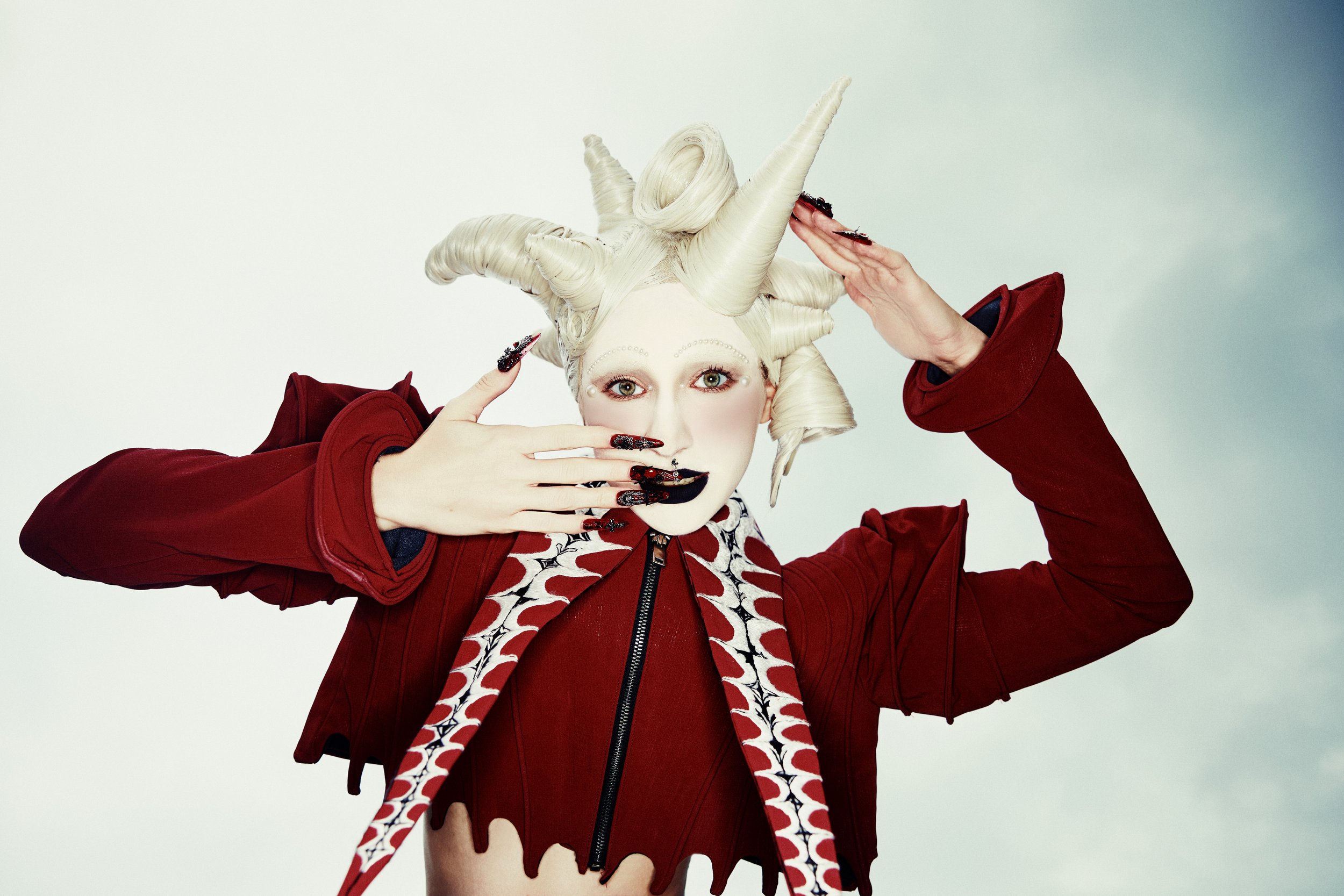
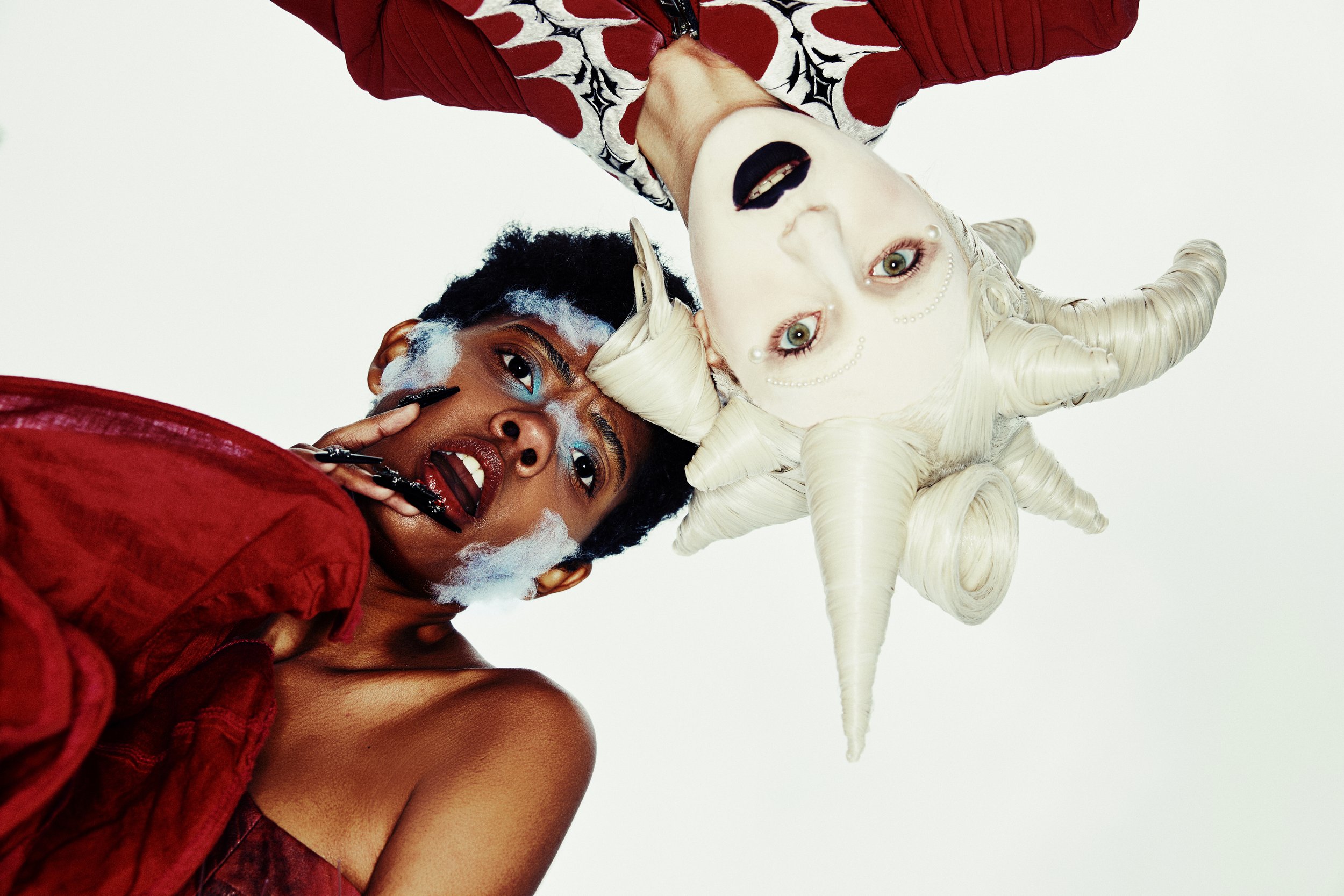
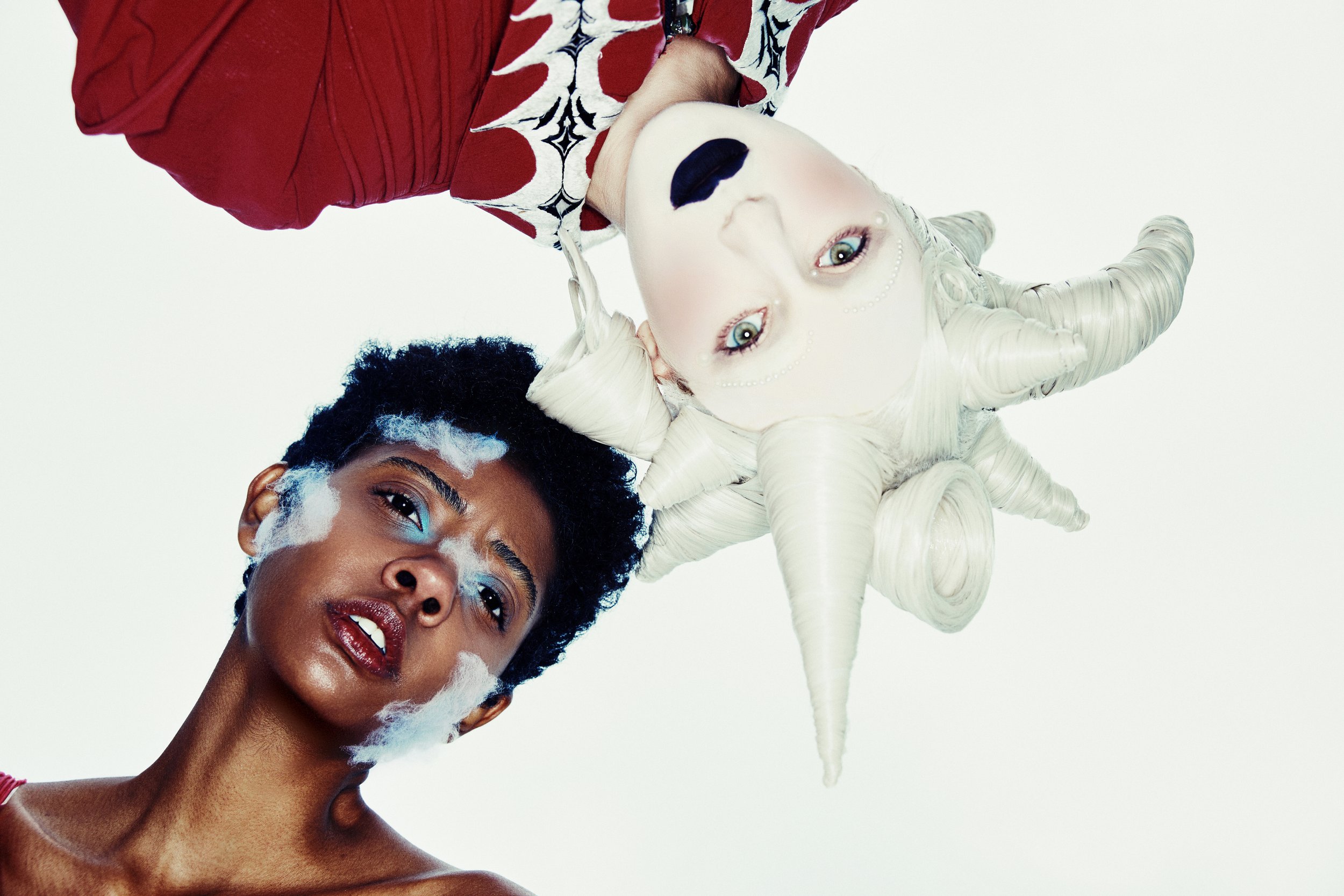
This project draws inspiration from the moment of “end credits” and “curtain call.” When a stage play or film concludes, the characters gradually withdraw, and the audience’s gaze shifts from physical bodies to names, symbols, and memories. In this transition, clothing is no longer merely an adornment to the body; it becomes a sculptural shell—witnessing the dissipation of energy and the blurring of identity.
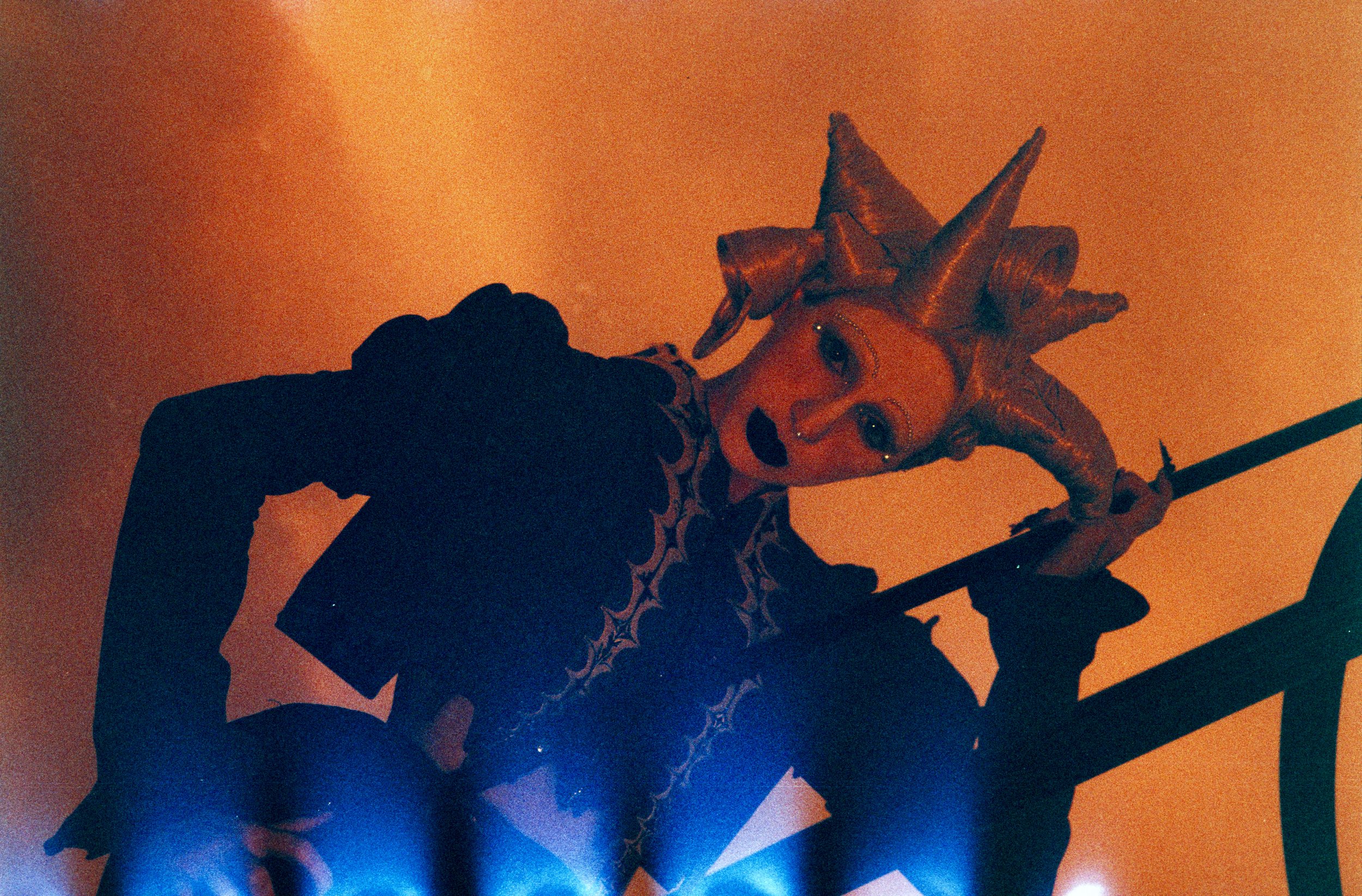
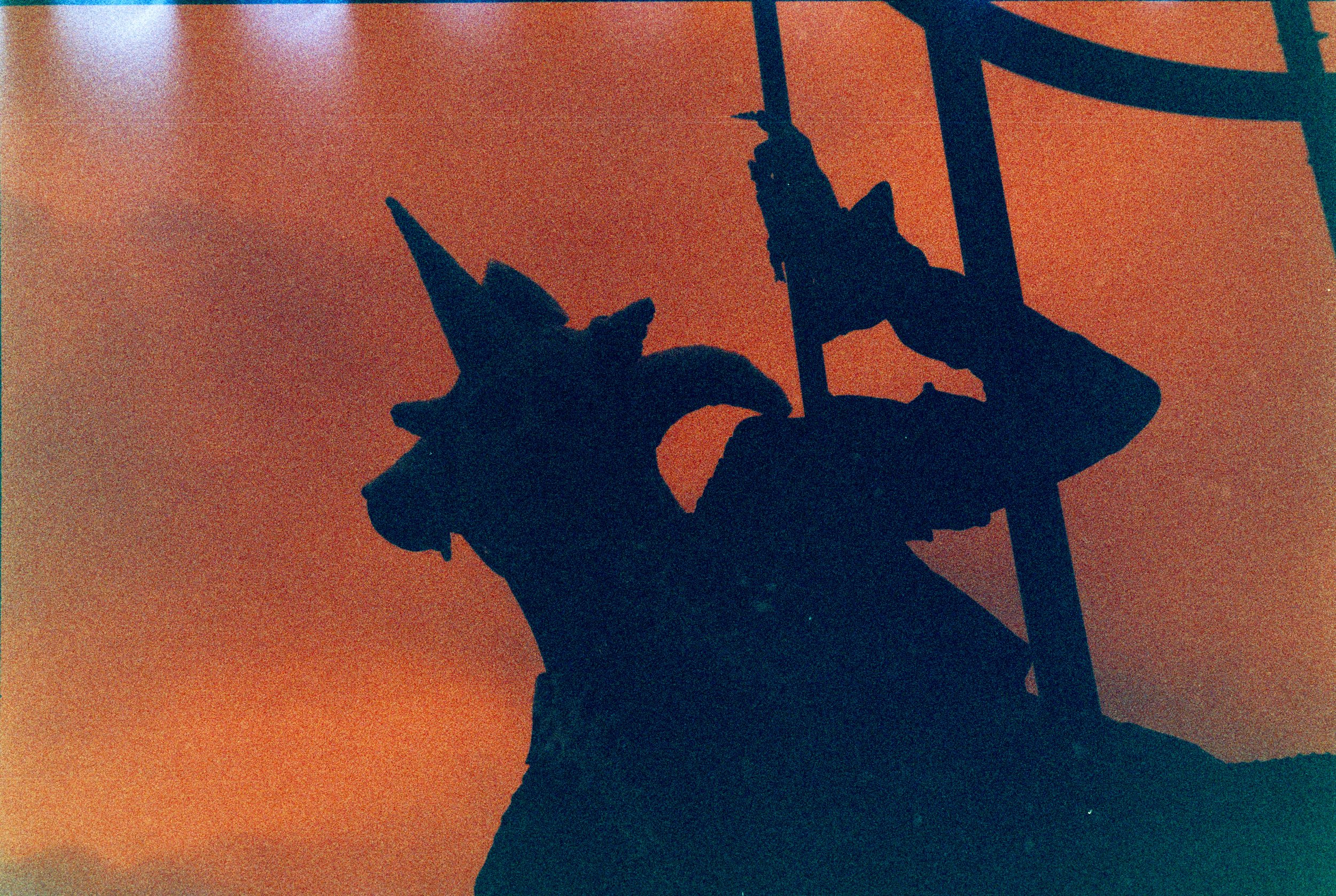
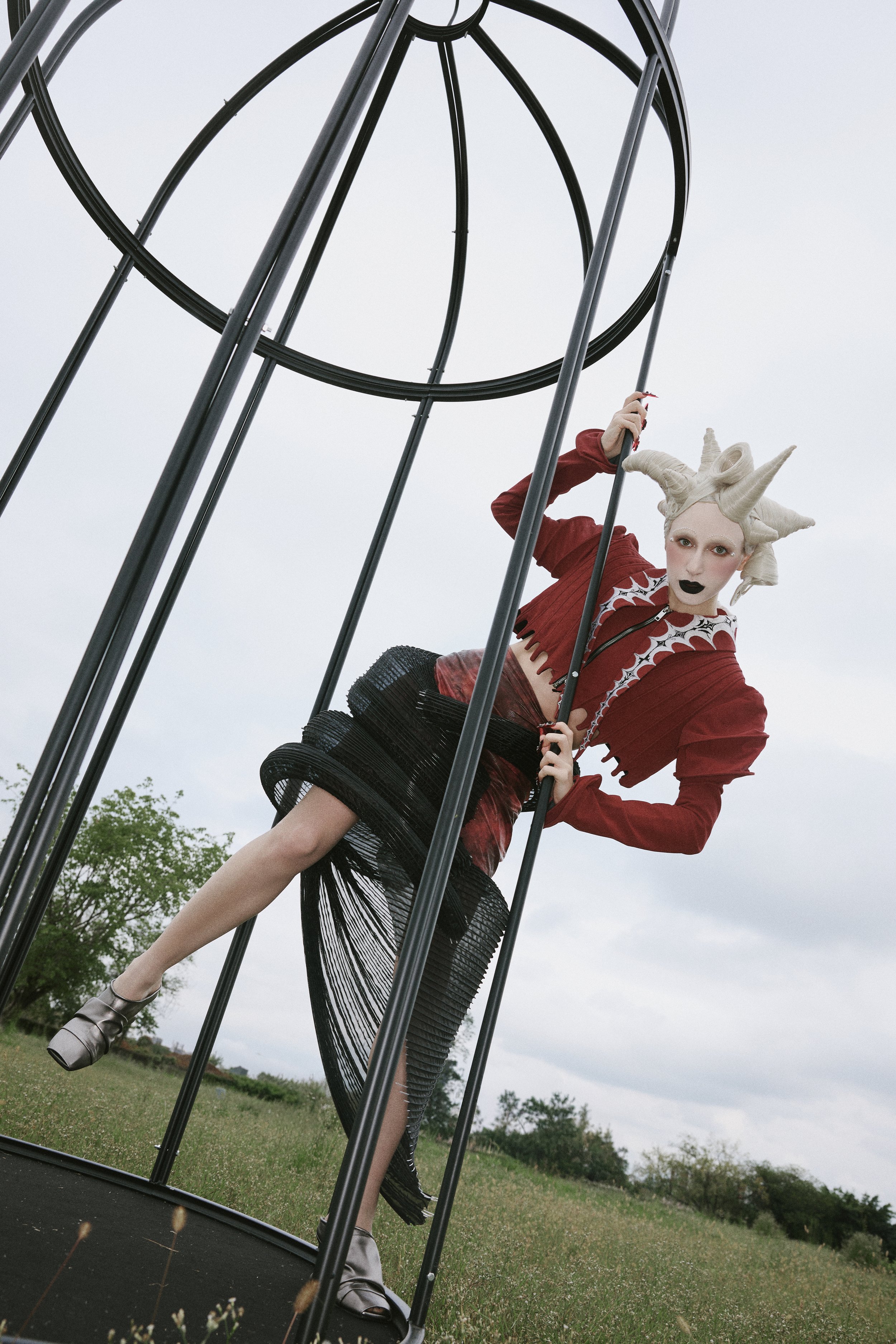
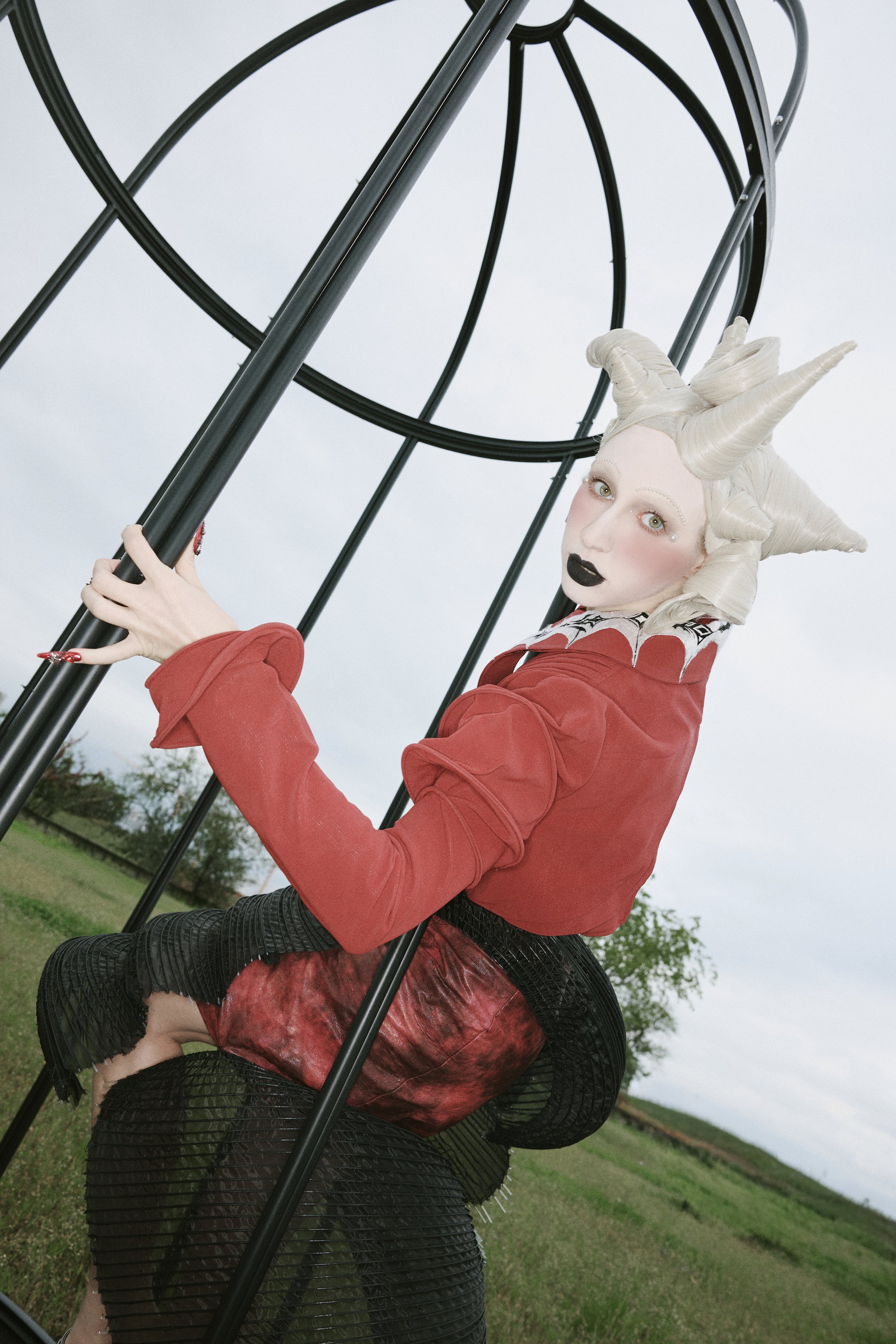
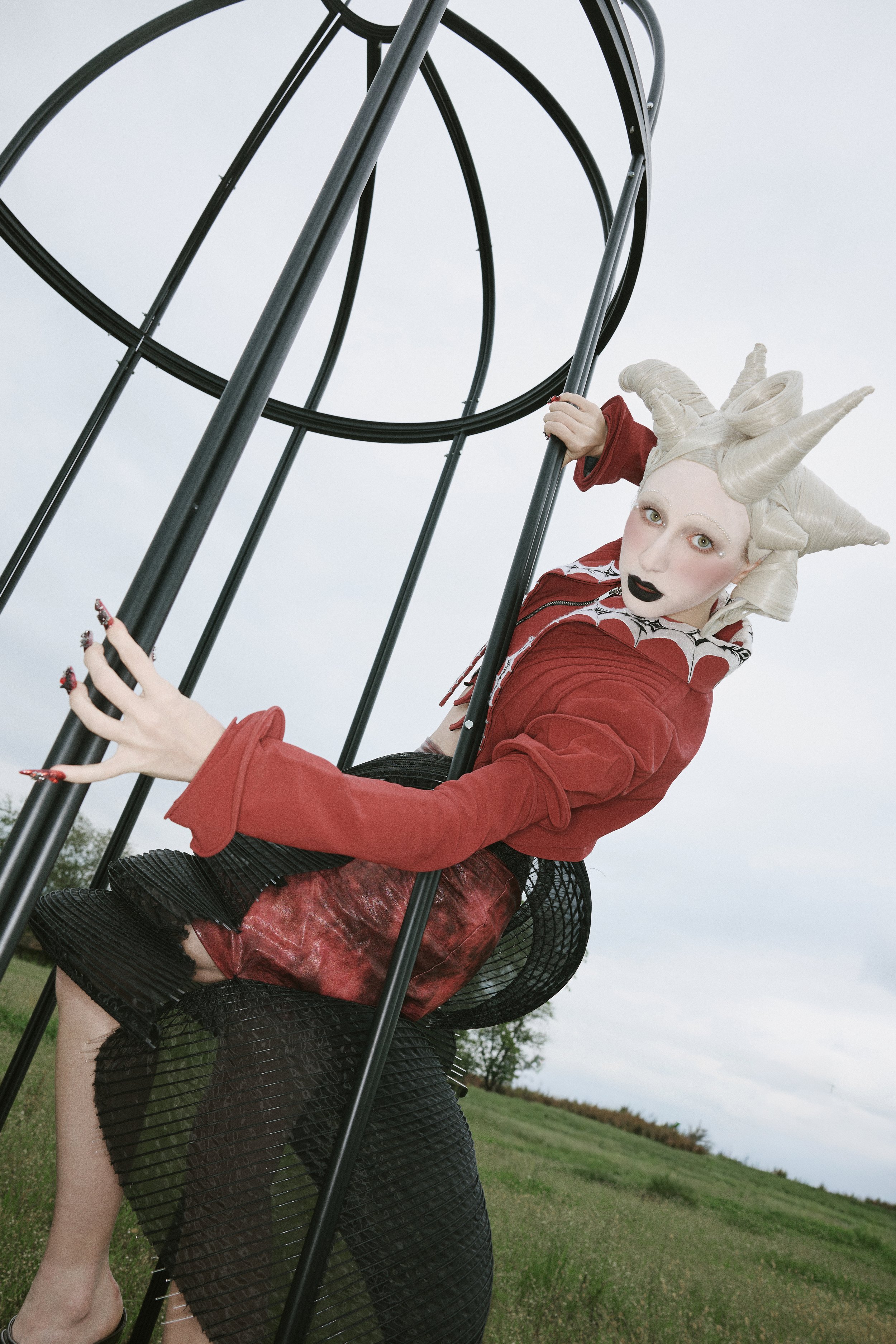
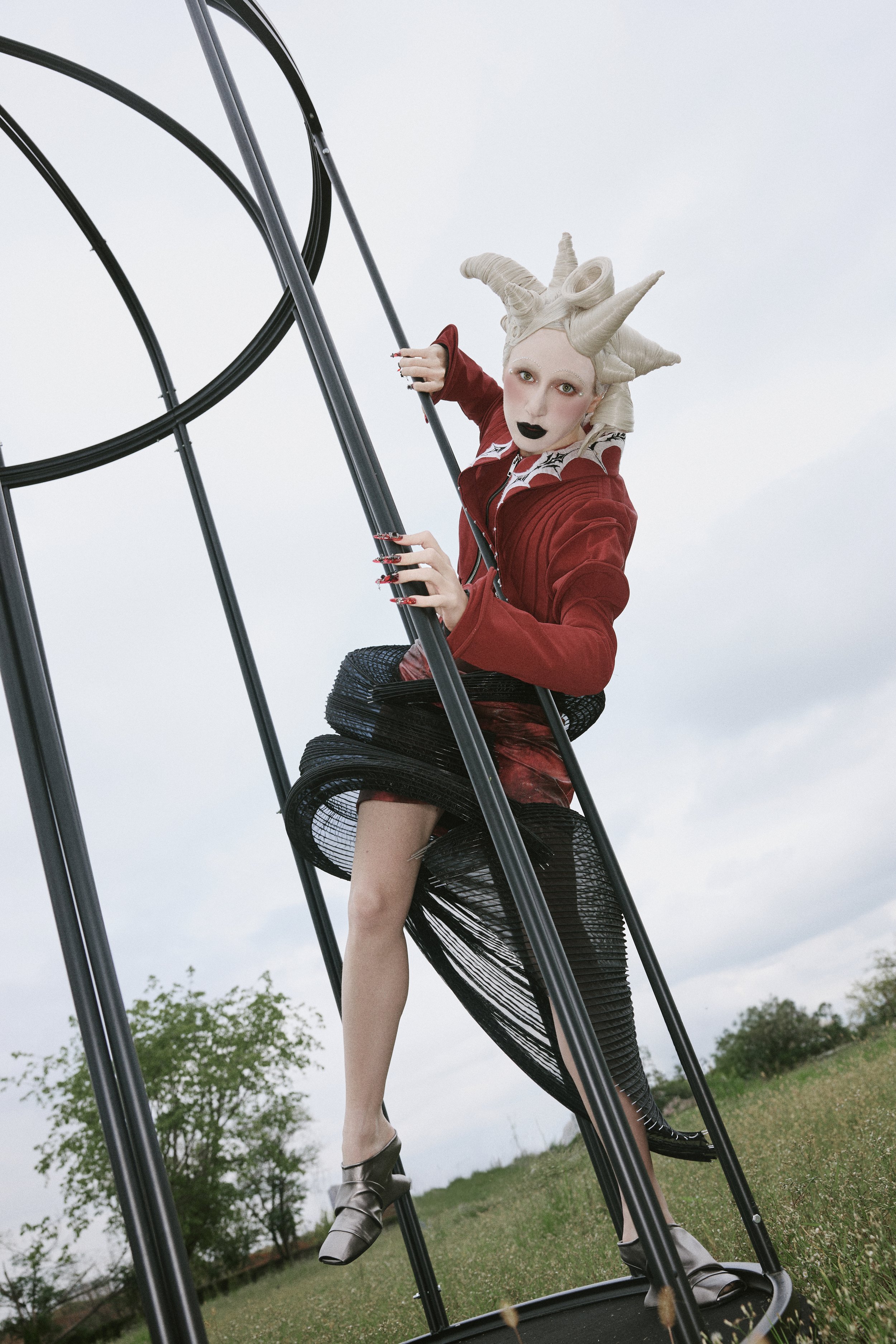
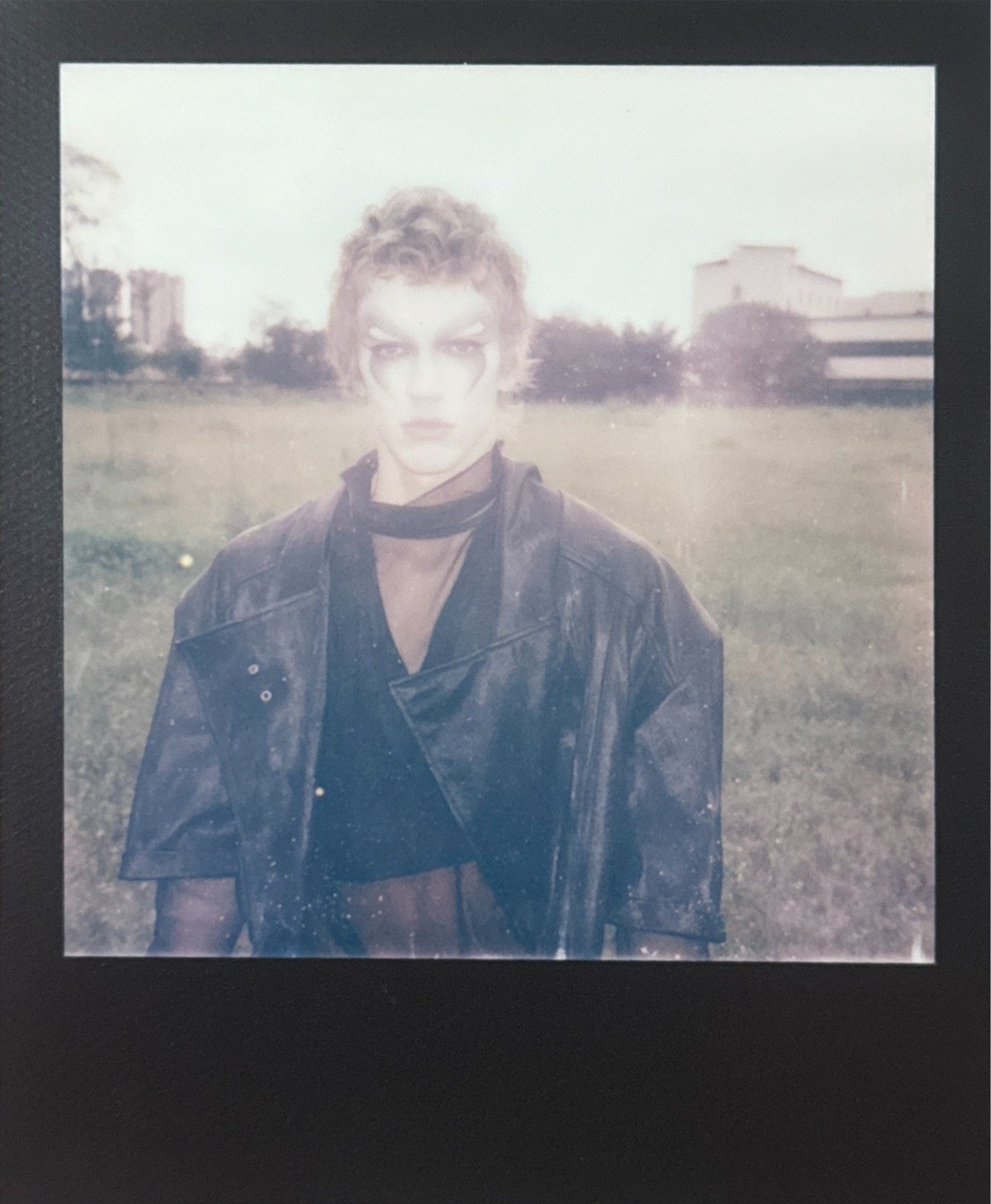
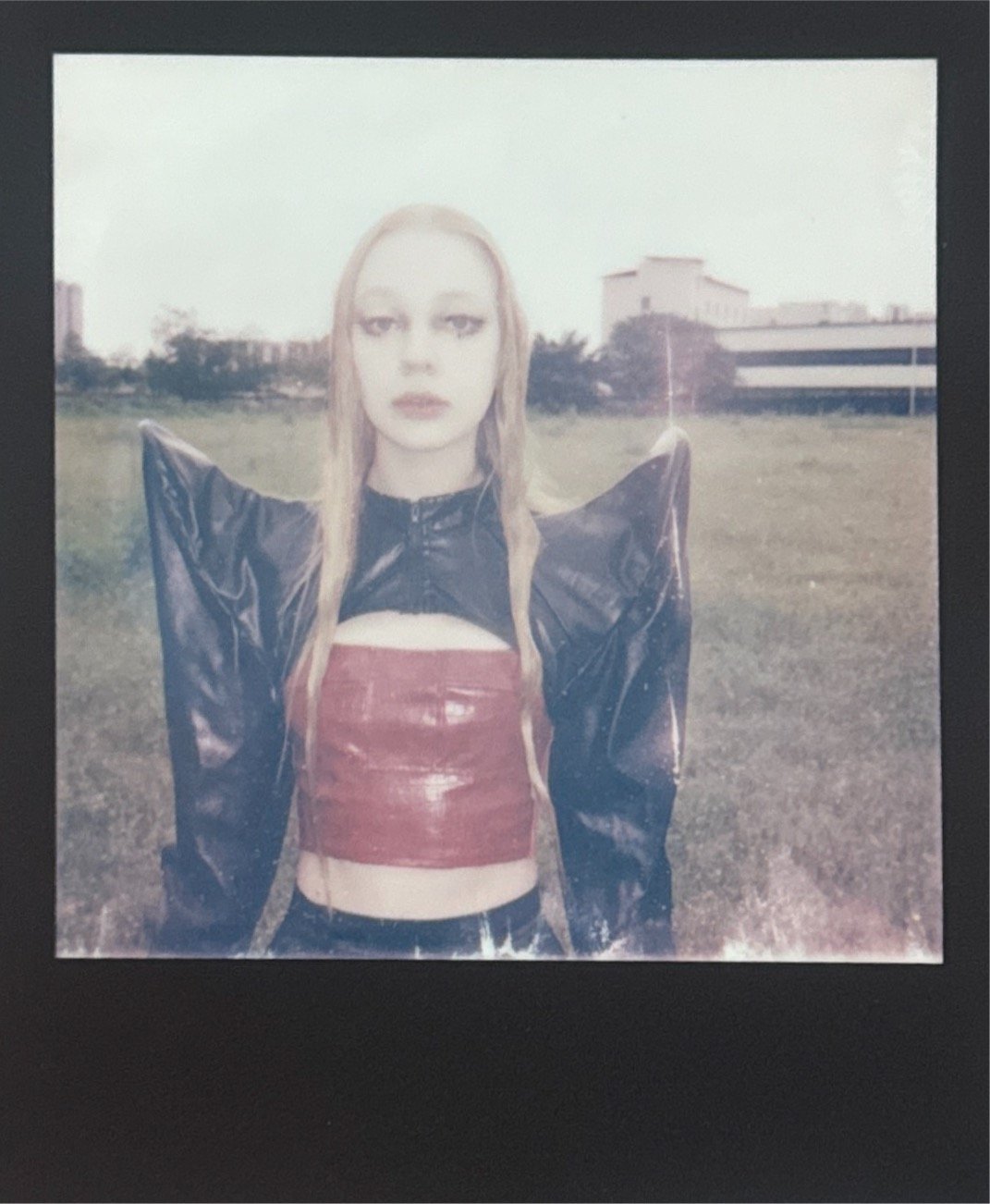
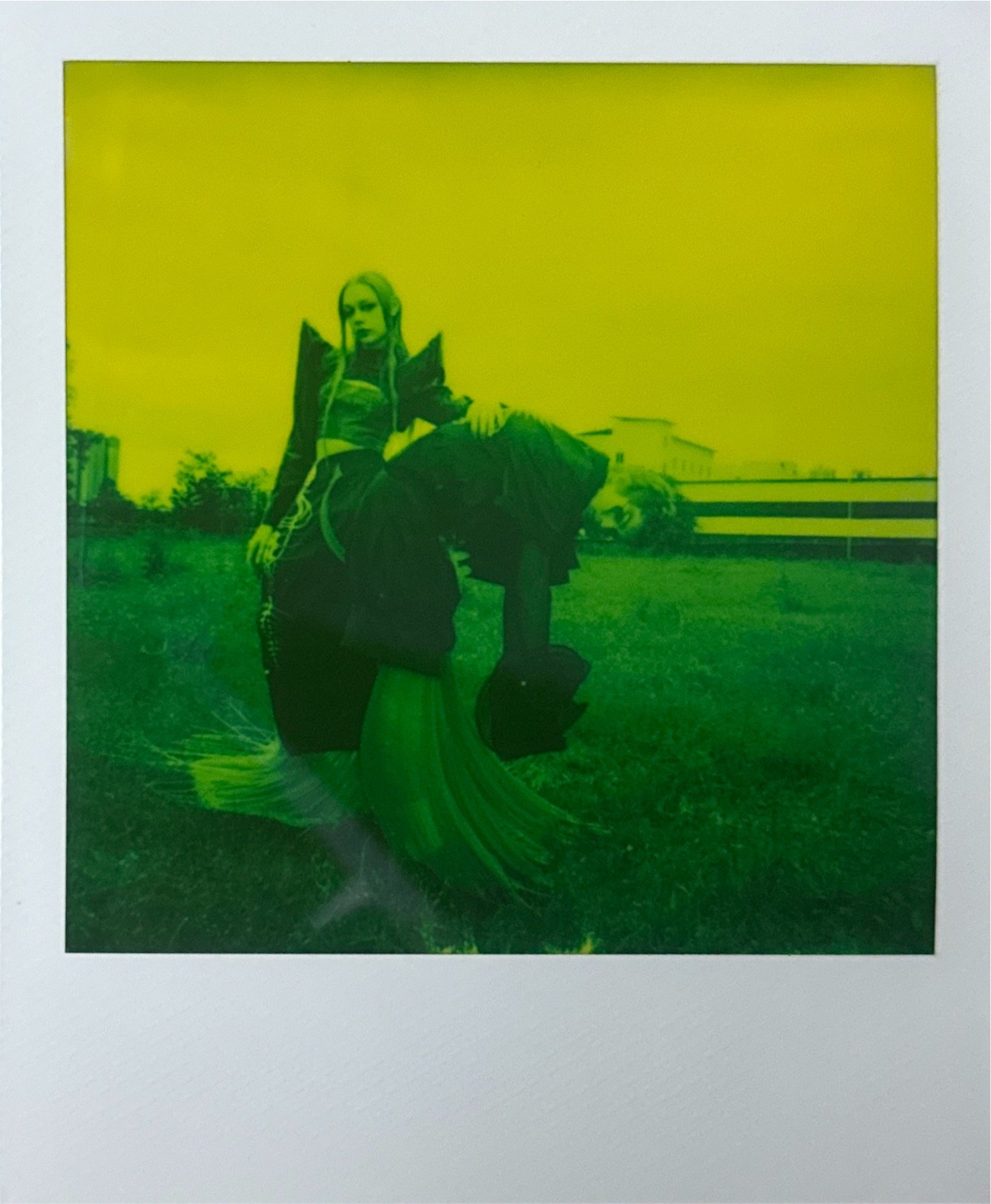
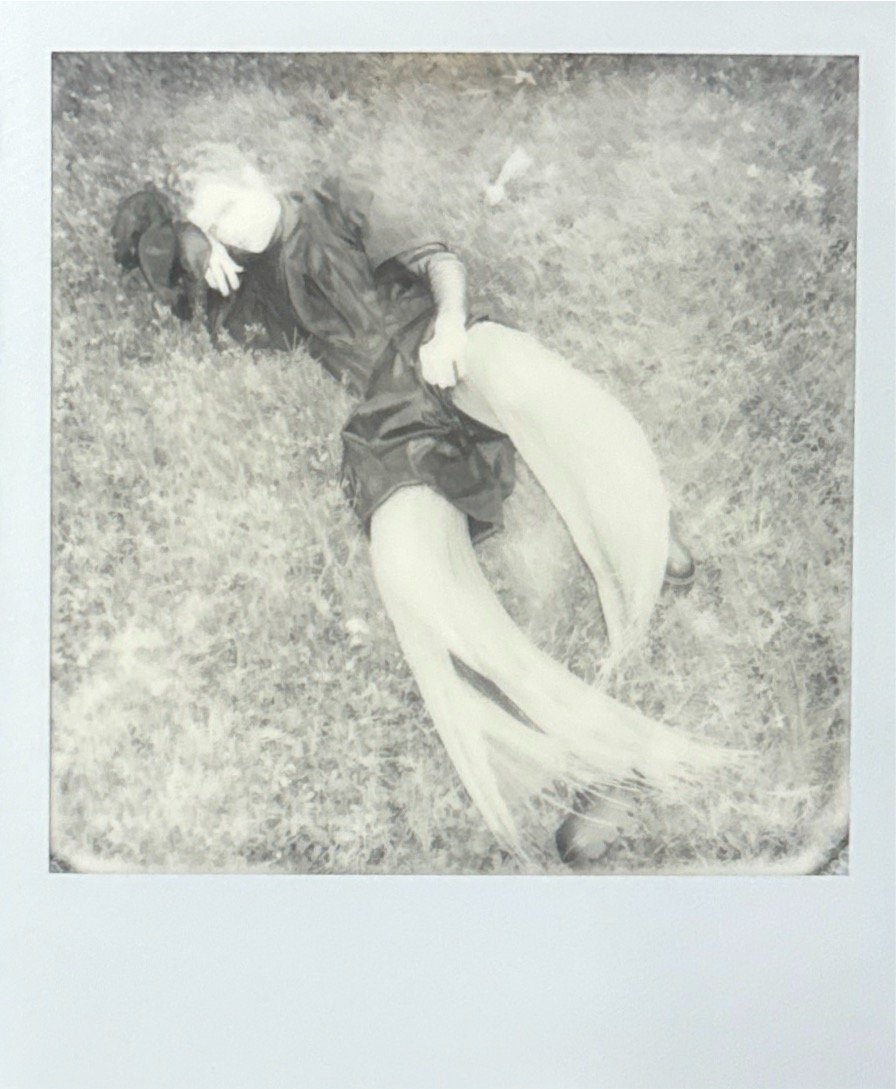
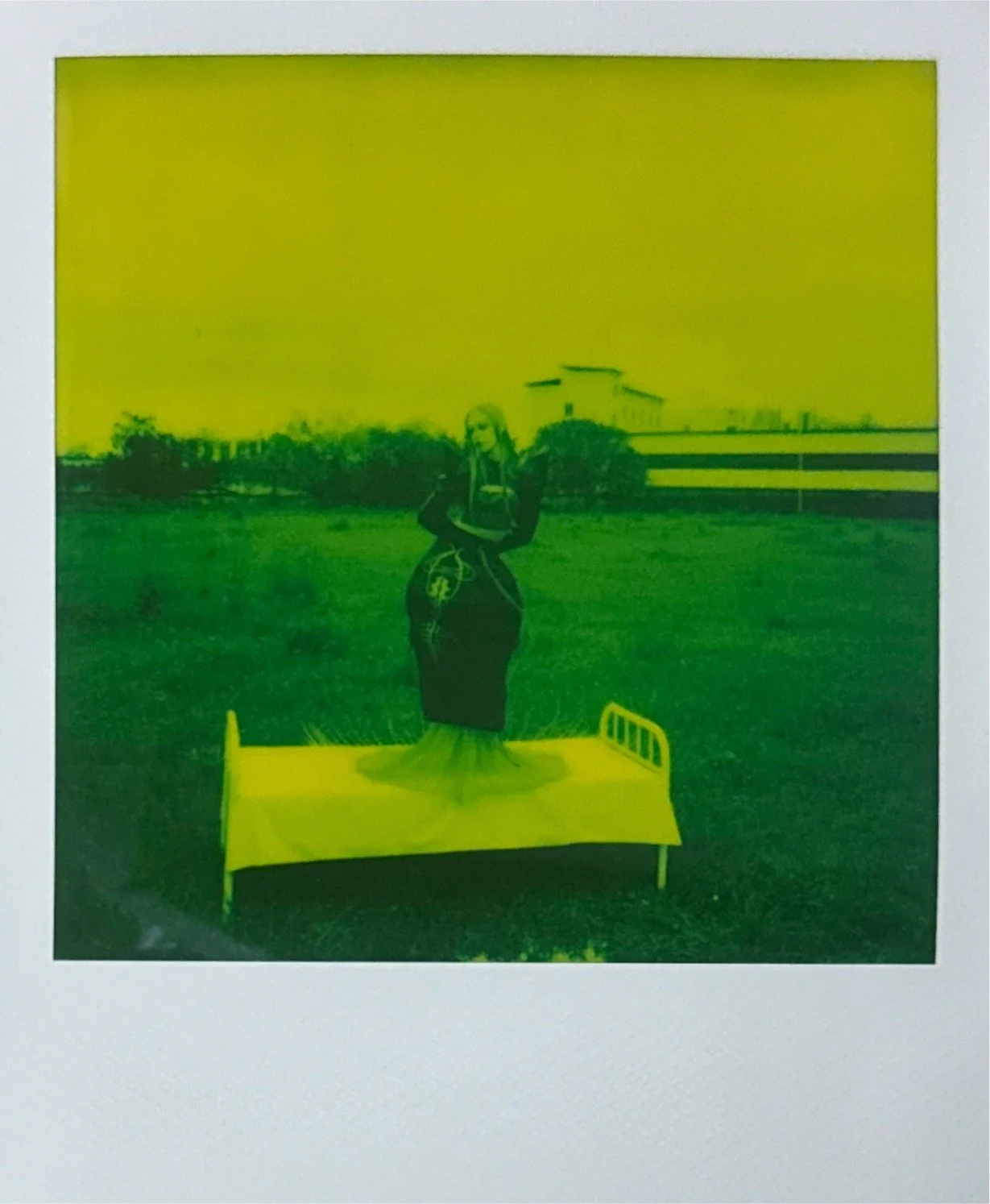
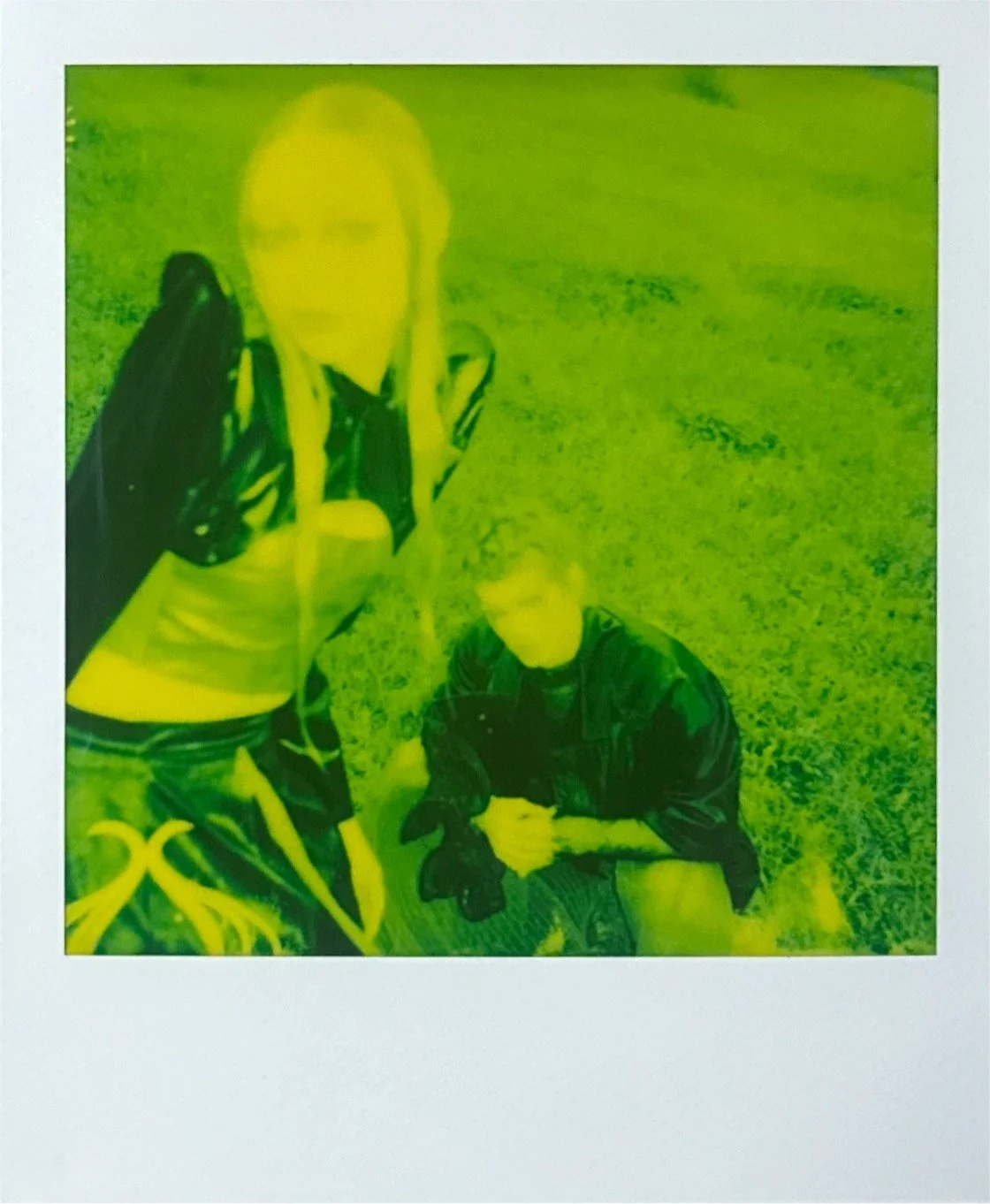
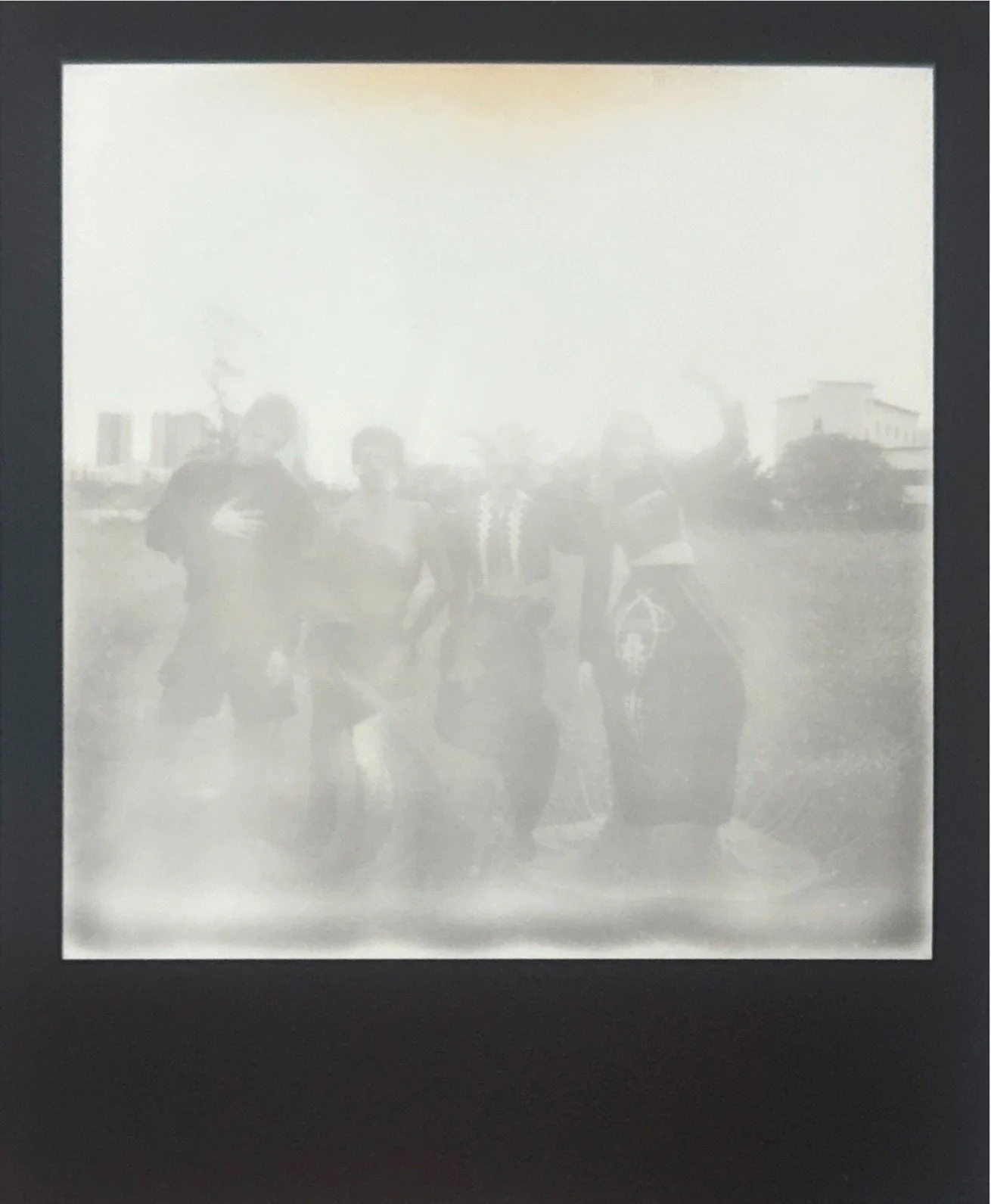
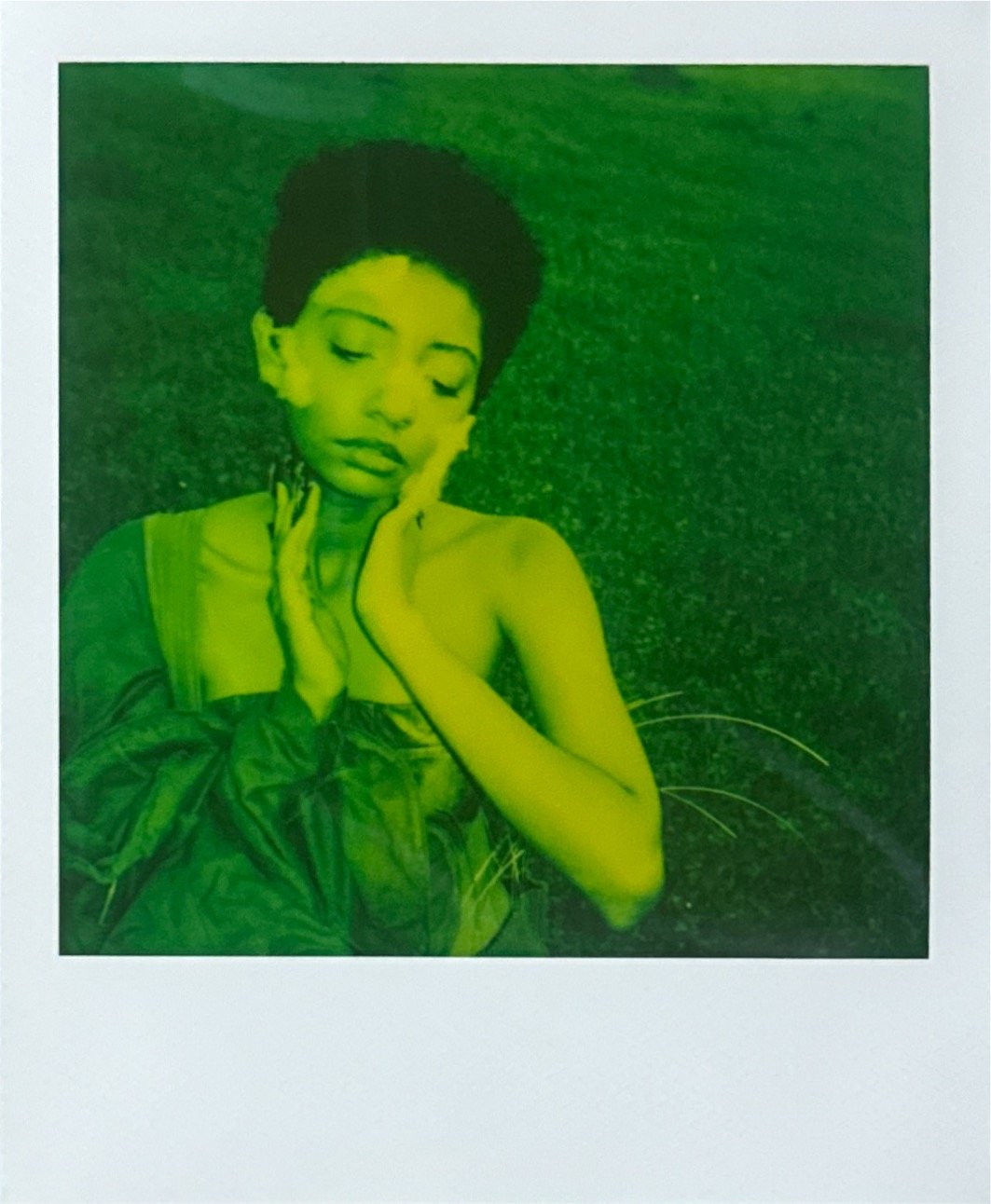
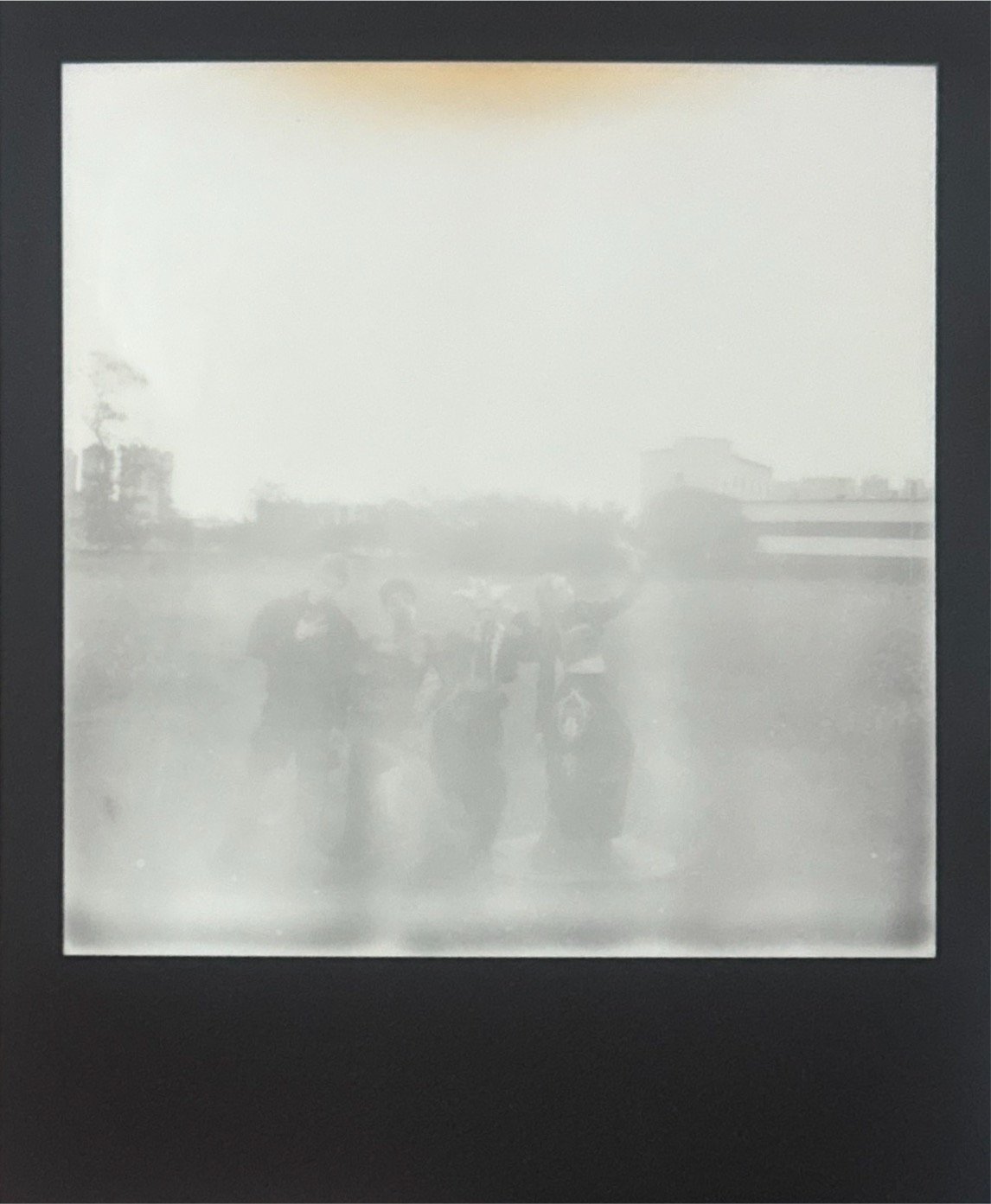
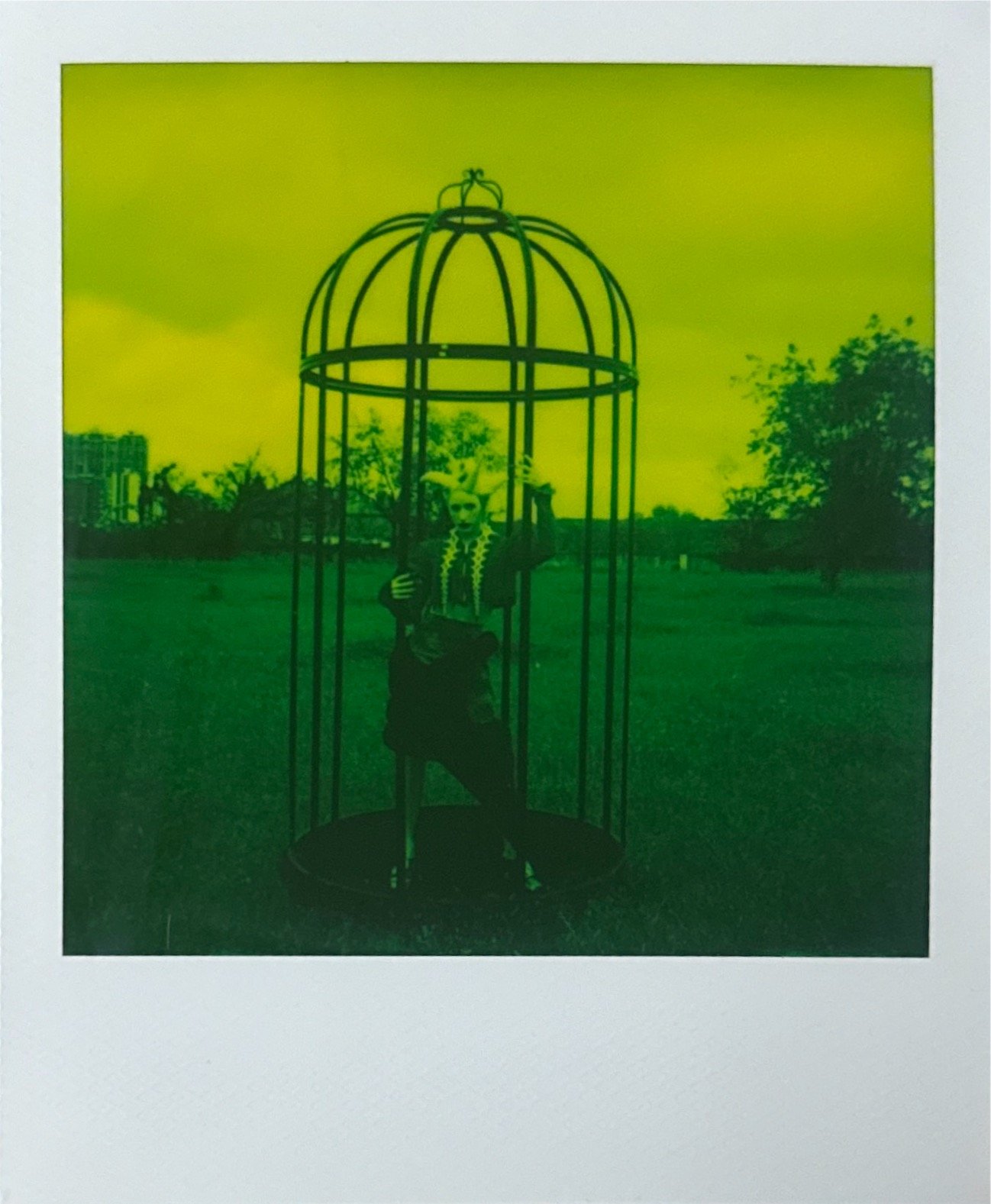
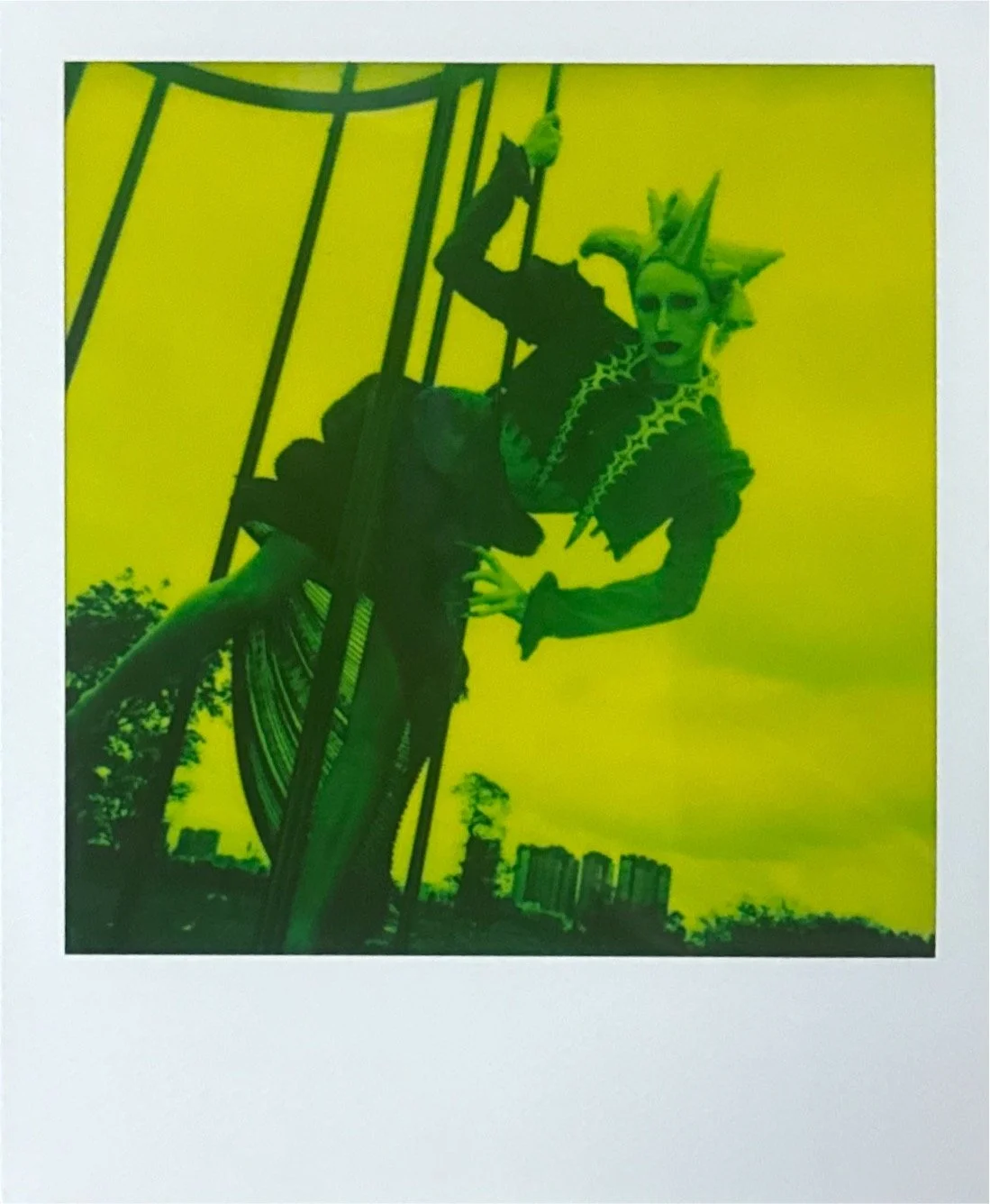
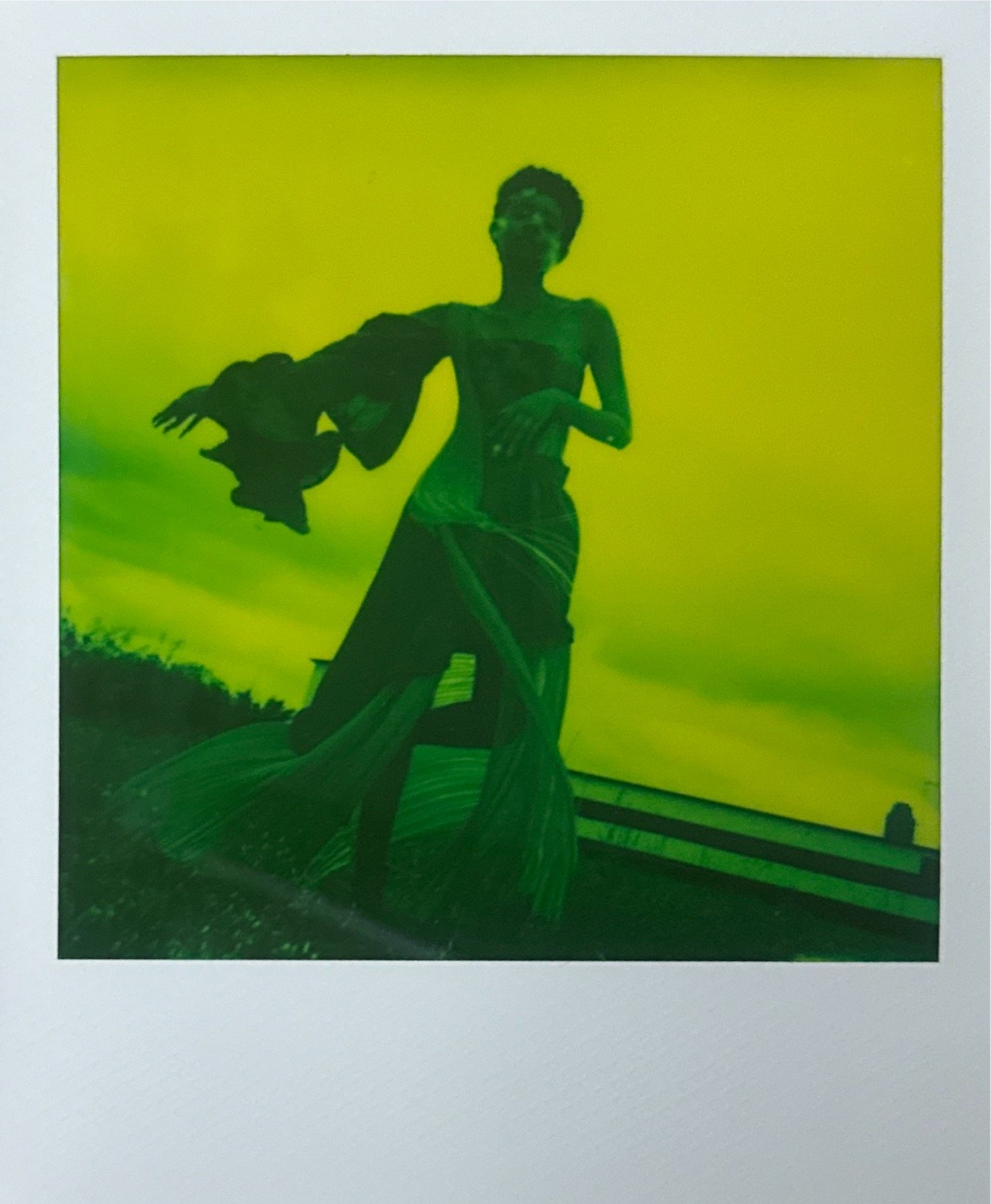
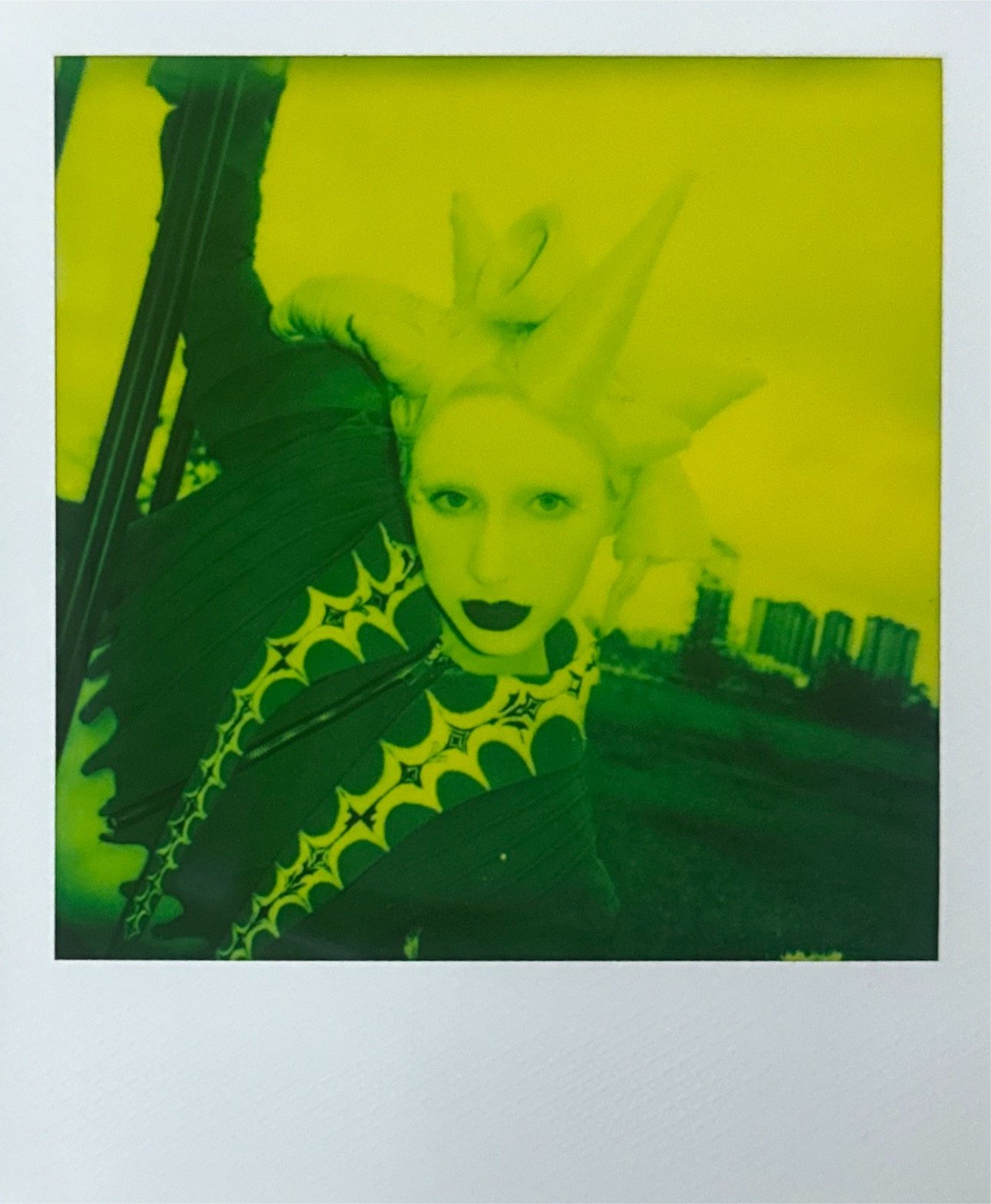
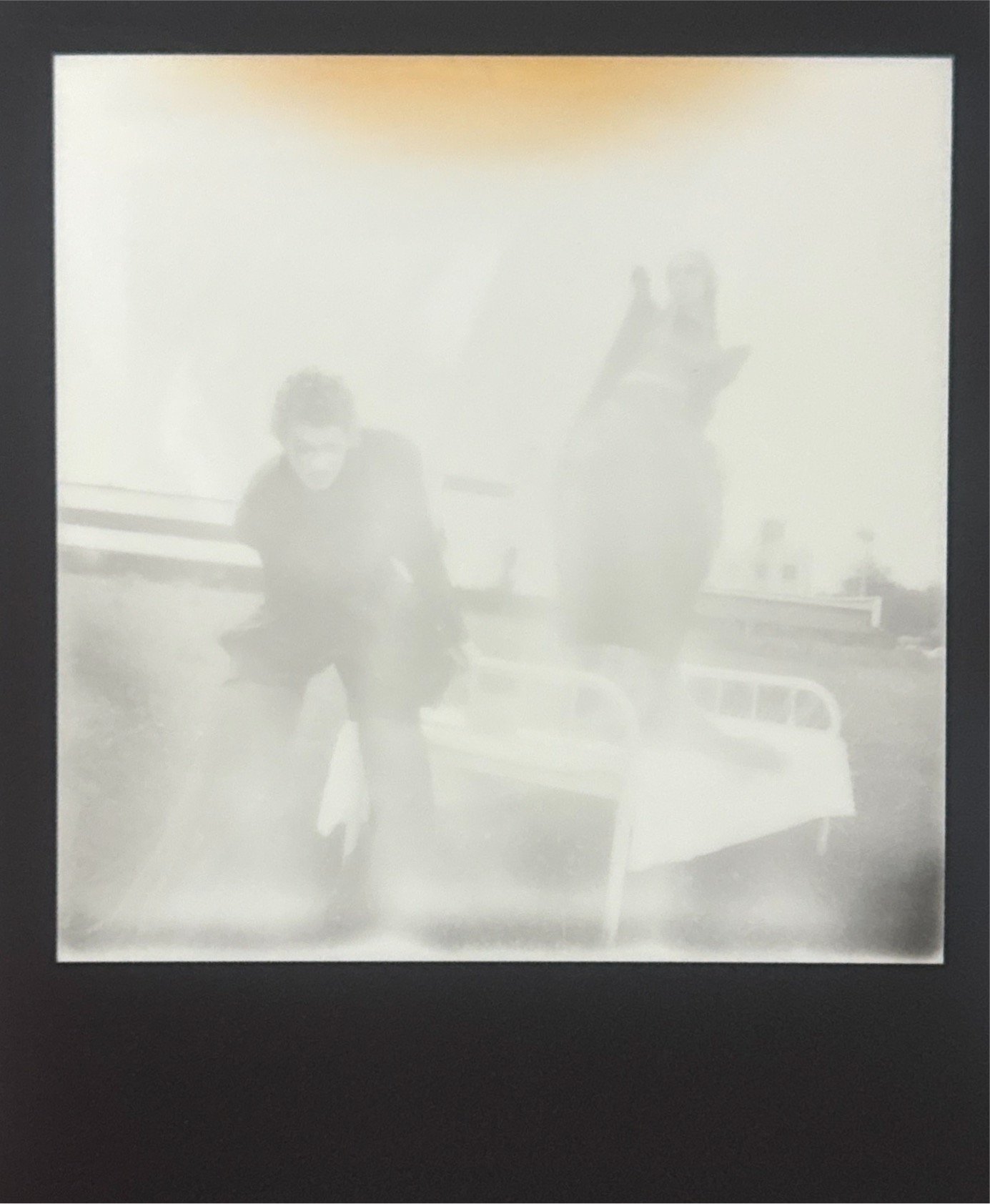
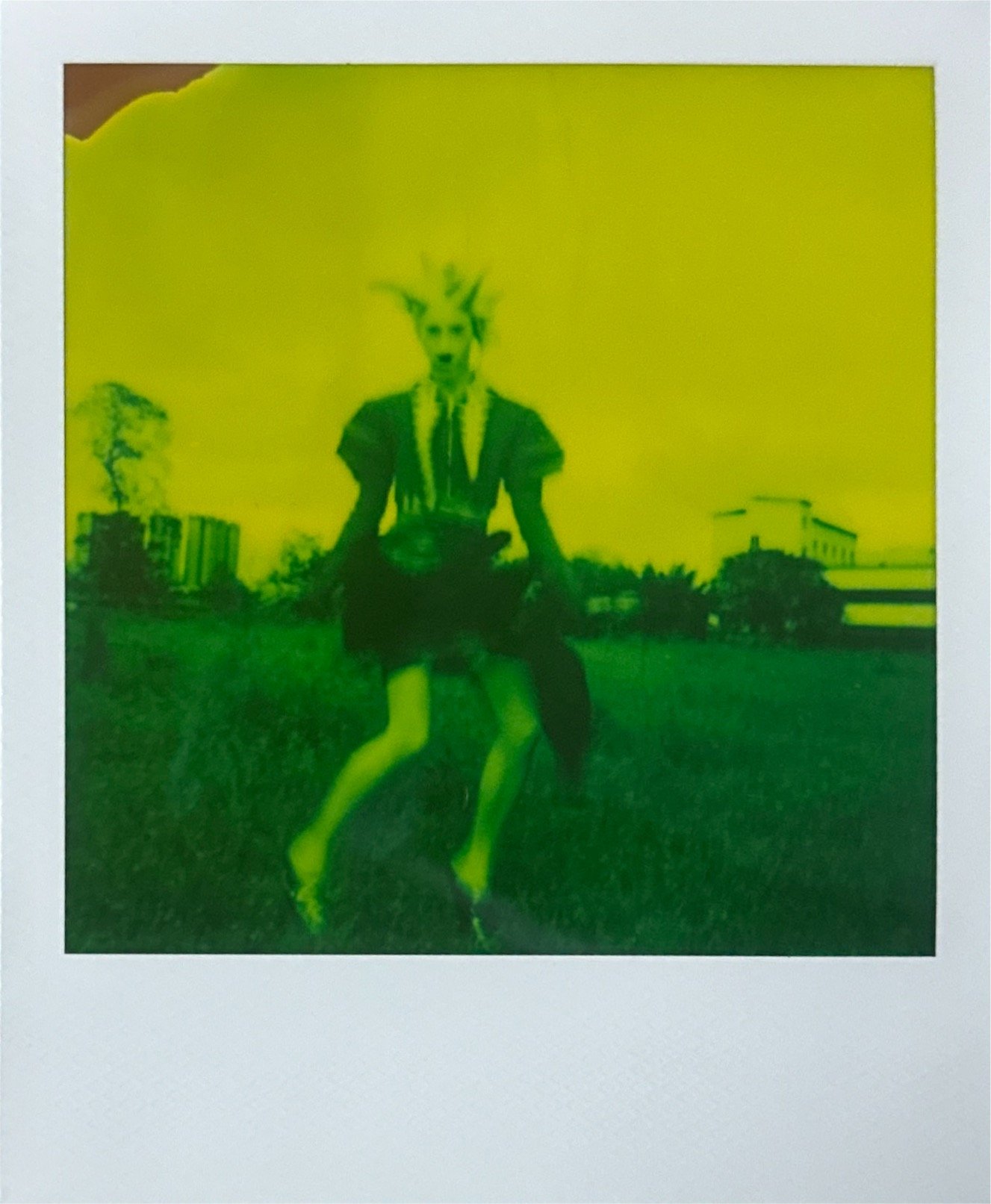
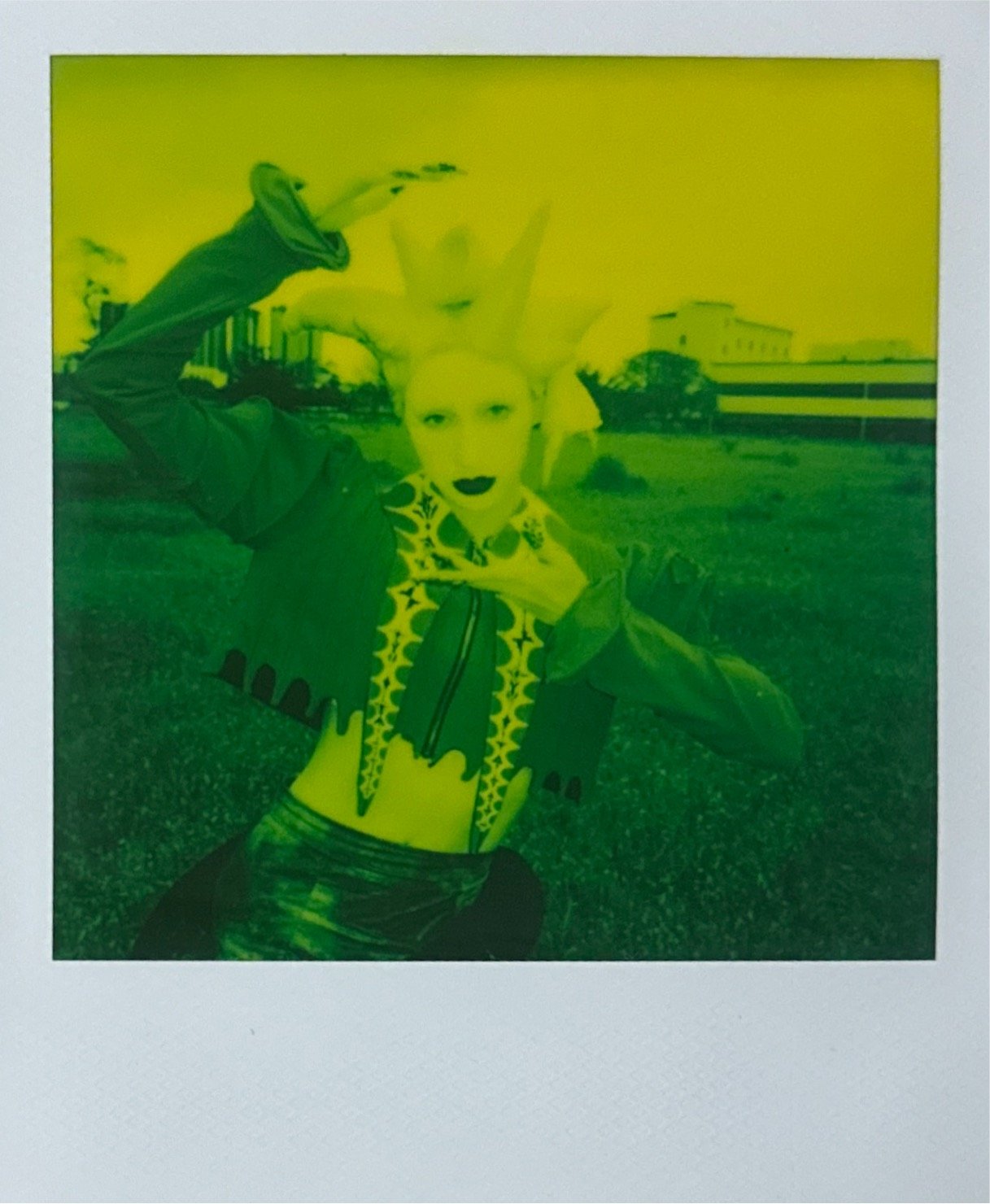
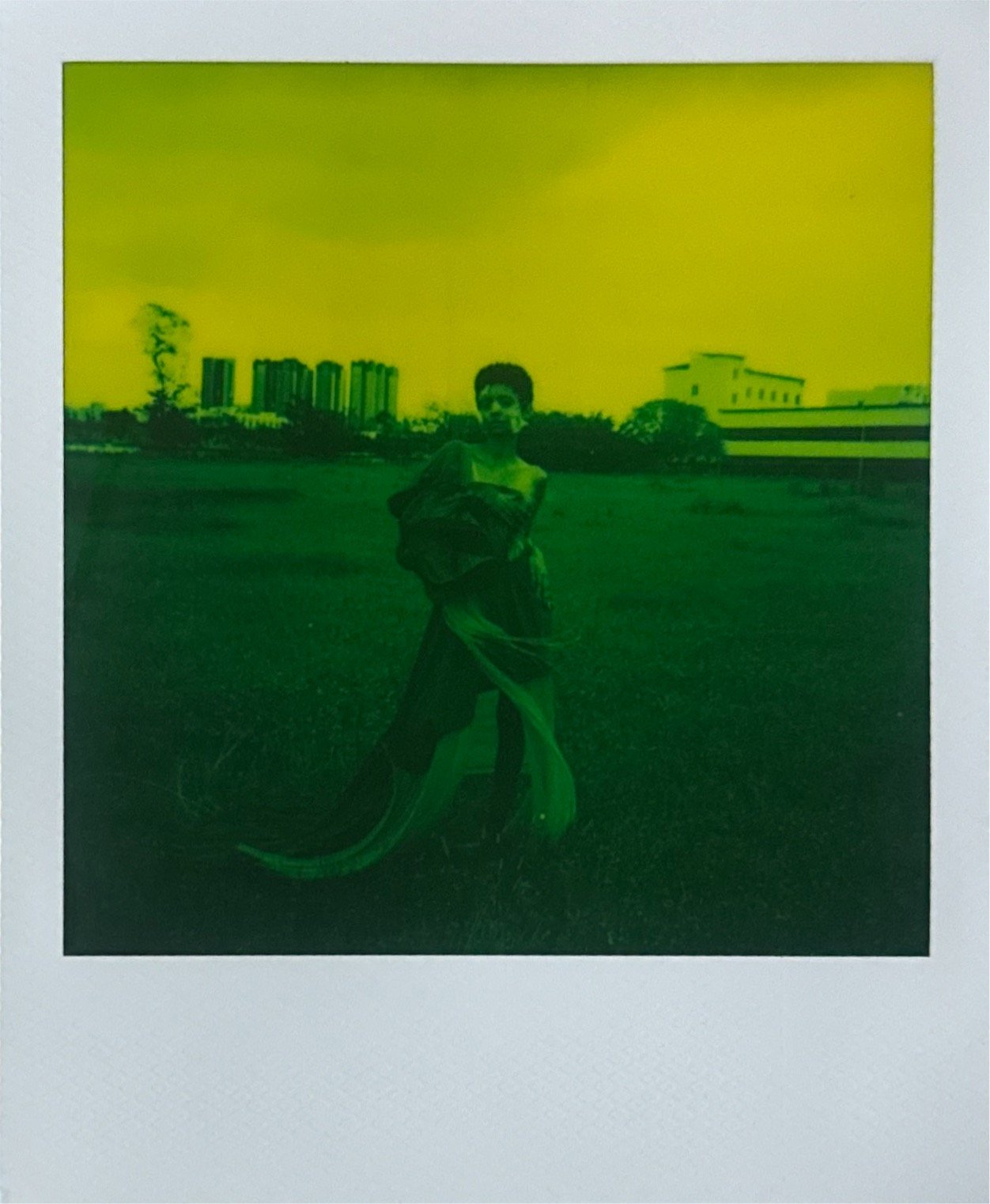
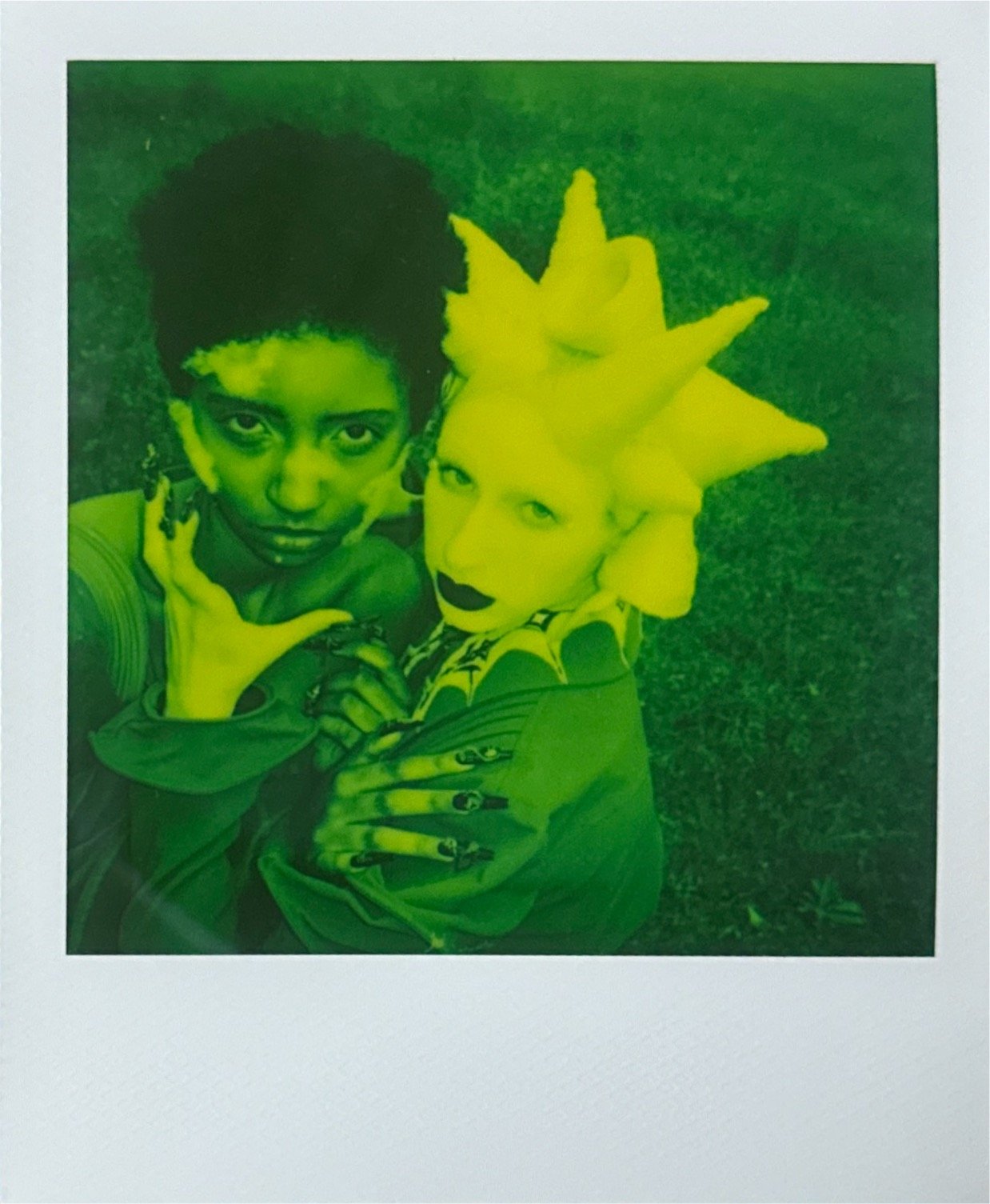
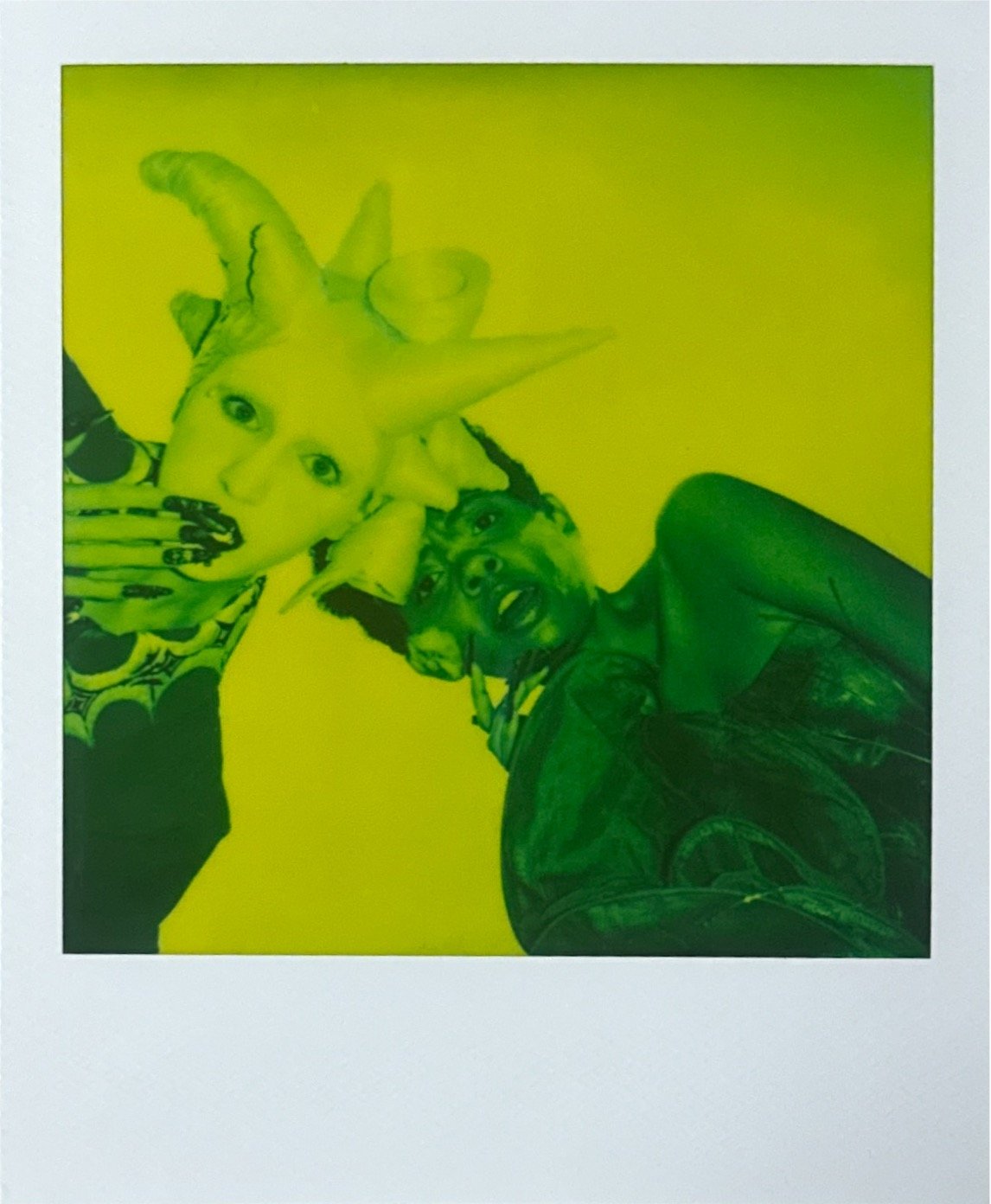
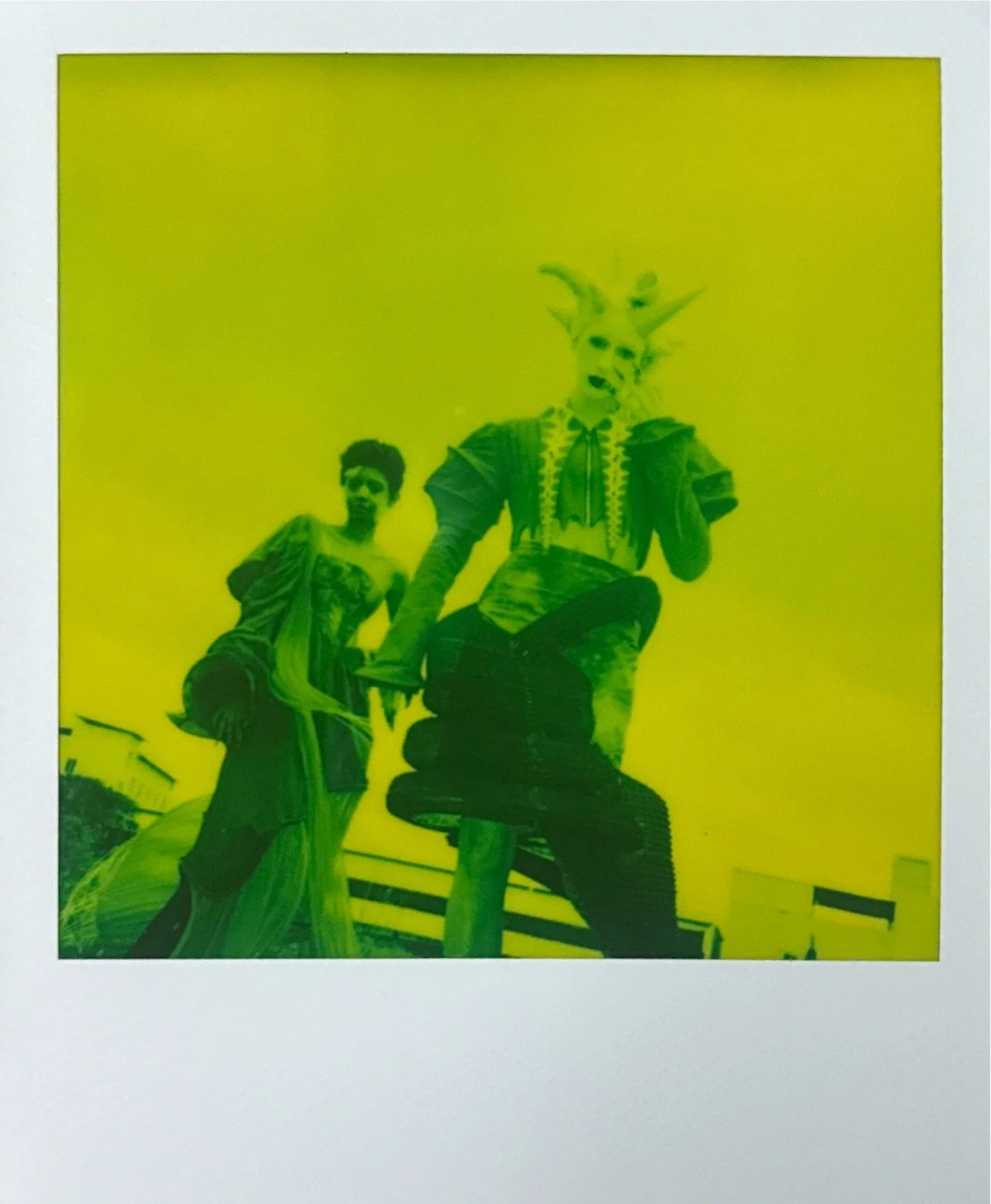
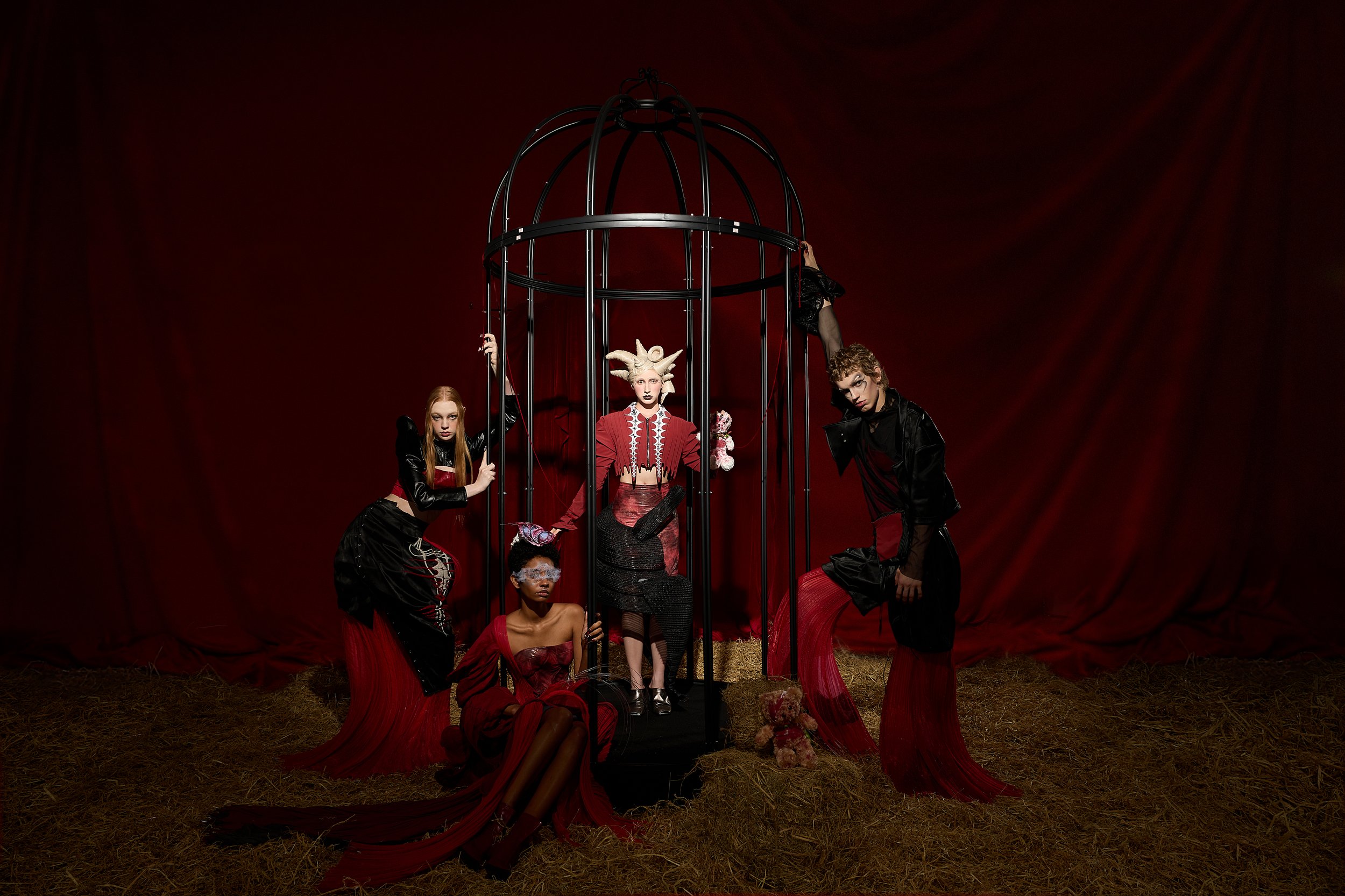
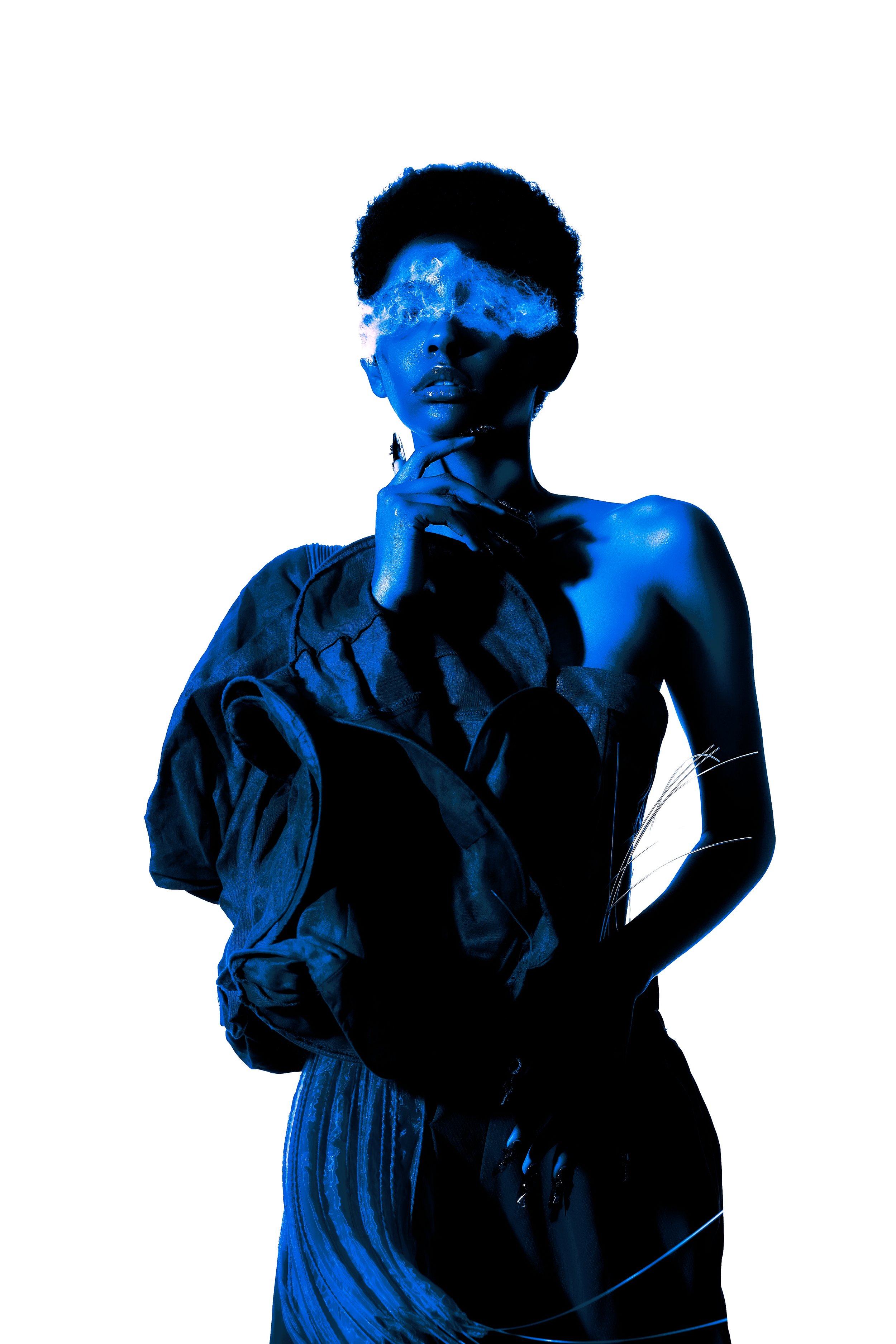
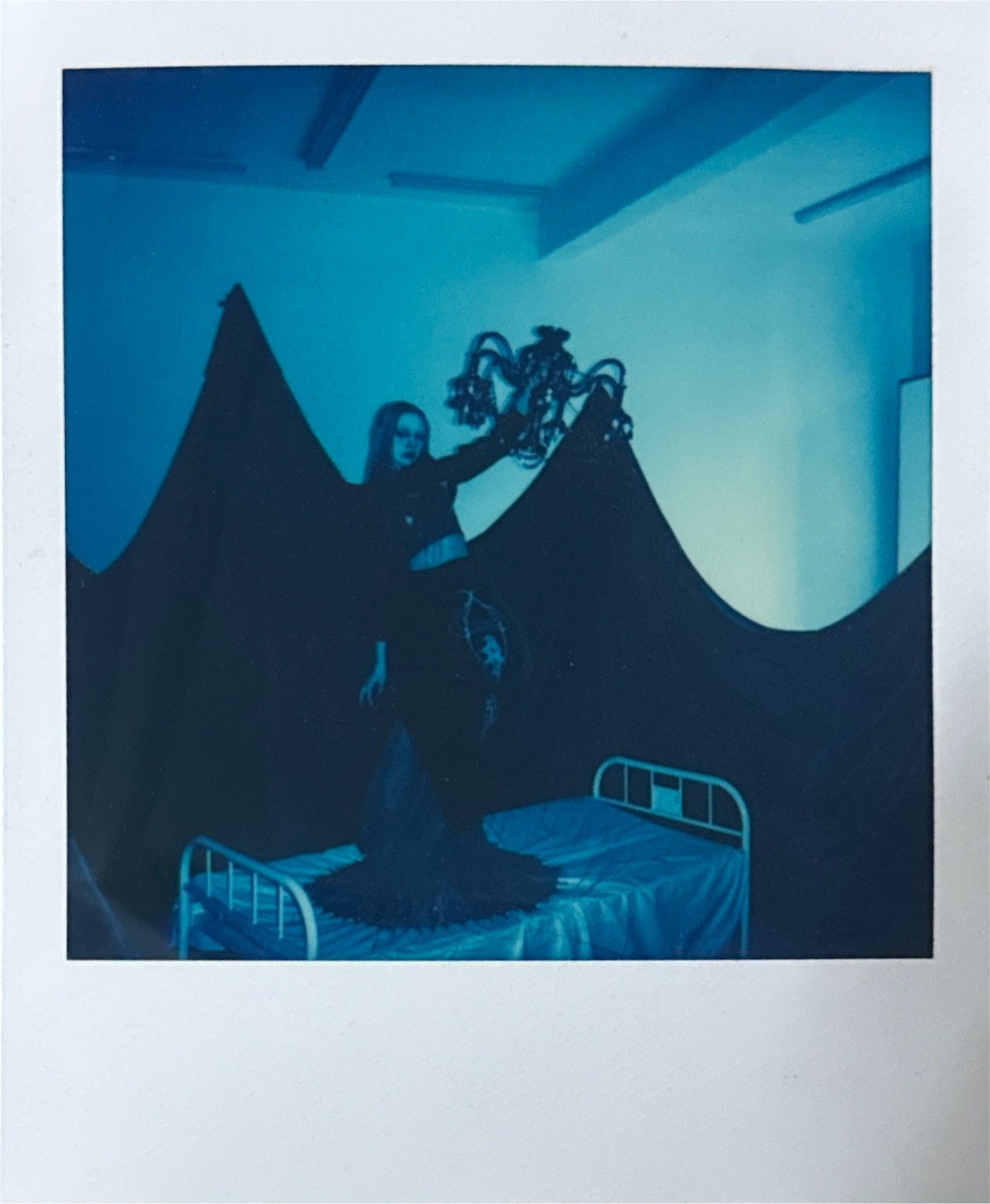
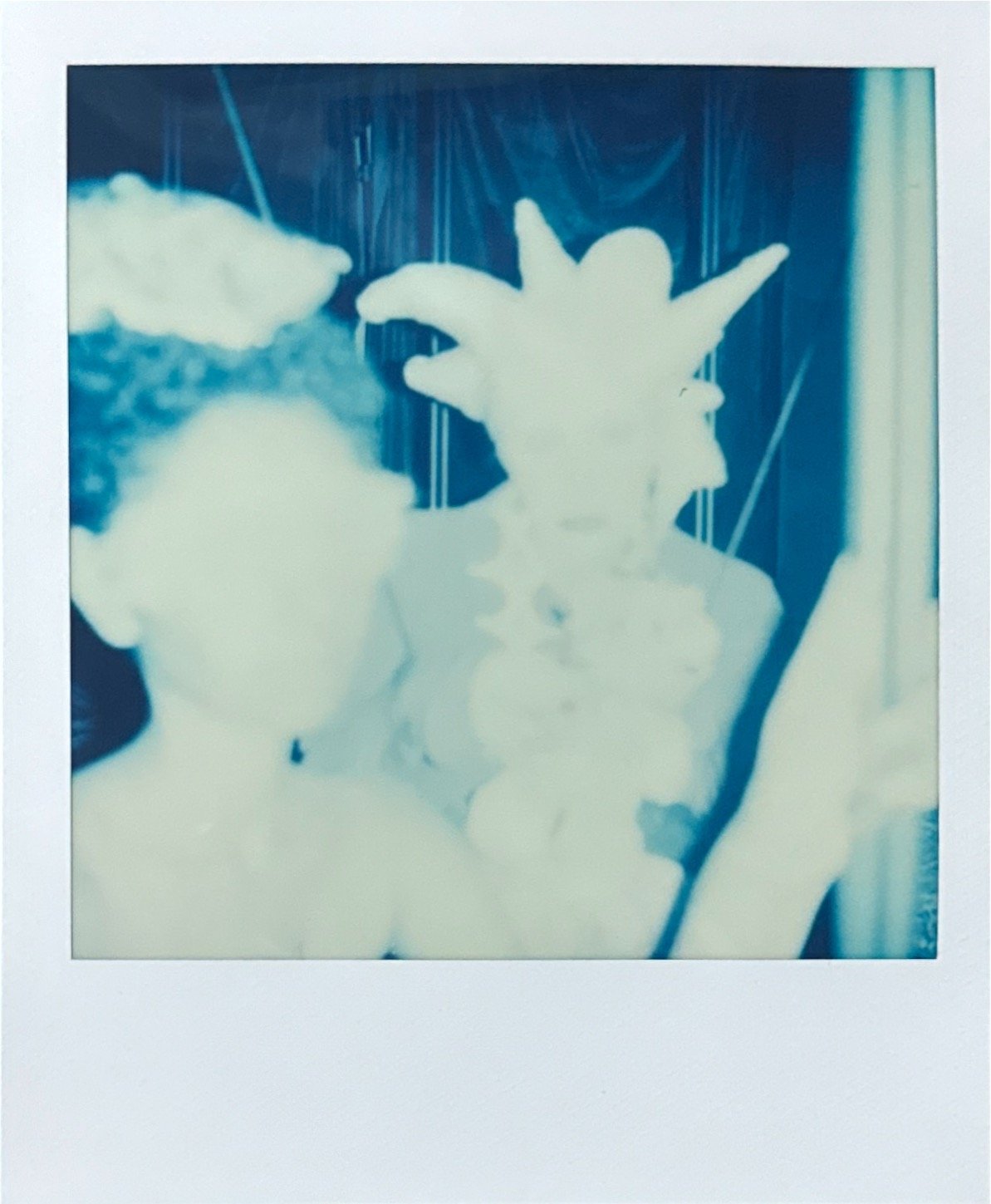
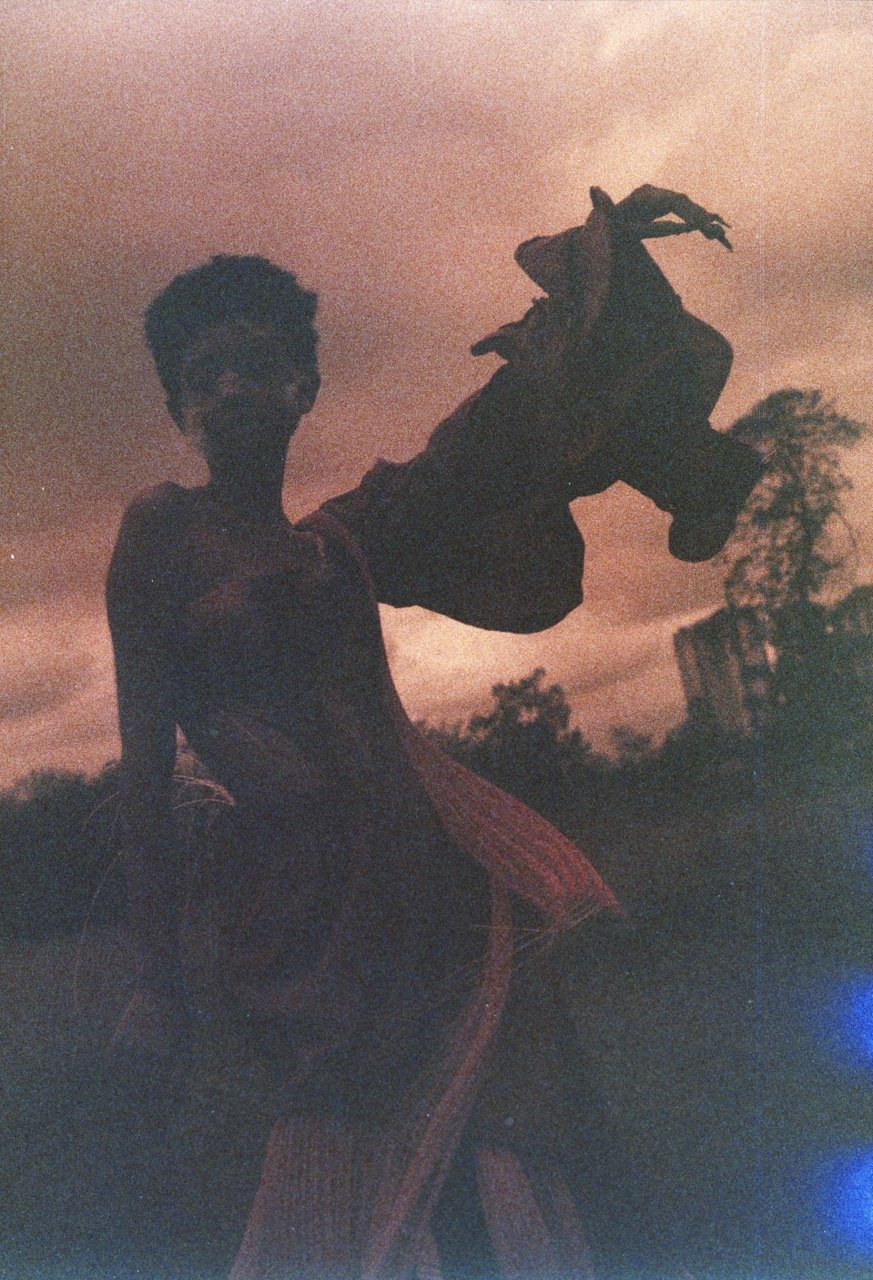
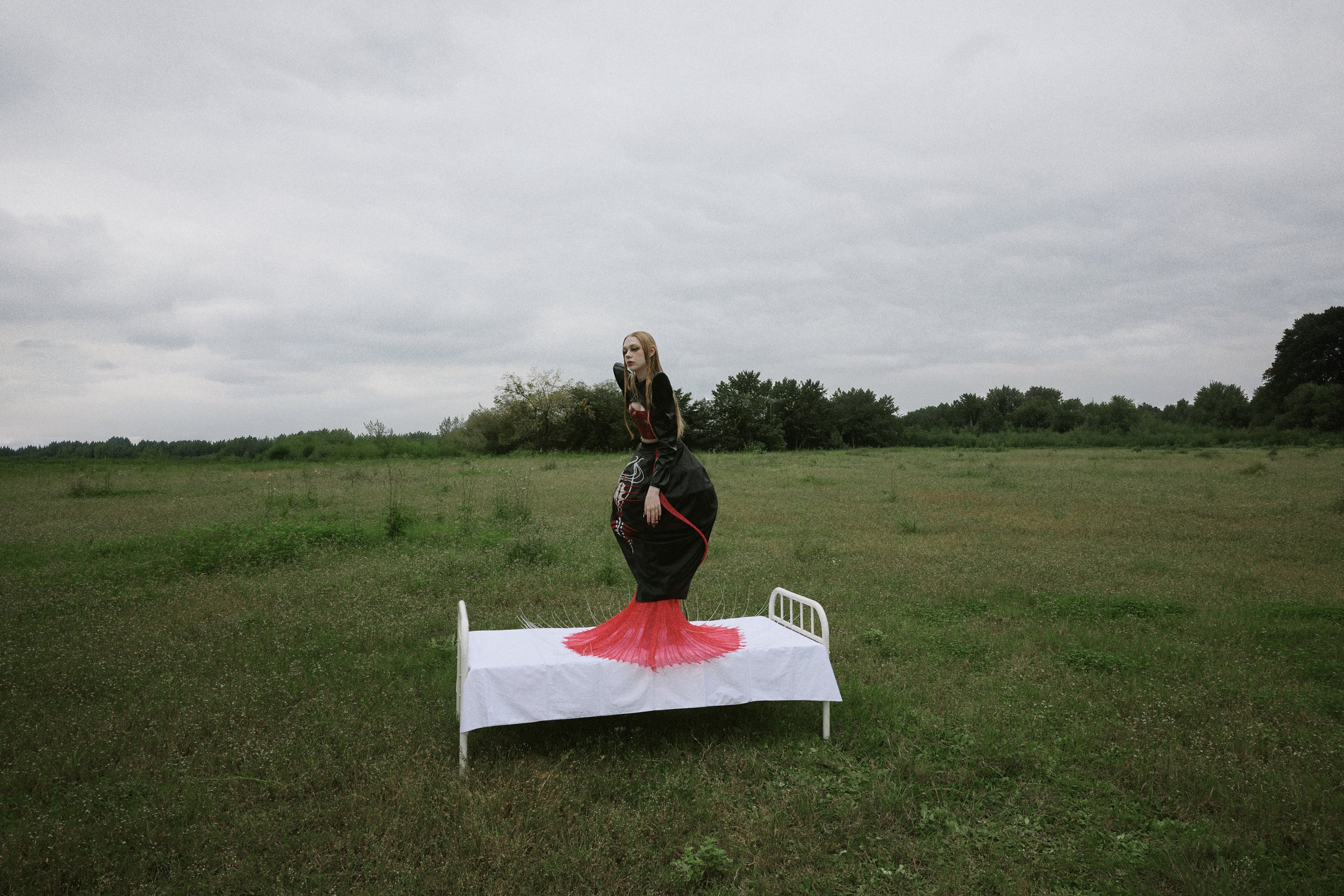
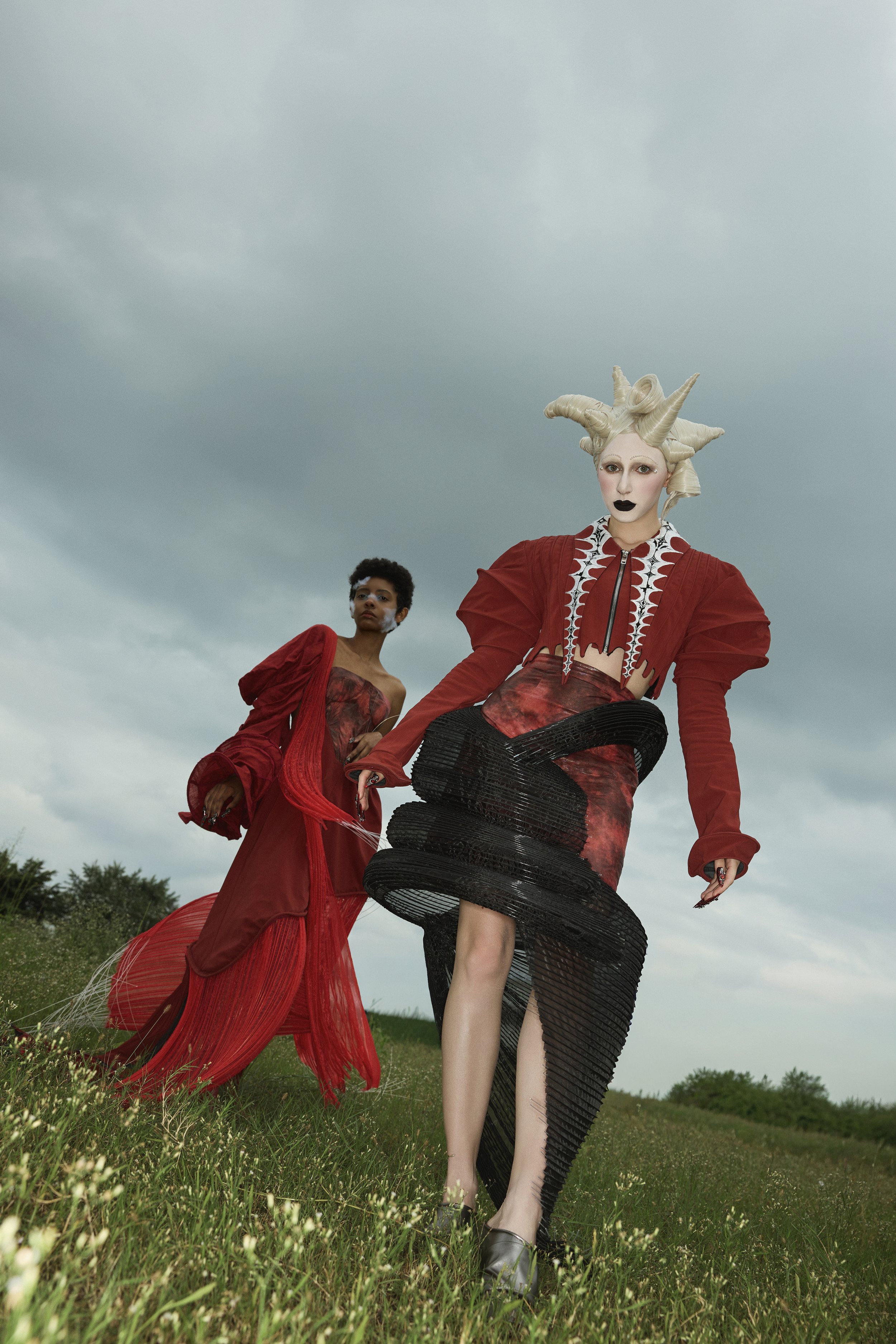
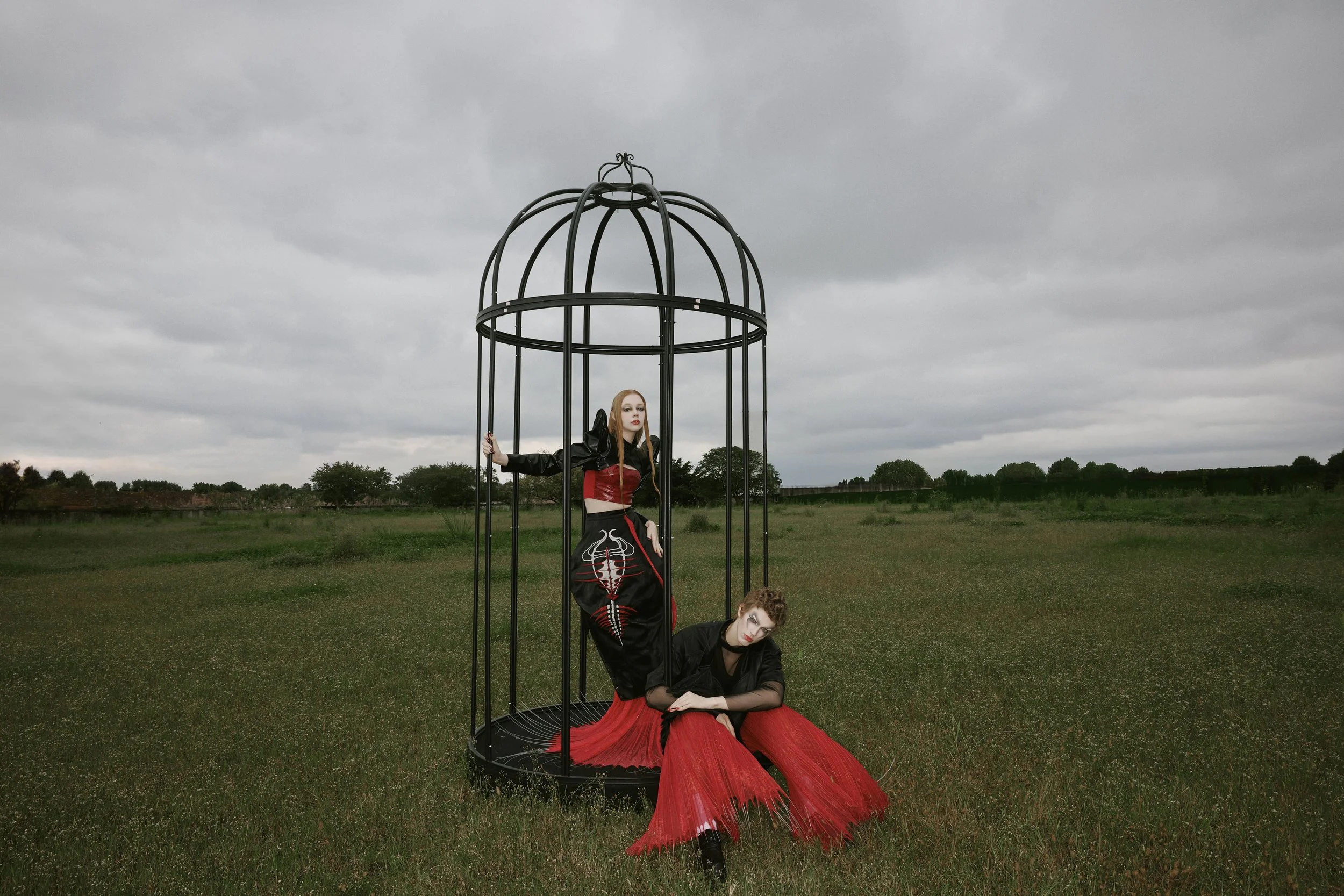
The series constructs a contrast between studio and location: the studio functions as a stage, emphasizing the structural and sculptural qualities of costume, while the outdoor scenes simulate the dispersal after a show, placing the body in unfamiliar, absurd settings where it appears displaced and out of sync. Through this deliberate dislocation, the work investigates the fading and transformation of time, identity, and desire.
本项目灵感来源于“片尾字幕”与“谢幕”这一时刻。舞台剧或电影结束后,角色逐渐退场,观众的目光从具体的身体转移到名字、符号与记忆。服装在此过程中不再仅仅是身体的装饰,而成为一种雕塑般的外壳,见证着能量的消散与身份的模糊。
本组作品尝试在棚内与外景之间建立对比:棚内作为舞台,强调服装的结构性与雕塑感;外景则模拟“散场”,身体被置入陌生、荒诞的环境中,显得格格不入。通过这种错位,作品探讨时间、身份与欲望的消逝与转译。
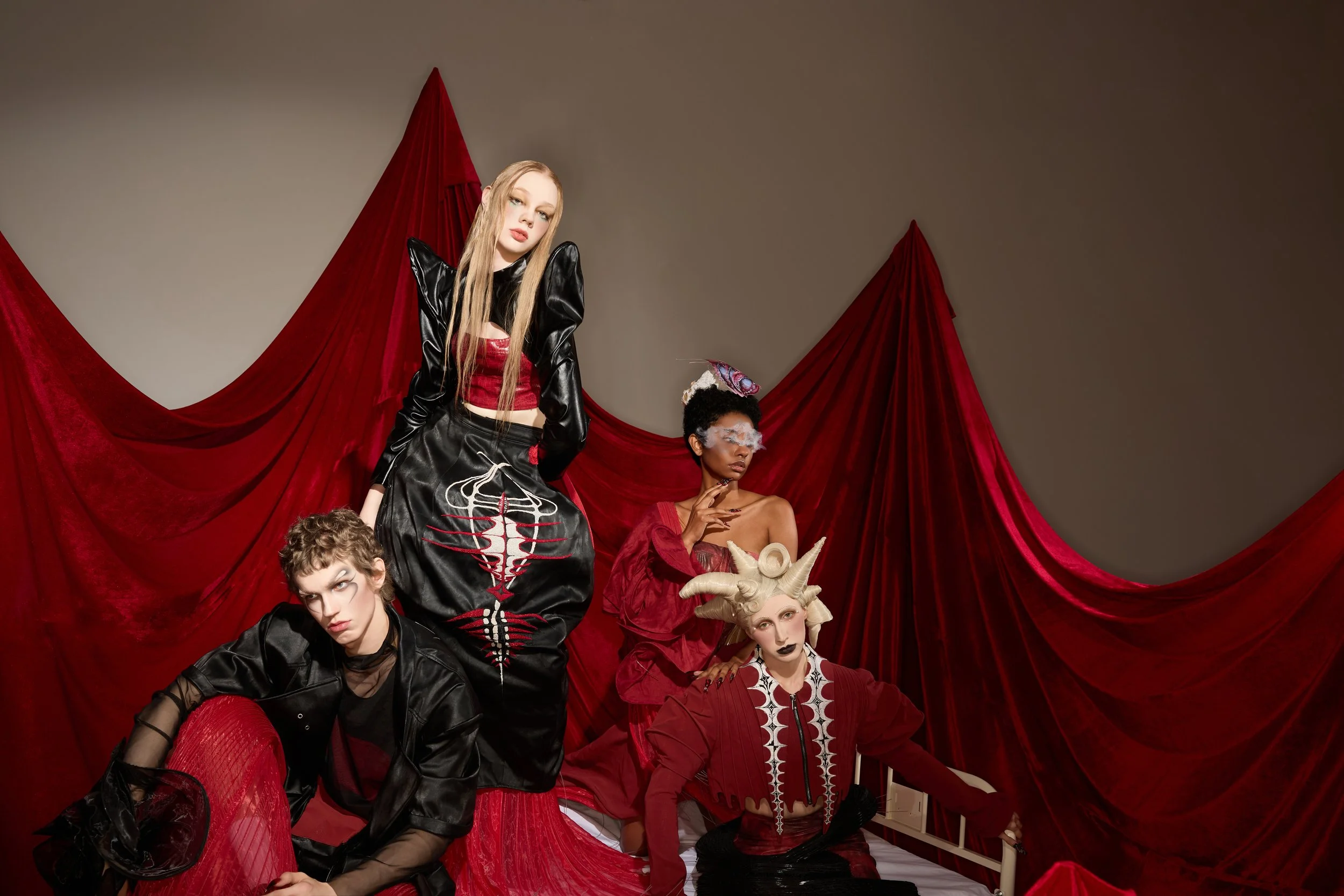
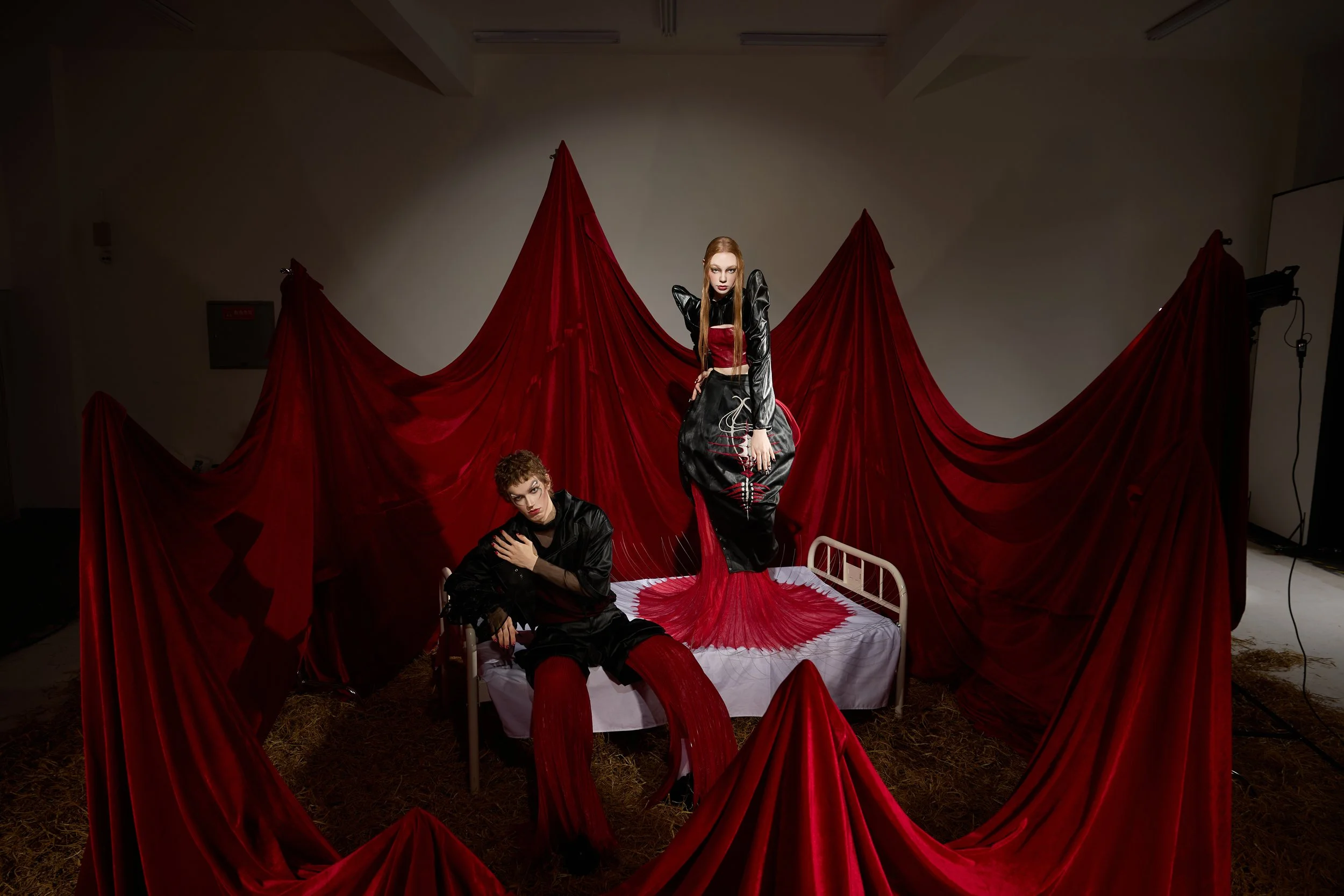
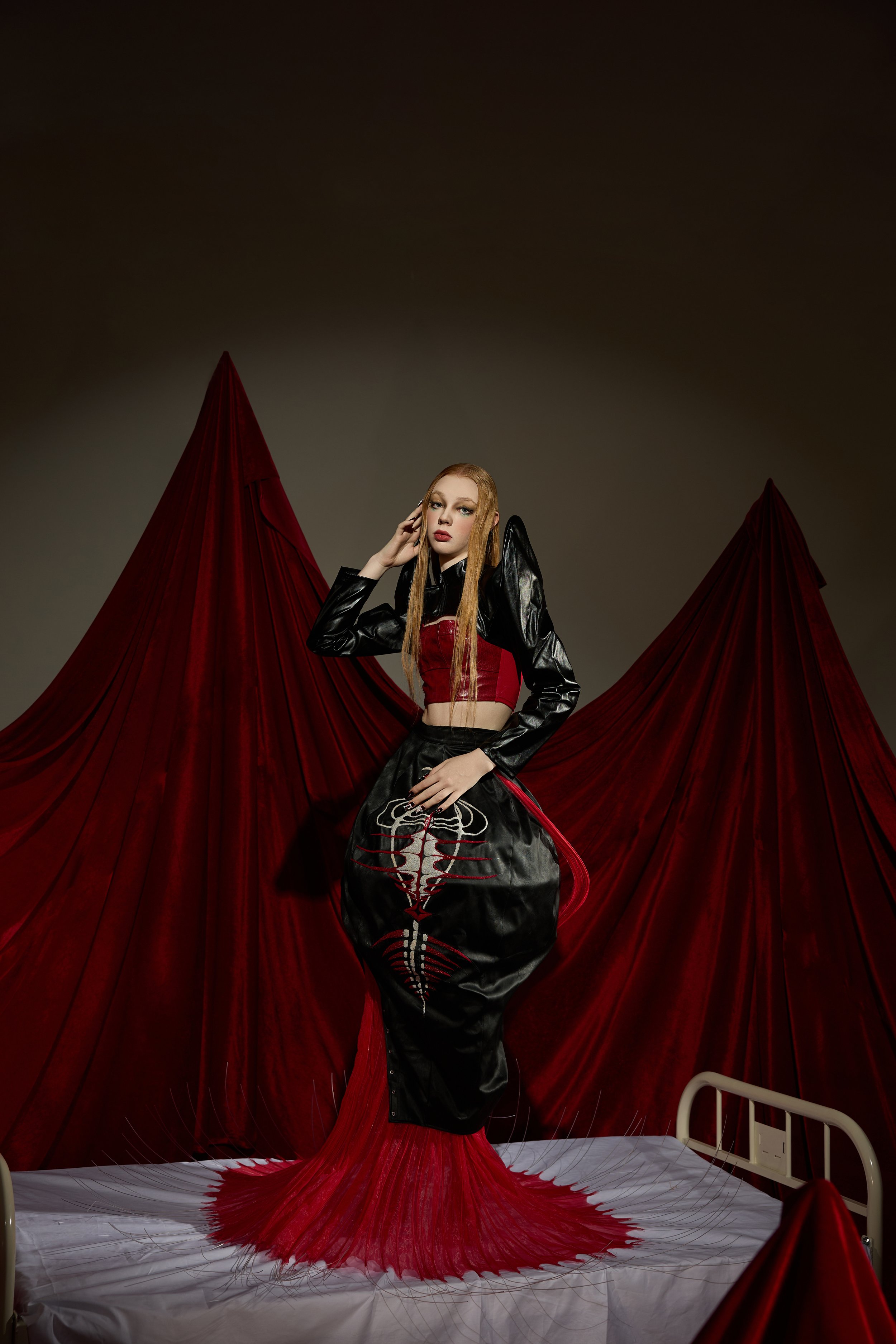
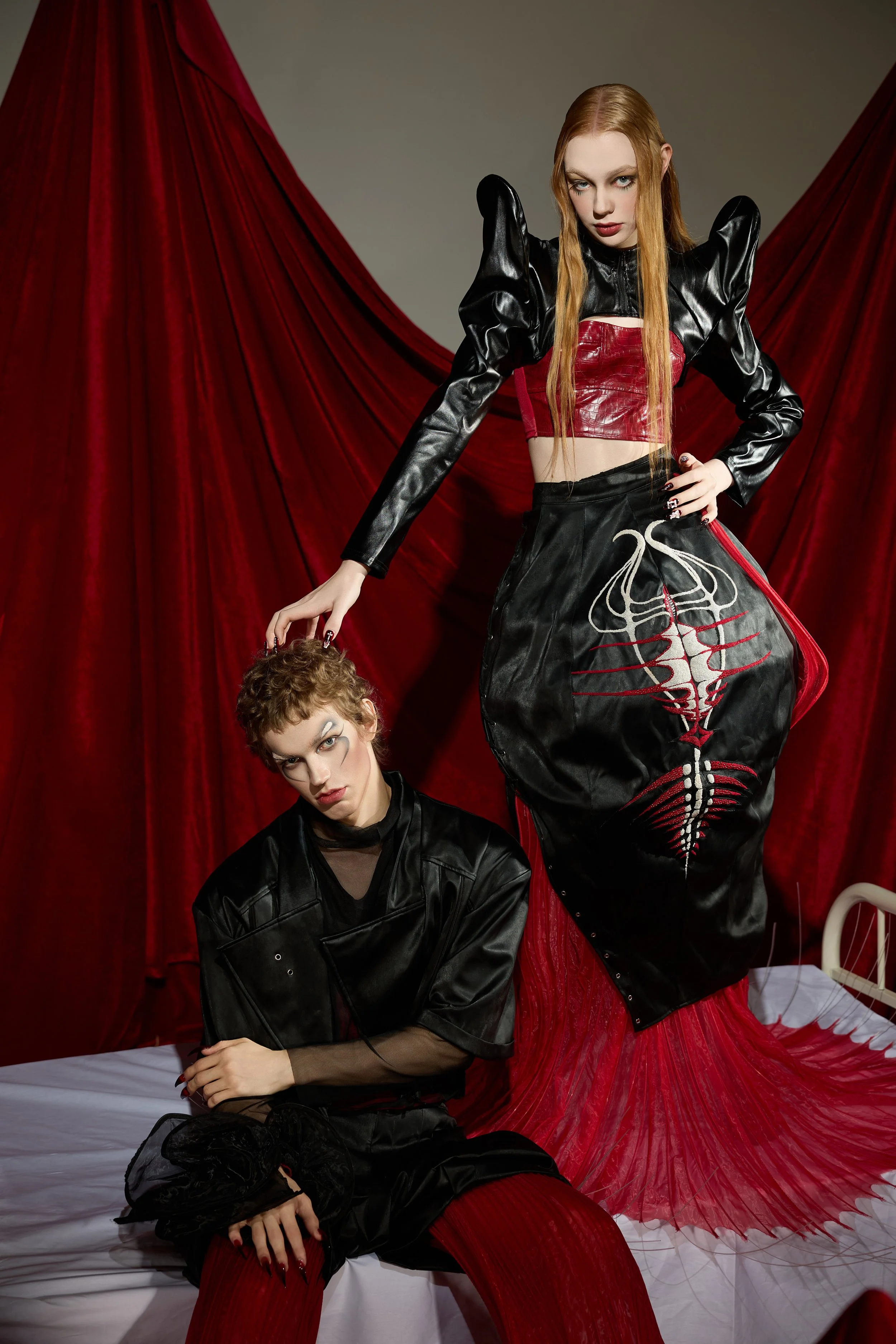
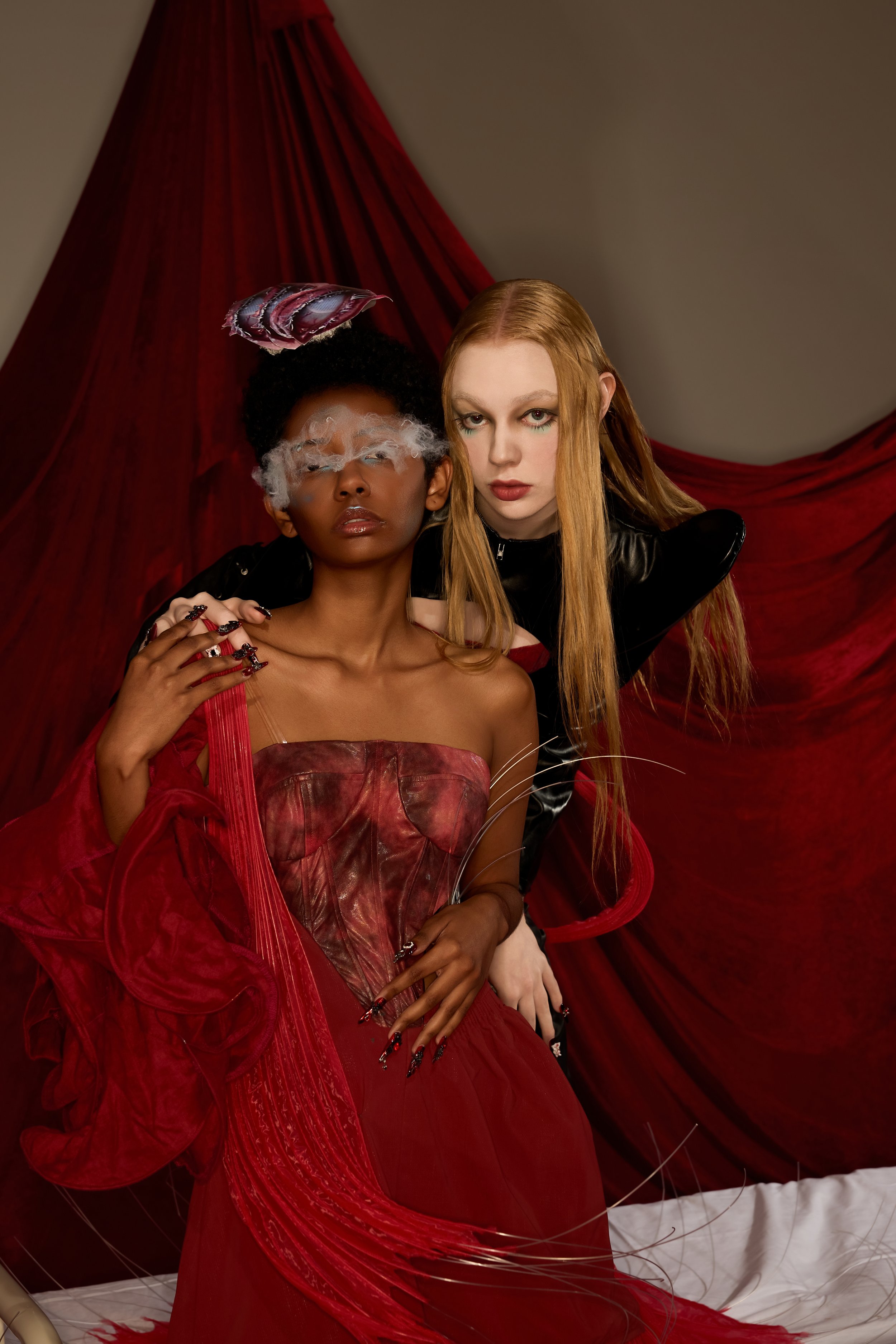
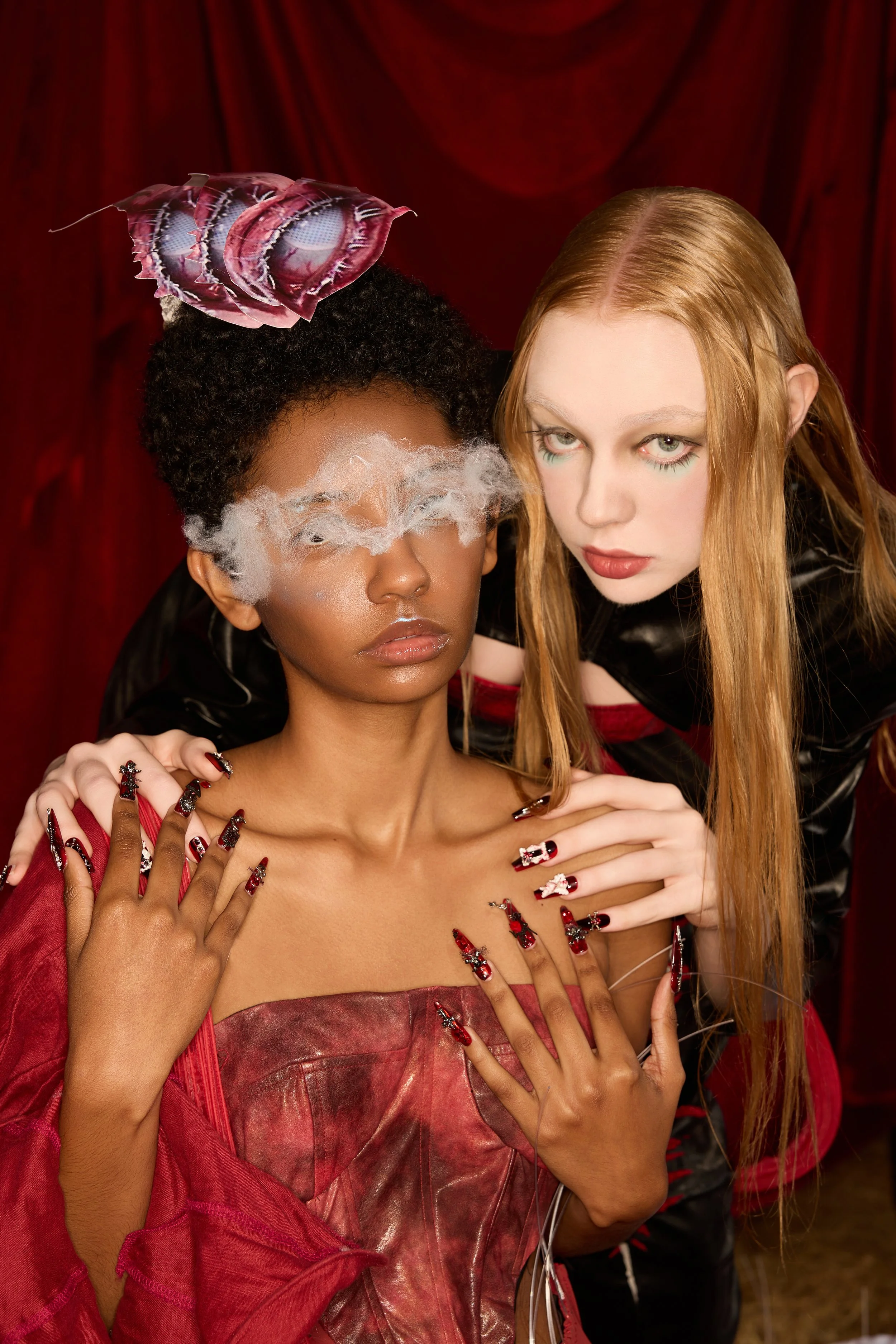
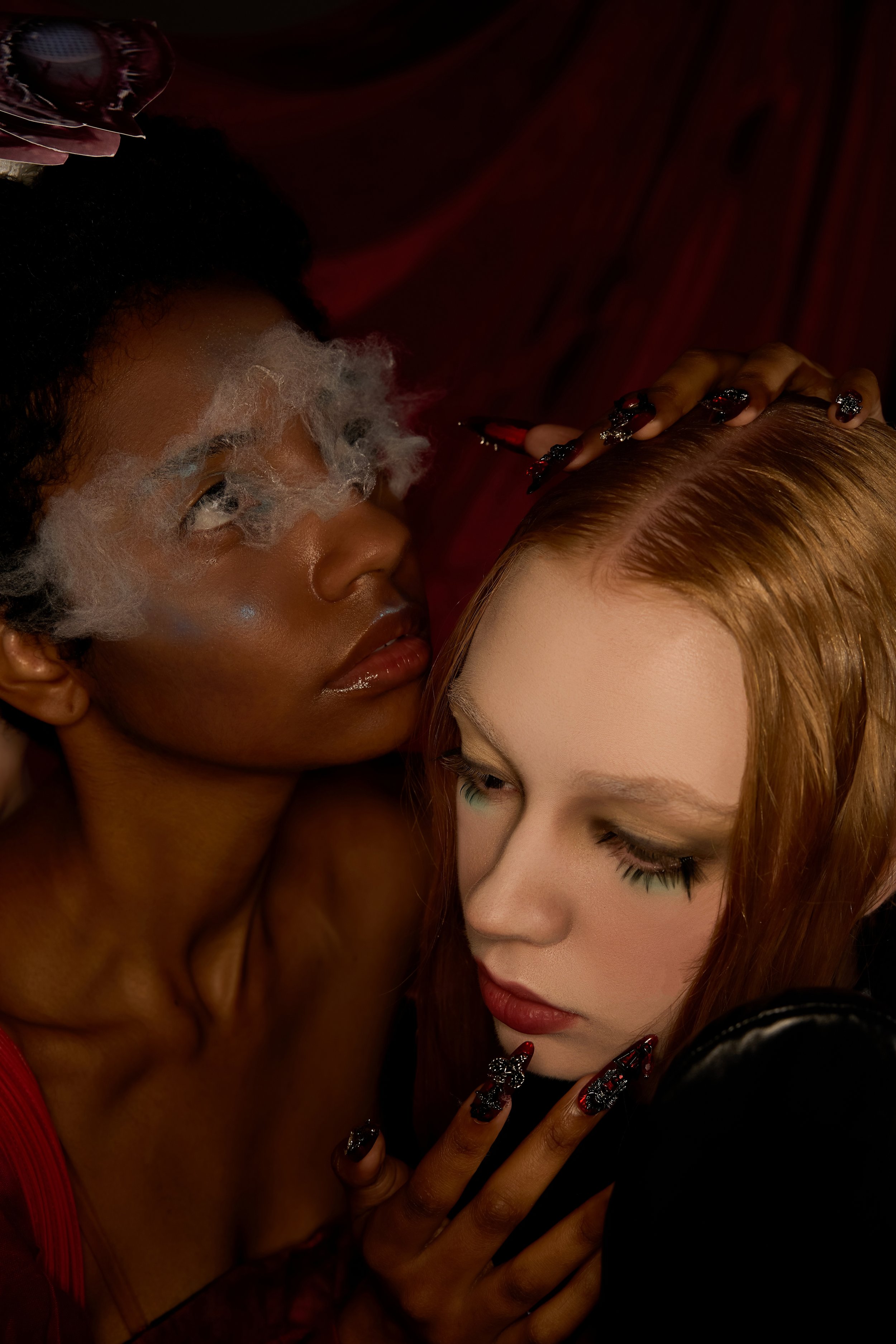
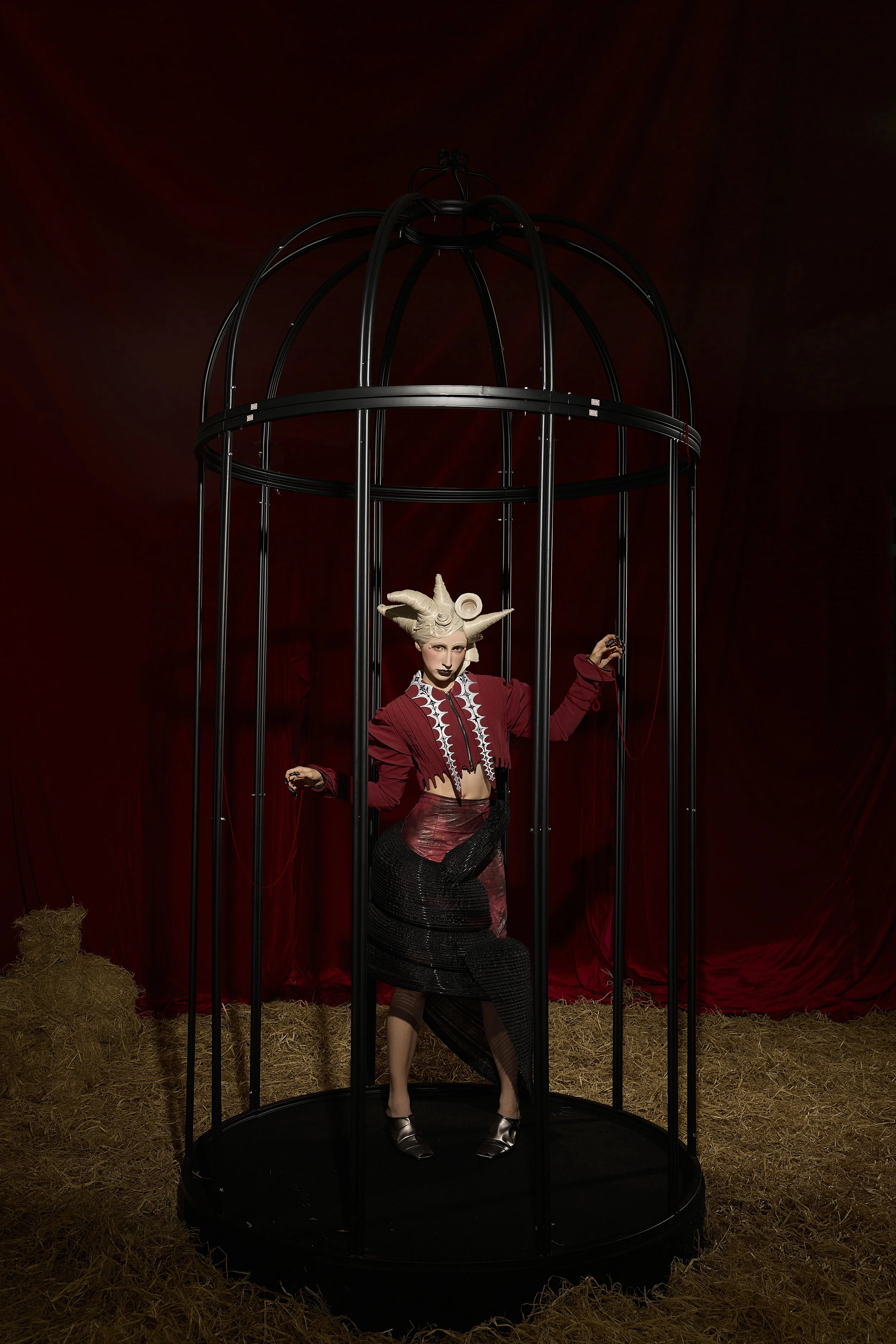
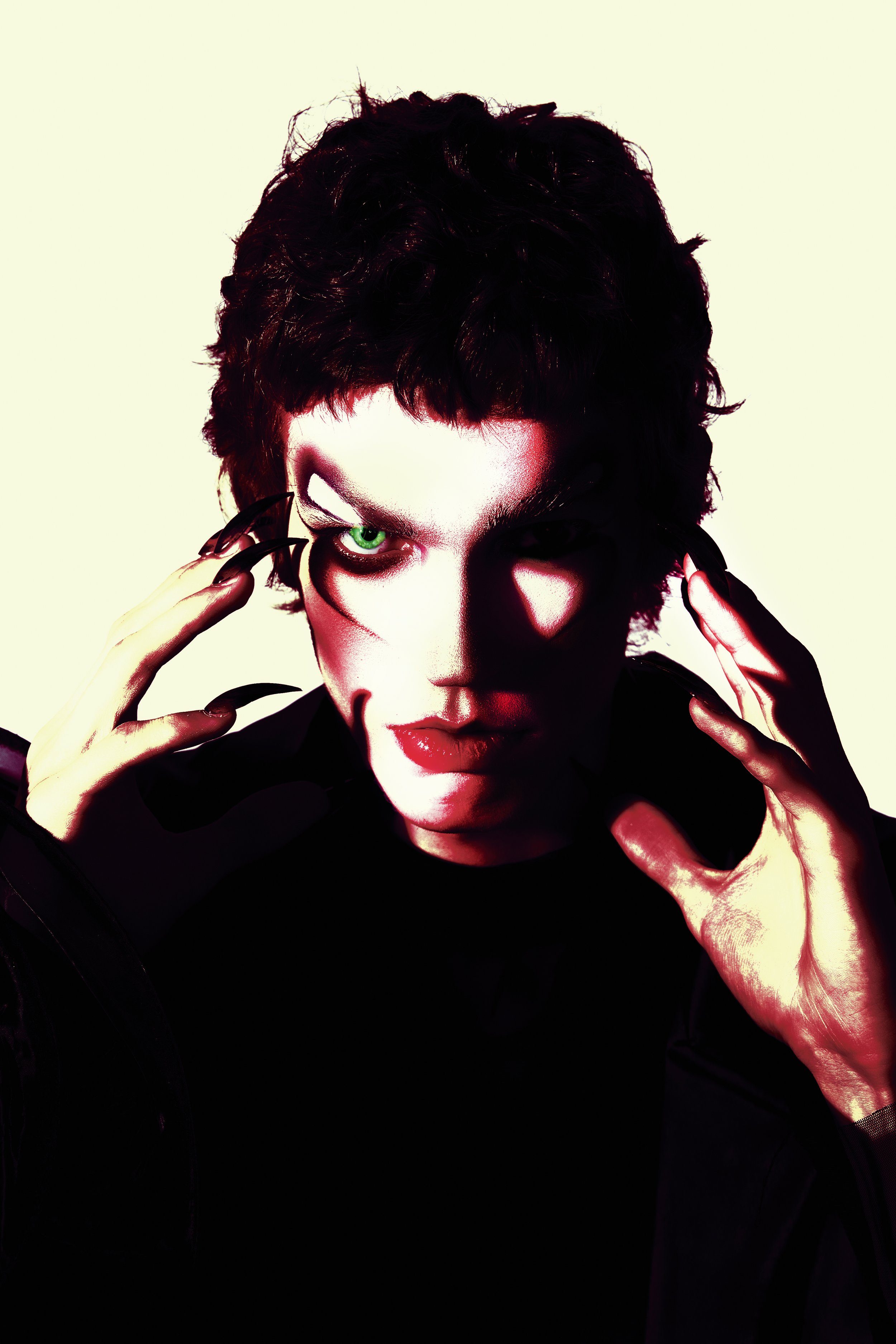
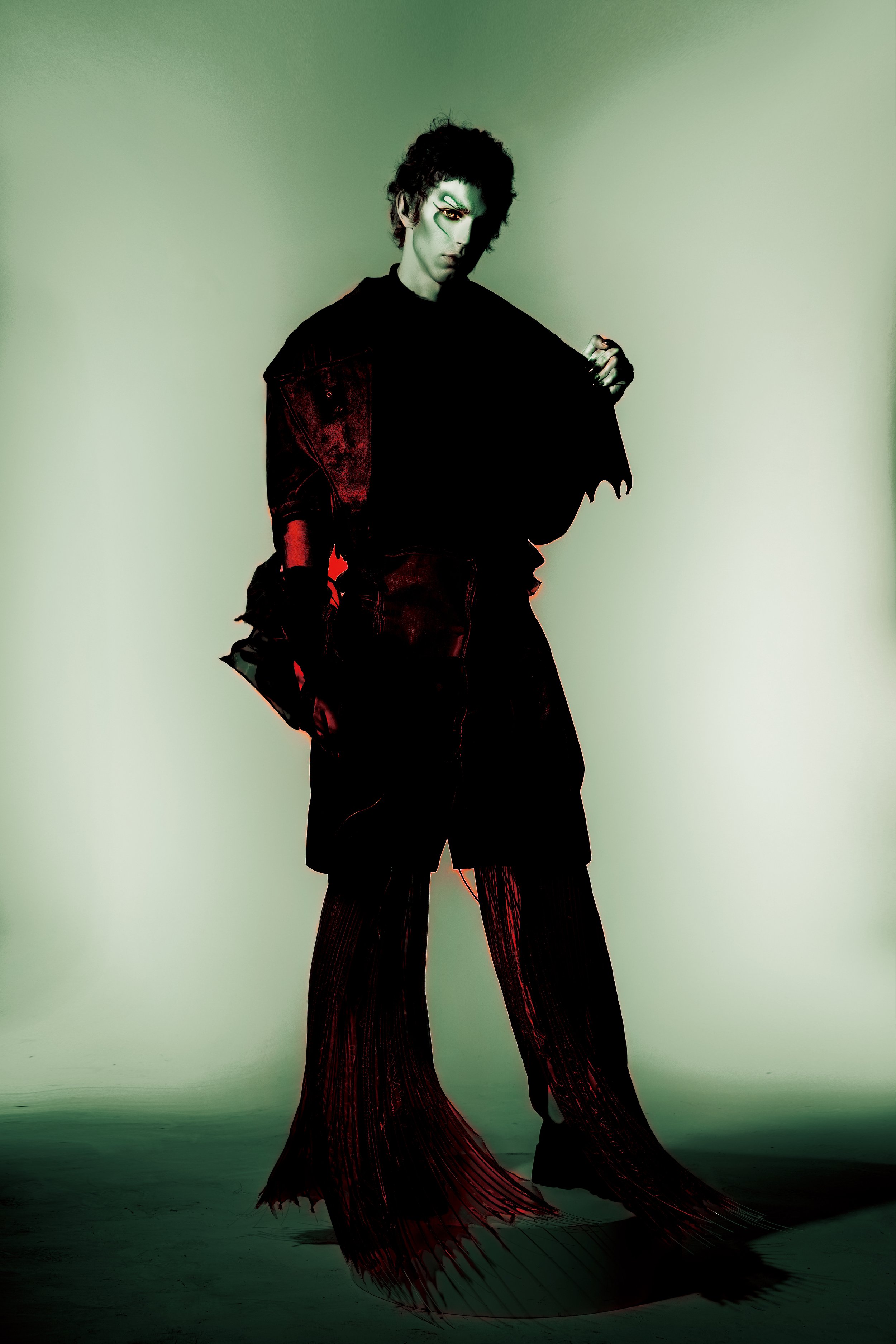
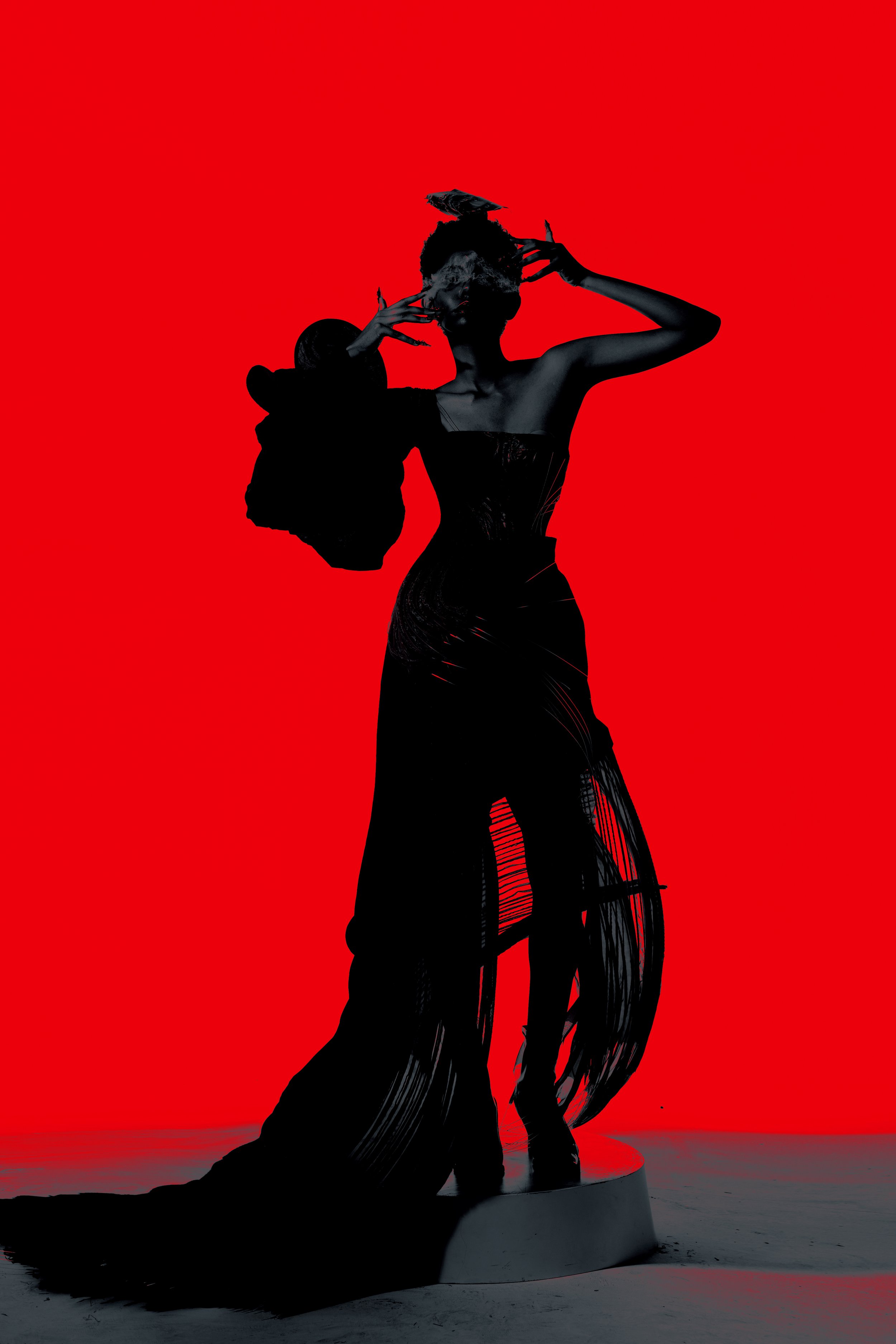
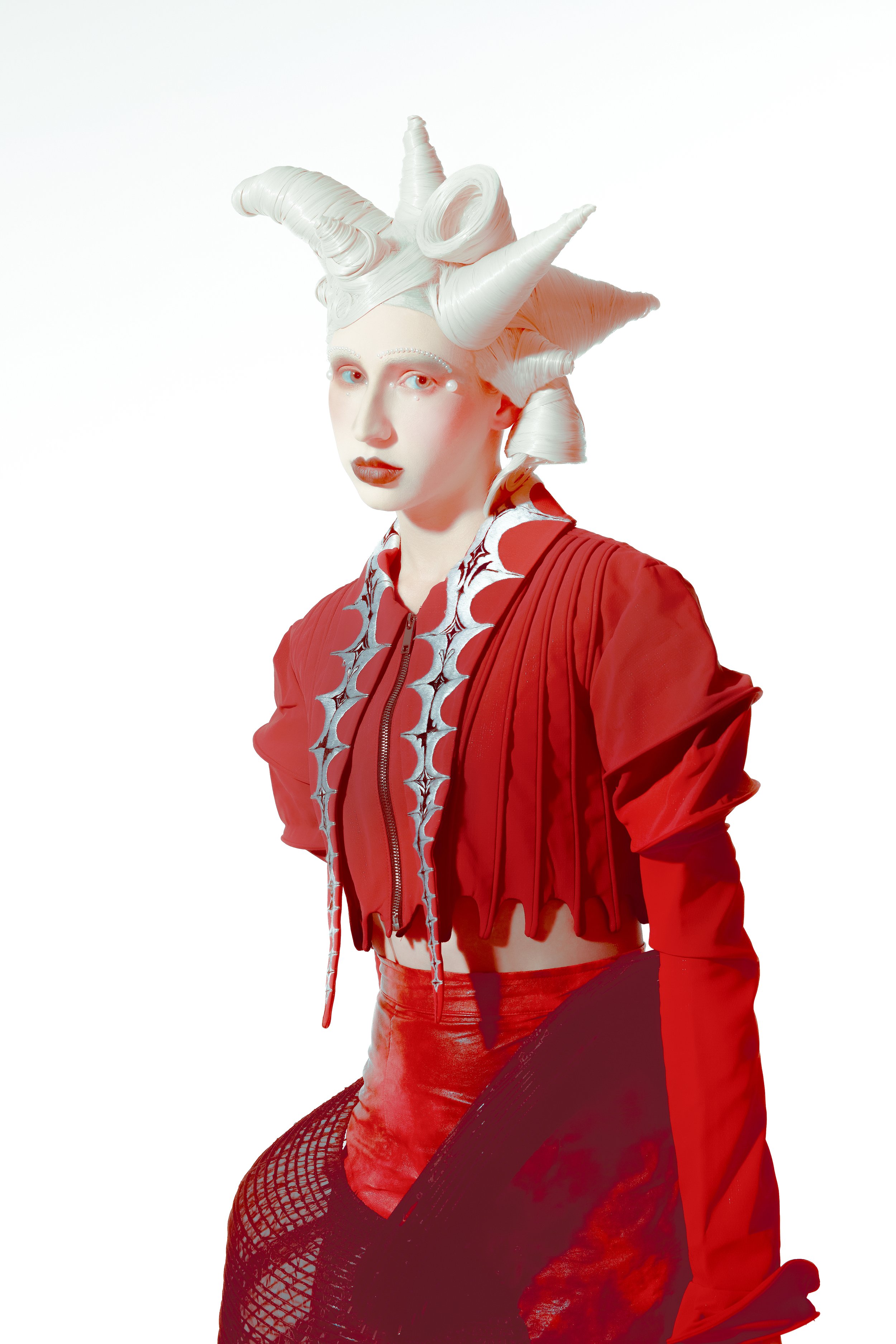
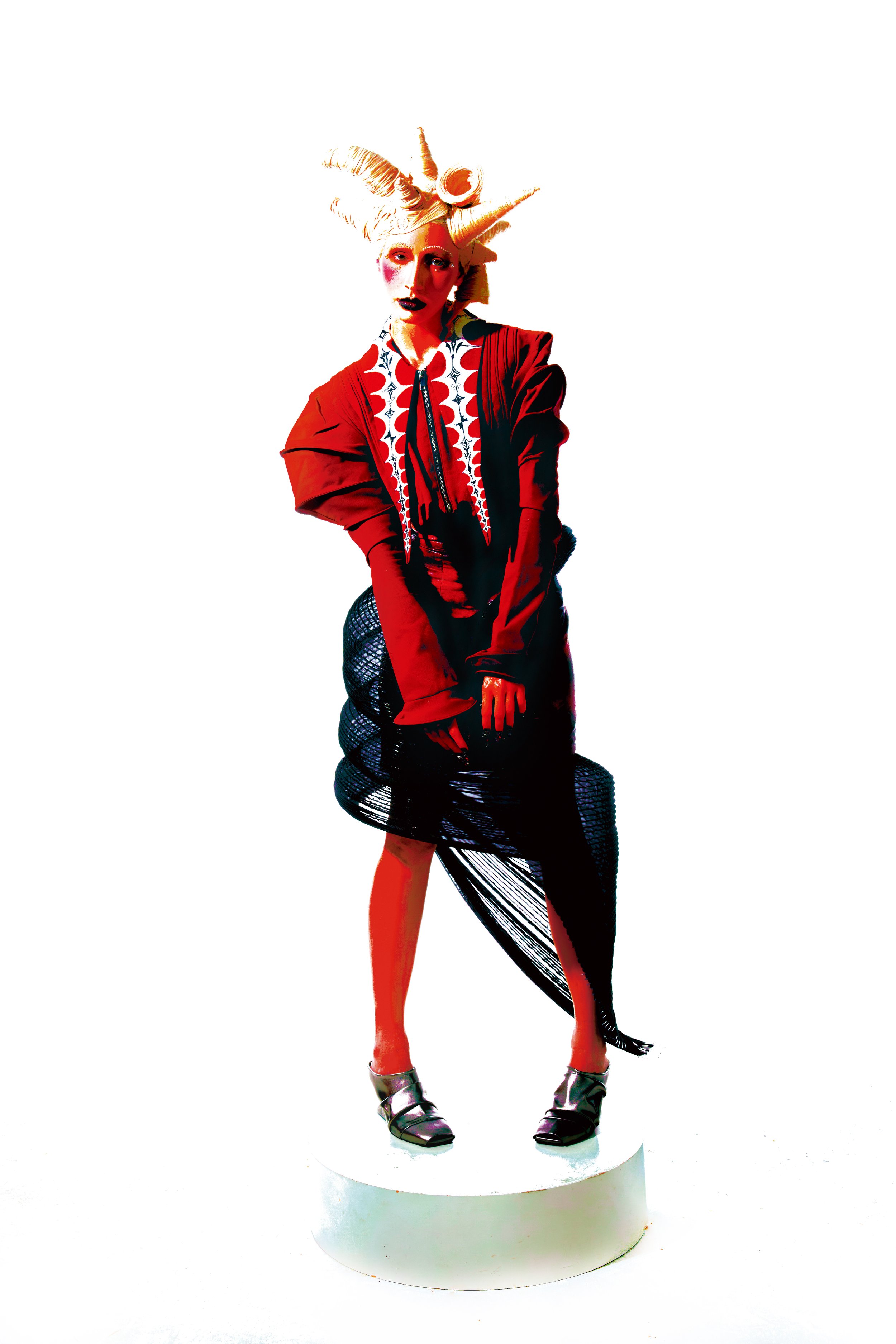
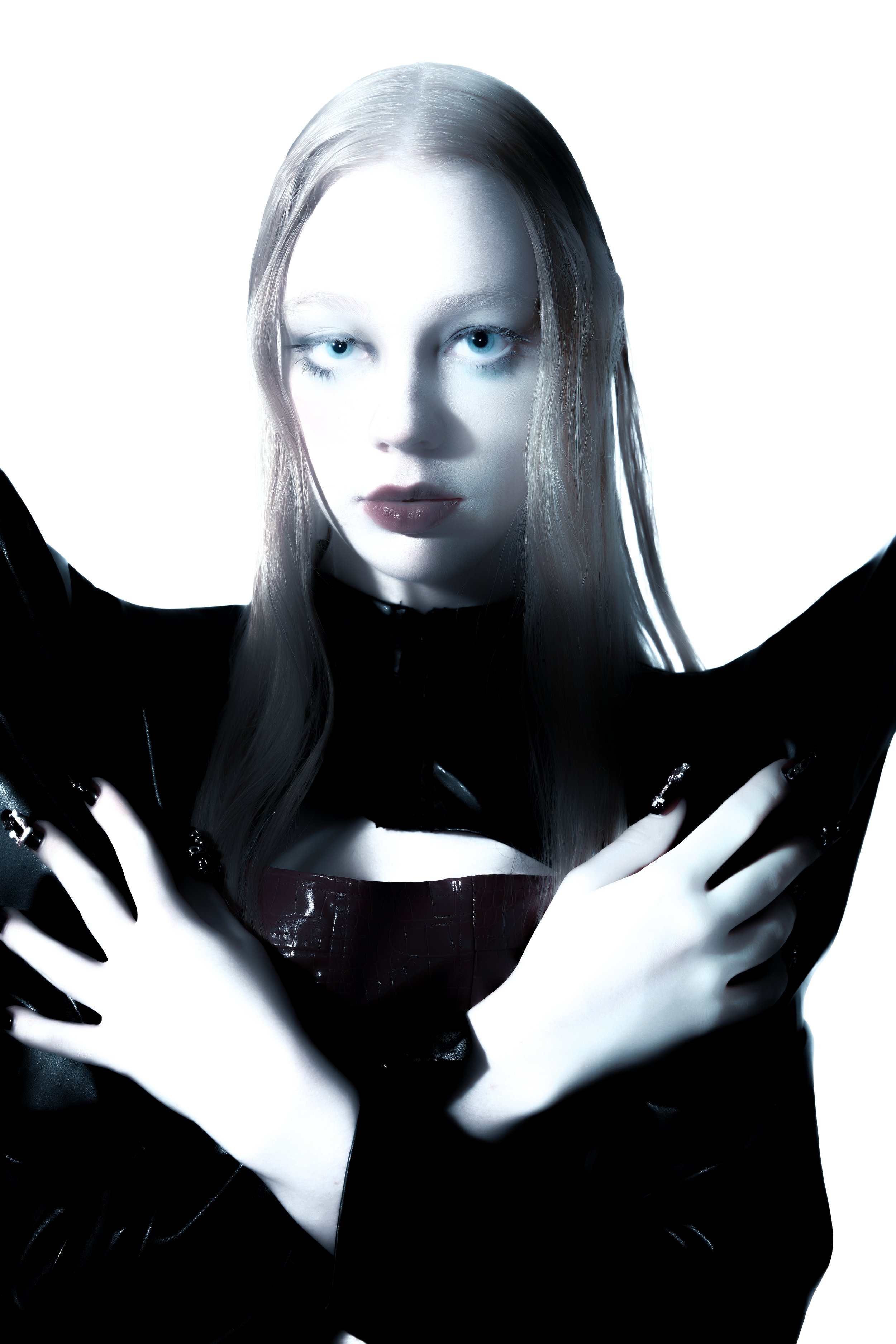
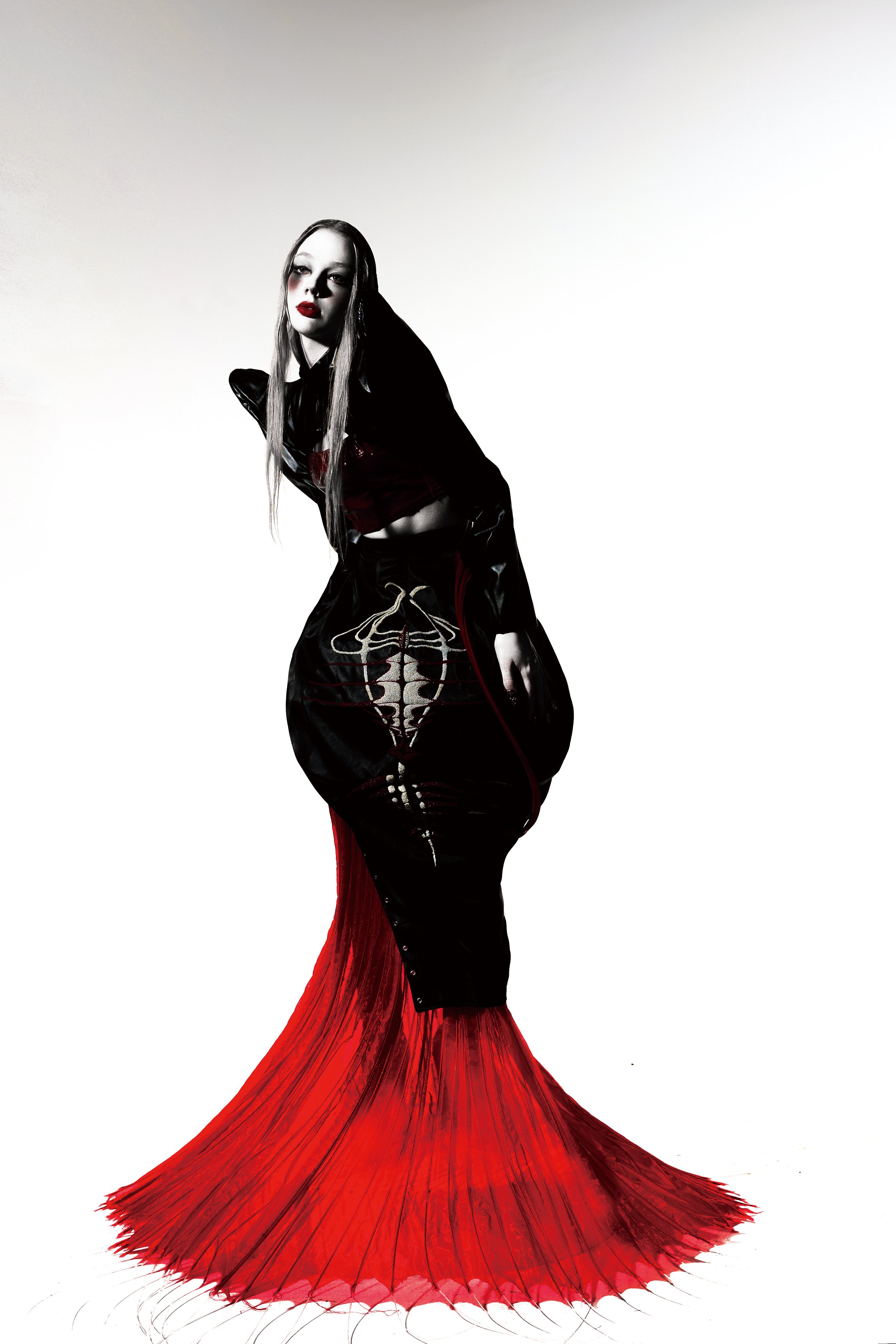
When the performance ends, the characters begin their bows.
But where is the cast list? Enveloped in a burst of thunderous applause, you feel momentarily unsettled. The ambient noise shifts from fervor to a faint rustling as the audience exits, and the surrounding temperature drops.
The stage remains washed in red. The characters stay in place—defiant and obedient at once—continuing to gaze toward the rows from which the crowd has just slipped away through the gap in the crimson drapes. Drawn by the exiting tide, you follow the current toward the opening, only to be pushed back to the outer edge of the seating area as a few new arrivals press their way inside.
You can’t leave.
Your eyes return—perhaps are returned—to the characters, still composed. The curtain swells and falls from behind, first revealing a single beam of light, then an indistinct, all-consuming glow that swallows it. The quiet deepens, the kind cultivated and rehearsed.
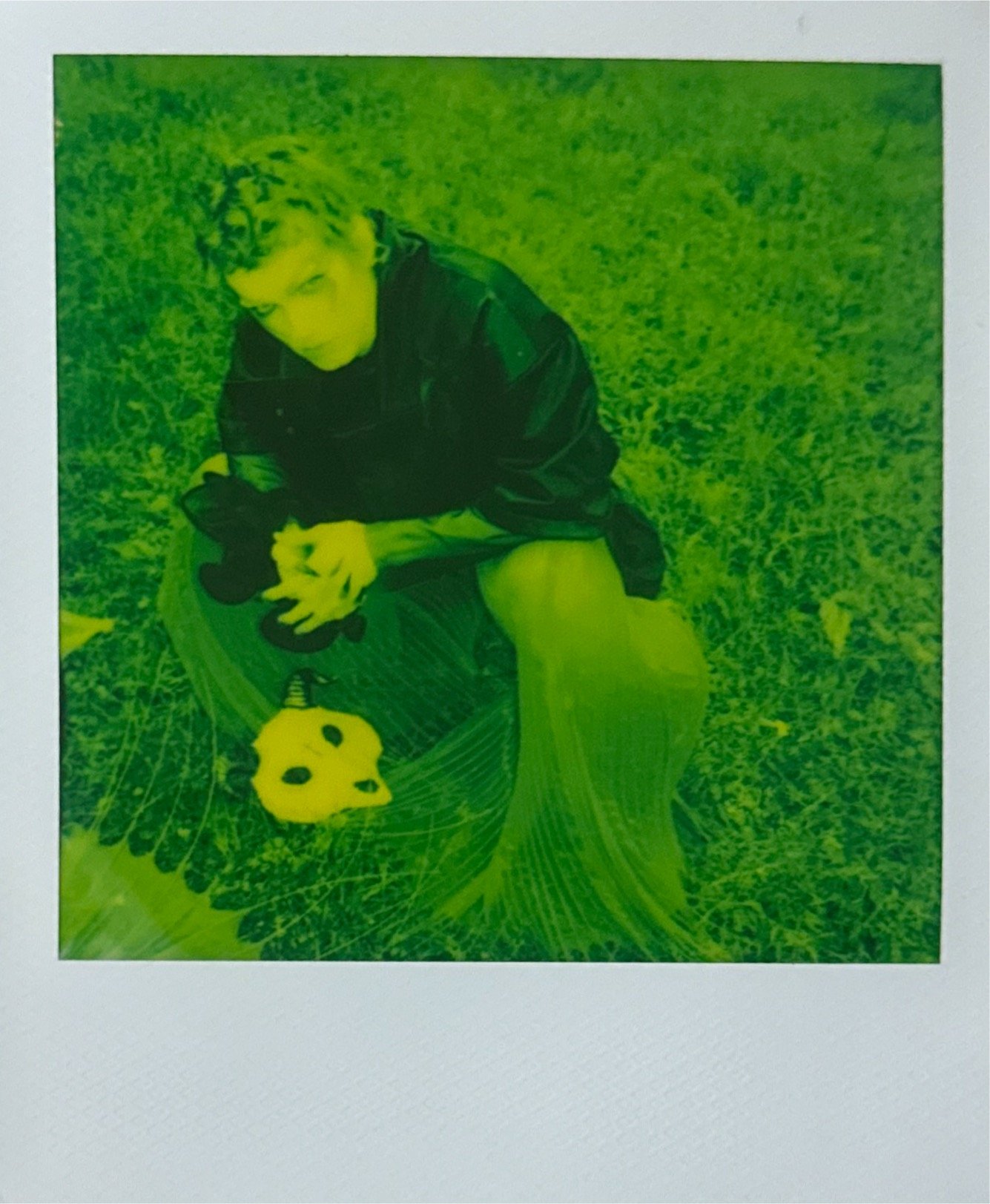
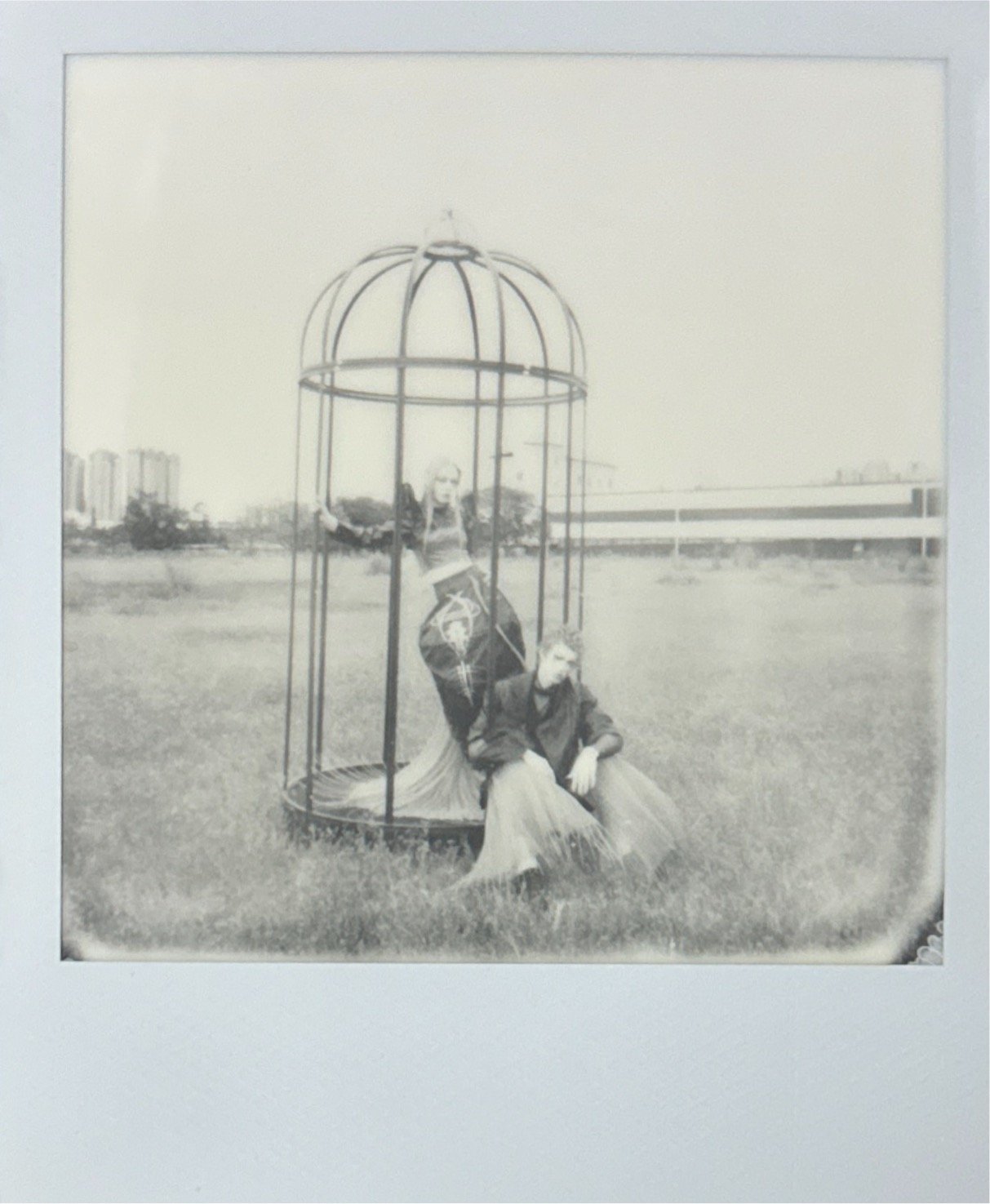
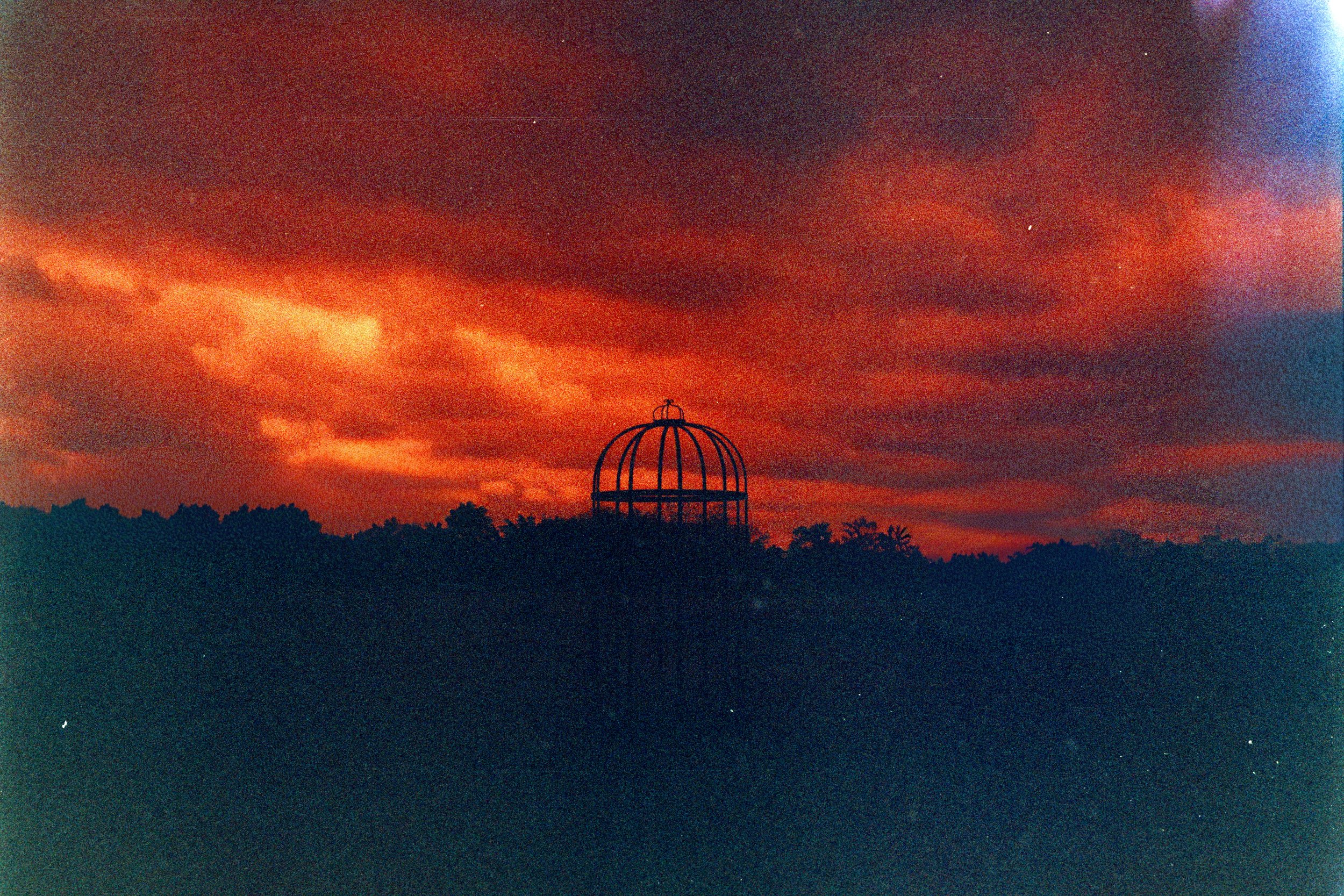
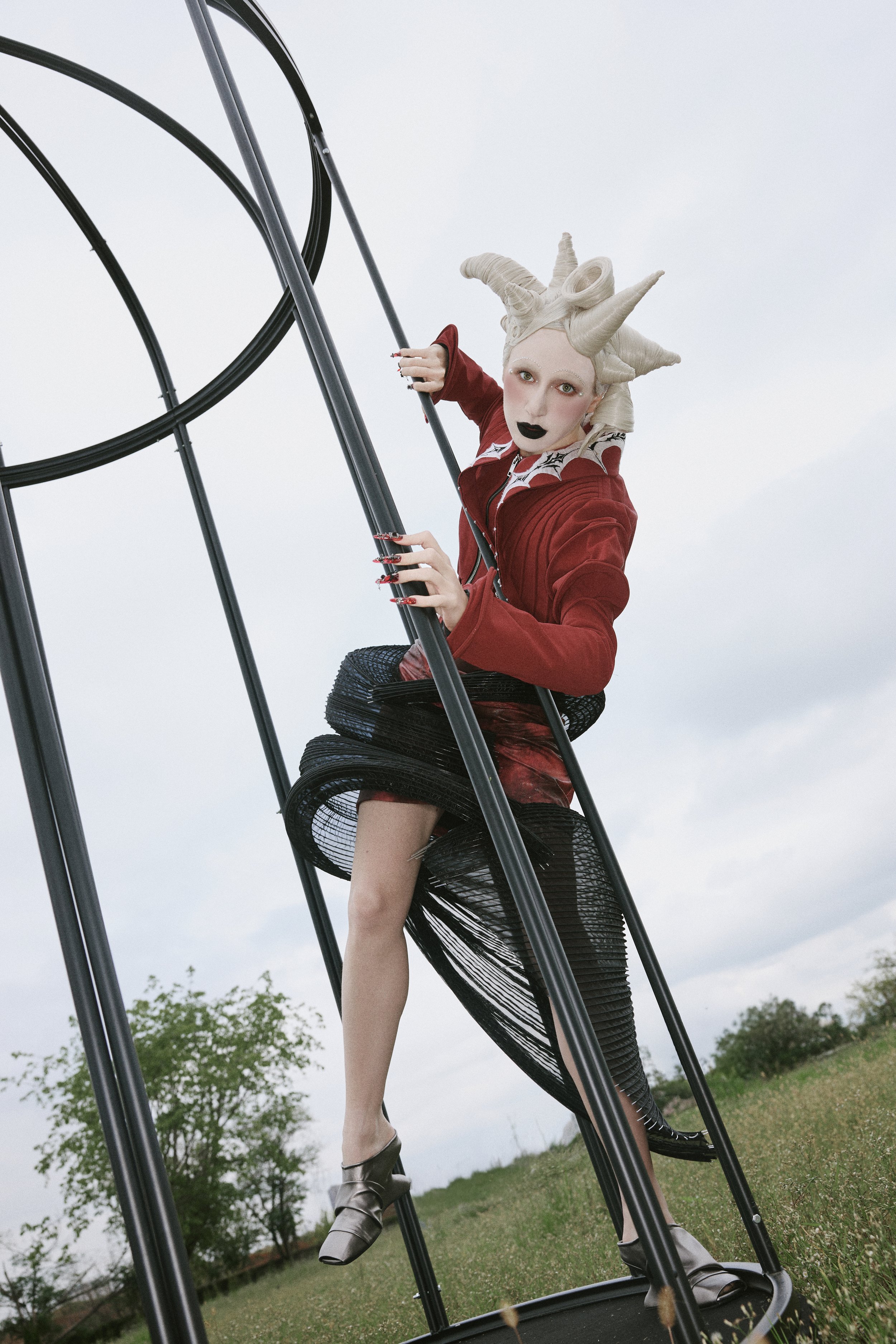
The curtain shifts to green, striving toward a natural hue. The newcomers pass cages to the characters—cages of mutable size. This time, though, the characters seem to have more room for escape—an oddly hopeful thought.
But why are you still here? Waiting for their exit?
Waiting for the characters to retreat as though they carry some heroic promise you cannot resolve alone?
Hadn’t you only just arrived?
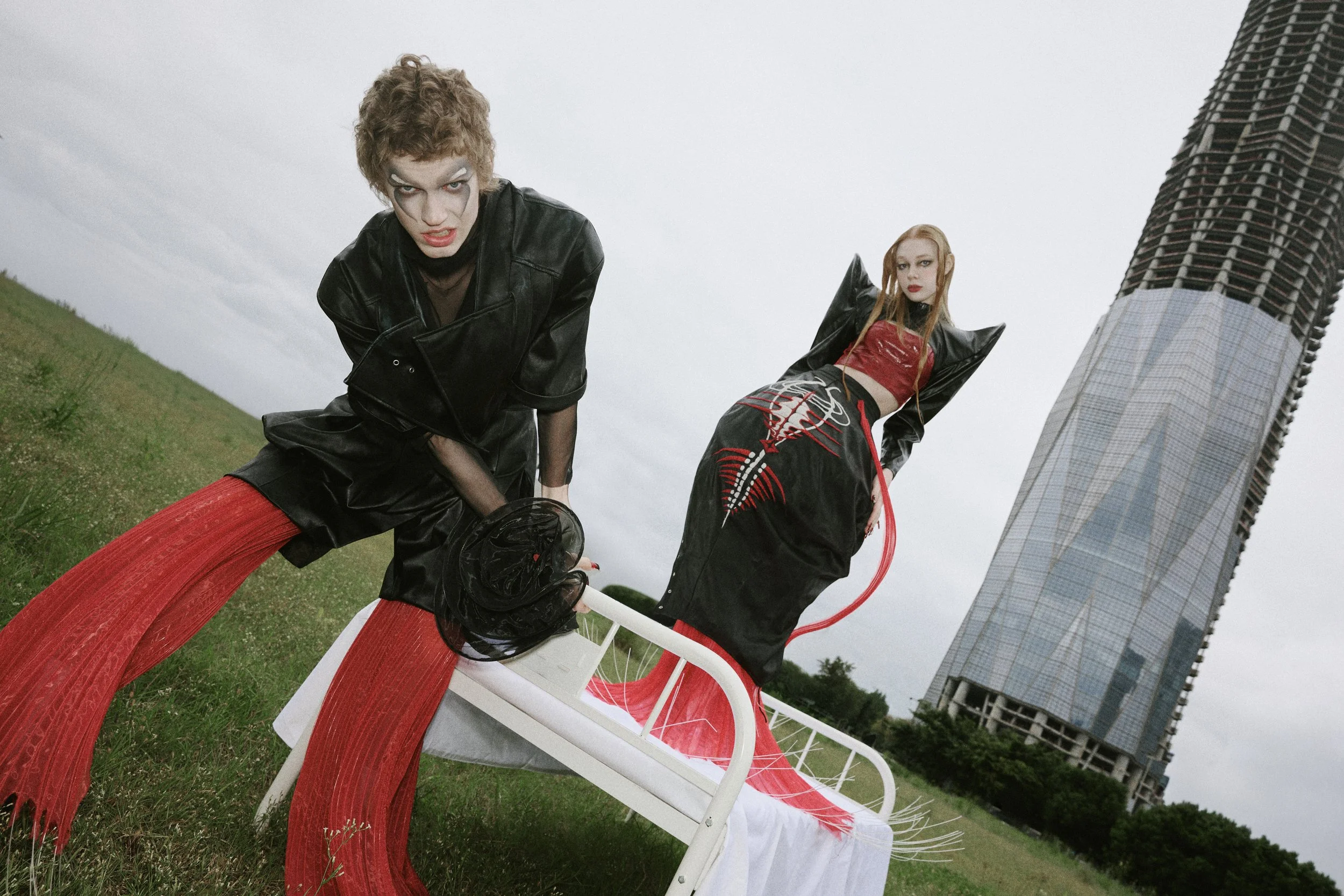
Marilyn Manson hoists the rim of the cage like a flag.
A young performer, bow incomplete, is beheaded by the horizon—too insignificant an event in the eye of the machine.
At the far end of the seemingly flat expanse of green, the old buildings meet the same fate—severed, erased. Only Building 468 still attempts to repair the dream that has been caught inside it—ironically, the most realist gesture of all.
“Why aren’t they leaving?”
“Can’t you see? She hasn’t put her camera away yet.”
“Work’s over, Zhao Yingle.”
Words by He Bo
戏结束,角色开始谢幕。
哪里有角色名单?被爆发的雷动掌声包裹,你有些慌张。环境音由热烈到窸窸窣窣,观众离场,周遭温度降低。
台上的灯光维持一片赤红。角色们仍在原地,桀骜又顺从地继续看着观众席,原先的一大波人穿过红色布幔的缝隙离开。你被人流吸附着朝缝隙移动,又因与新进来的少数几人擦肩,重新被弹回观众席最外侧坐席的边缘。
走不出去。
目光投回(或者迎回)角色,看起来依旧镇定。幕布从后面隆起又垂下,先是一束点光,接着一片更缺乏特征的、涵盖整块幕布的光芒把点光吞噬。更安静了,是种应有的、养成好了的安静。
幕布转成绿色,努力接近自然之绿。新进来的那几个人又把笼子递给角色,尺寸可变的笼子。好在这次角色逃脱的空间更大了——听起来让人乐观。
那你还在这里干嘛?等退场?为什么还要等角色退场?对某些你自己搞不定的课本里的英雄主义有所期待?
你不是刚到吗?
玛丽莲·曼森扛着笼子外缘当旗。
谢幕未完成的青年被地平线斩首。(于机器之眼,这过于微不足道。)
看似平坦旷远的绿地尽头,原有的建筑也被斩首、抹除。只剩468公馆还在尝试修复被困住的梦——反倒是现实主义的。
-“他们为什么不走?”
-“你没看到她还没把相机收起来么。”
“下班了,赵英玏。”
文/何博
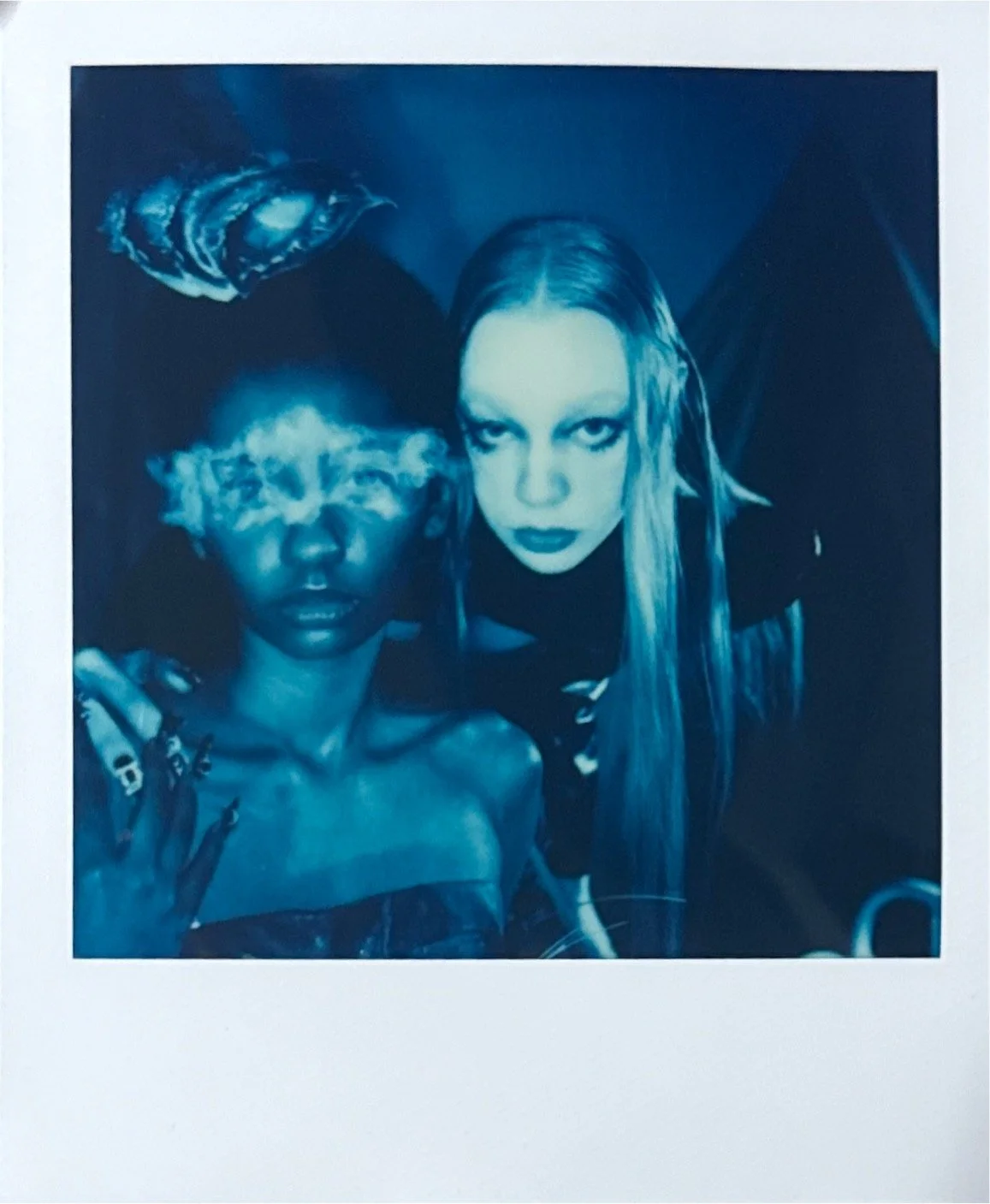
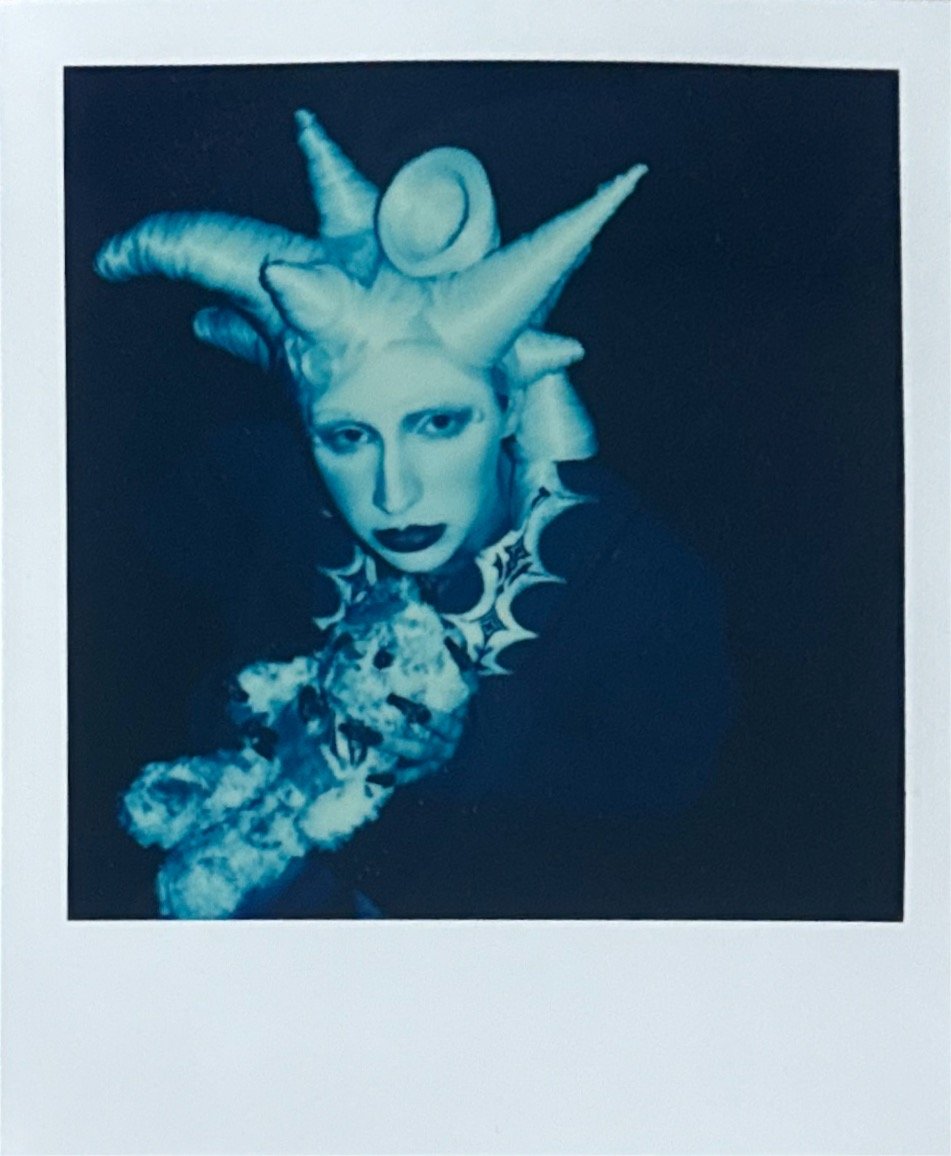
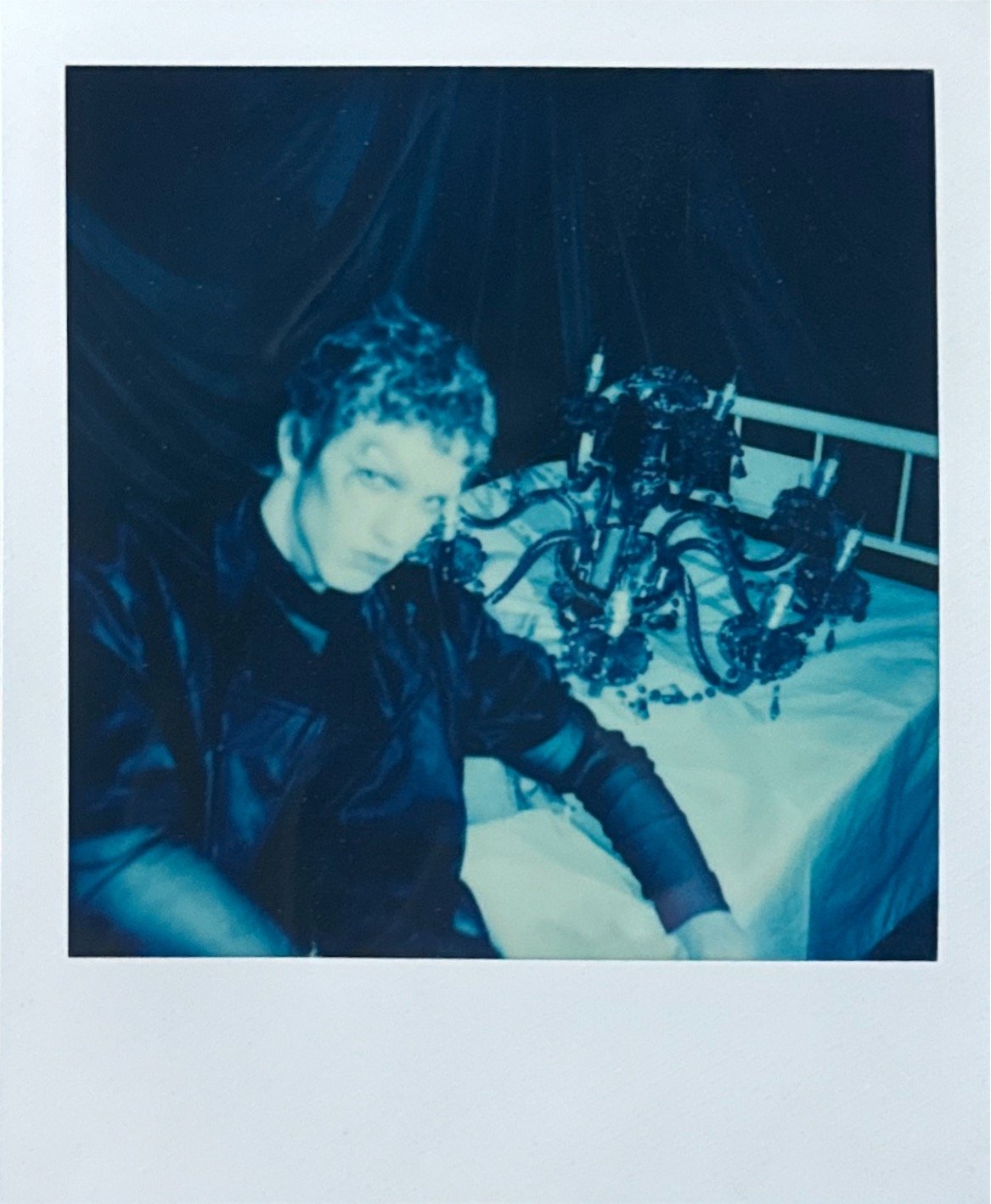
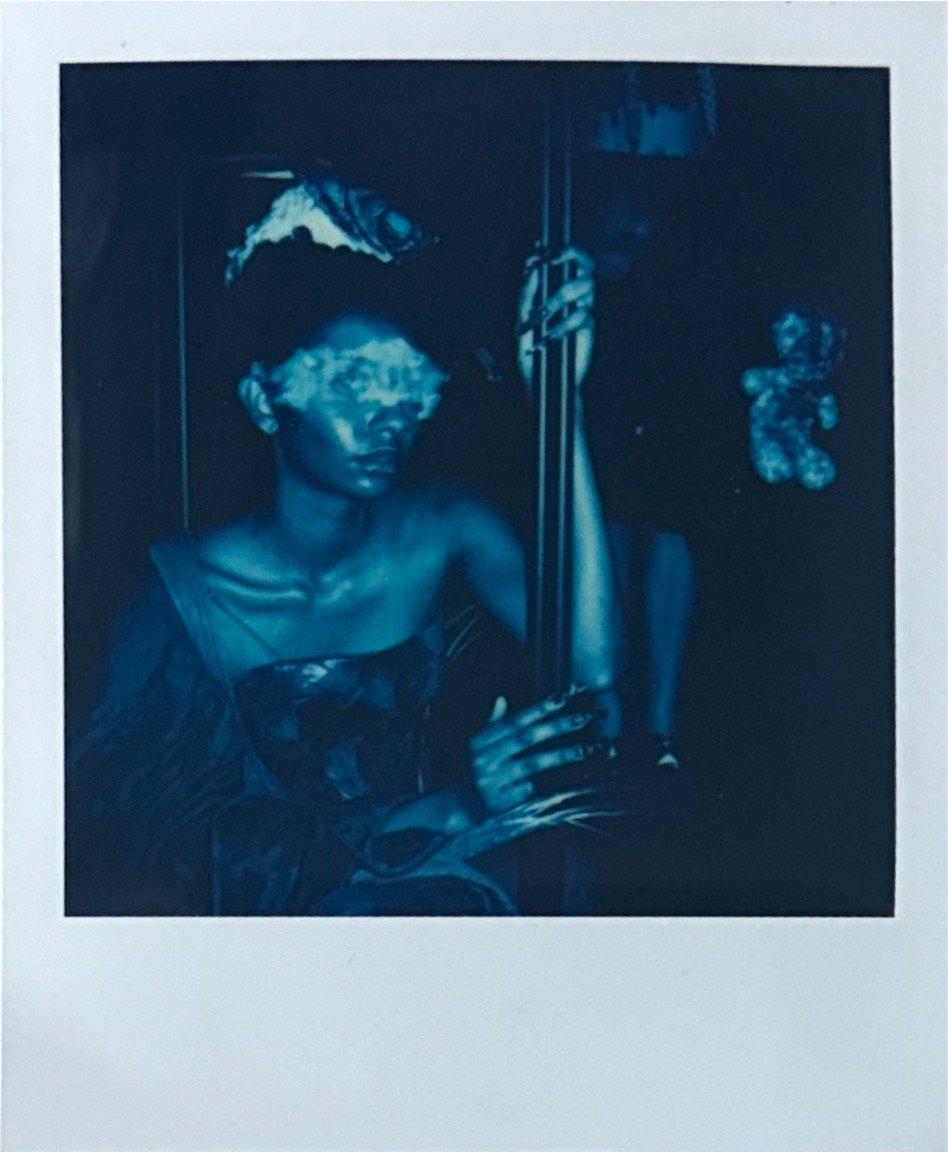
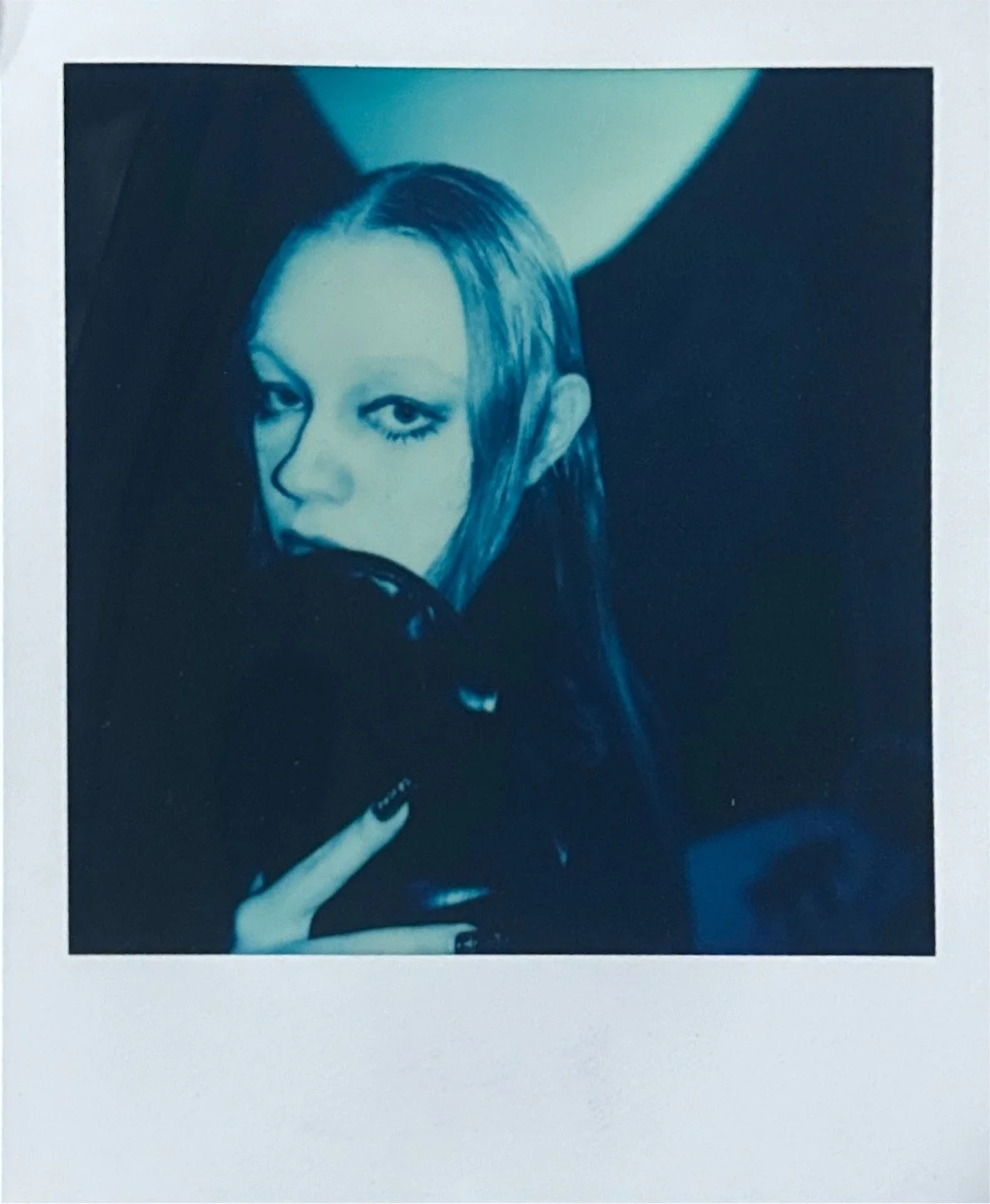
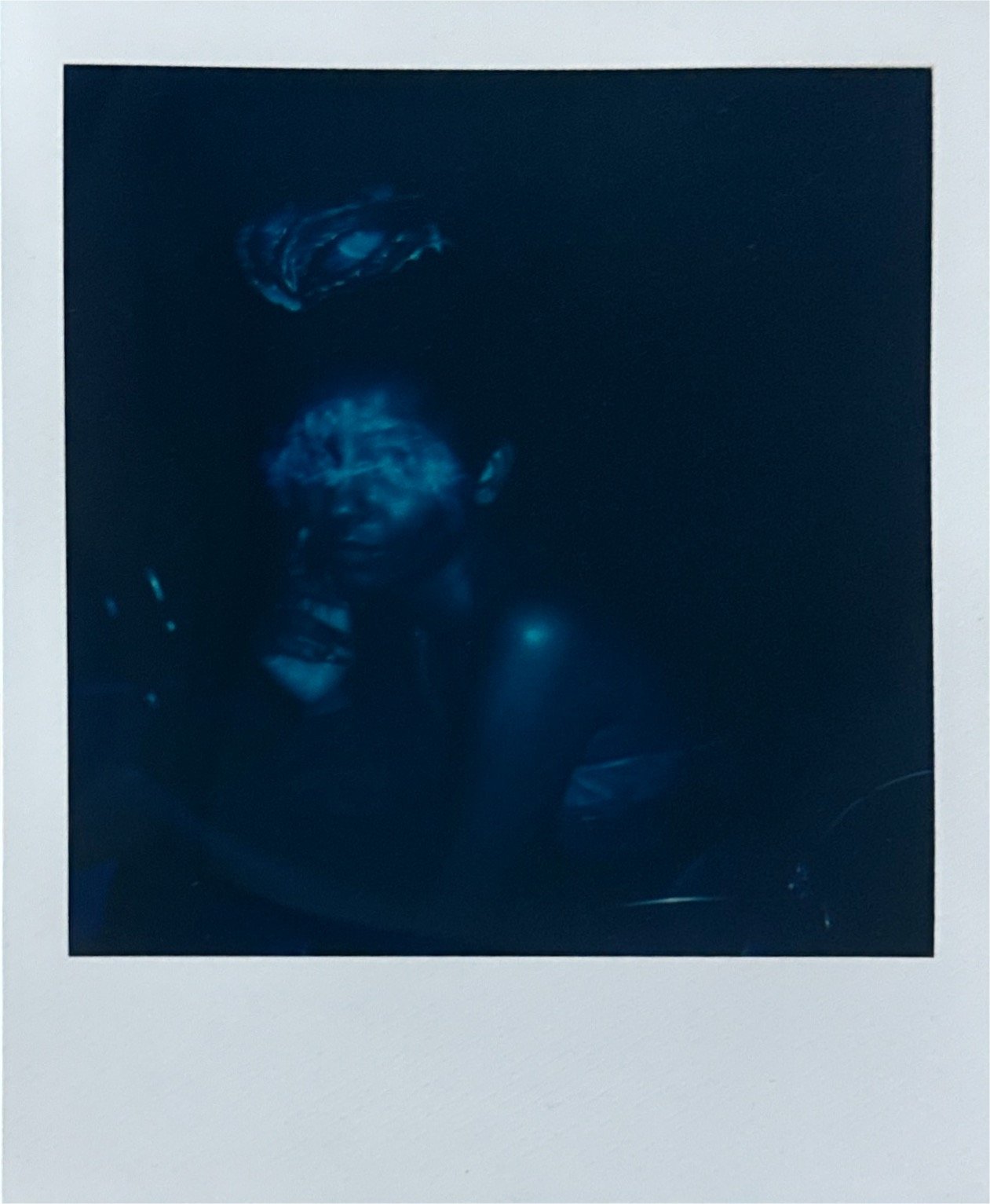
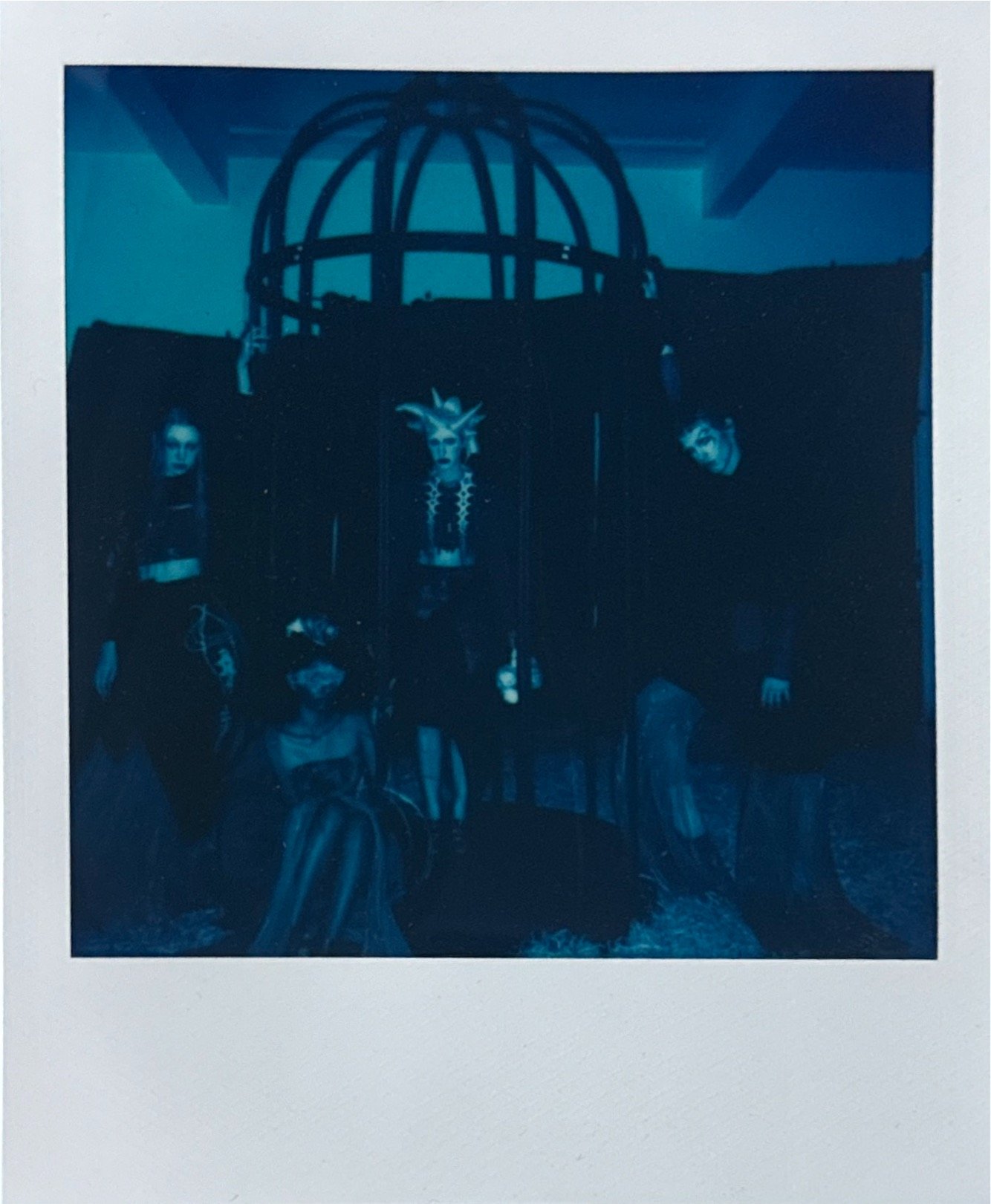
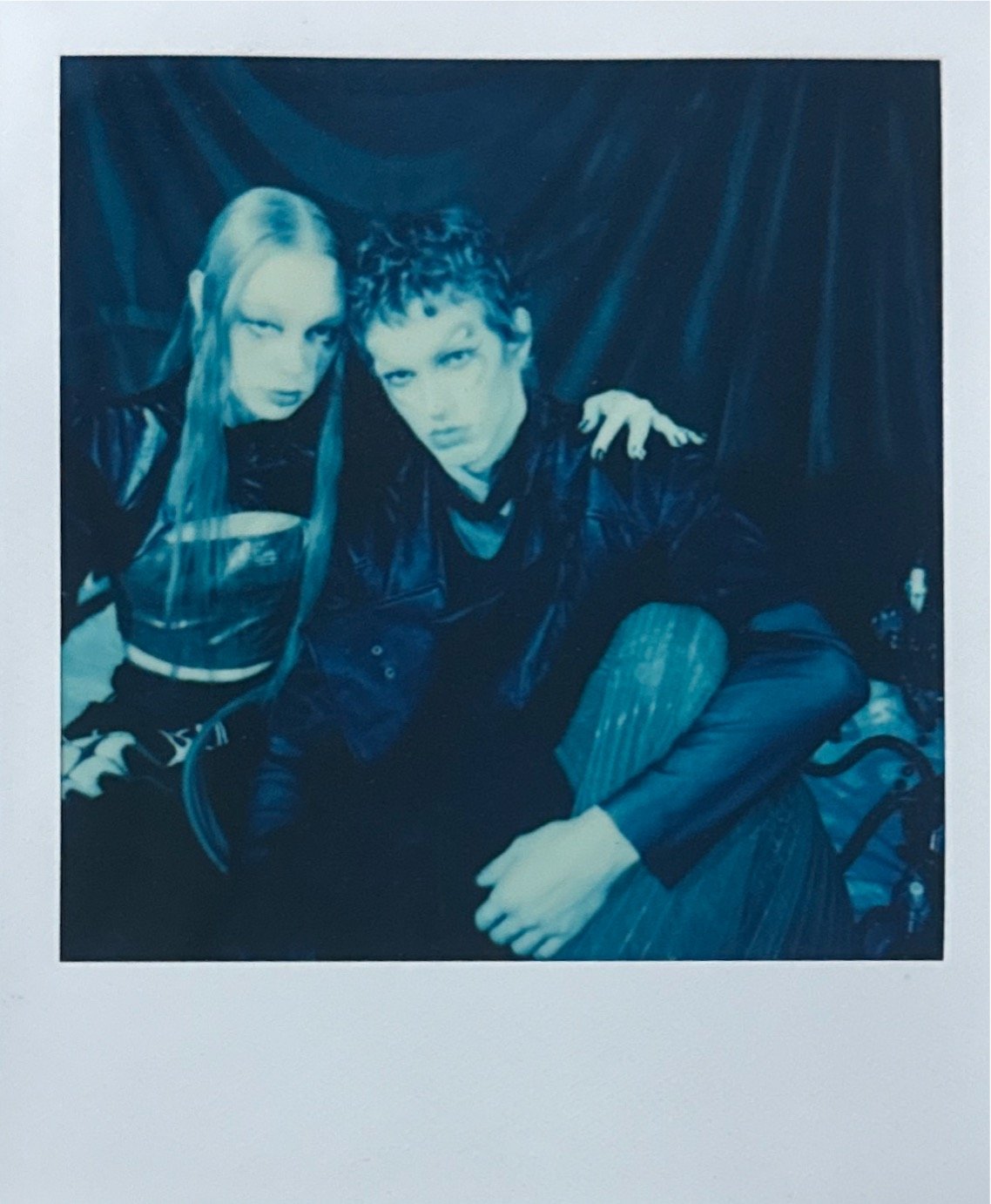
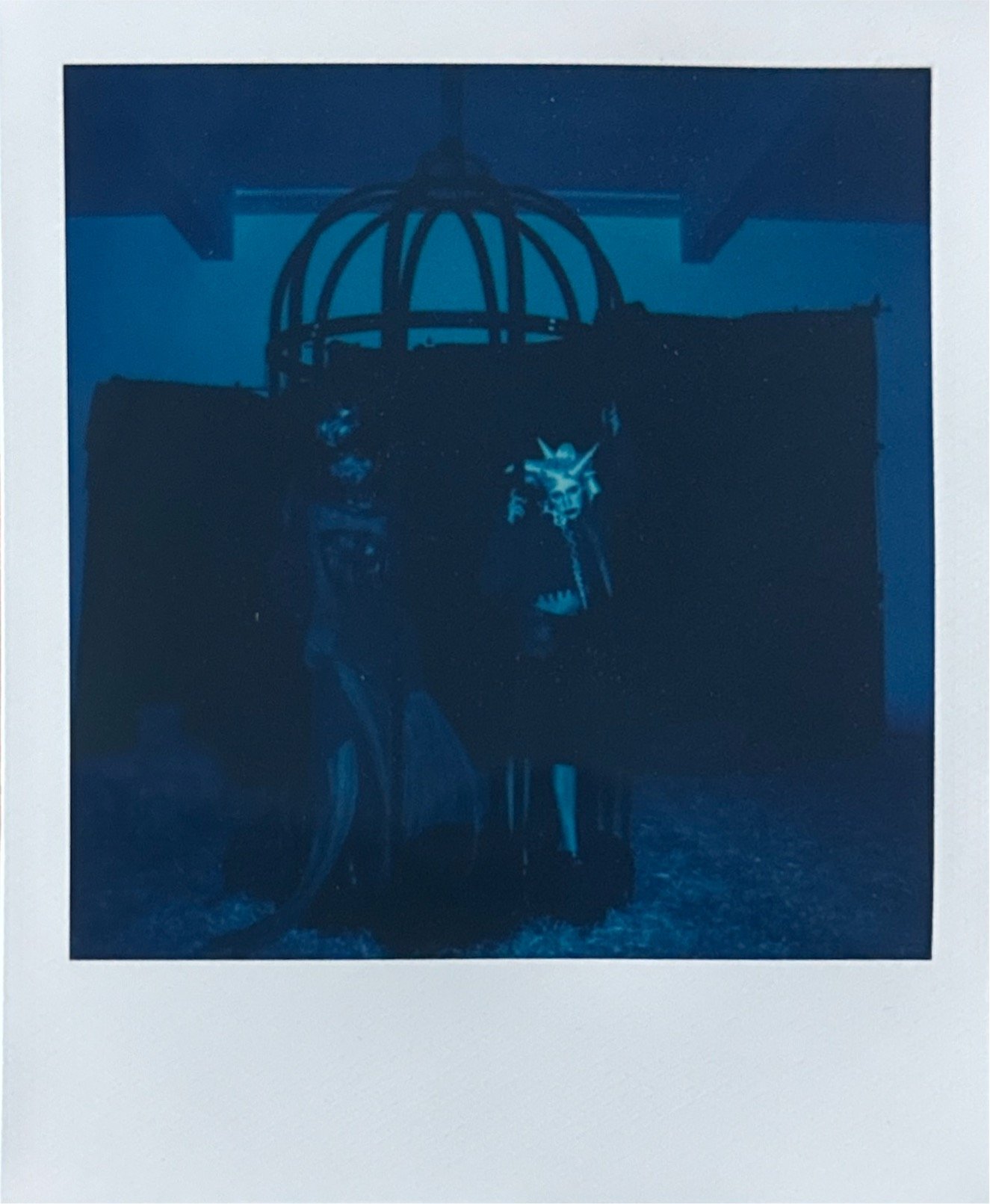
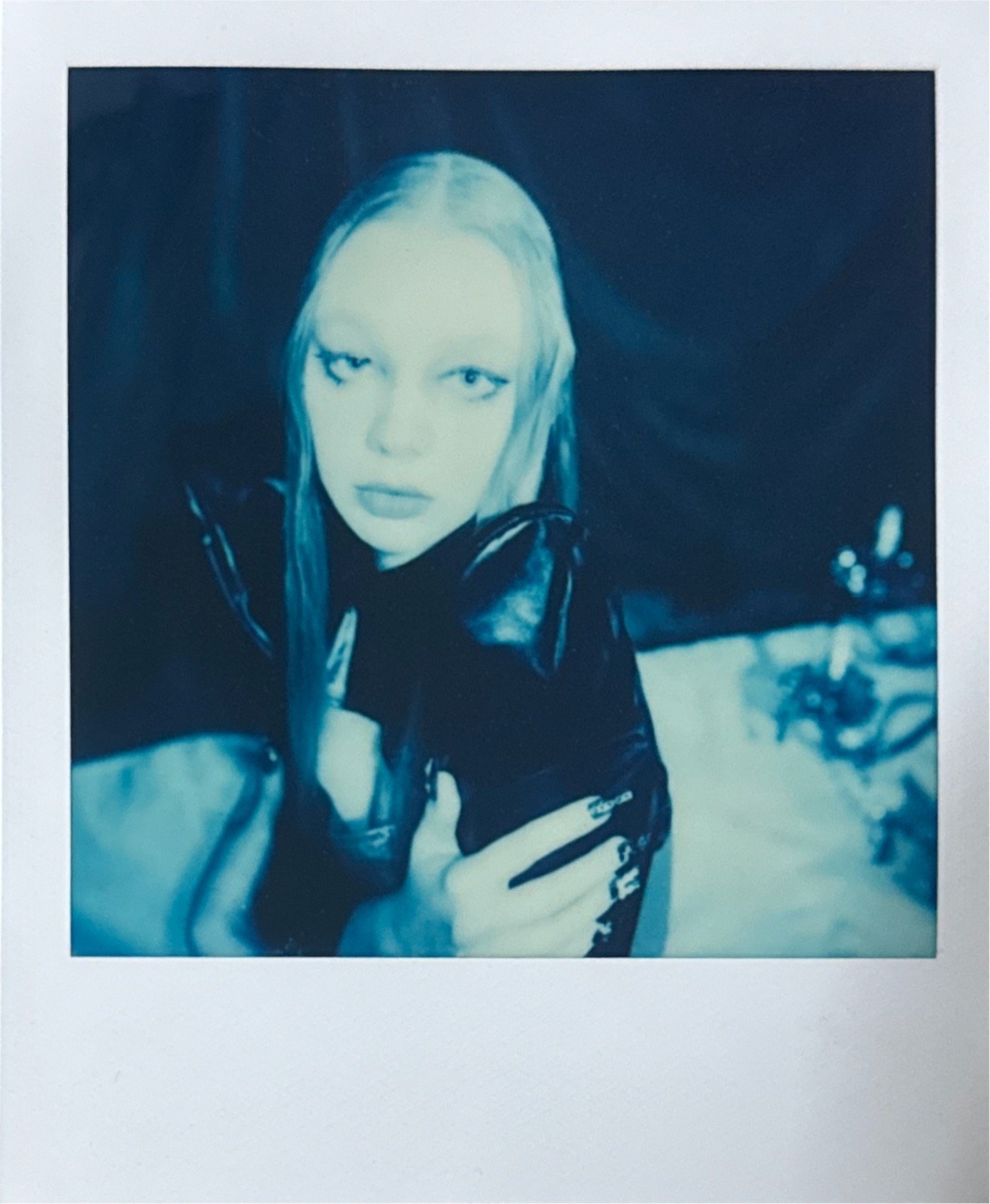
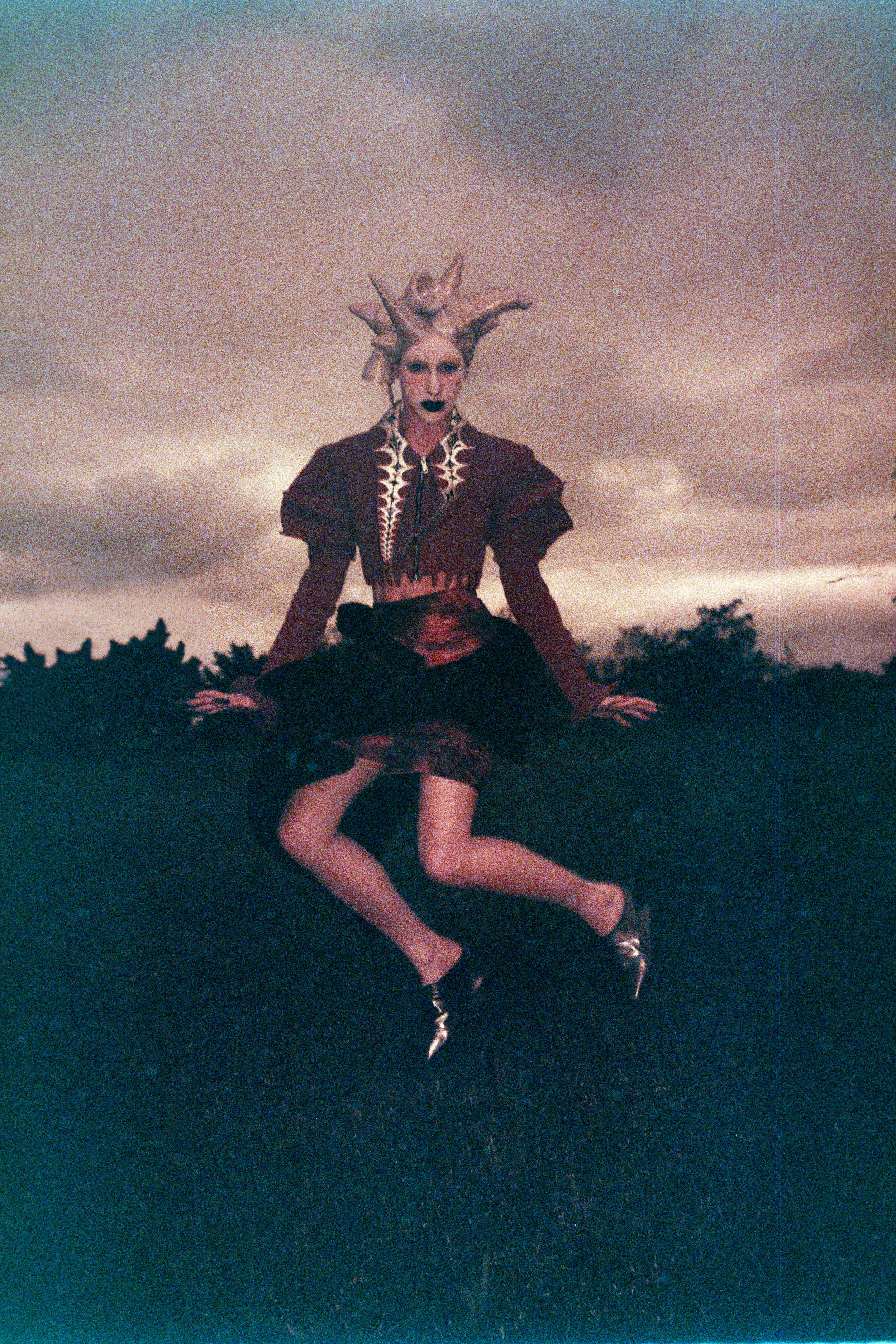
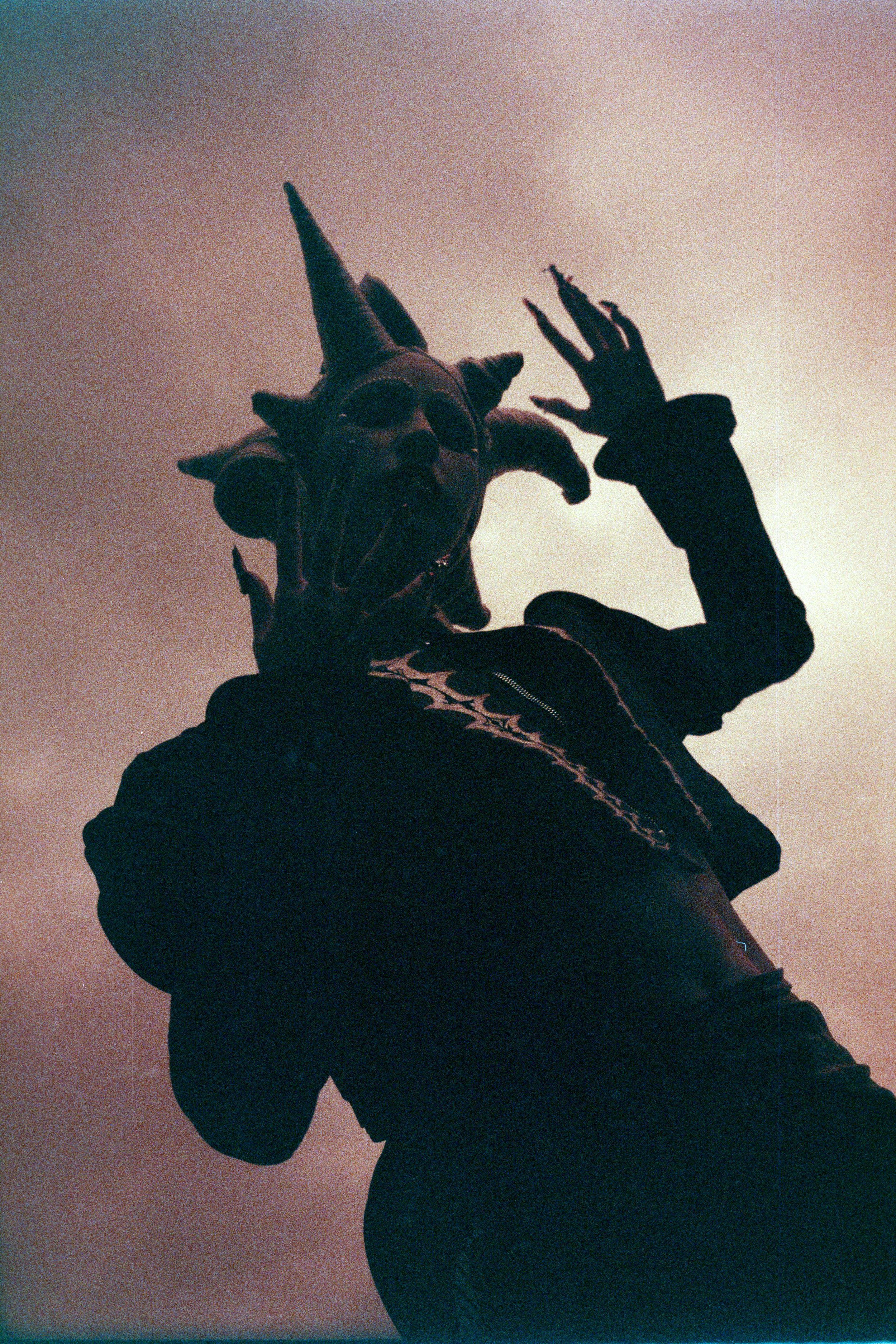
The Body After the Show is inspired by a specific moment that follows the end of a theatrical or cinematic performance—when the lights gradually fade, the applause disperses, the characters withdraw from the stage, and the order of narrative begins to loosen. This often overlooked “after-the-curtain” time-space, like the end credits referenced in the exhibition title Ending Credits, marks a moment in which characters exit through the body and identity begins to dissolve: the viewer’s gaze shifts from actions and dialogue to a sequence of static names; energy transitions from a vivid state of performance into a quiet residue of memory.
What I focus on is precisely this extracted, suspended interval of time. Once the story has ended, the body no longer carries the function of a character, yet it still retains the afterheat of being seen and assigned meaning. Costumes, gestures, and makeup remain lodged on the surface of the body, clinging to an identity on the verge of disappearance like the shell of a sculpture. At the moment a character withdraws from the narrative, the body briefly becomes an “empty shell”—no longer driven by plot, yet not fully returned to the self. This grey zone between character and subject is where the work truly begins.
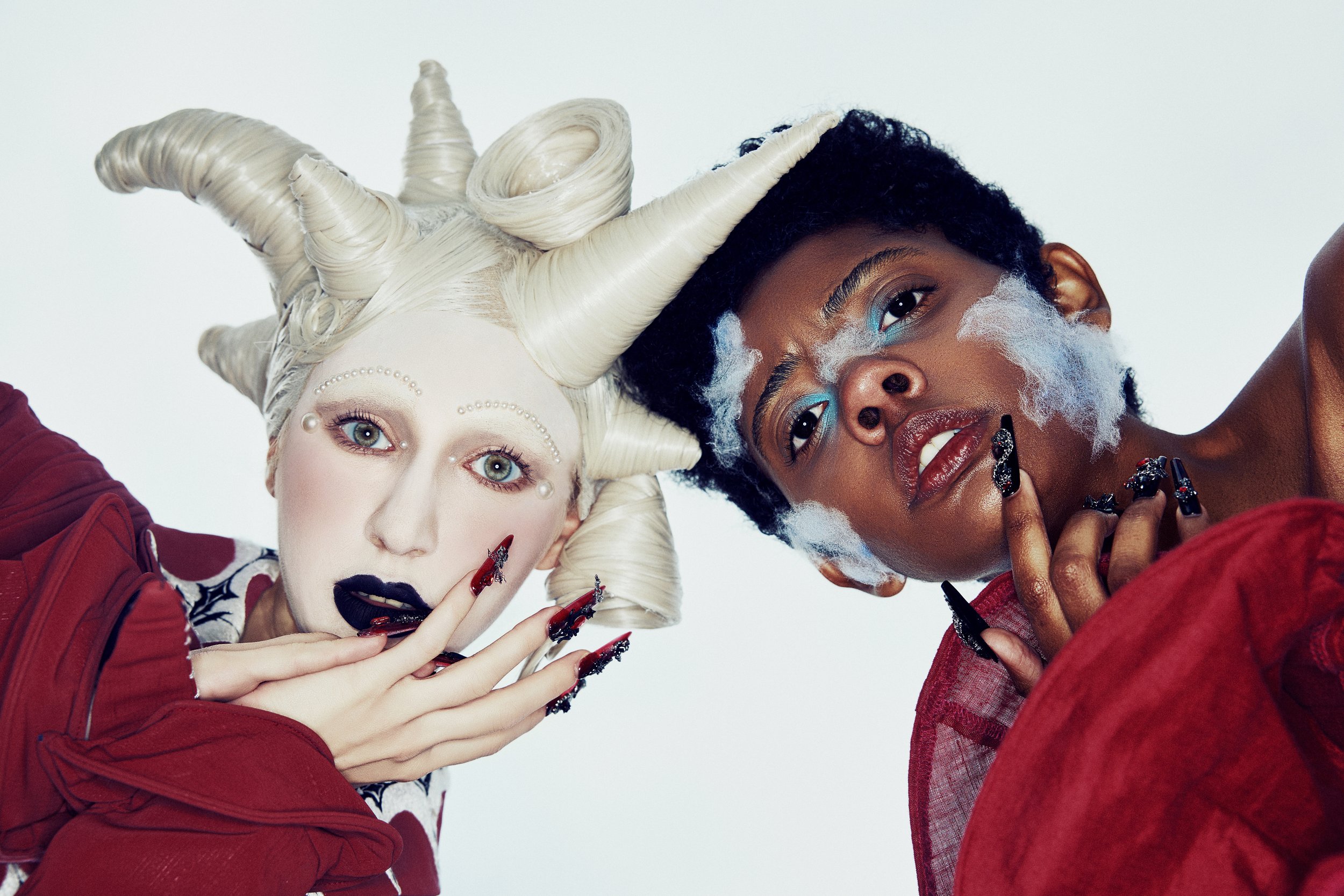
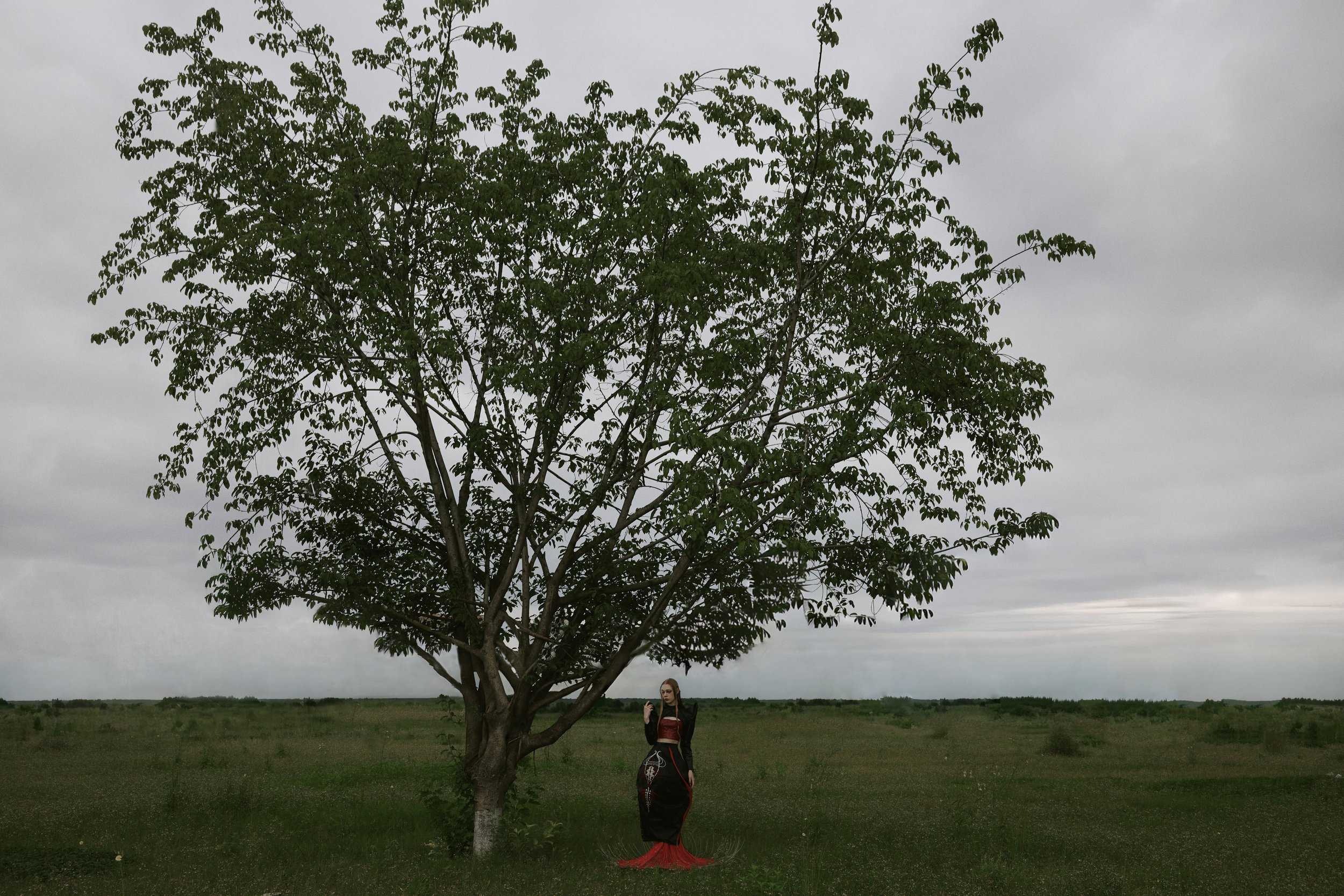
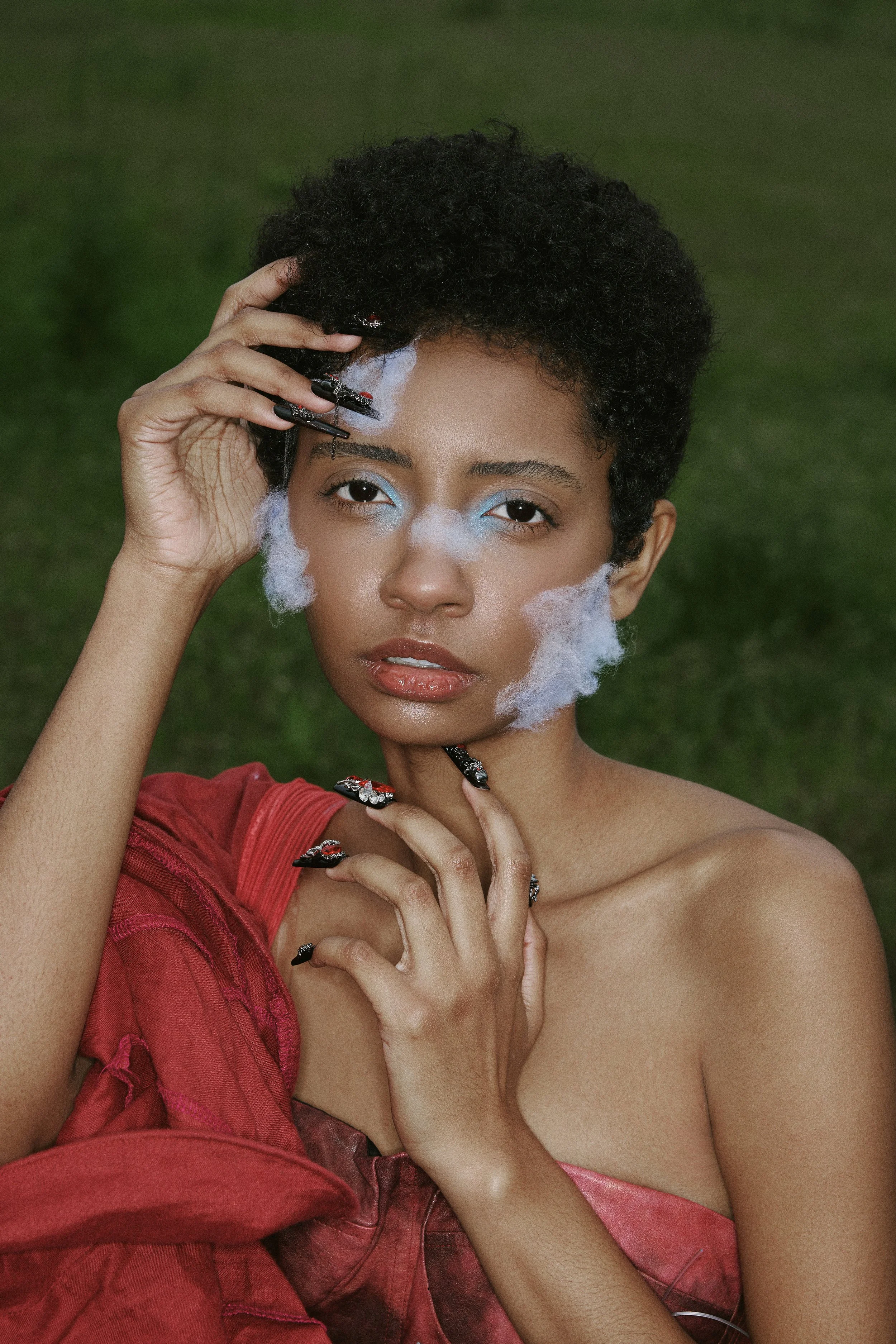
《The Body After the Show》的灵感来自戏剧或电影结束后的独特时刻——当灯光逐渐变暗、掌声消散,角色从舞台上撤离,叙事的秩序开始松动。这个被忽略的“谢幕后”的时空,与展览名称《Ending Credits》所指向的片尾字幕一样,是角色从身体中退场、身份开 始溶解的瞬间:观众的目光从人物的动作与台词,转向一个个静止的名字;能量从鲜活的表 演状态,变成沉静的记忆残影。 我关注的,正是这一段被抽离、悬置的时间。一旦故事结束,身体不再承载角色的功能,却依旧留存着被观看、被赋予意义的余温。服装、姿态、妆容仍然滞留在身体表面,像是雕塑壳般紧贴着一个即将消失的身份。角色在退出叙事的一刻,会短暂地成为“空壳”— —不再被剧情驱动,也尚未完全回到“自己”。这种介于角色与本体之间的灰色地带,是作品真正的起点。
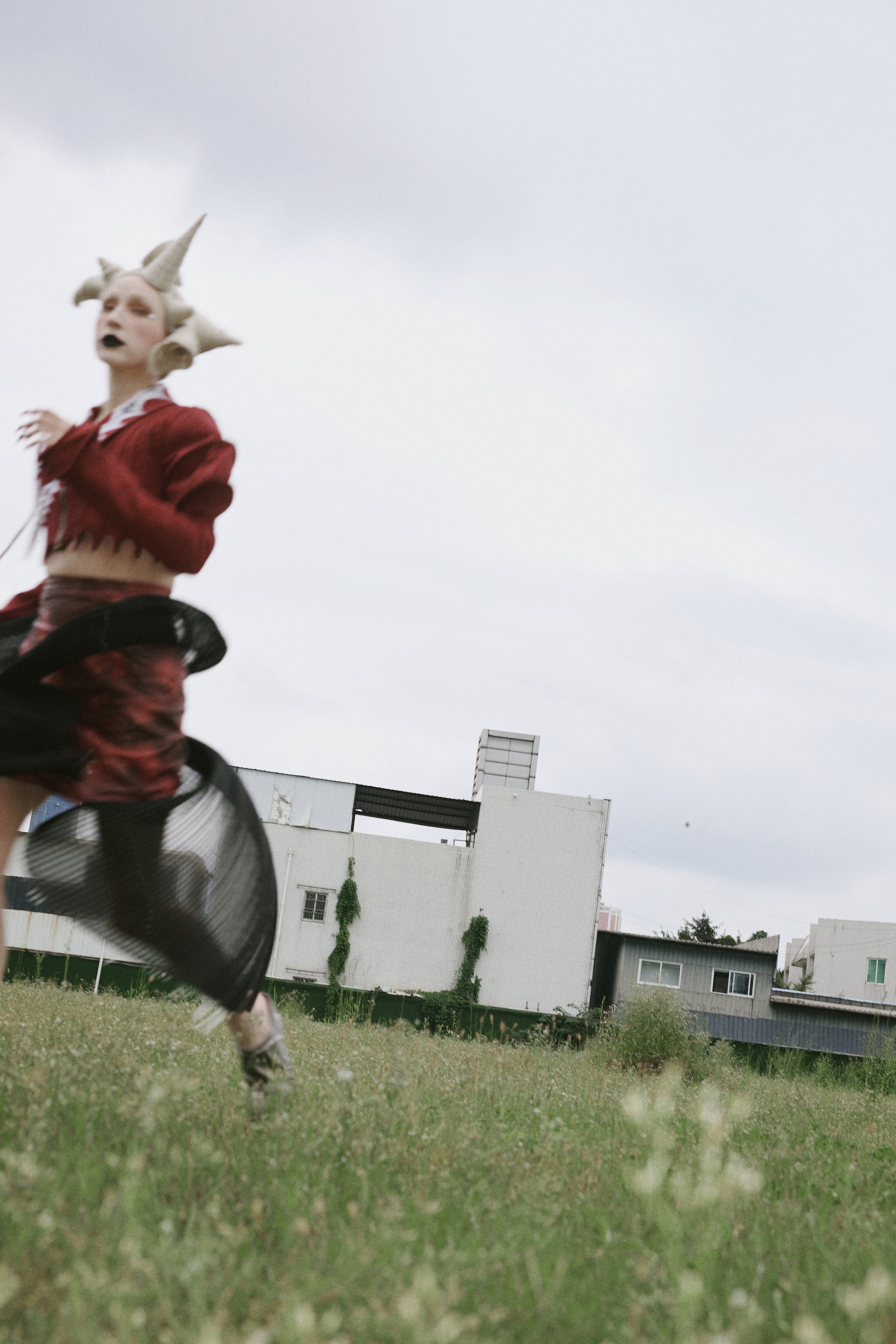
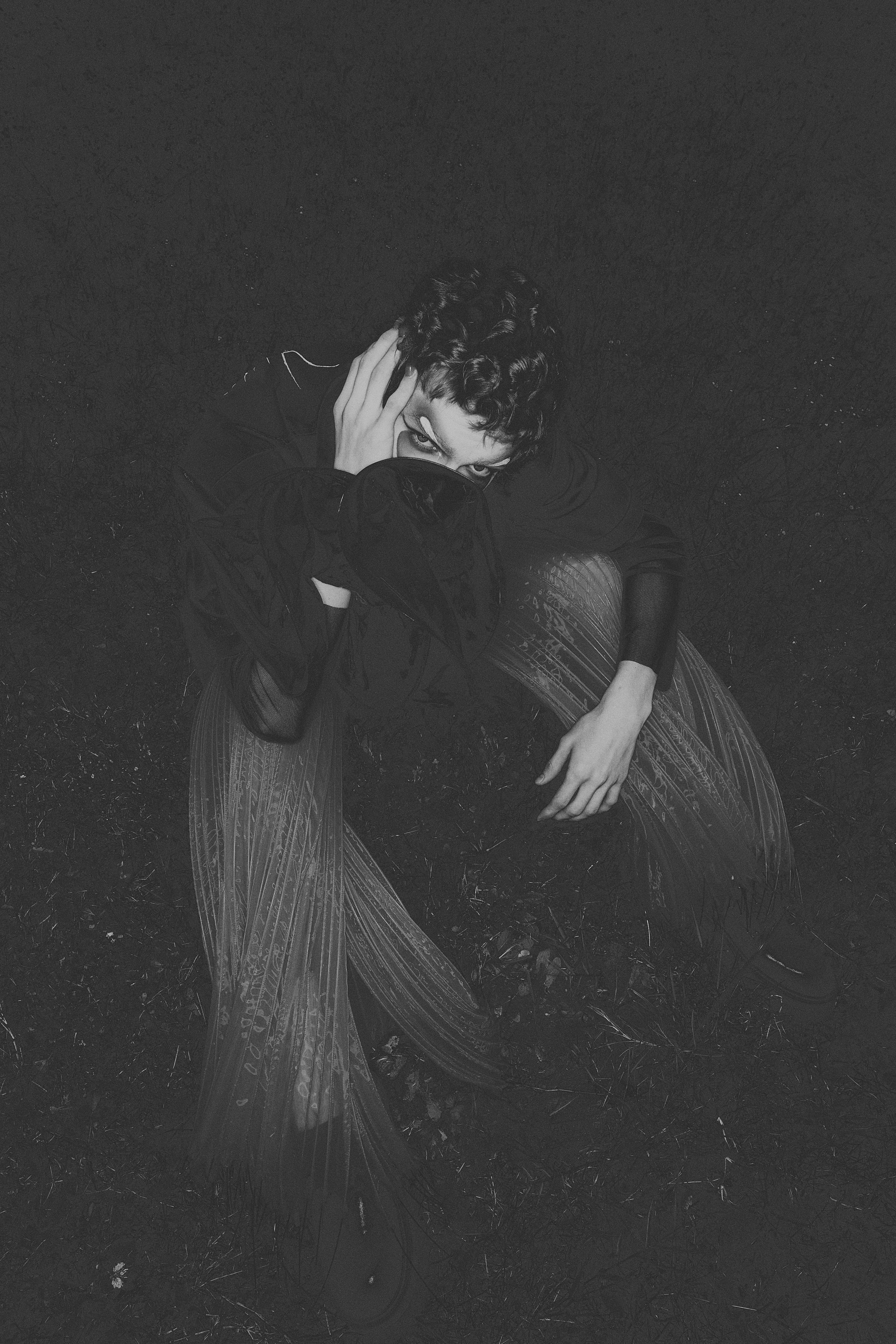
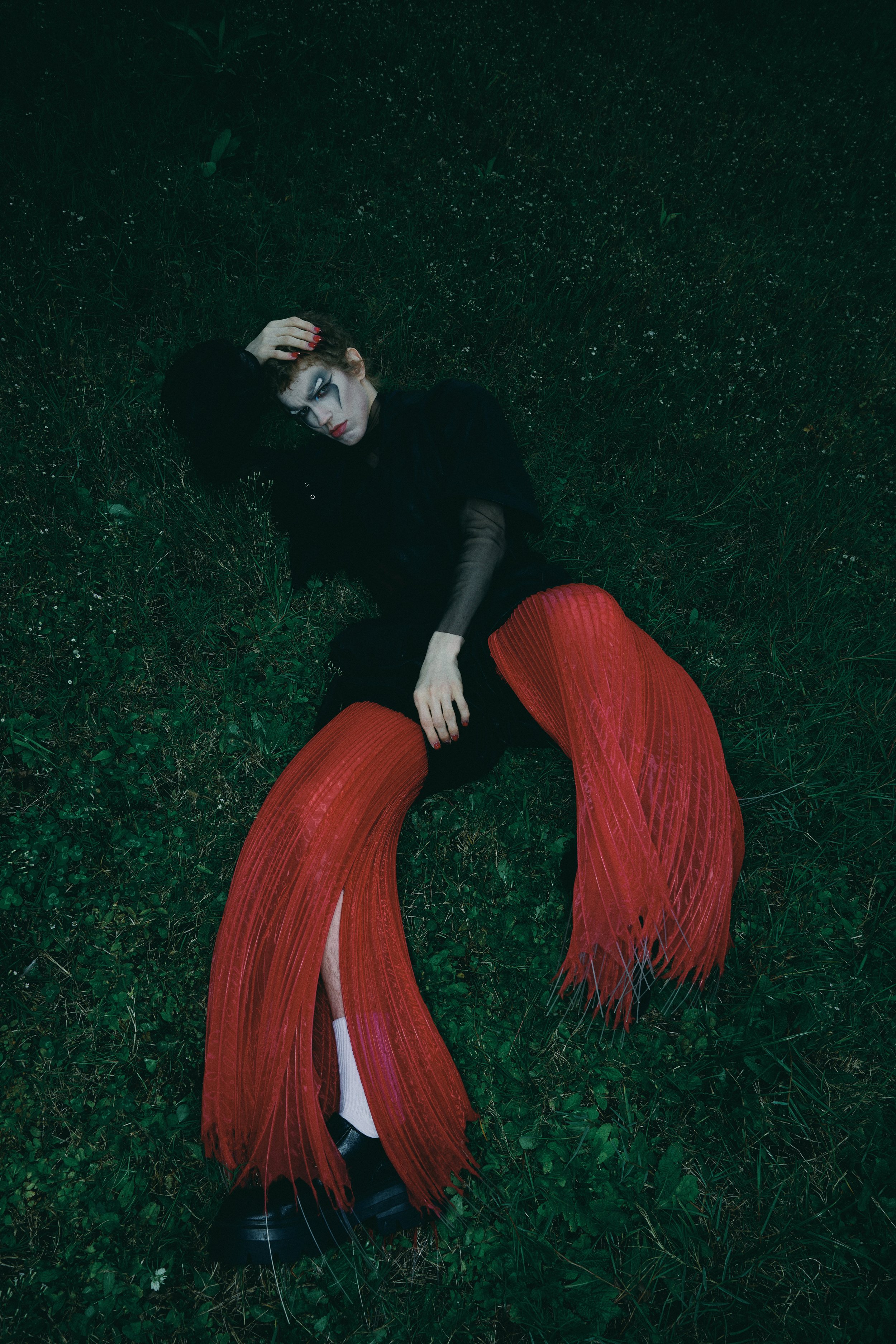
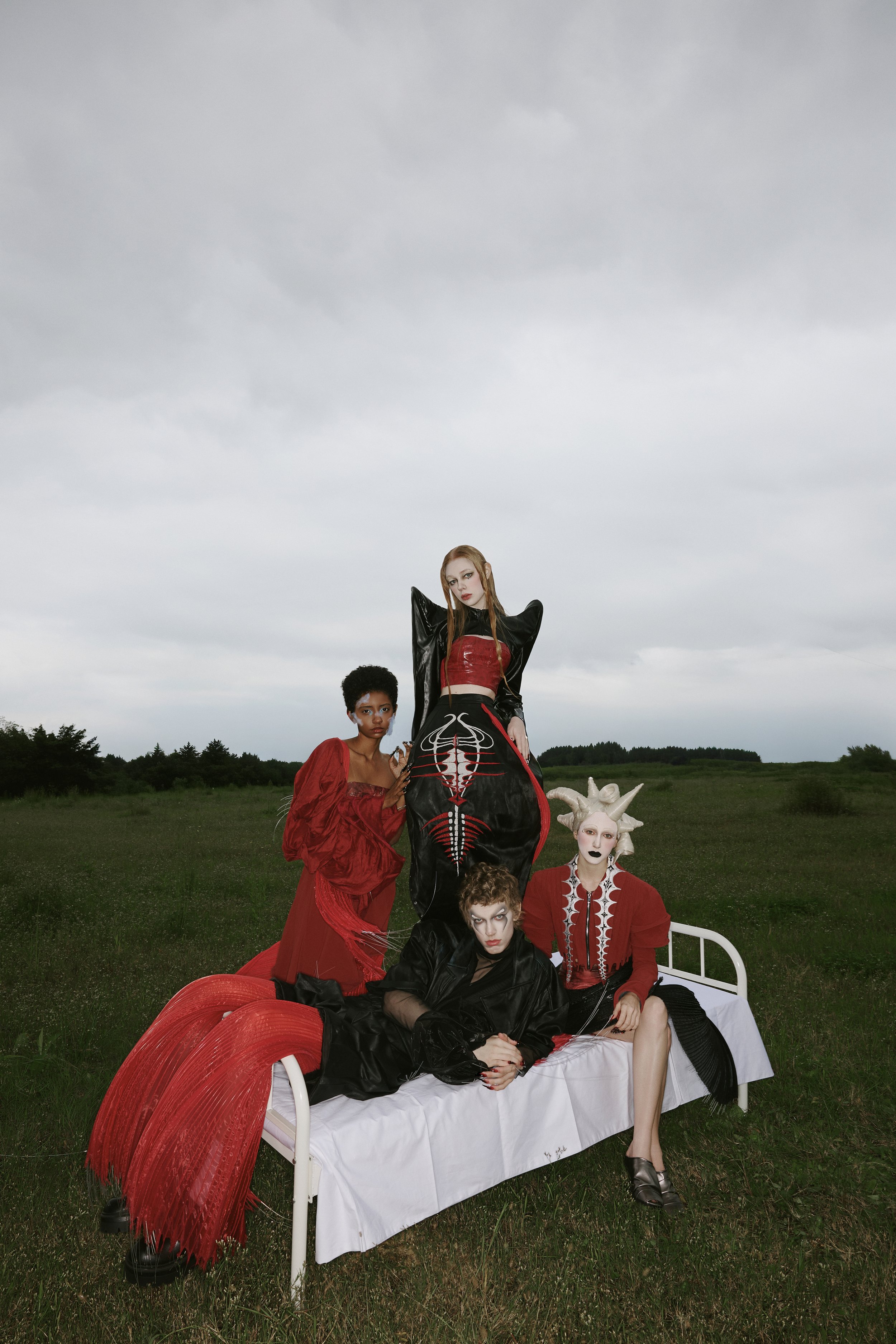
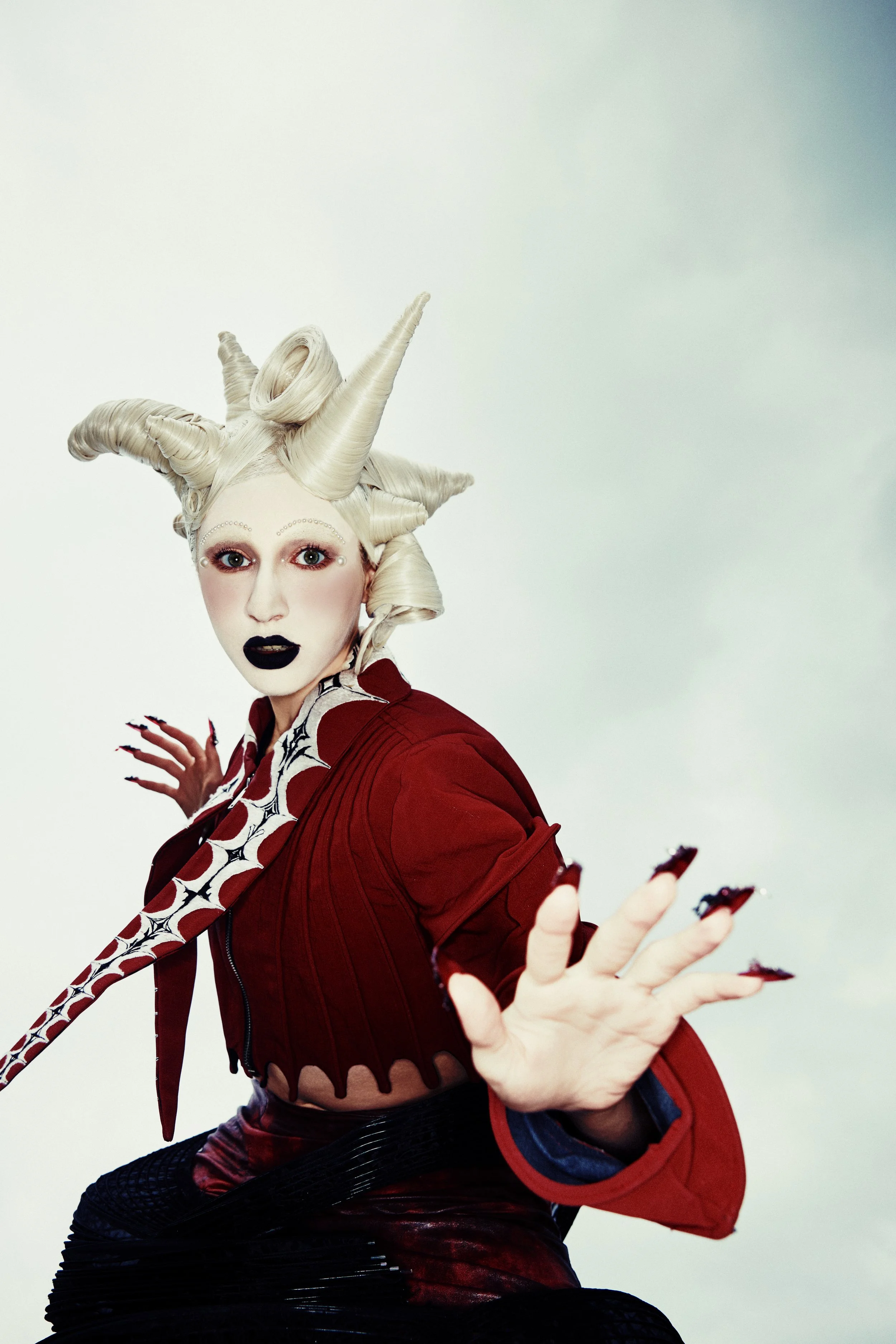
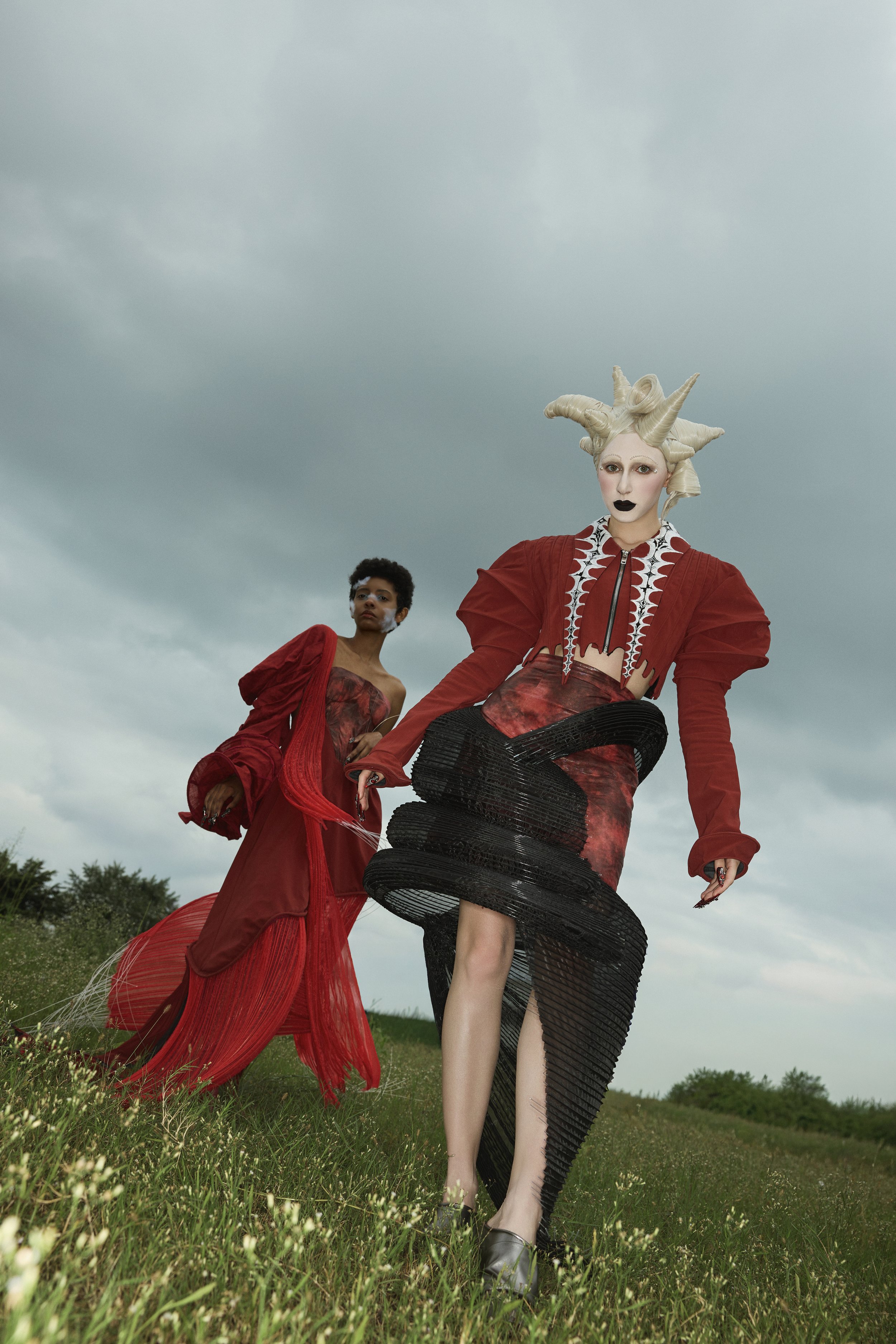
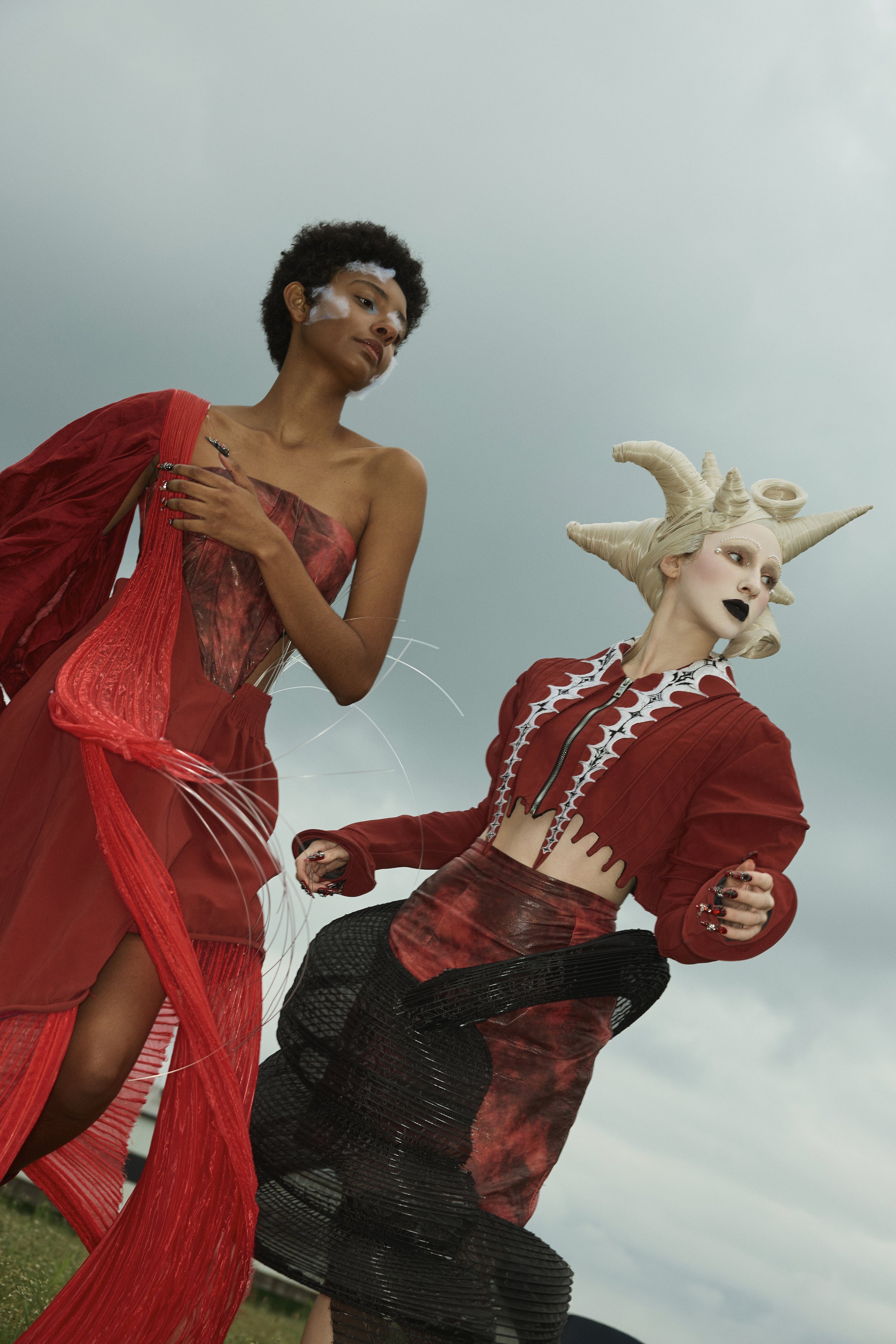
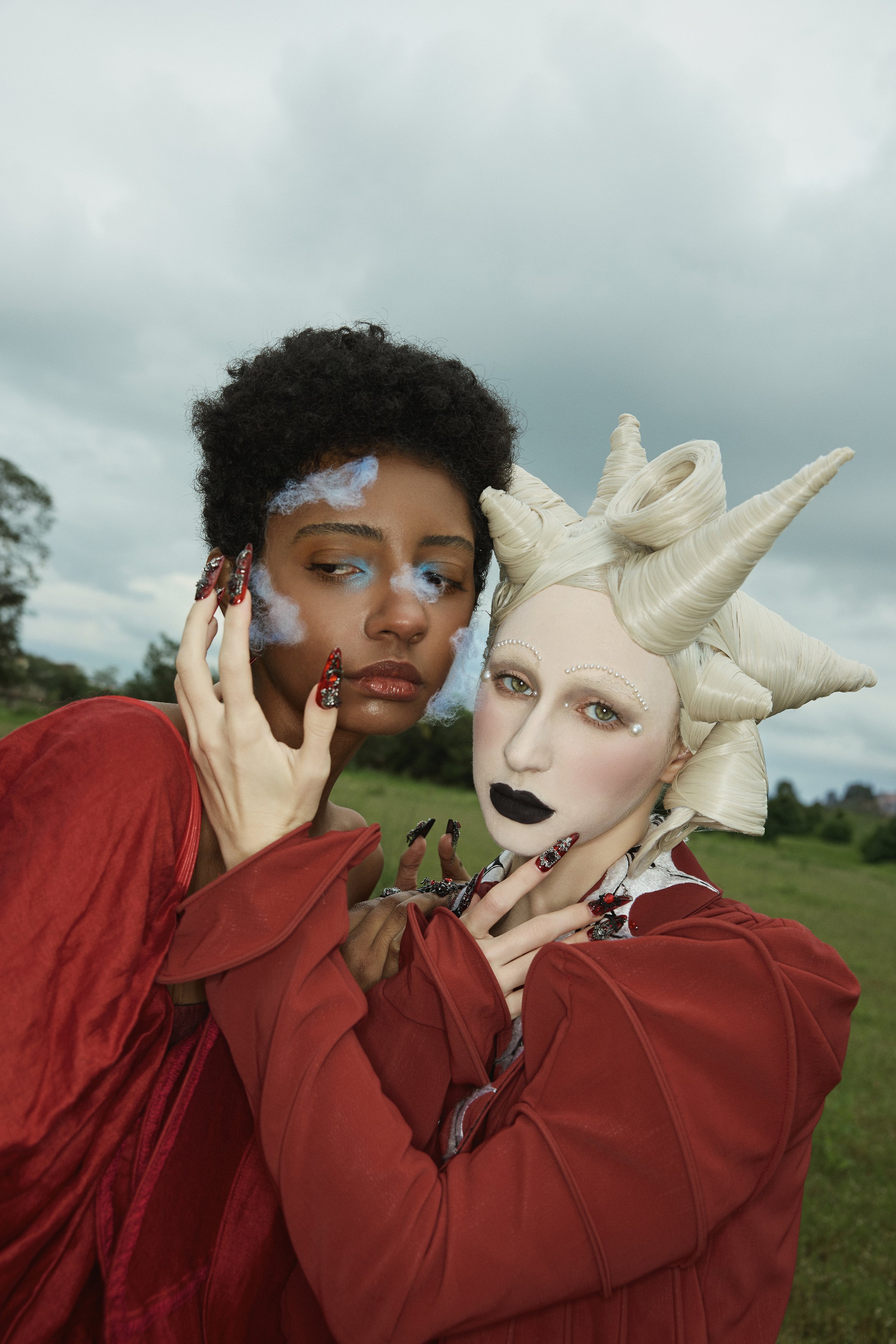
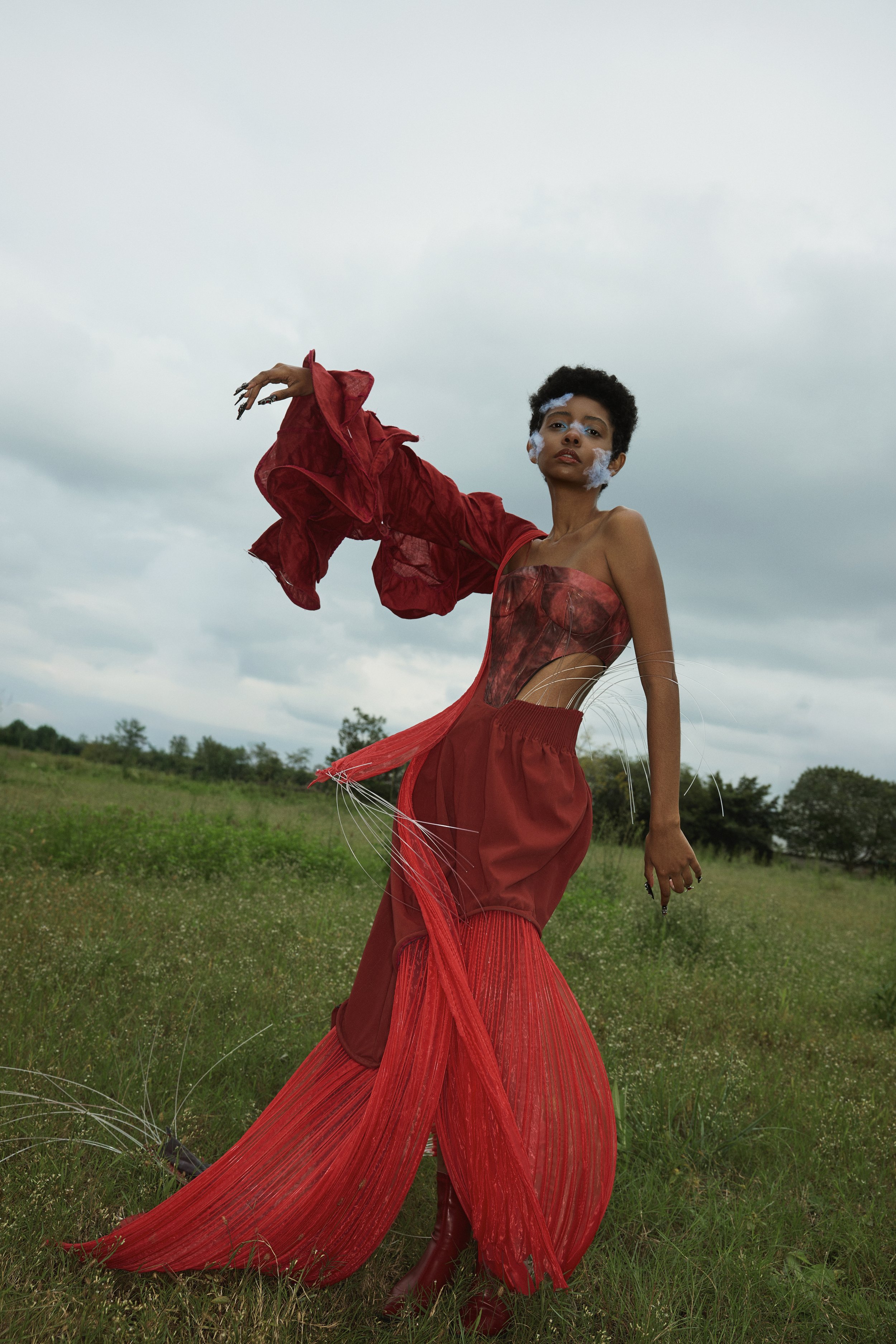
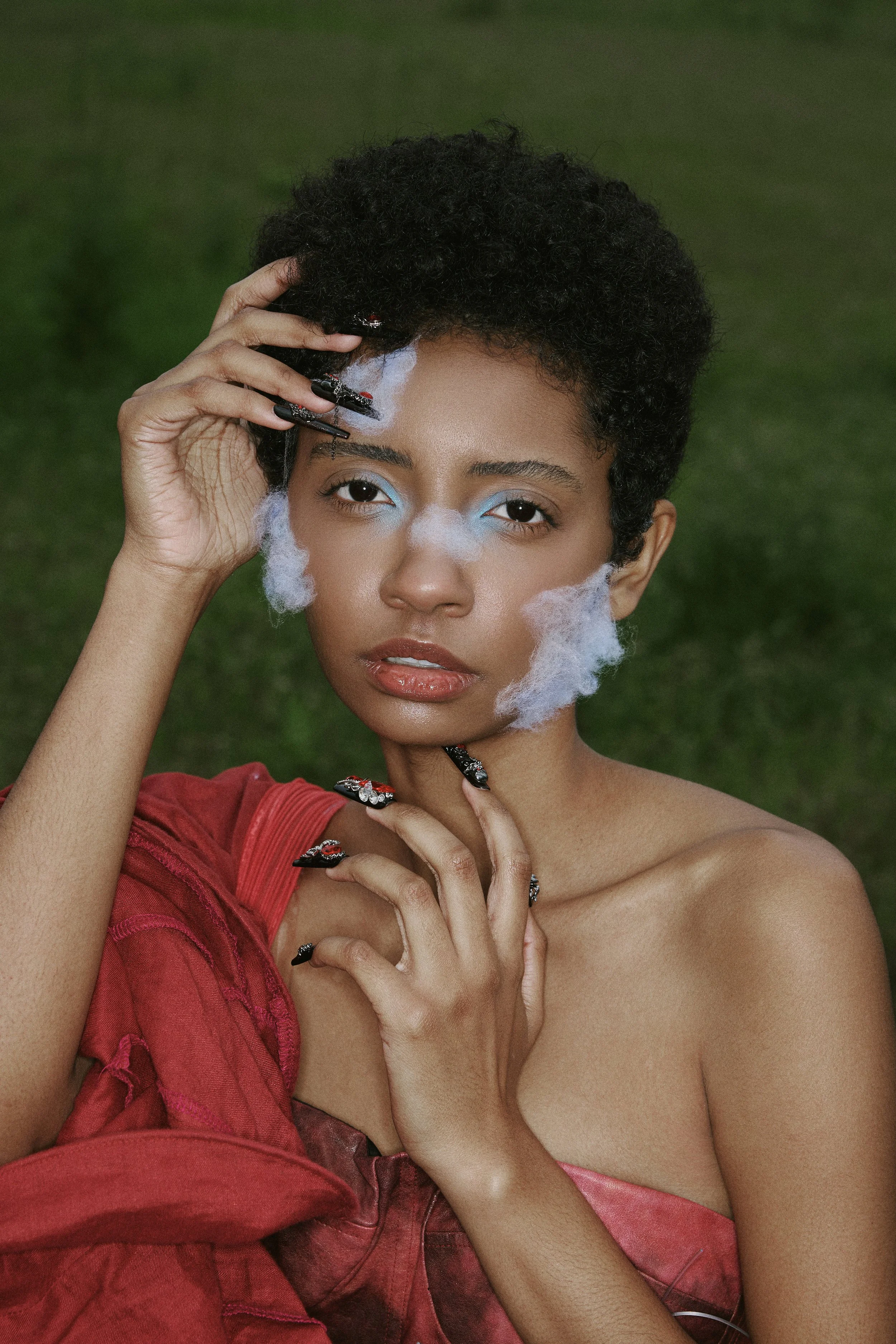
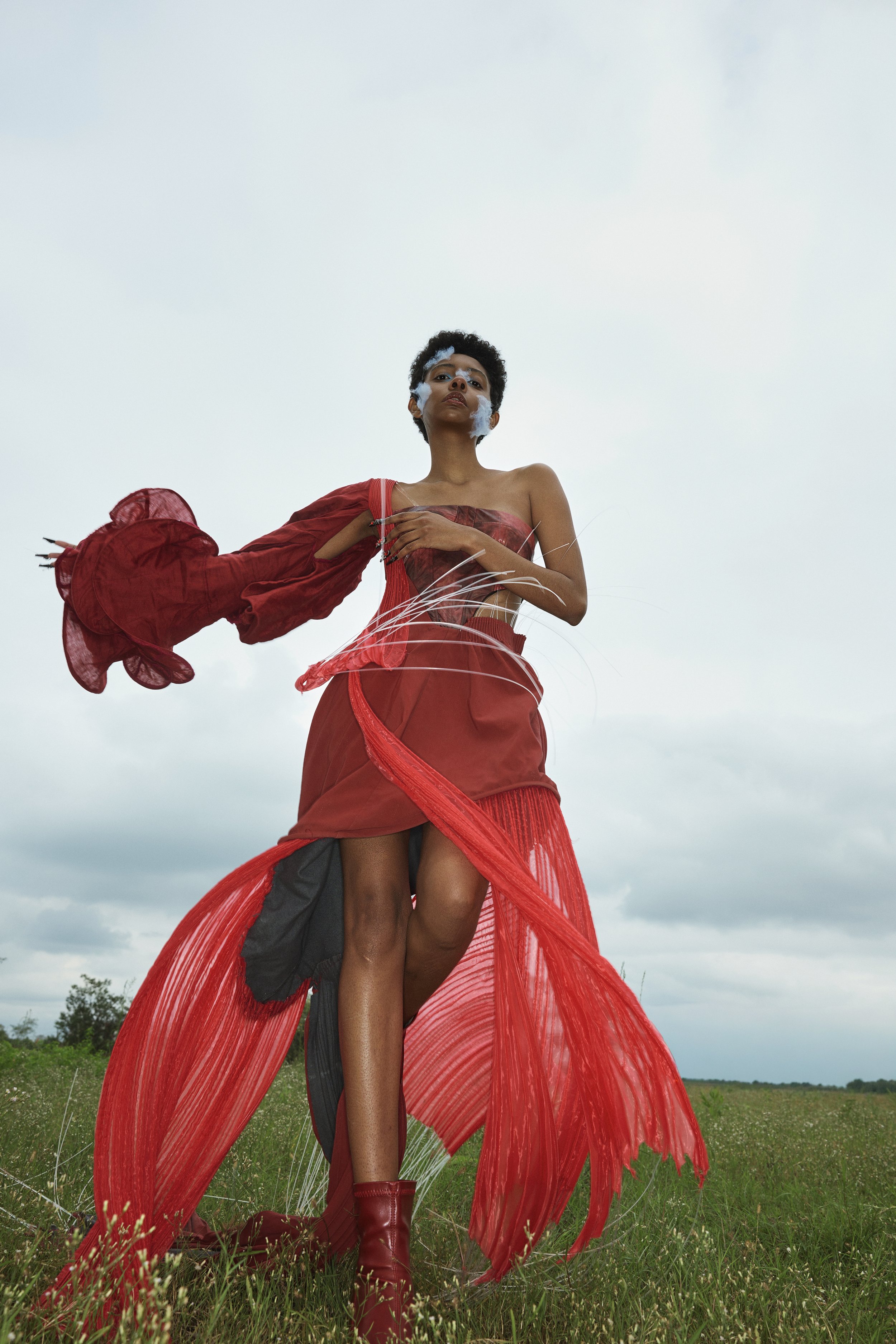
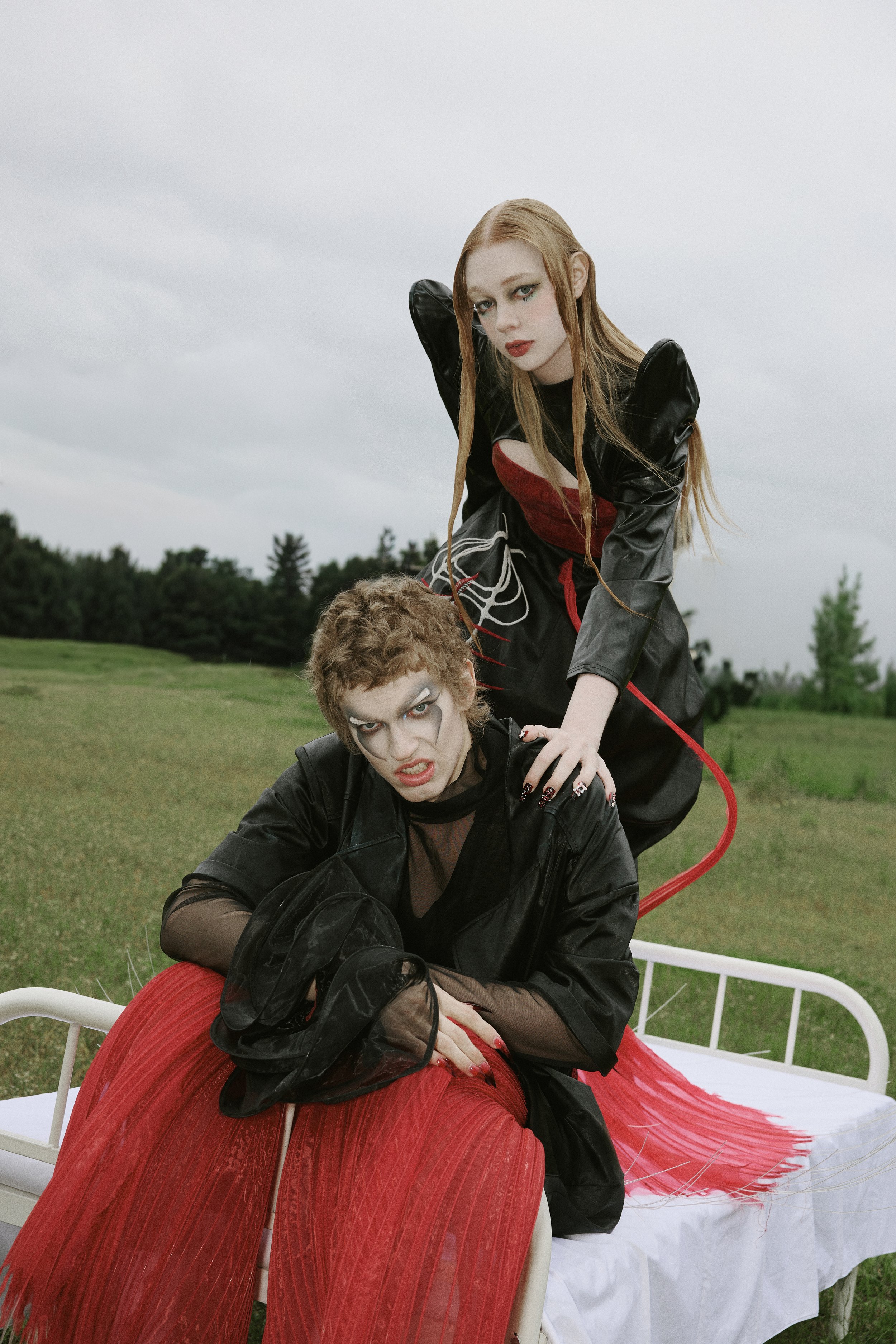
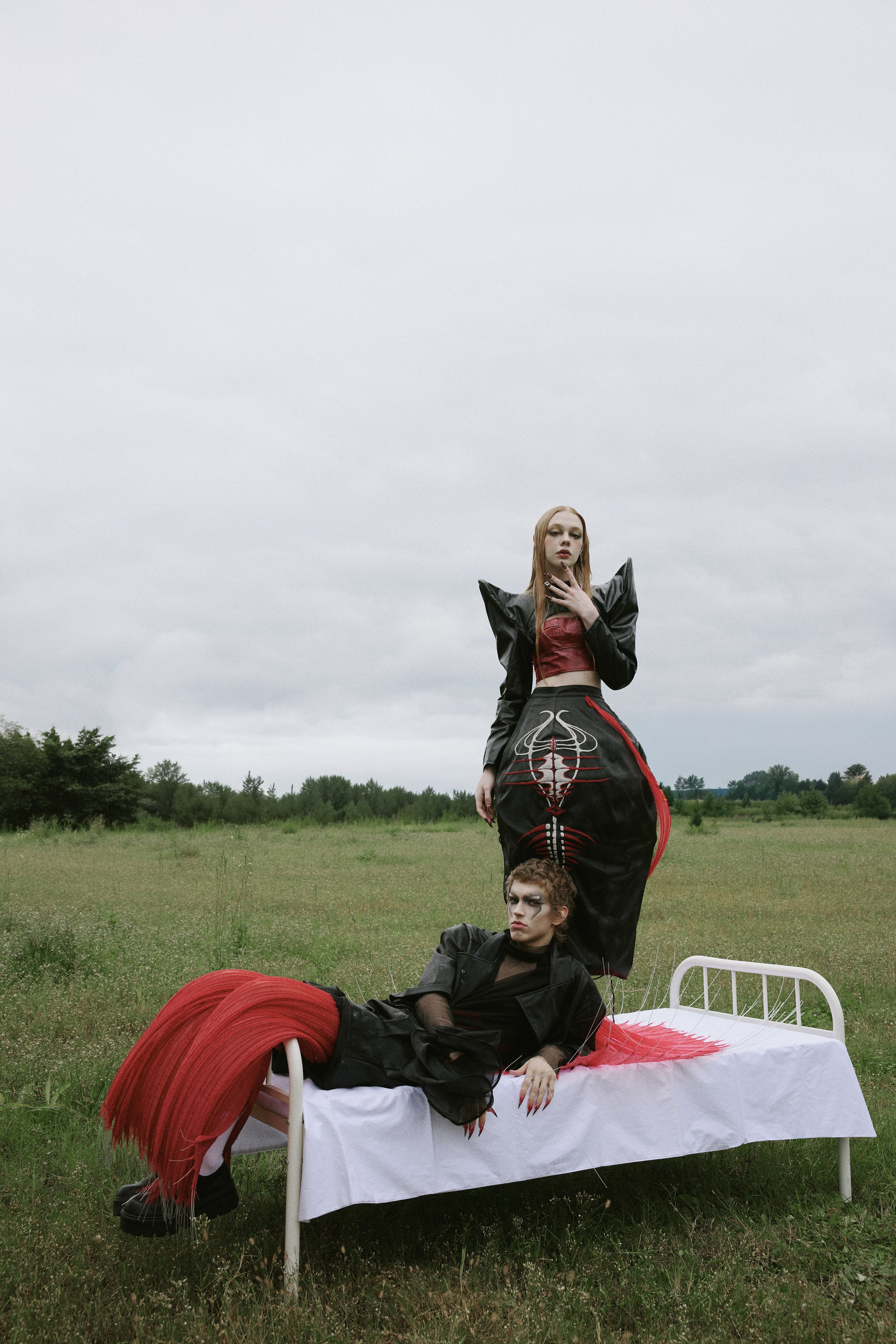
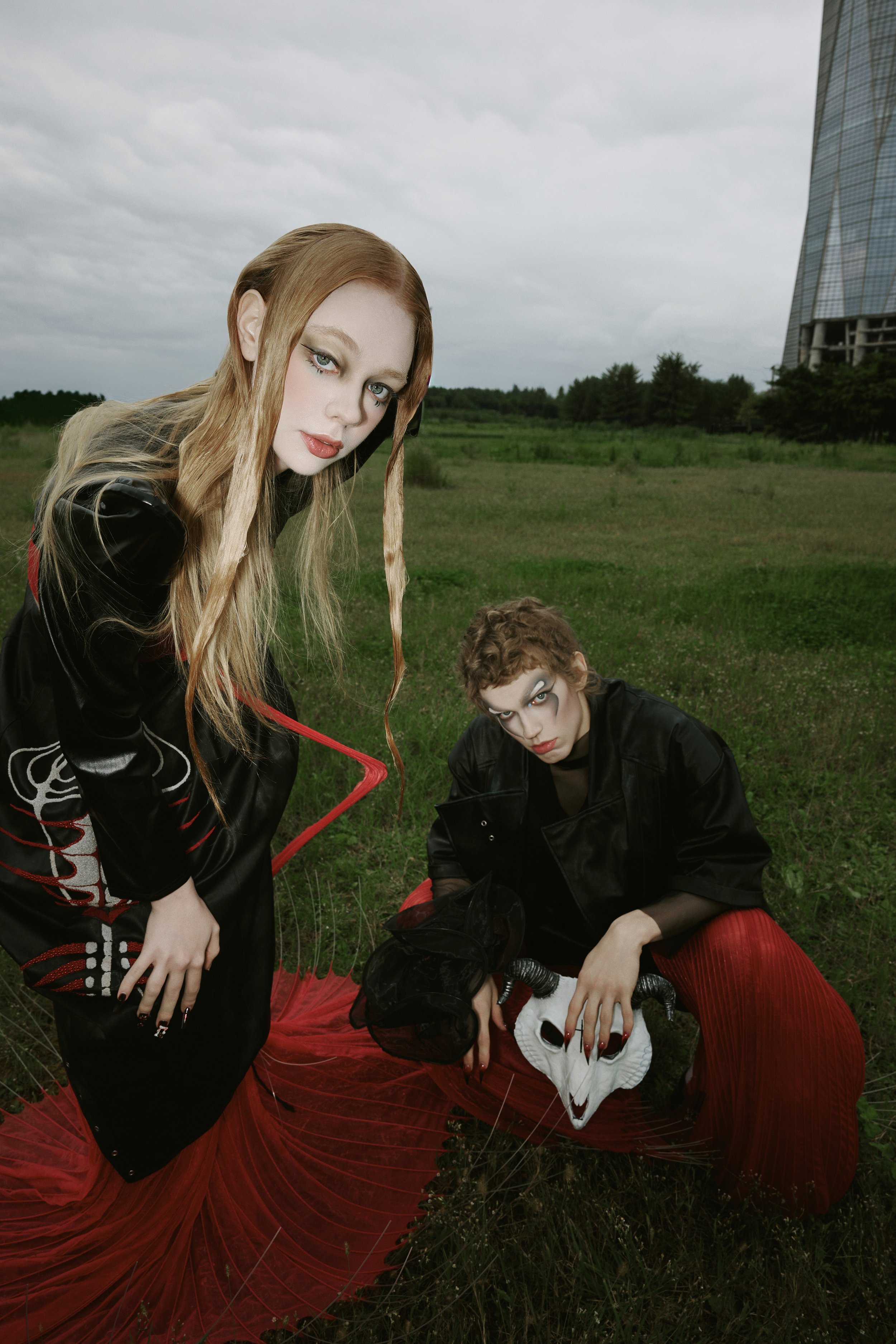
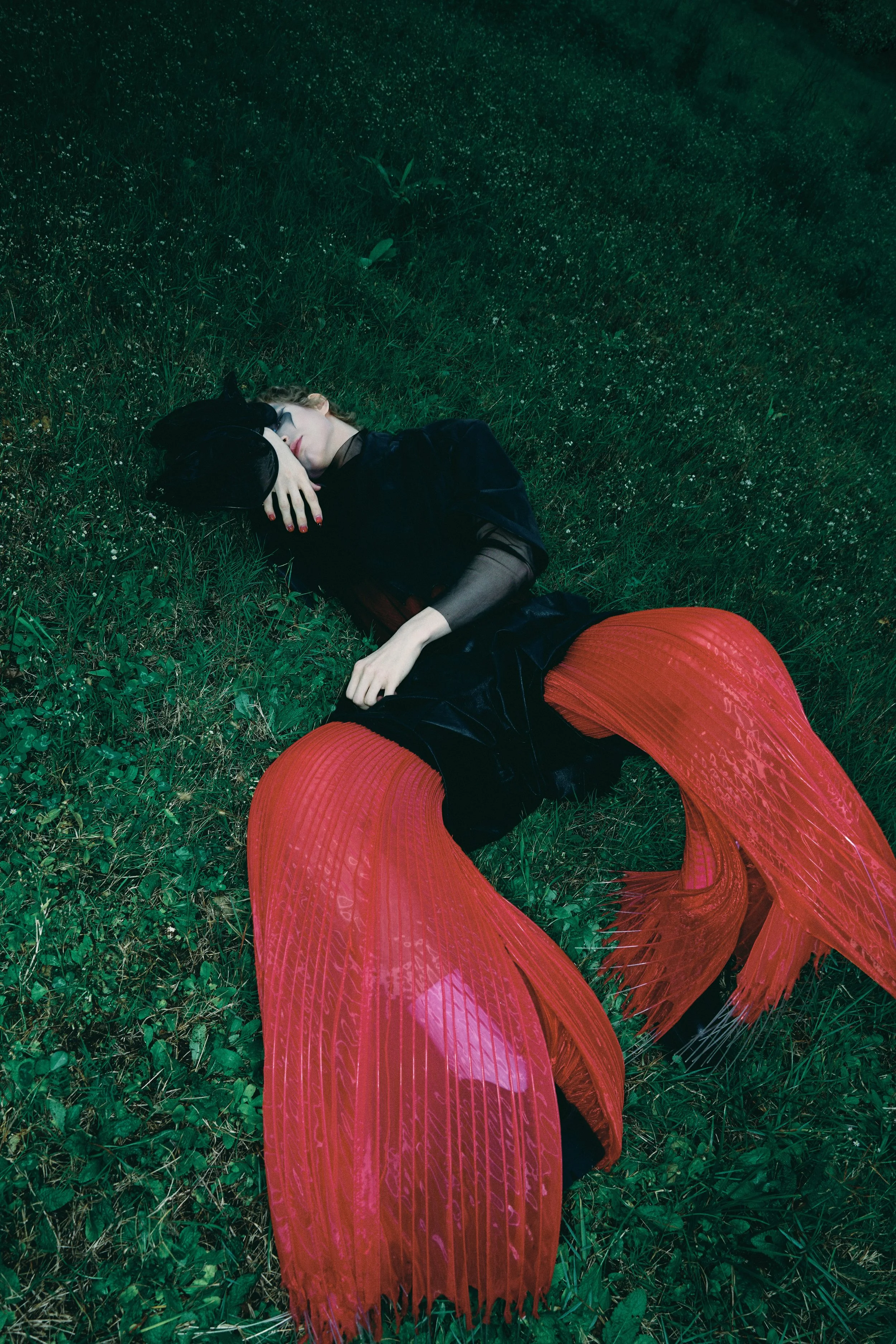
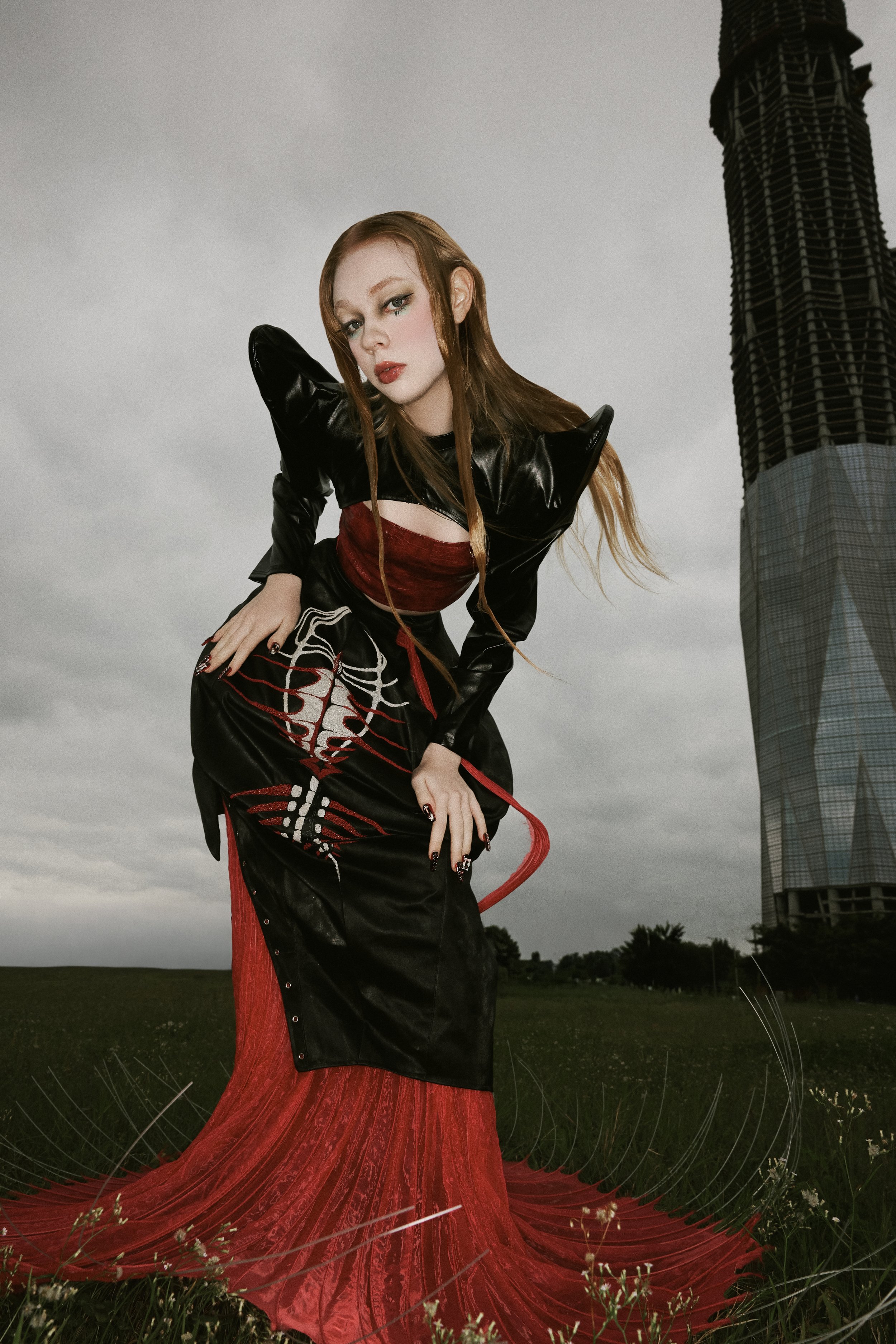
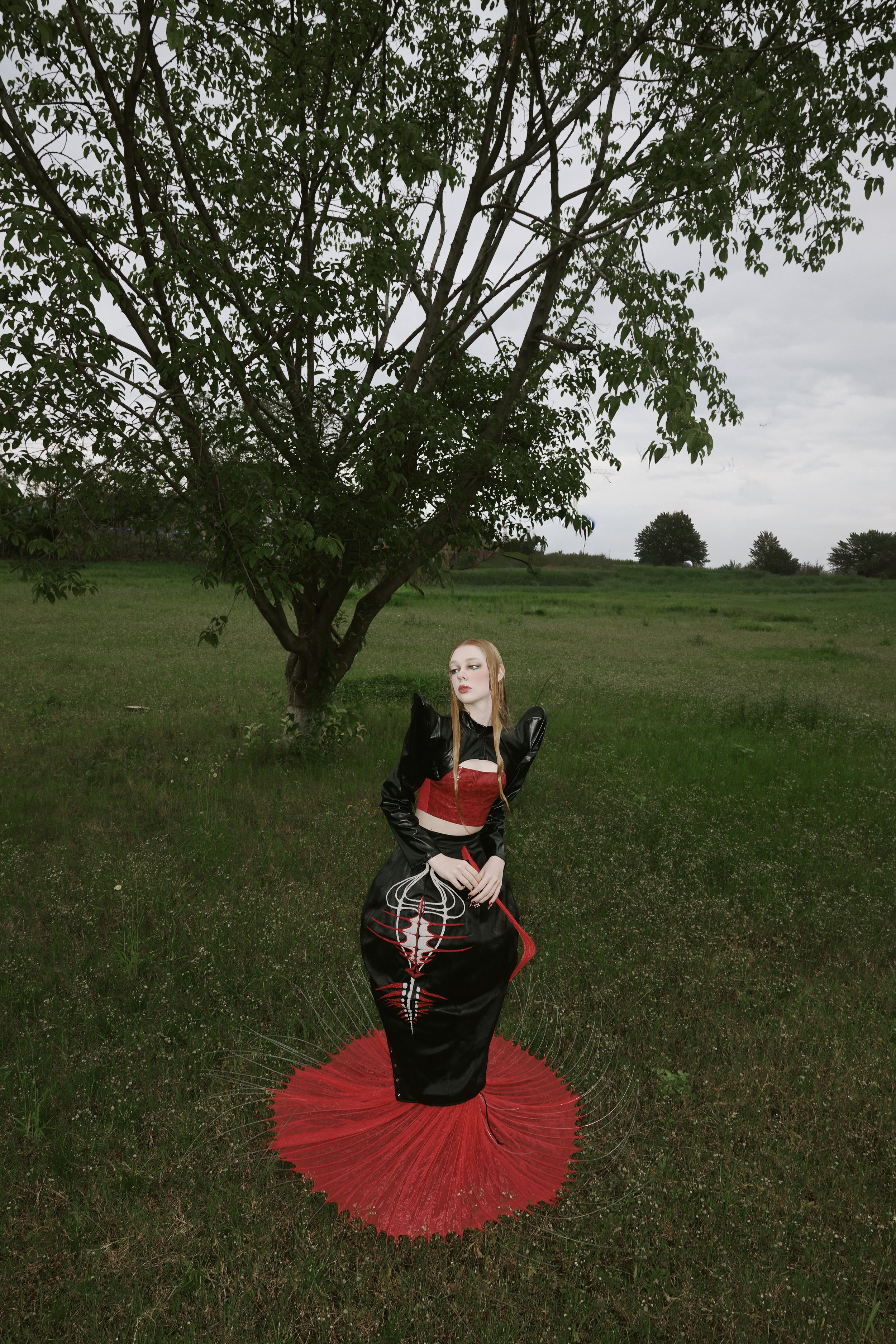
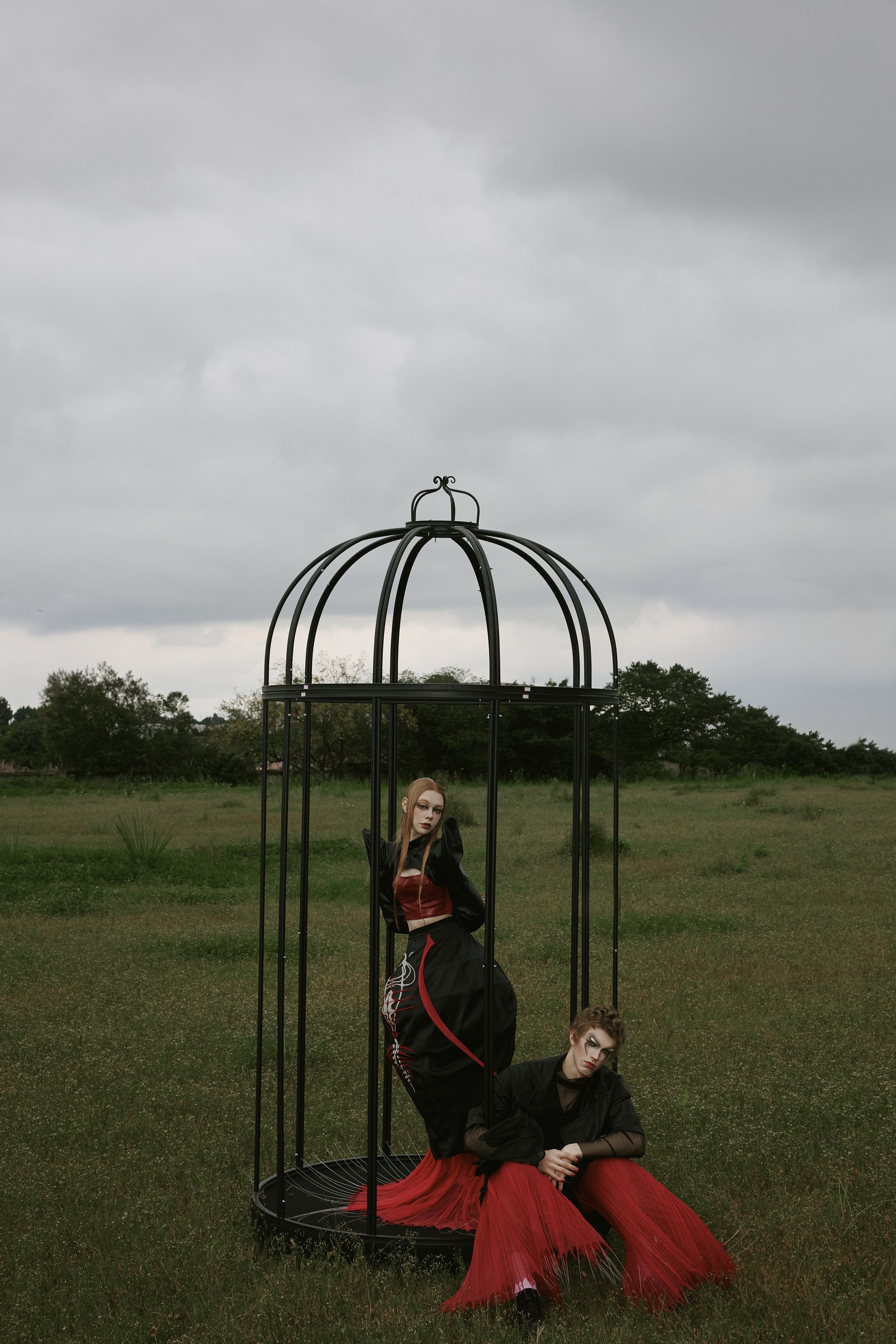
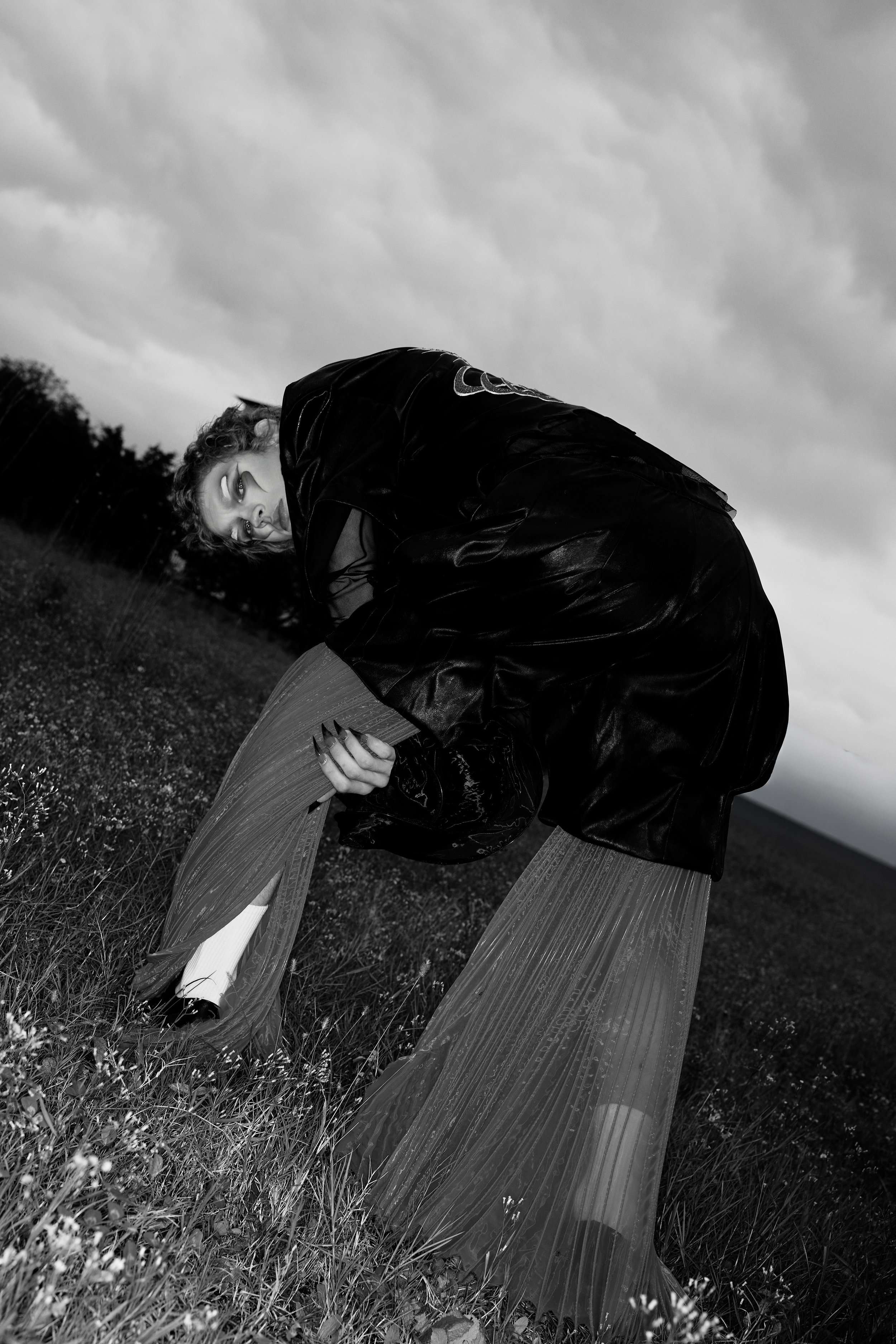
The Body After the Show attempts to capture this “body in the act of withdrawal.” We place the characters in two settings—studio and outdoors. The studio retains the residual glow of the stage, while the exterior resembles a wasteland after the audience has dispersed. Within these two spaces, the body appears detached, disordered, and fragile, as if undergoing a drift in identity. Through this disjunction of space and emotion, I hope to reveal that characters become characters not only because they are written into a story, but also because they are sustained within a certain structure of looking.
The work thus resonates with the exhibition Ending Credits: one presents the body after its exit, while the other points to the names that appear in the final credits. The former attends to the residual energy left in the body; the latter examines how identity is translated into symbols. Together, they form a narrative about how a character comes to an end—through body, costume, gesture, memory, and the moment when the soul quietly withdraws.
《The Body After the Show》尝试捕捉这种“退场中的身体状态”。我们让角色在棚 内与户外两个场景中徘徊:棚内是余光未散的舞台,外景则像散场后的荒原。身体在这两个 空间中显得游离、失序又脆弱,仿佛正在经历一次身份的漂移。通过这种空间与情绪上的脱 节,我希望让观众看到角色之所以成为角色,不仅因为他们被写入了故事,也因为他们被承 载在某种观看关系之中。 作品因此与展览《Ending Credits》形成呼应:一个呈现退场后的身体,一个指向片尾 字幕中的名字。前者关注身体残留的能量,后者关注身份如何被转译为符号。两者共同构成 了一个关于“角色如何结束”的叙述——身体、服装、姿态、记忆,以及那一刻被悄悄撤离 的灵魂。