傩
WHERE DO THEY GO AFTER THIS
2025 - ongoing
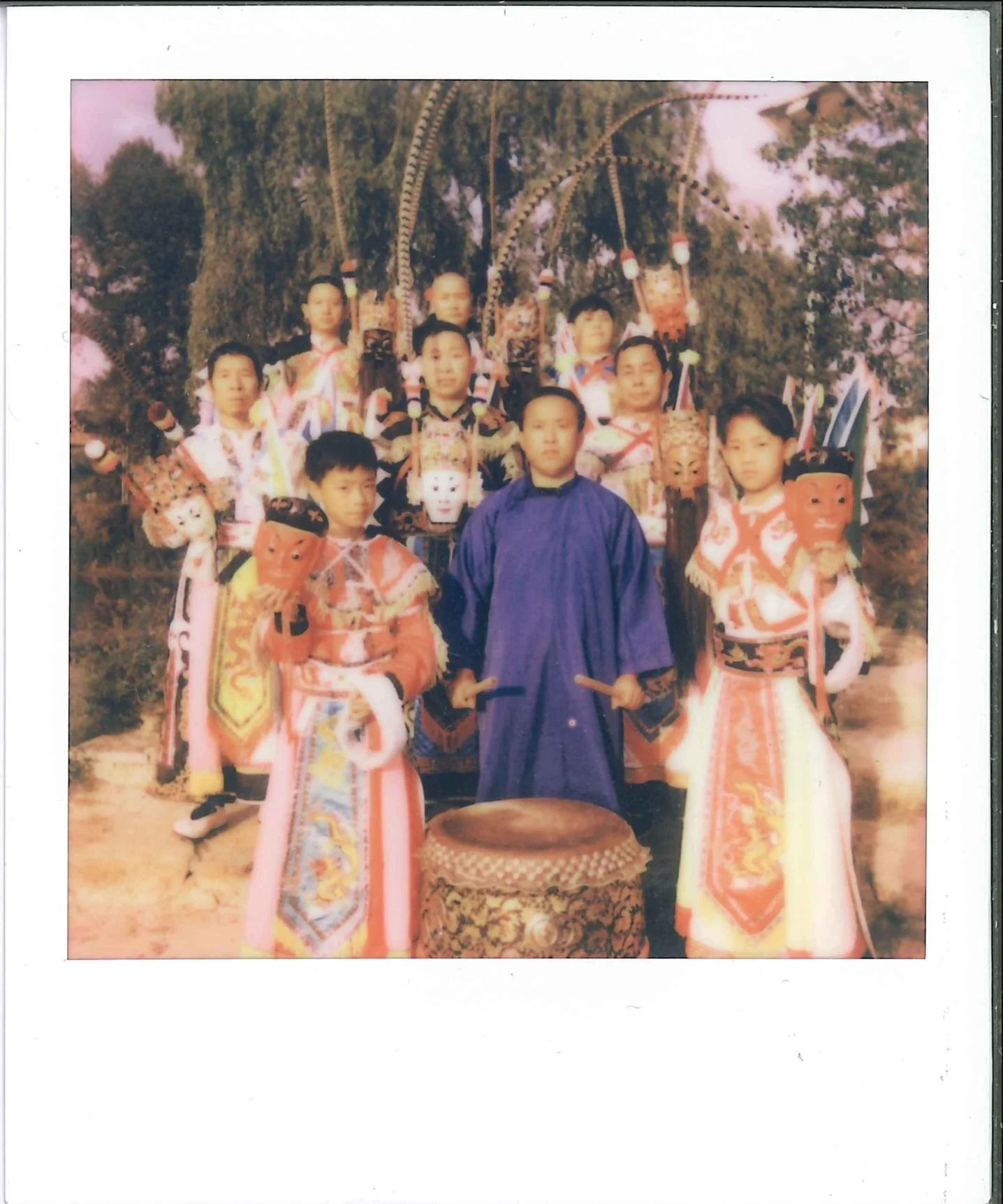
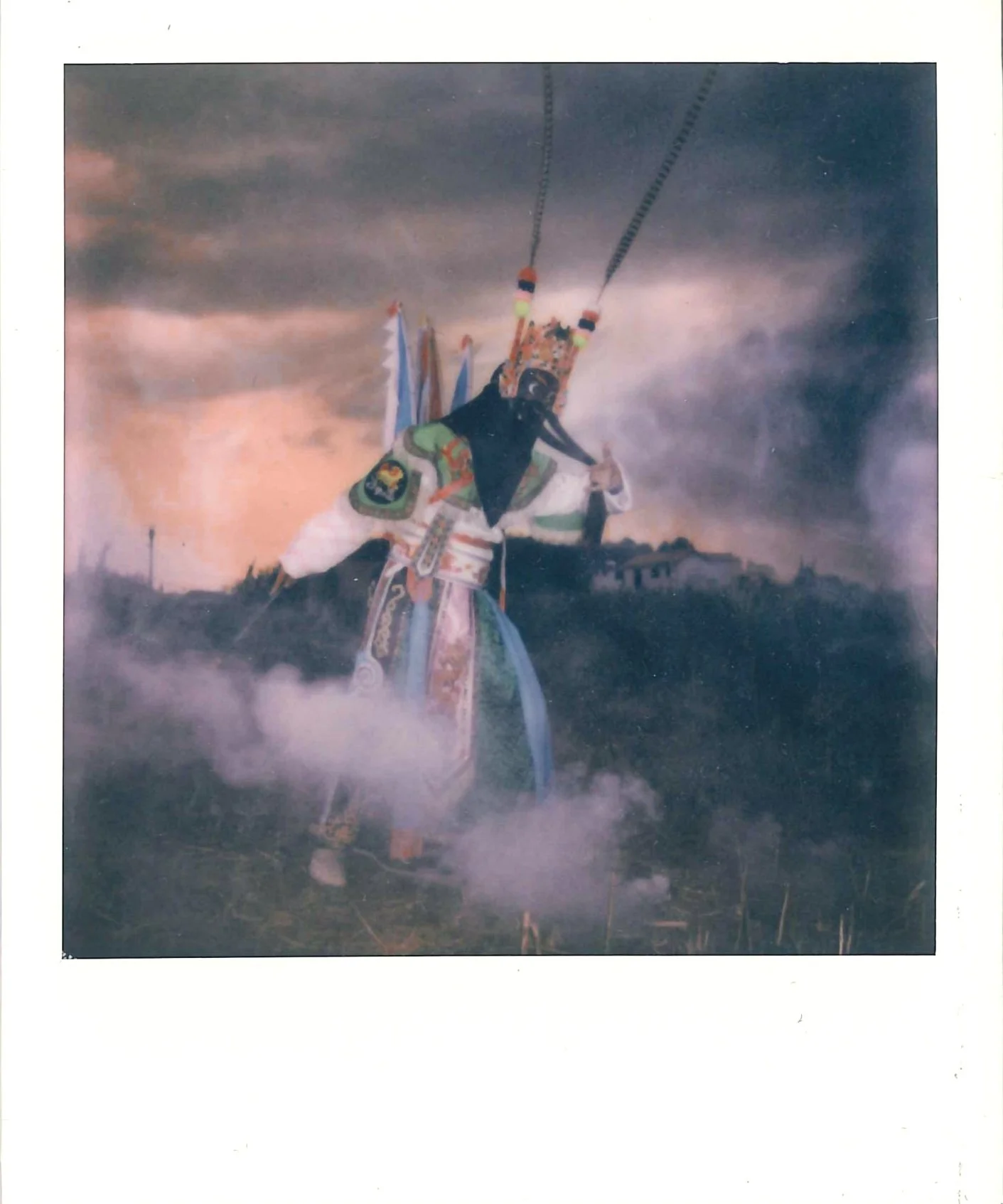
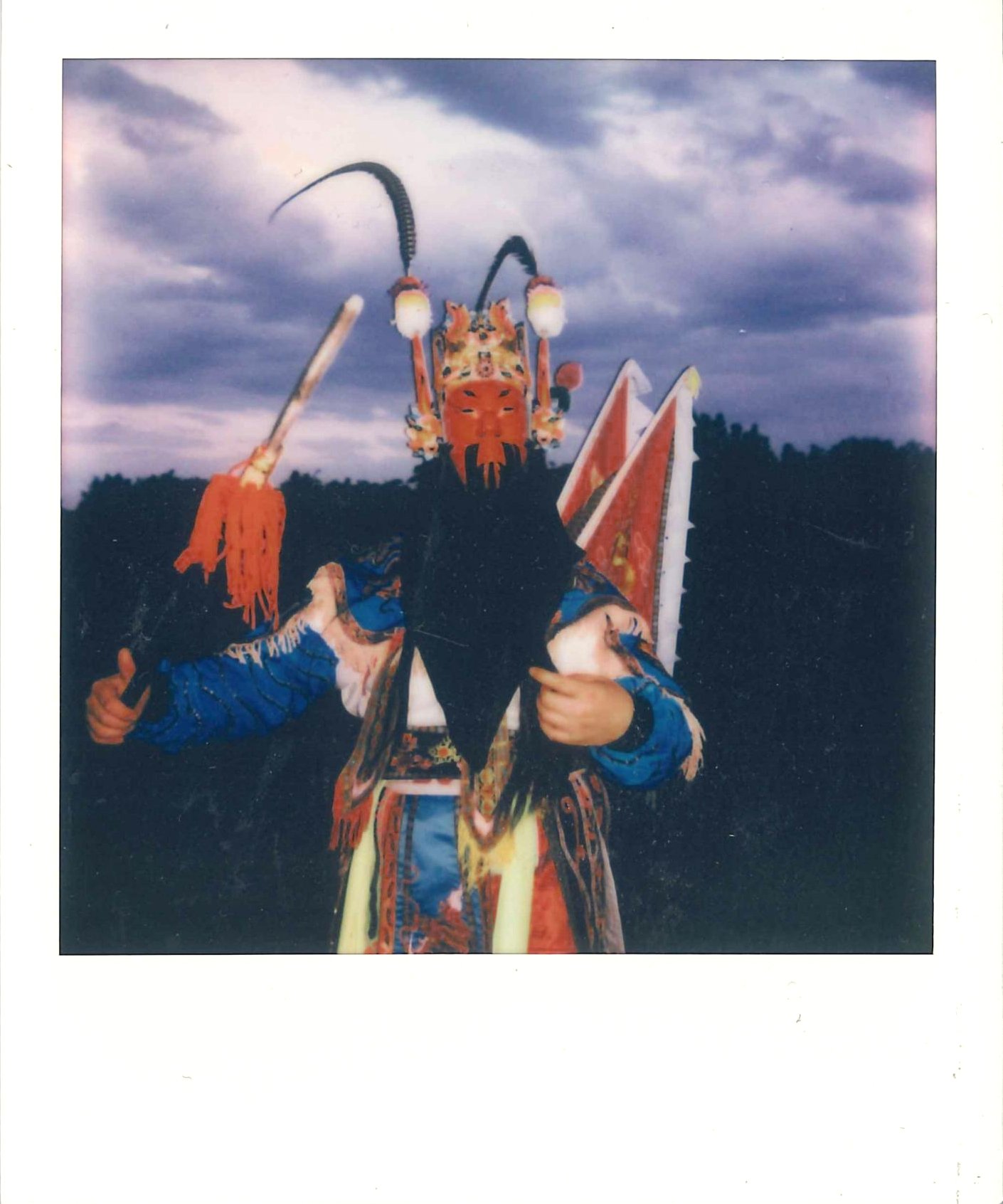
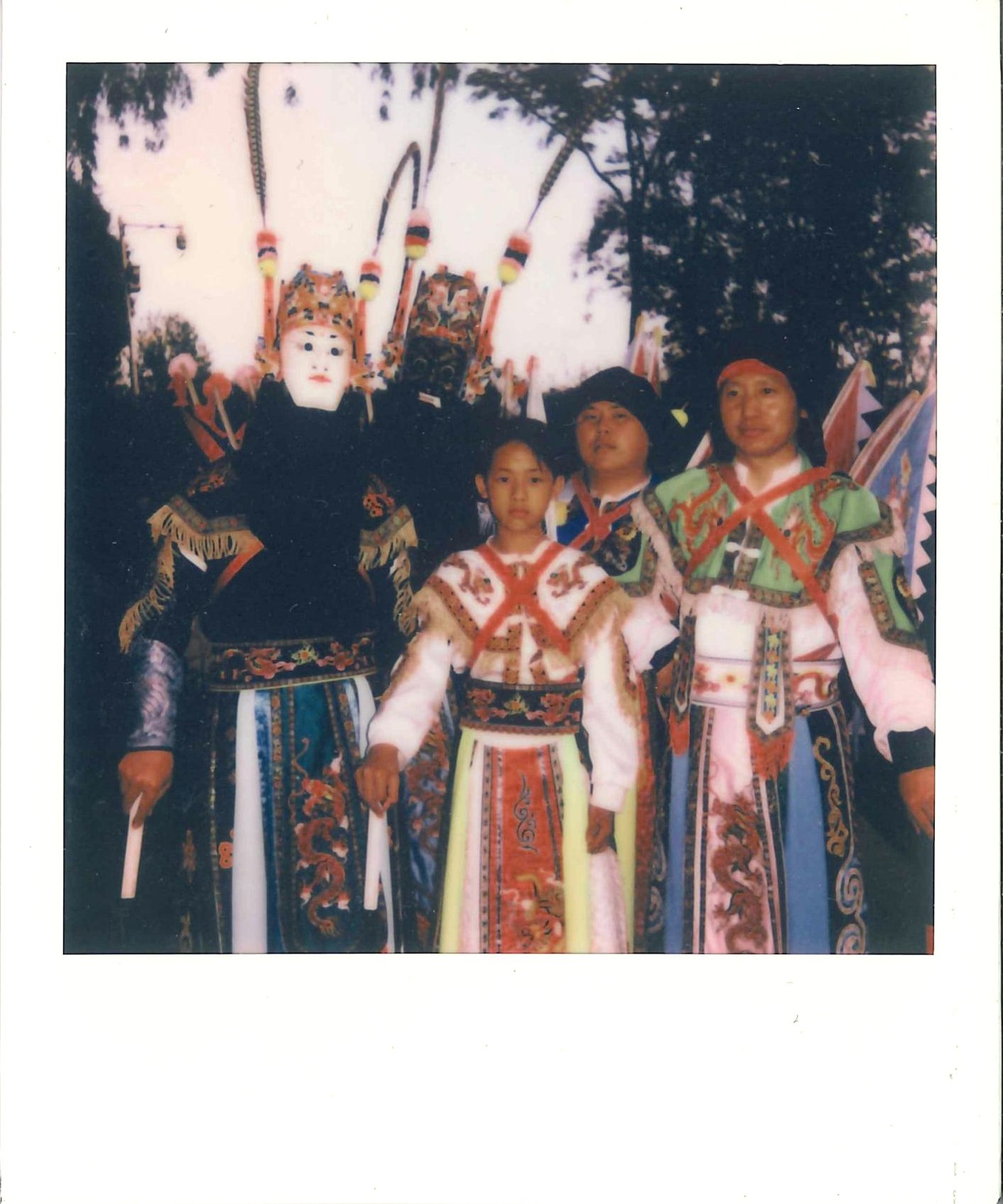
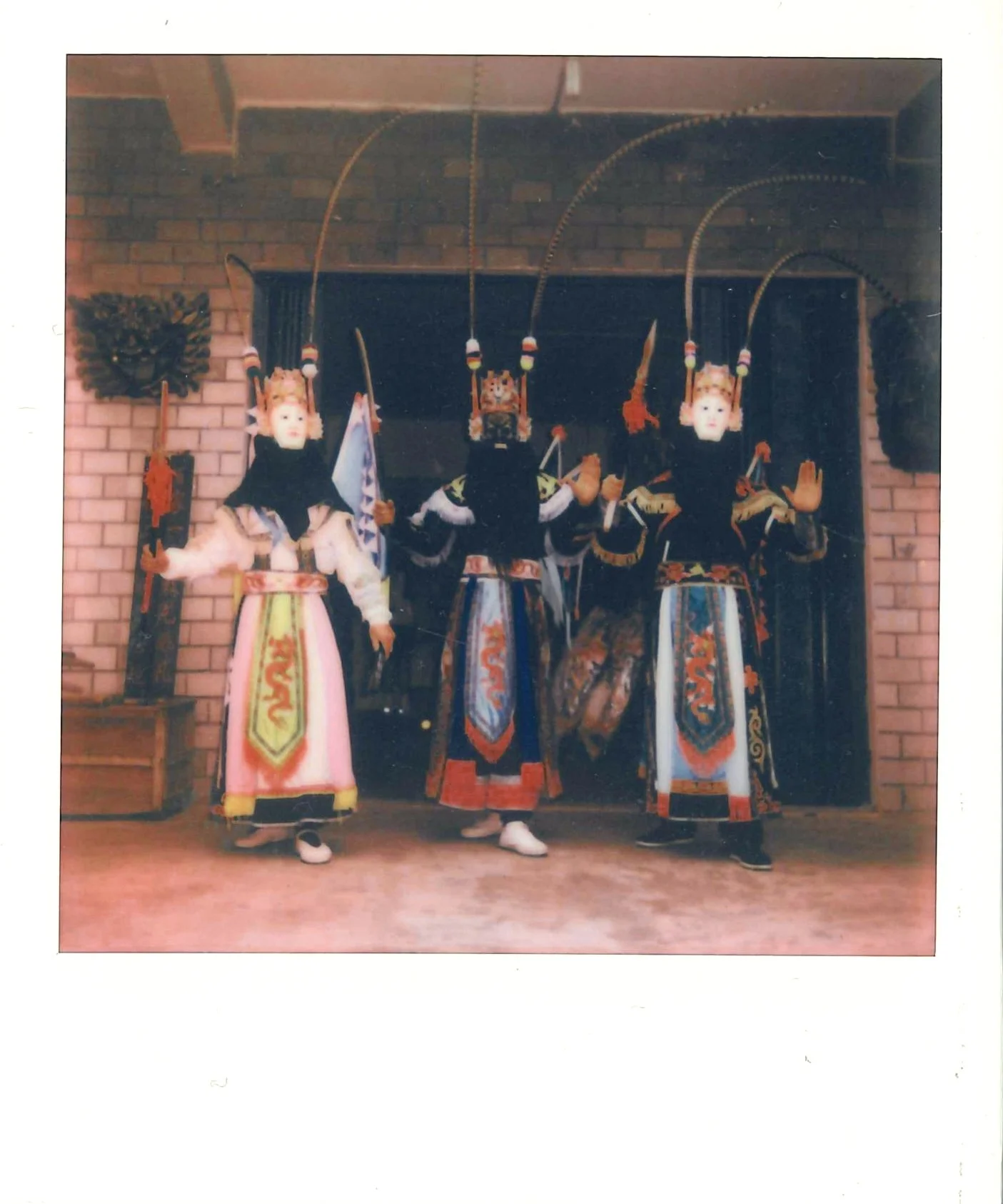
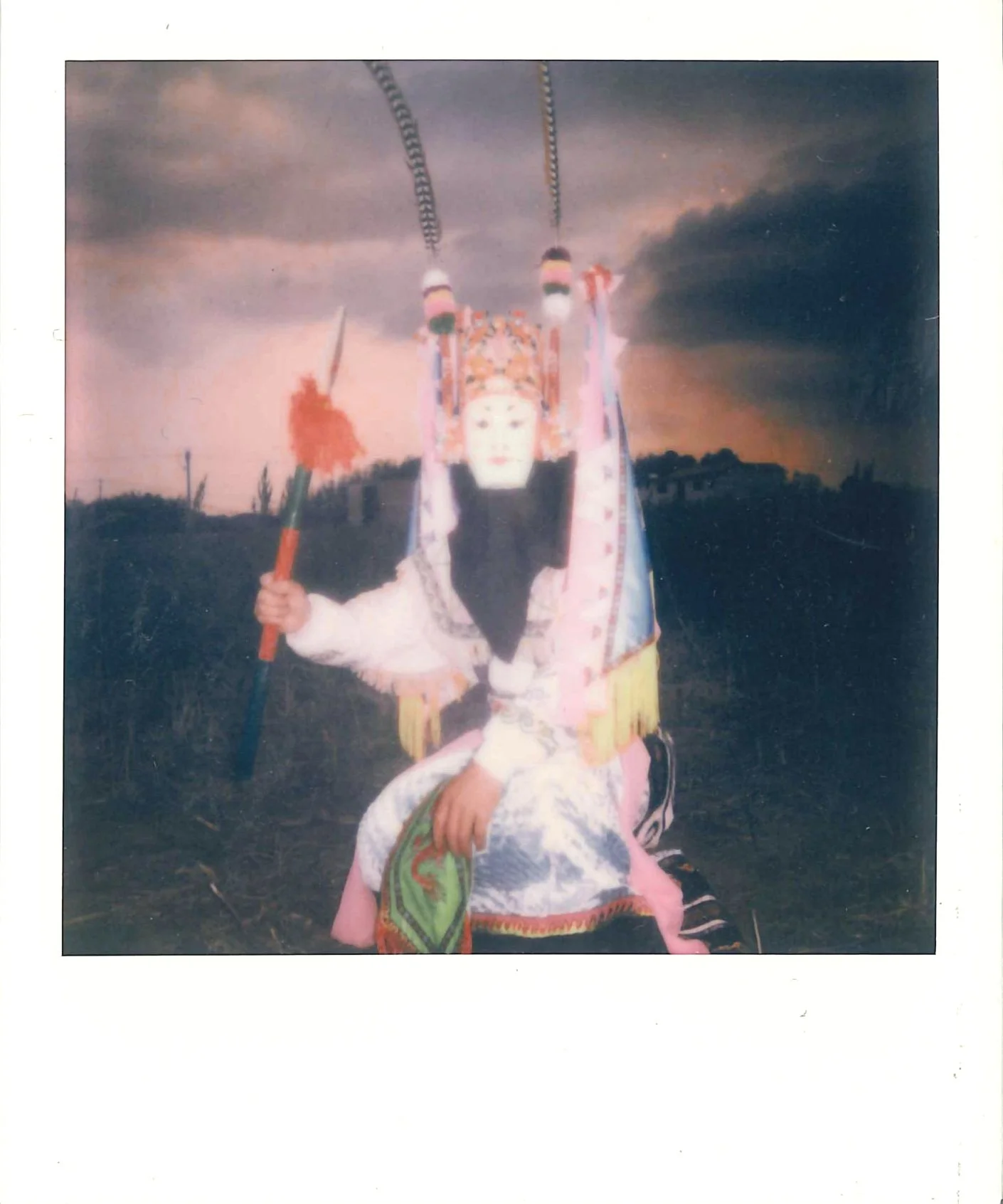
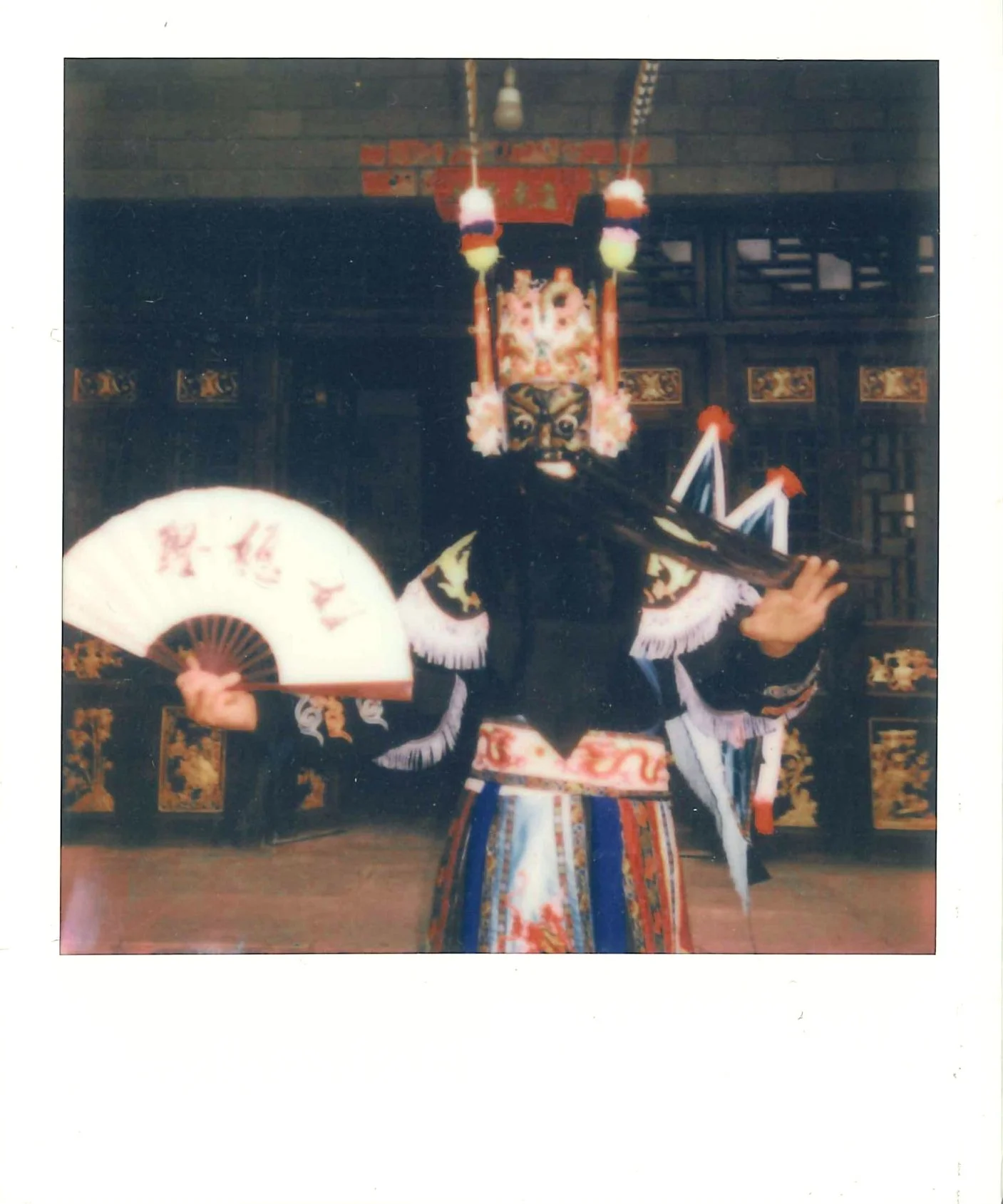
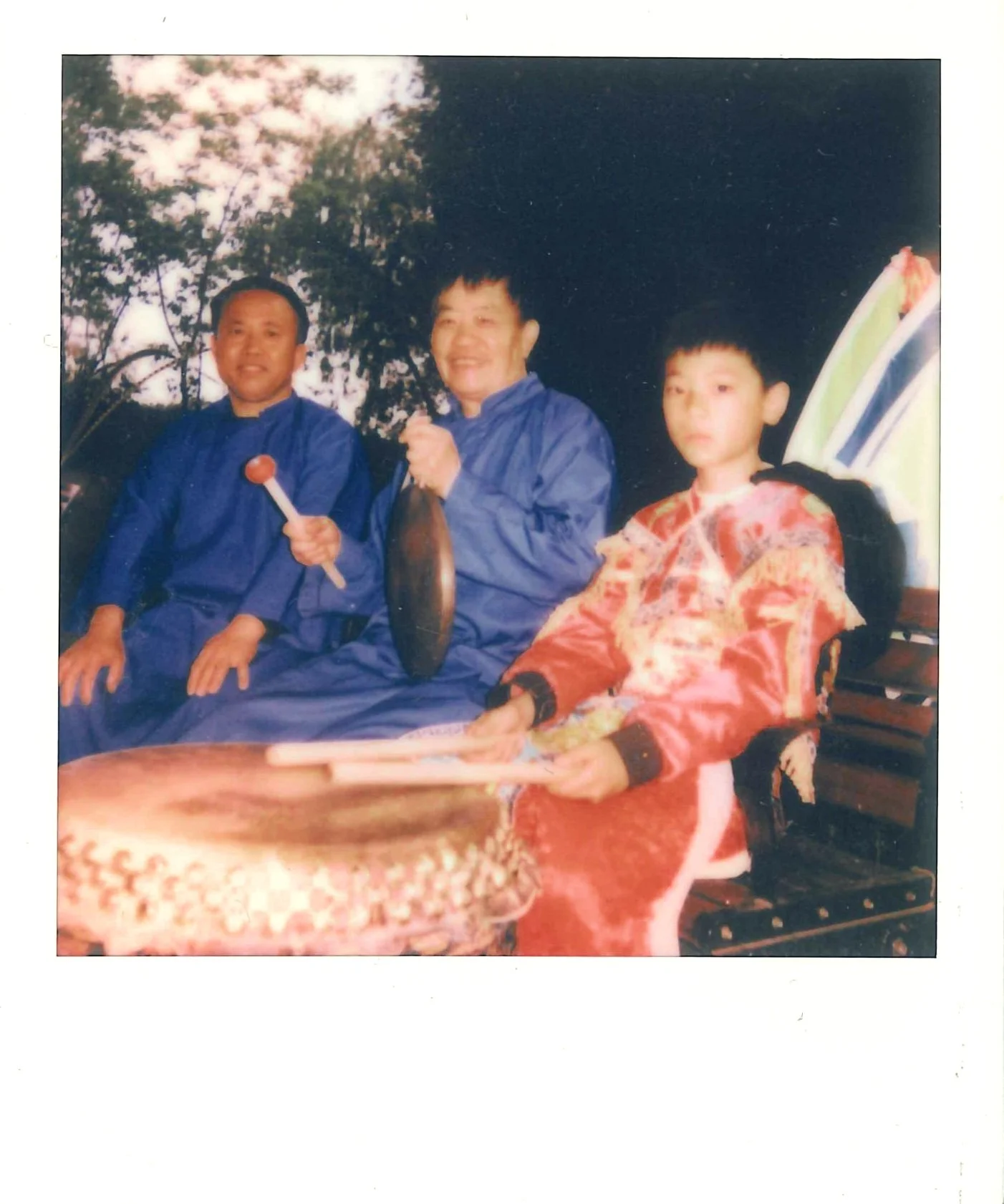
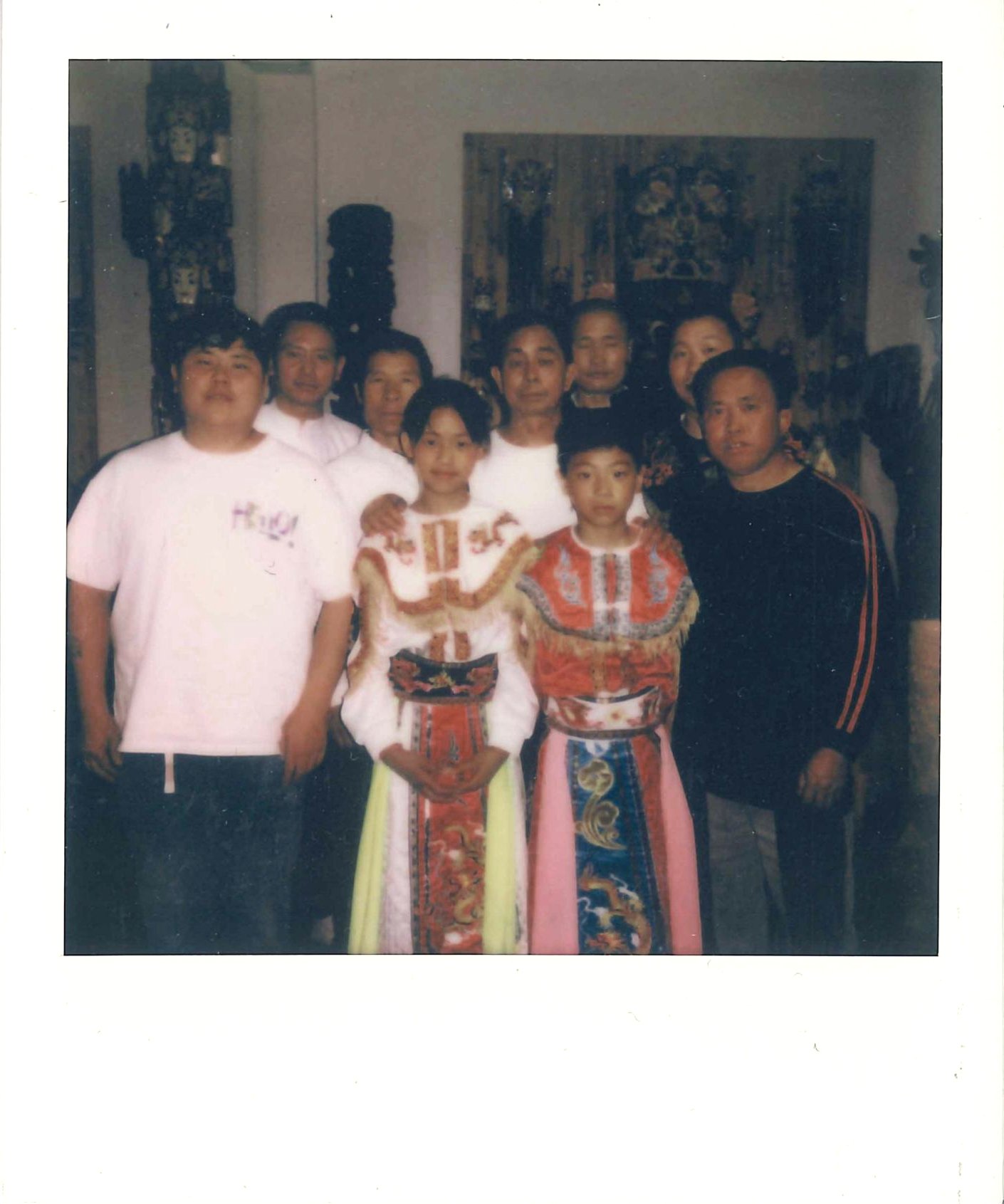
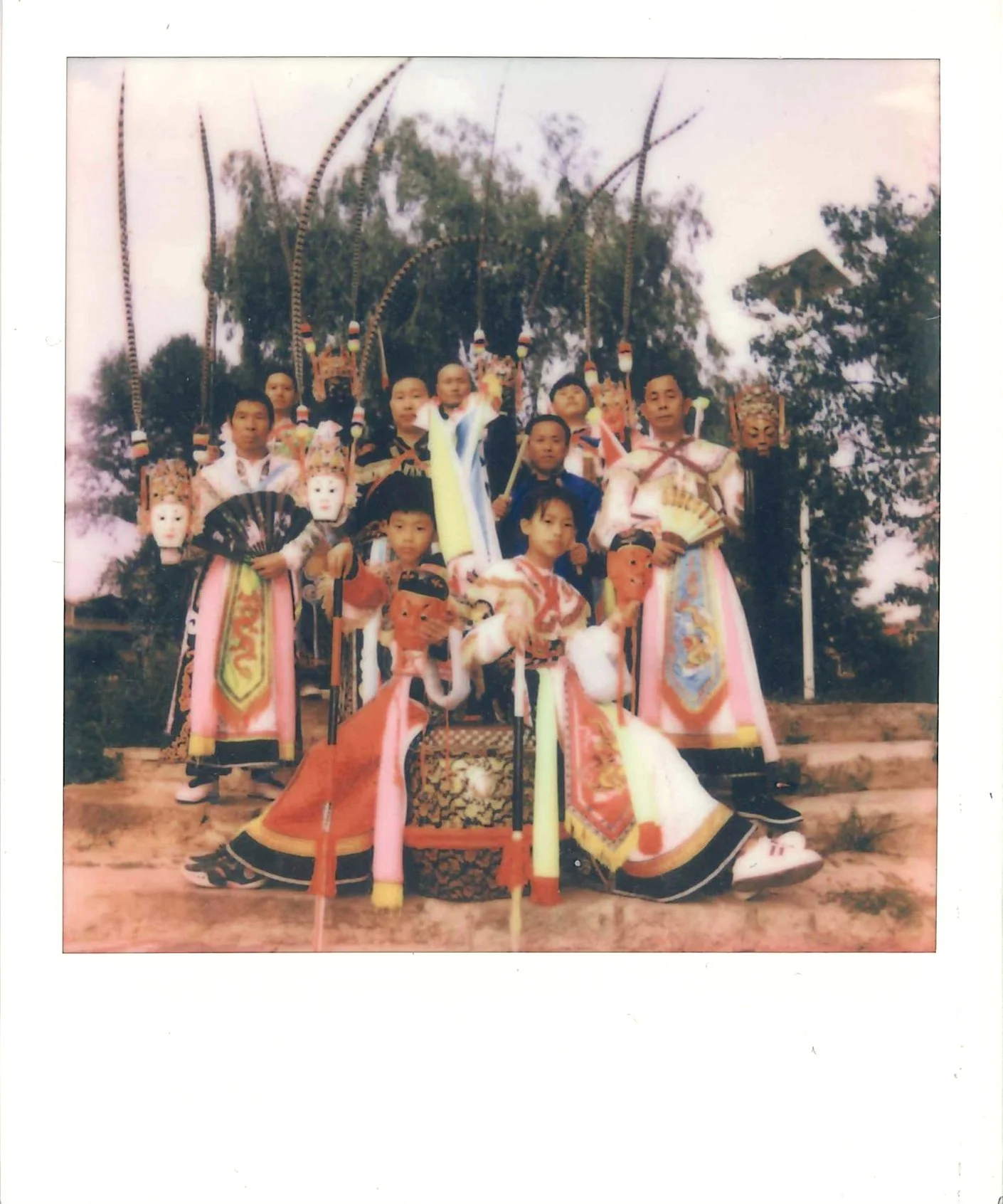
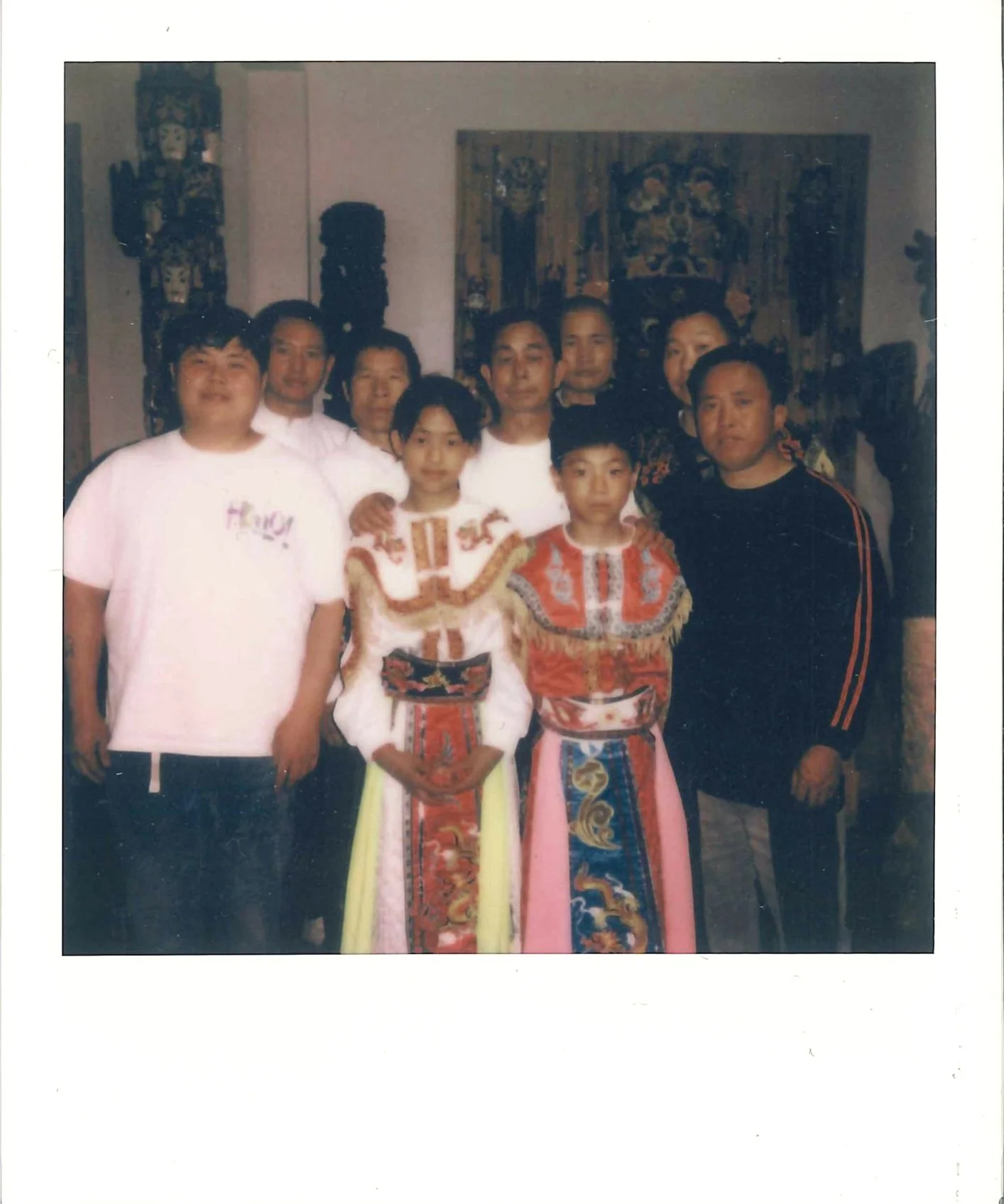
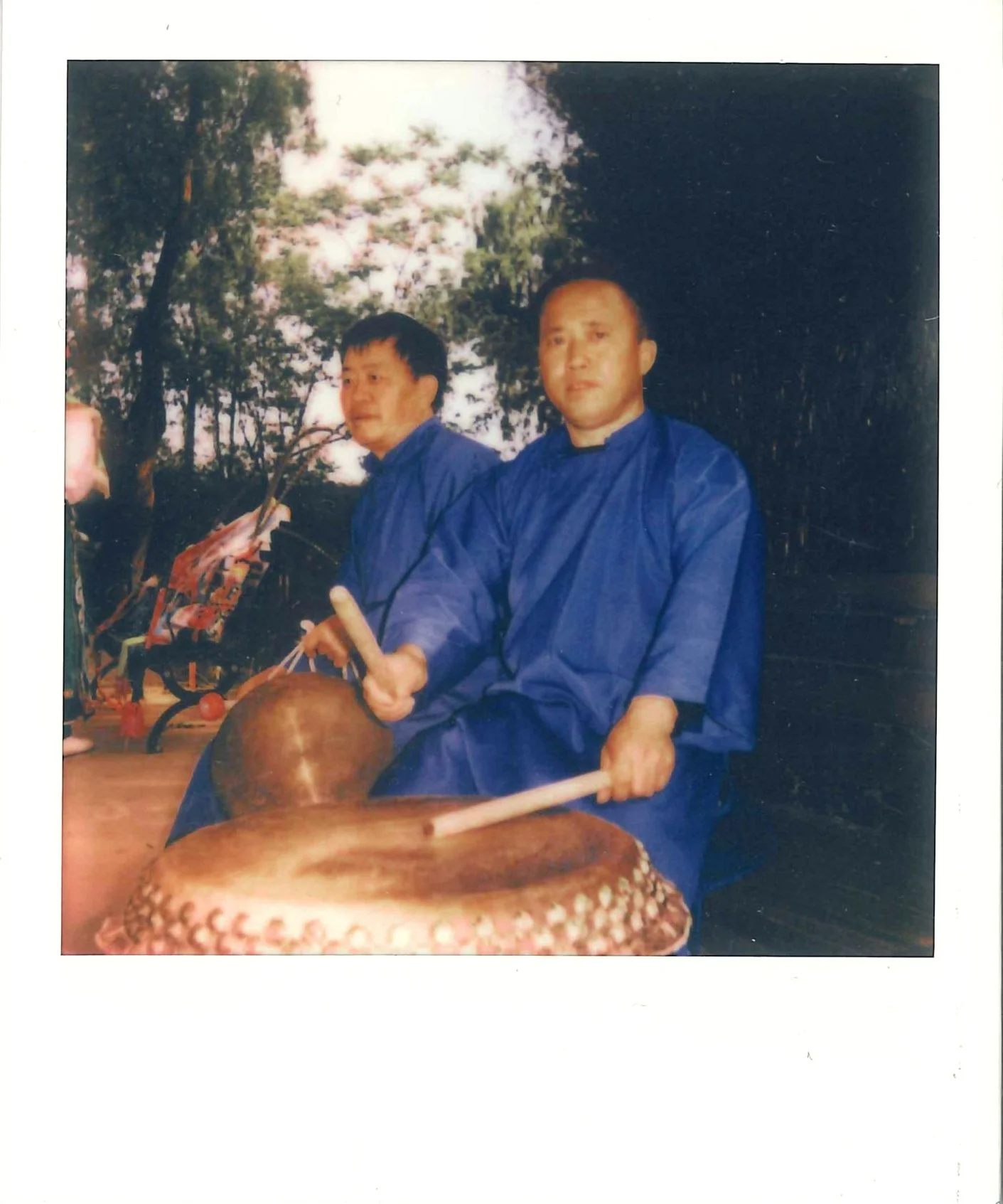
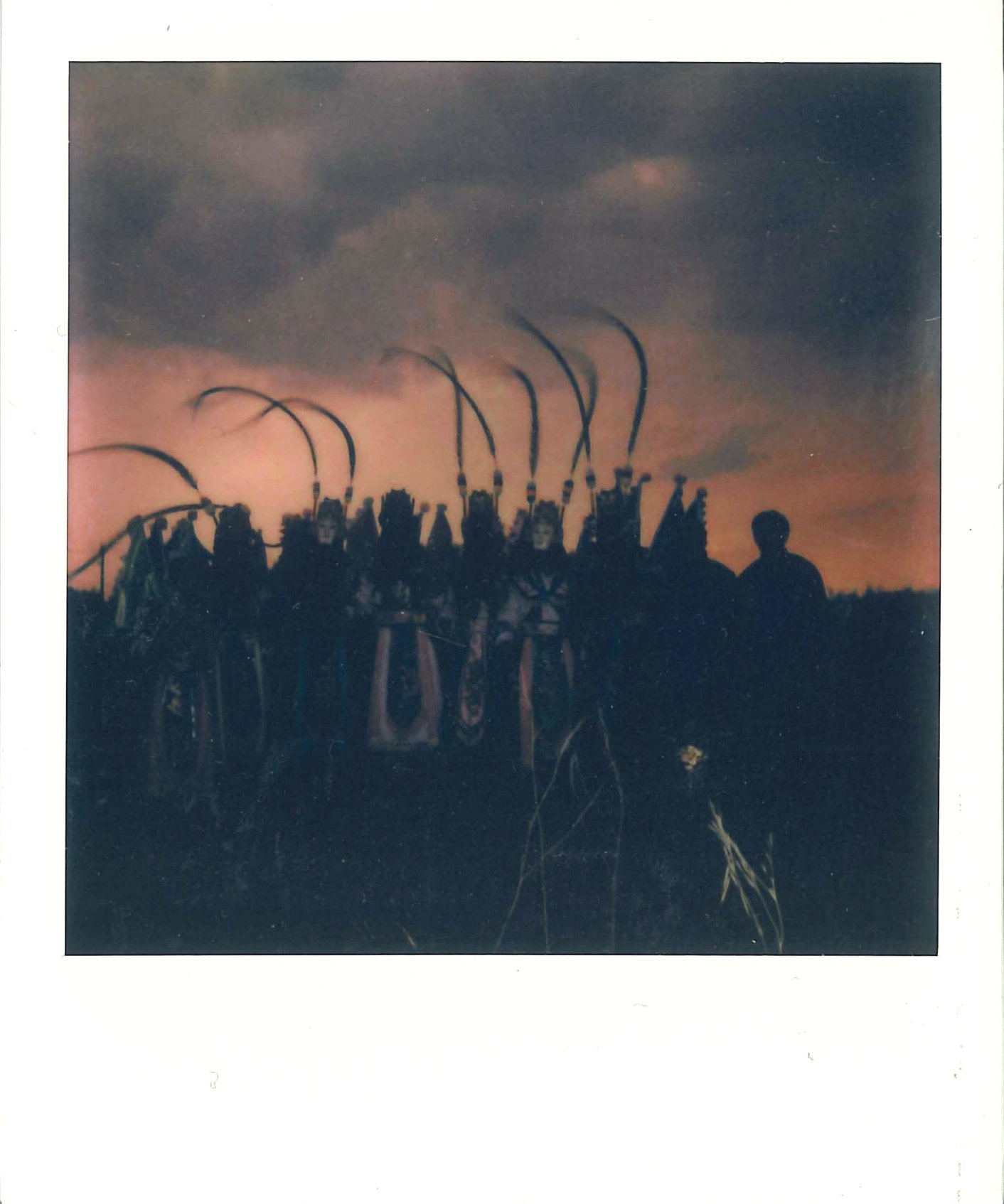
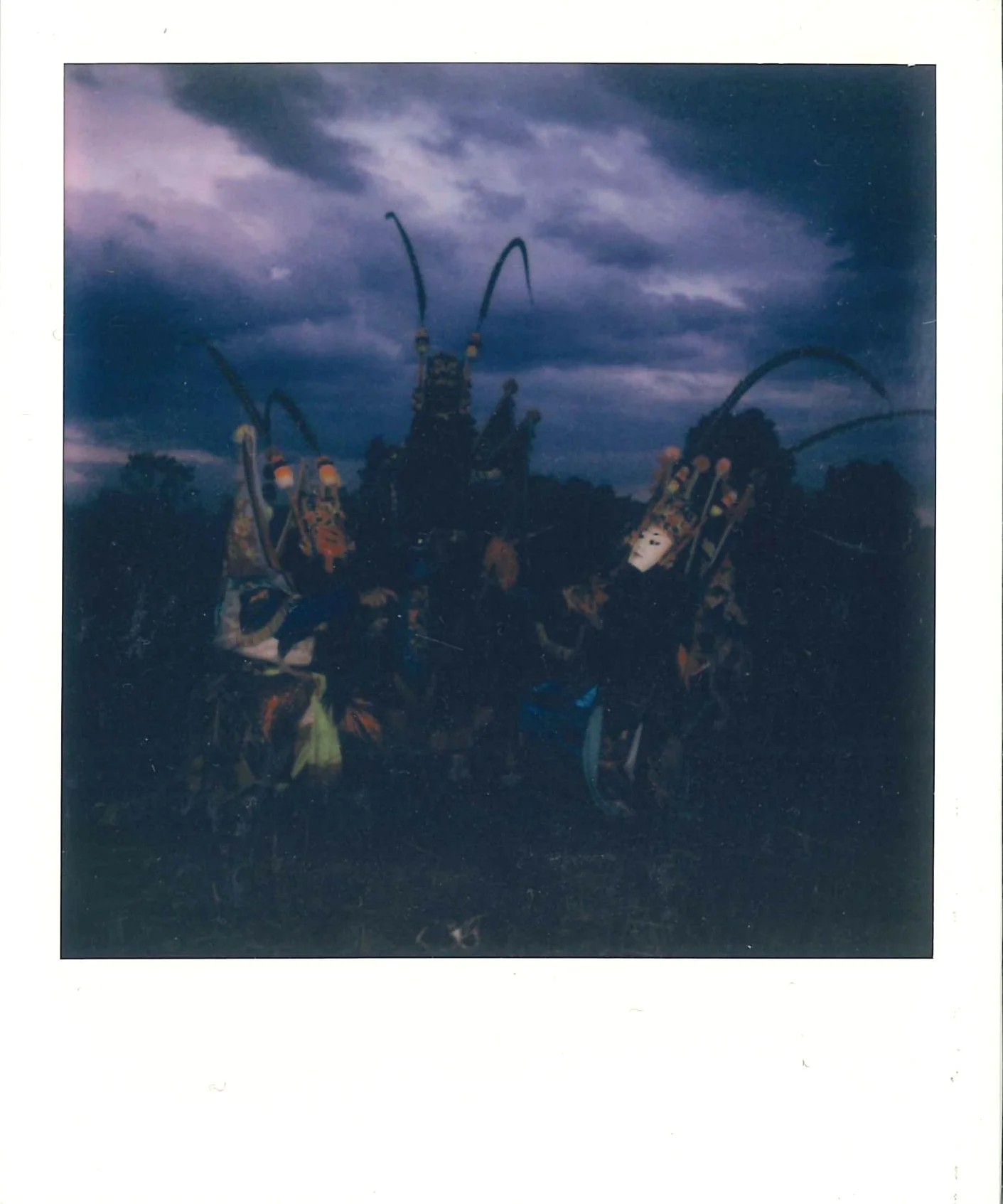
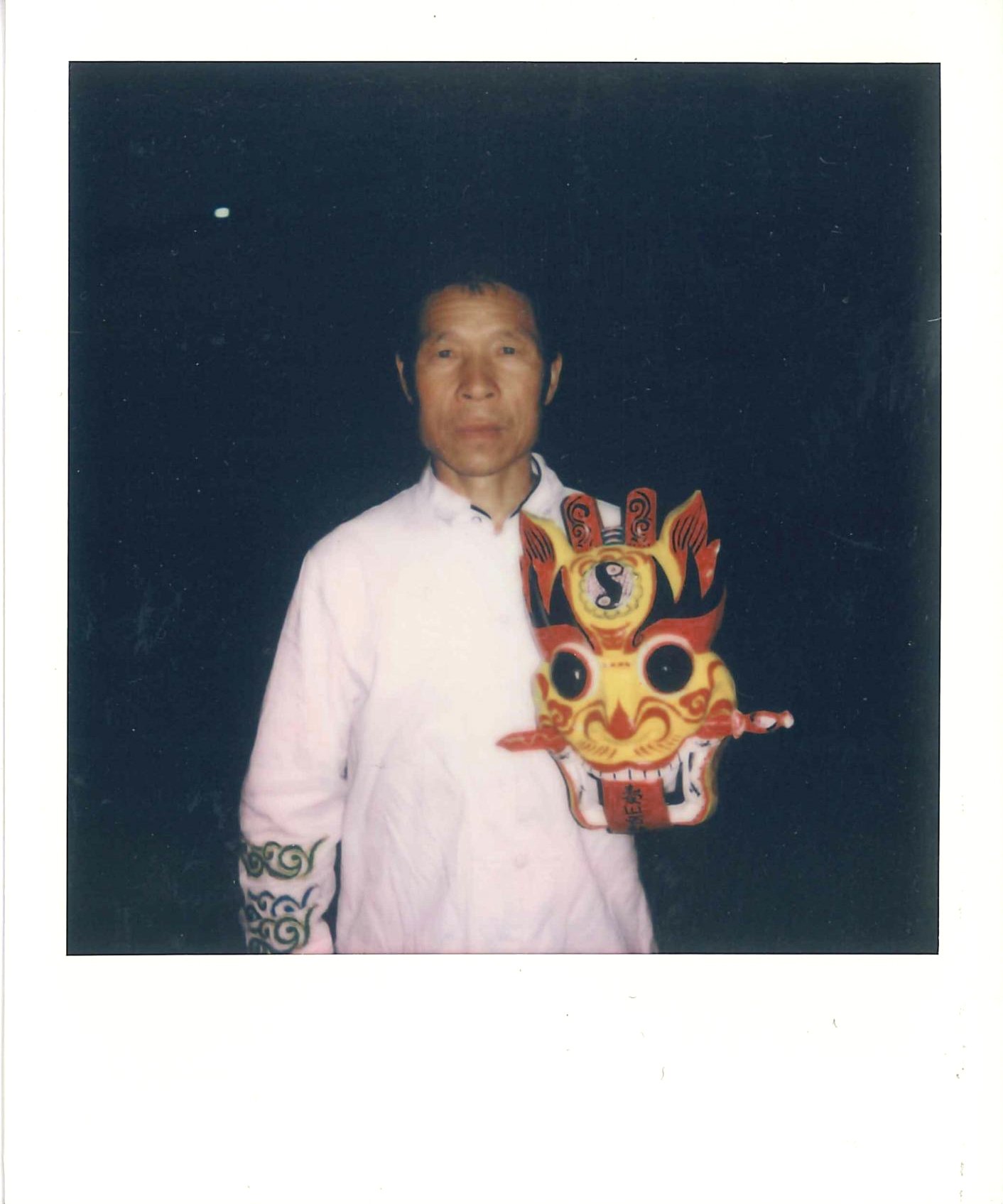
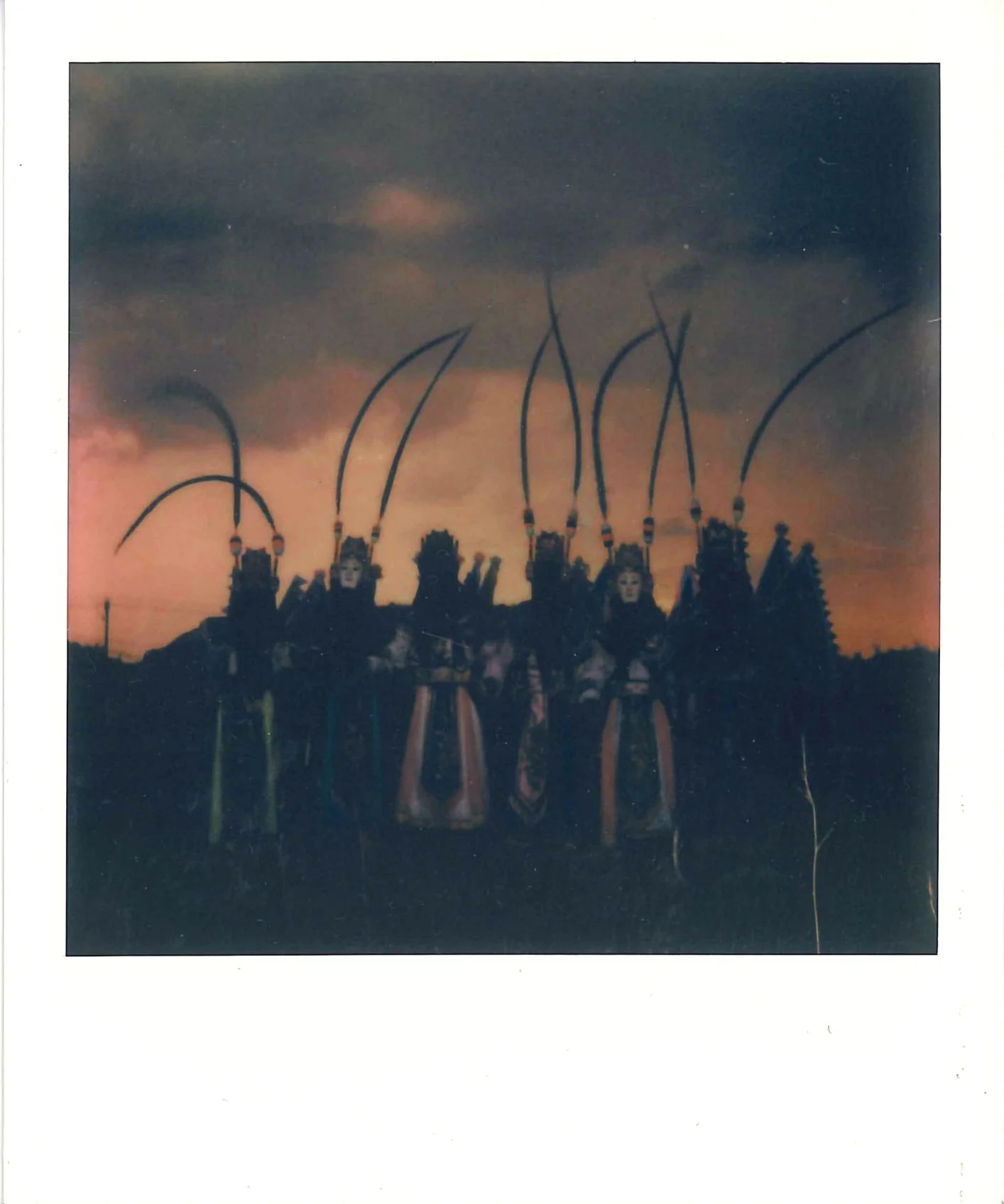
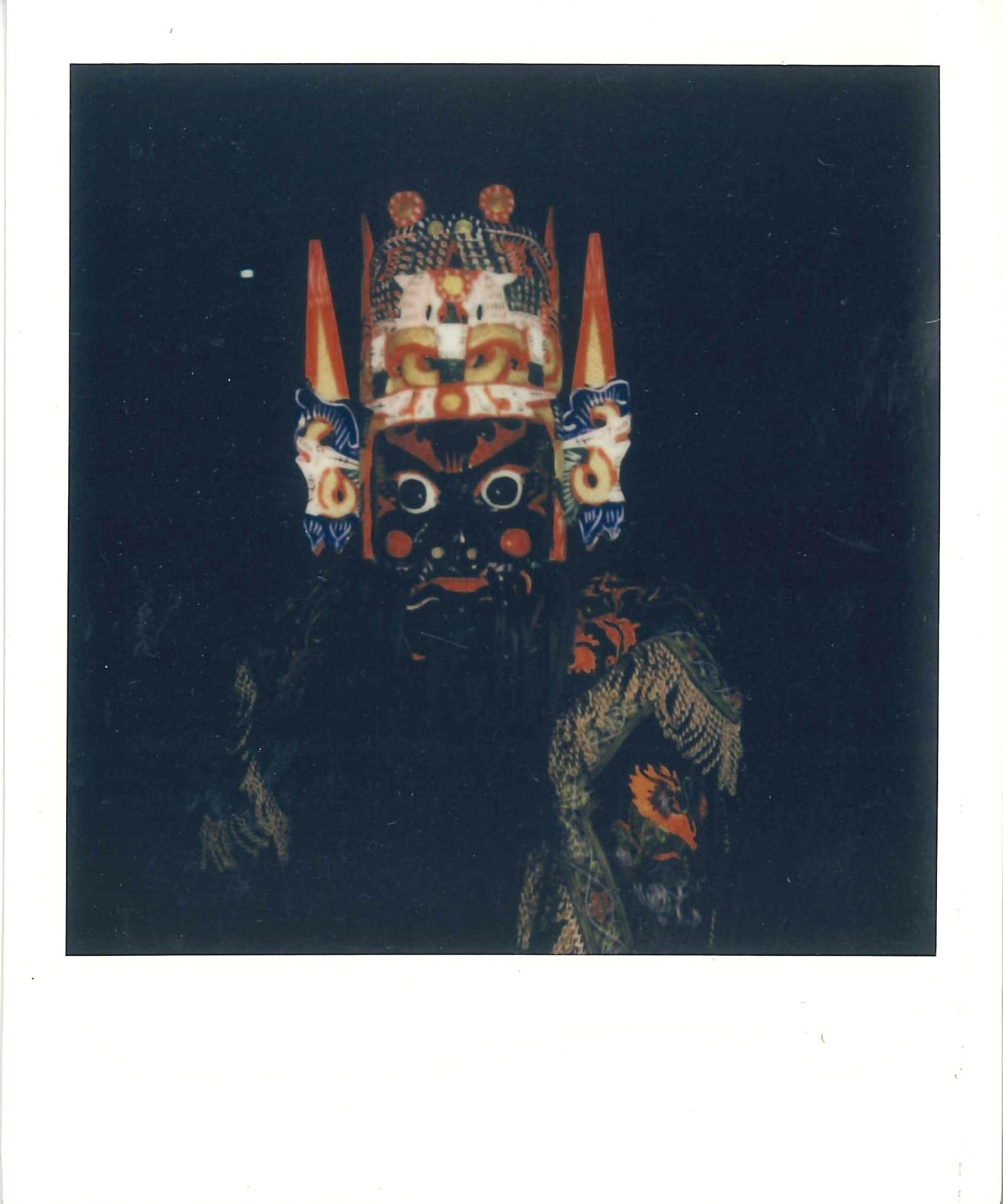
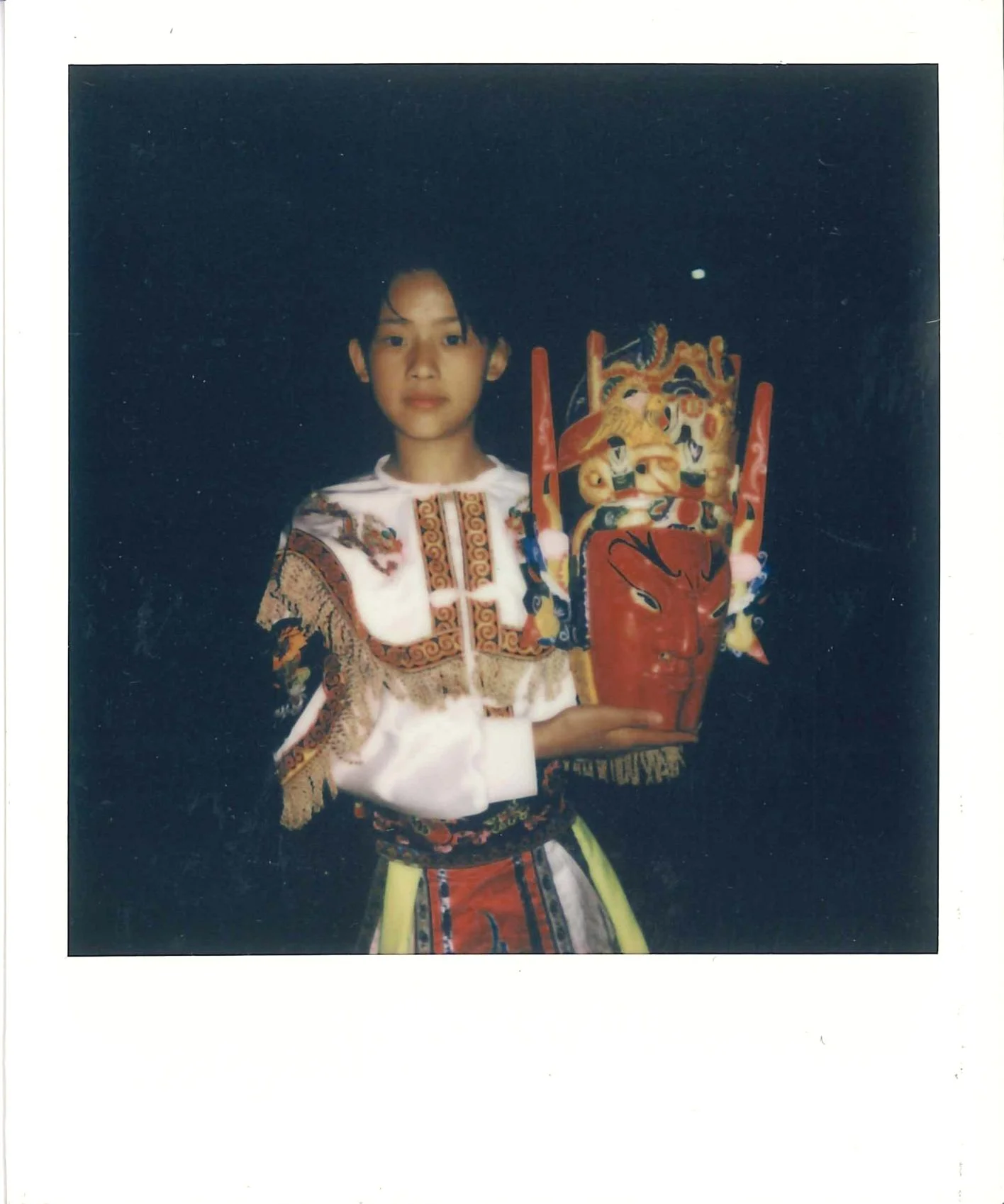
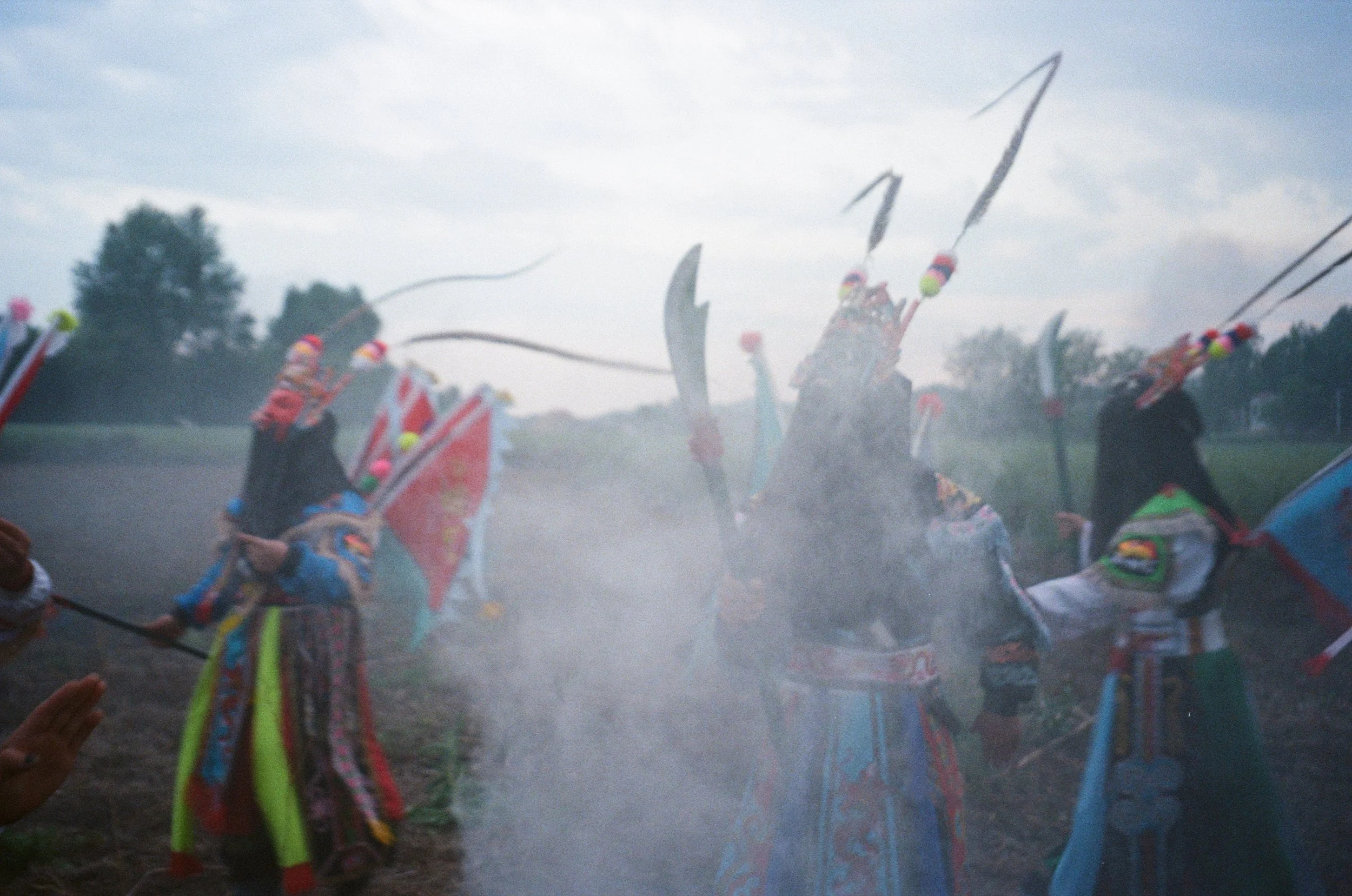
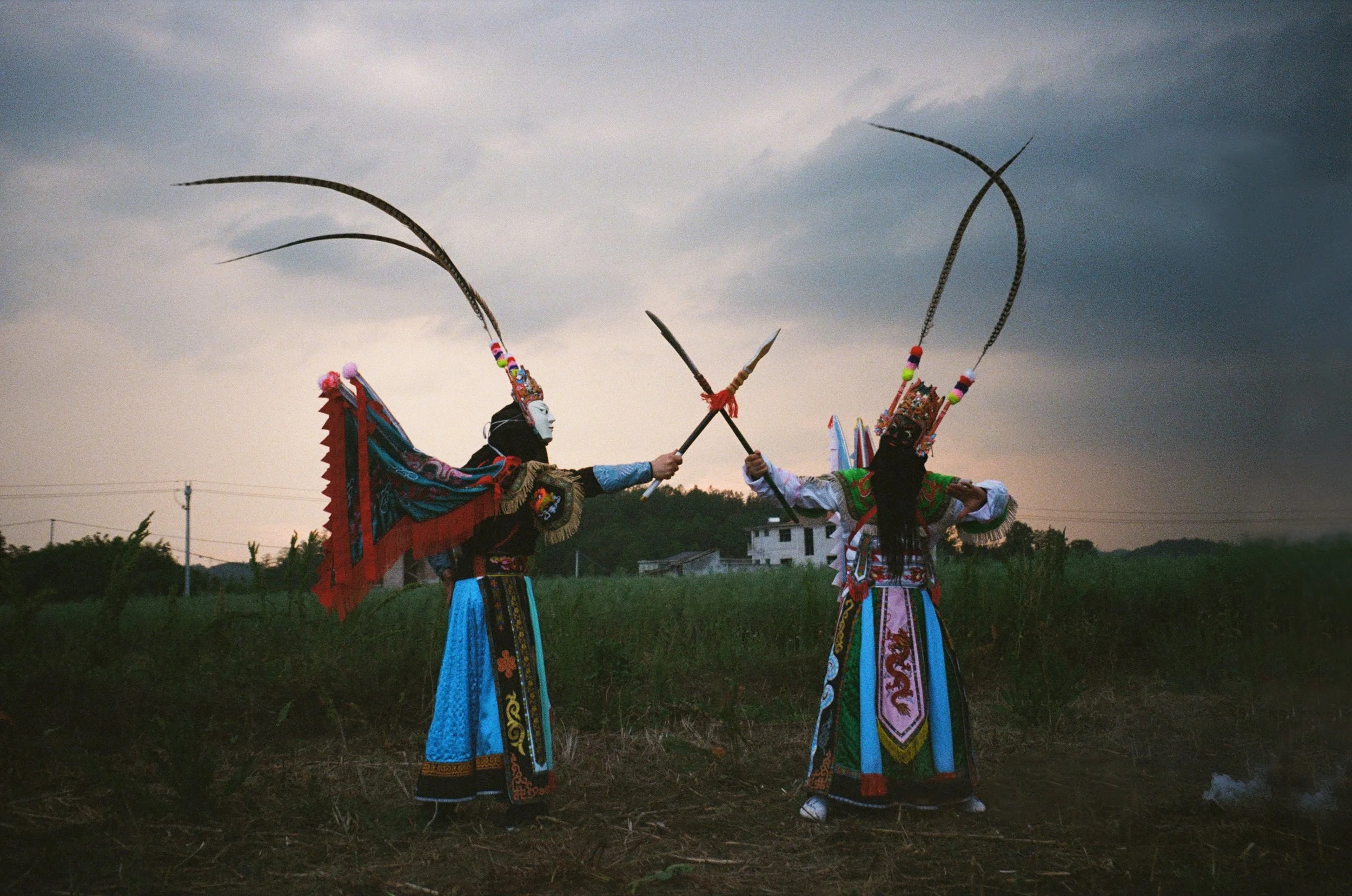
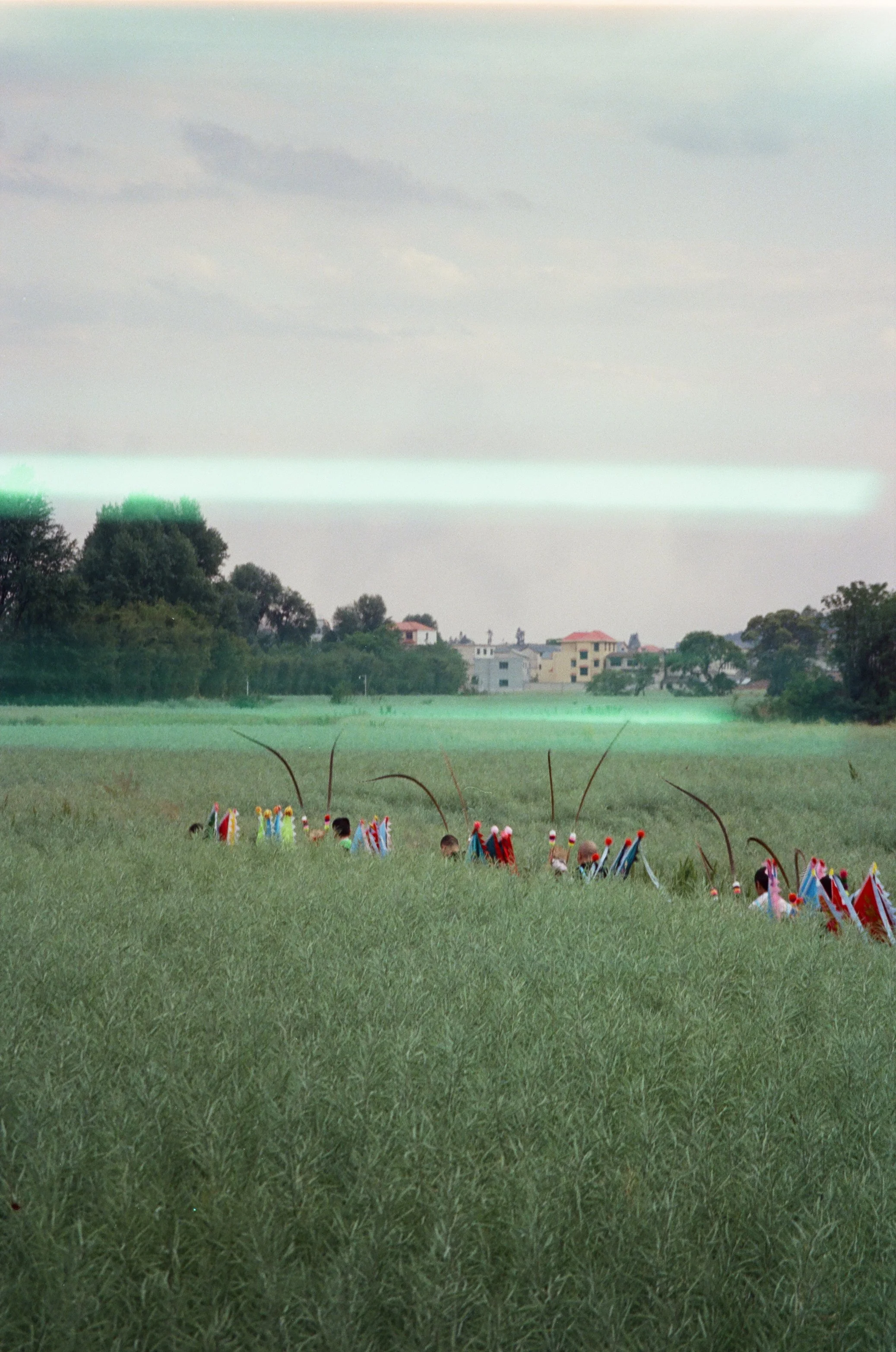
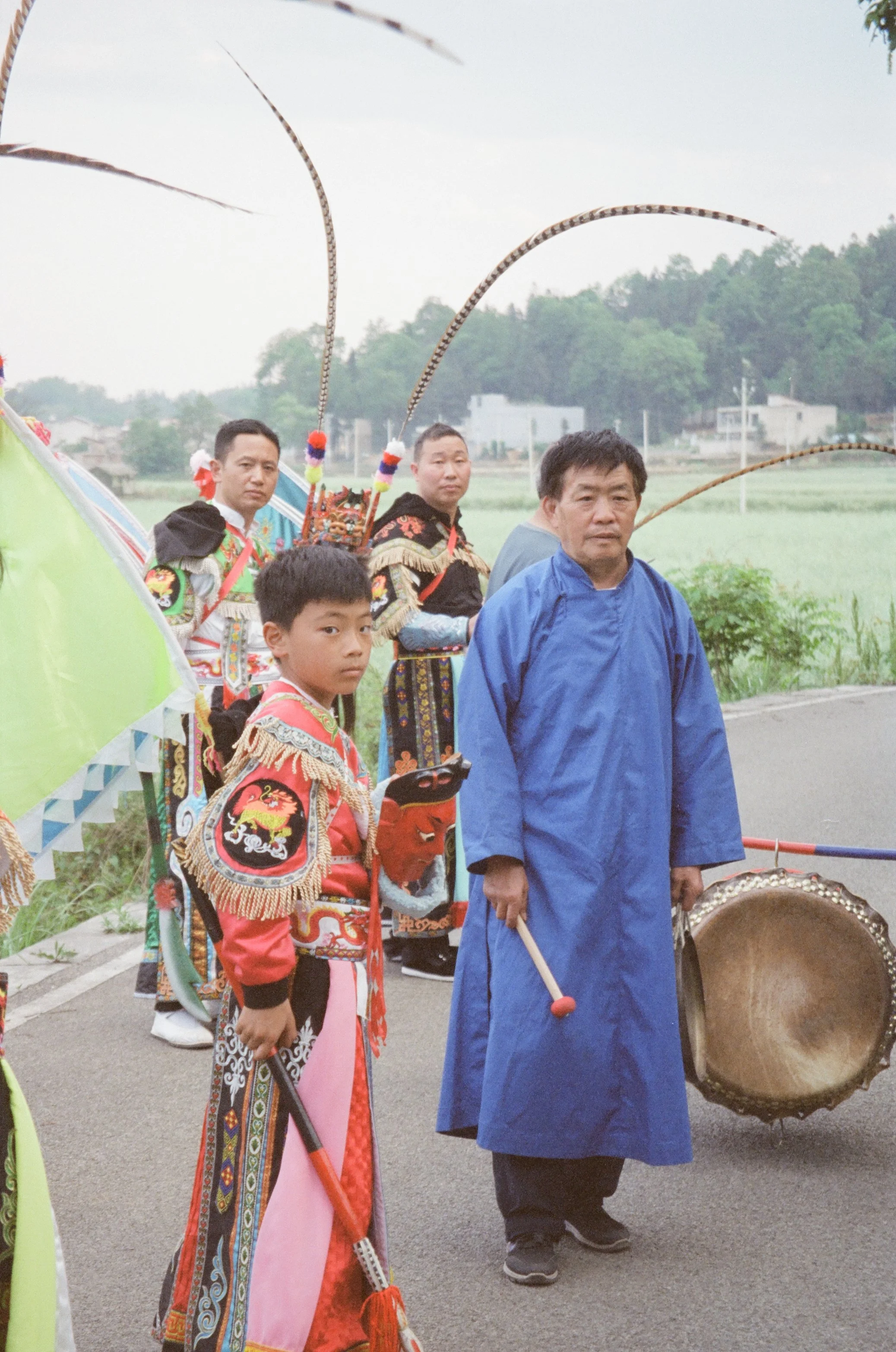
Nuo was photographed in Anshun, Guizhou, and its surrounding rural areas, focusing on the continuing practice of Di Opera performances. Rather than treating Nuo opera as a fixed folkloric or traditional symbol, this body of work understands it as an ongoing bodily action, and examines its relationship with land, space, and structures of viewing.
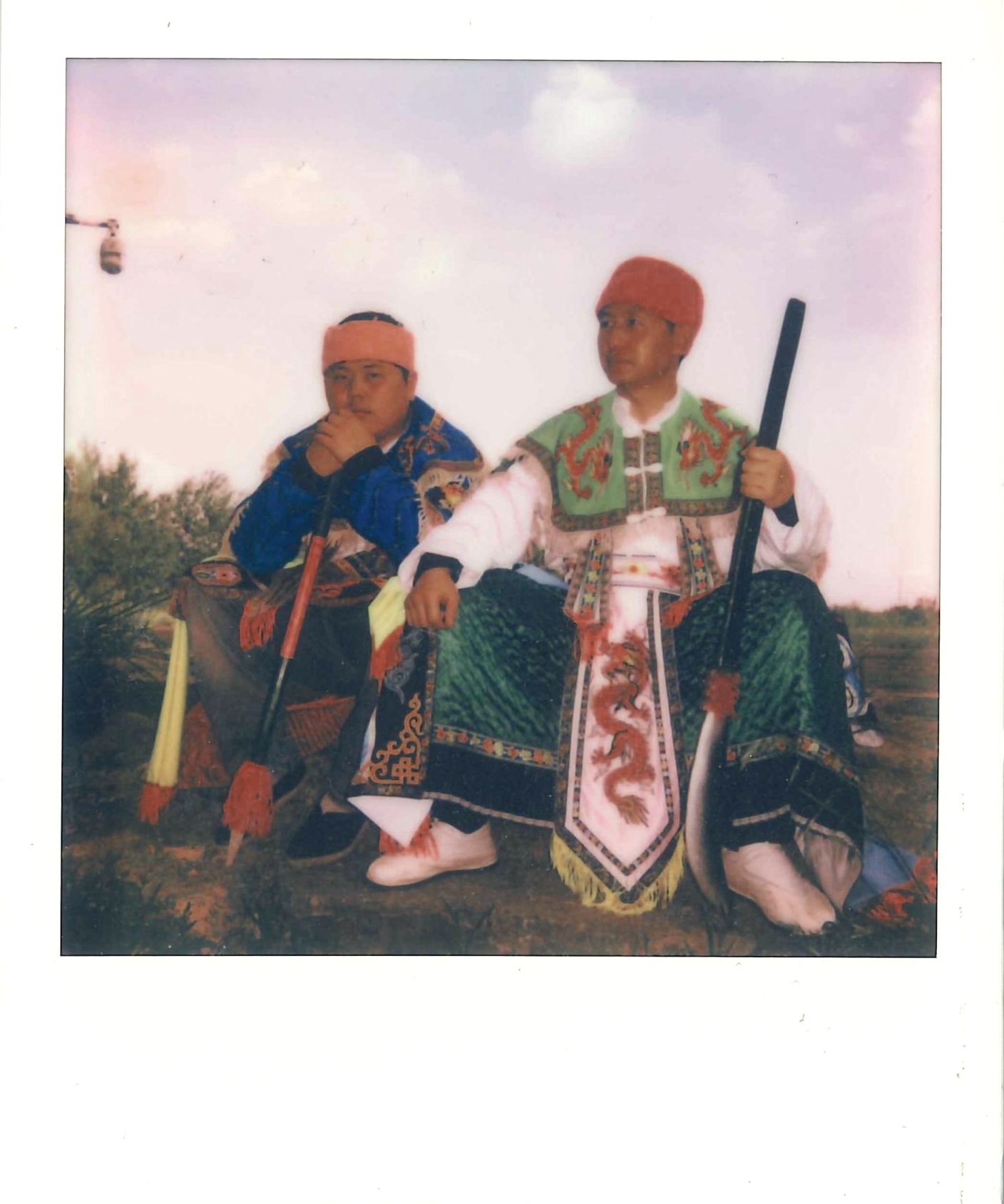
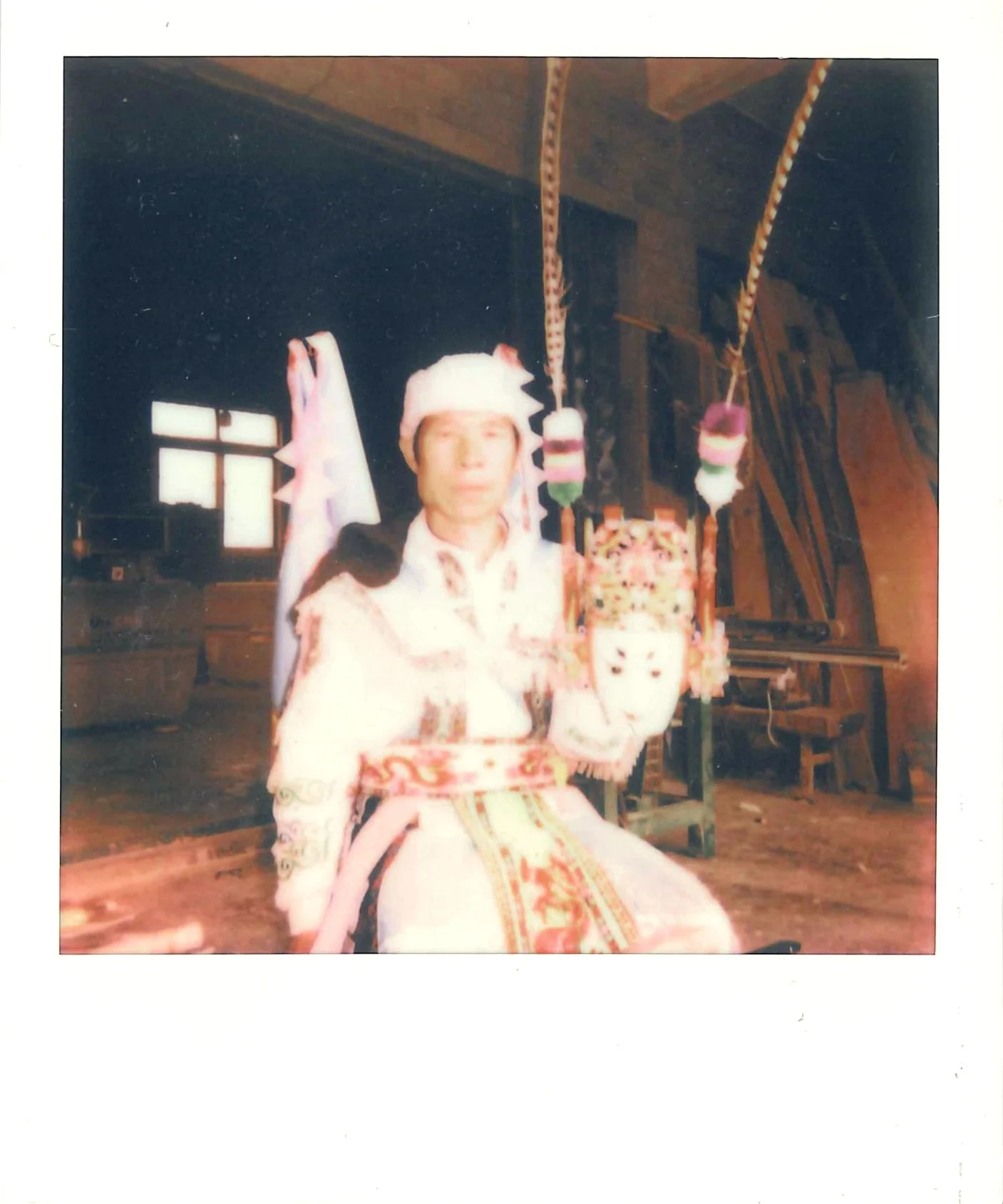
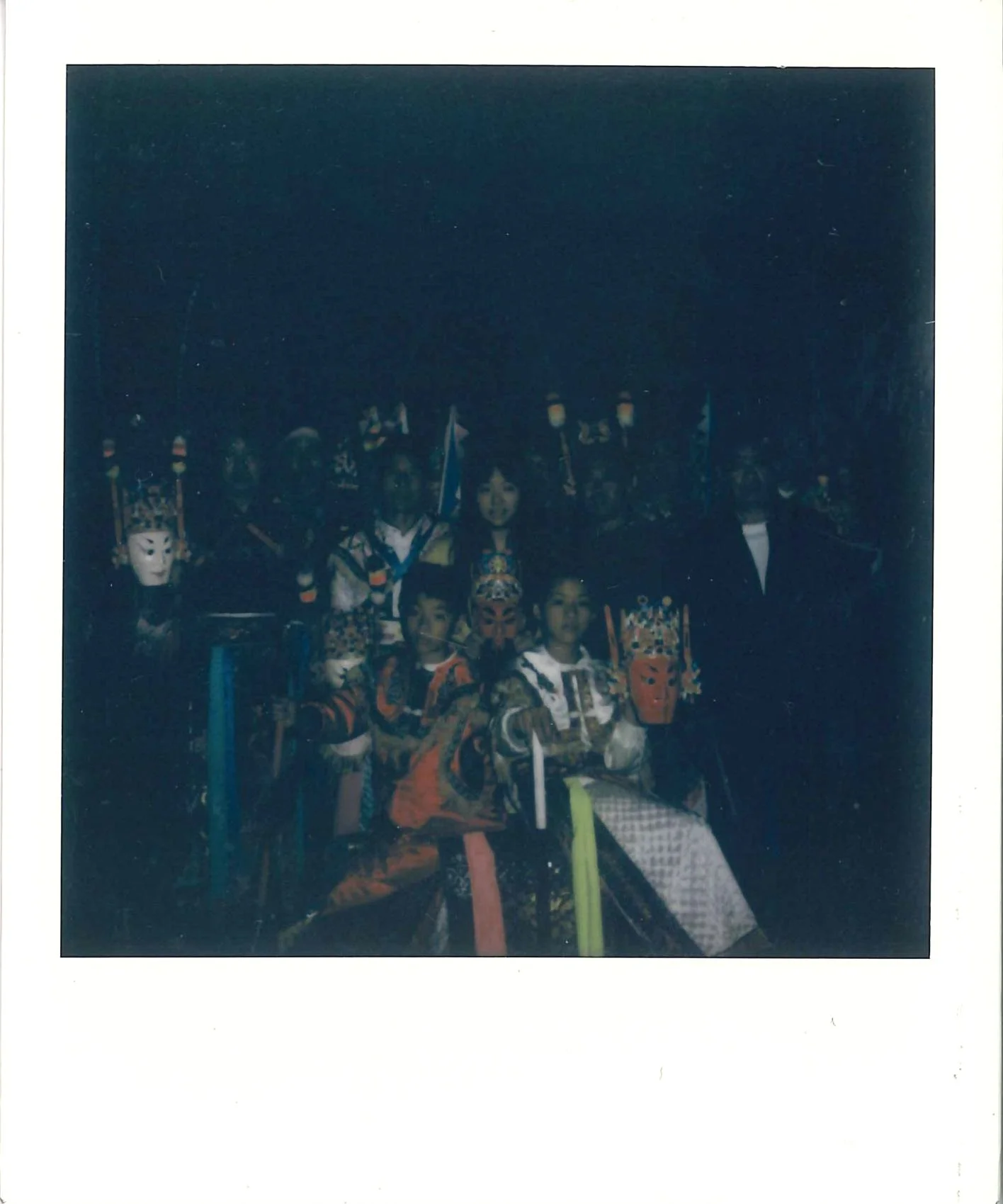
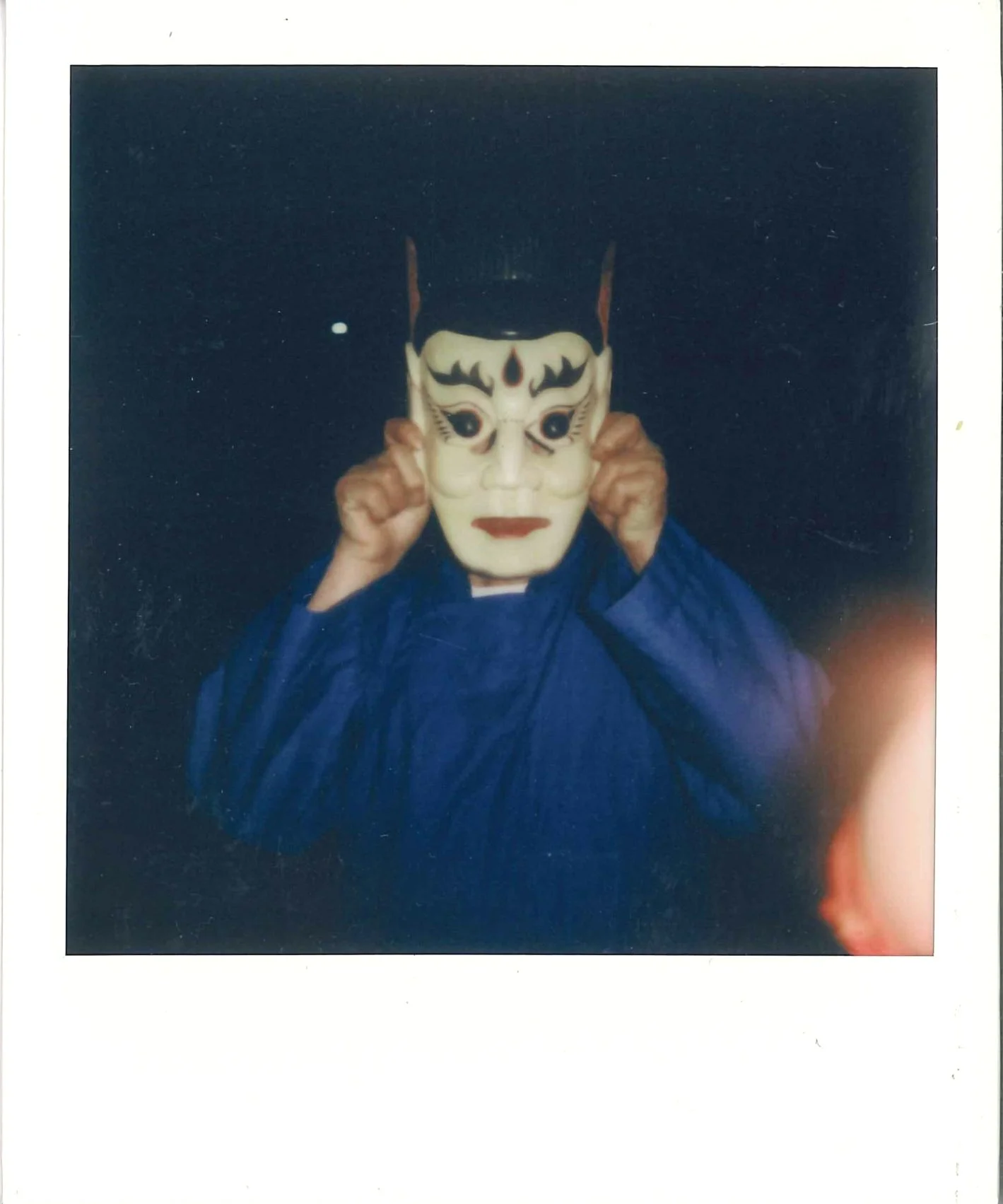
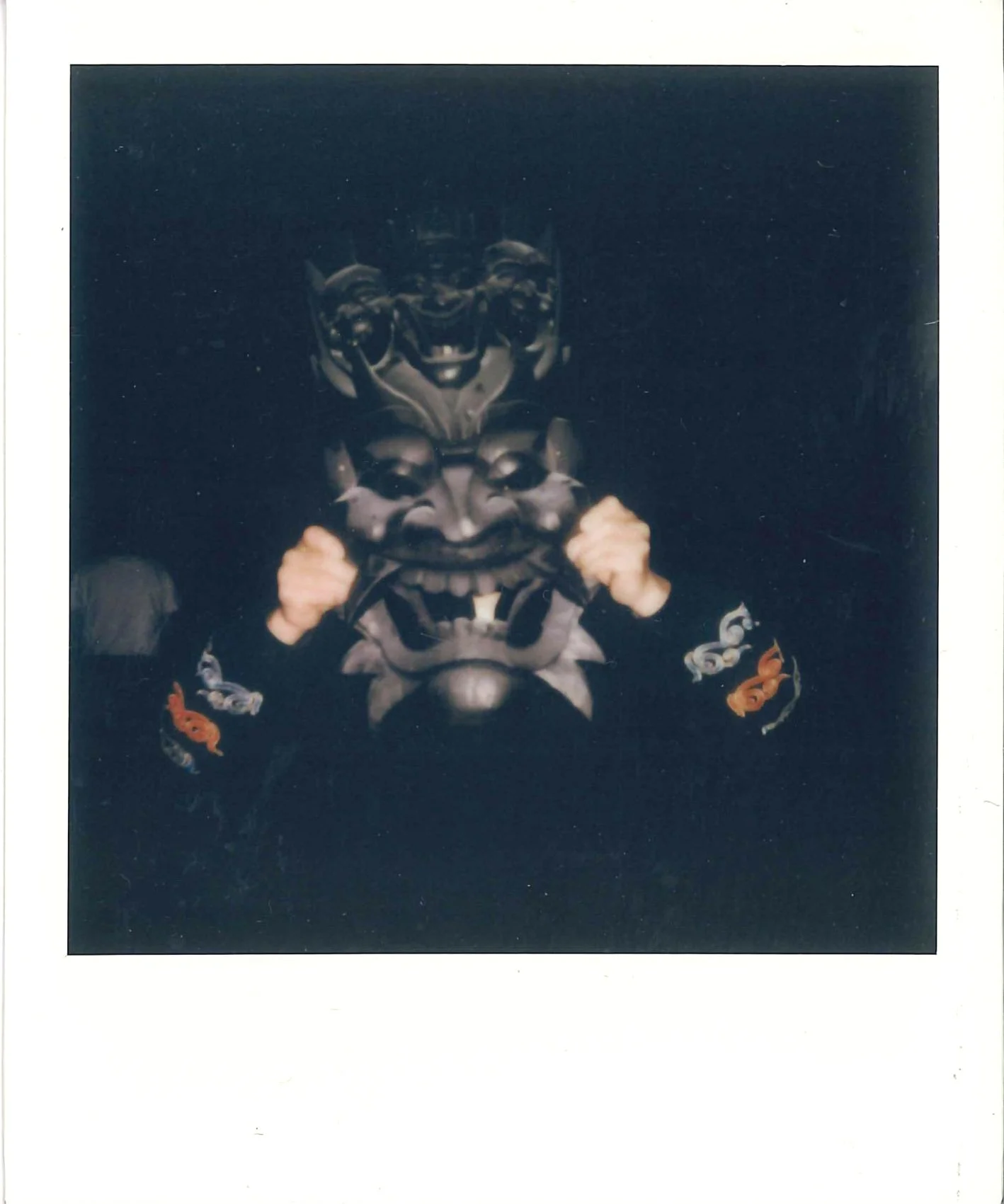
In the images, ritual does not unfold on a predefined stage; instead, it repeatedly enters fields, grasslands, and mist, temporarily occupying and altering everyday landscapes before withdrawing again. Here, the landscape is no longer a passive object of viewing, but a spatial structure that is repeatedly entered, used, and abandoned. The project avoids documenting the complete performance process, turning instead to moments in between—rehearsals, waiting, dressing, and withdrawal—allowing the unstable presence of ritual within the landscape to emerge. What the work attends to is not the disappearance of tradition, but the traces and relationships left behind each time the ritual enters the landscape and recedes.
《傩》拍摄于贵州安顺及周边乡村地区,围绕仍在延续的地戏表演展开。本组作品并不将傩戏视为一种被凝固的民俗或传统符号,而是将其理解为一种仍在发生的身体行动,以及它与土地、空间和观看结构之间的关系。在影像中,仪式并不发生于预设舞台,而是不断进入田野、草地与雾气之中,短暂占用并改变日常风景,随后又迅速撤离。风景在这里不再是被观看的对象,而是一种被反复进入、使用和撤离的空间结构。创作回避对完整演出流程的记录,转而关注排练、候场、装扮与退场等间隙时刻,使仪式在风景中的不稳定状态得以显现。作品关注的并非传统的消失,而是当仪式一次次进入风景又退场之后,所留下的痕迹与关系。
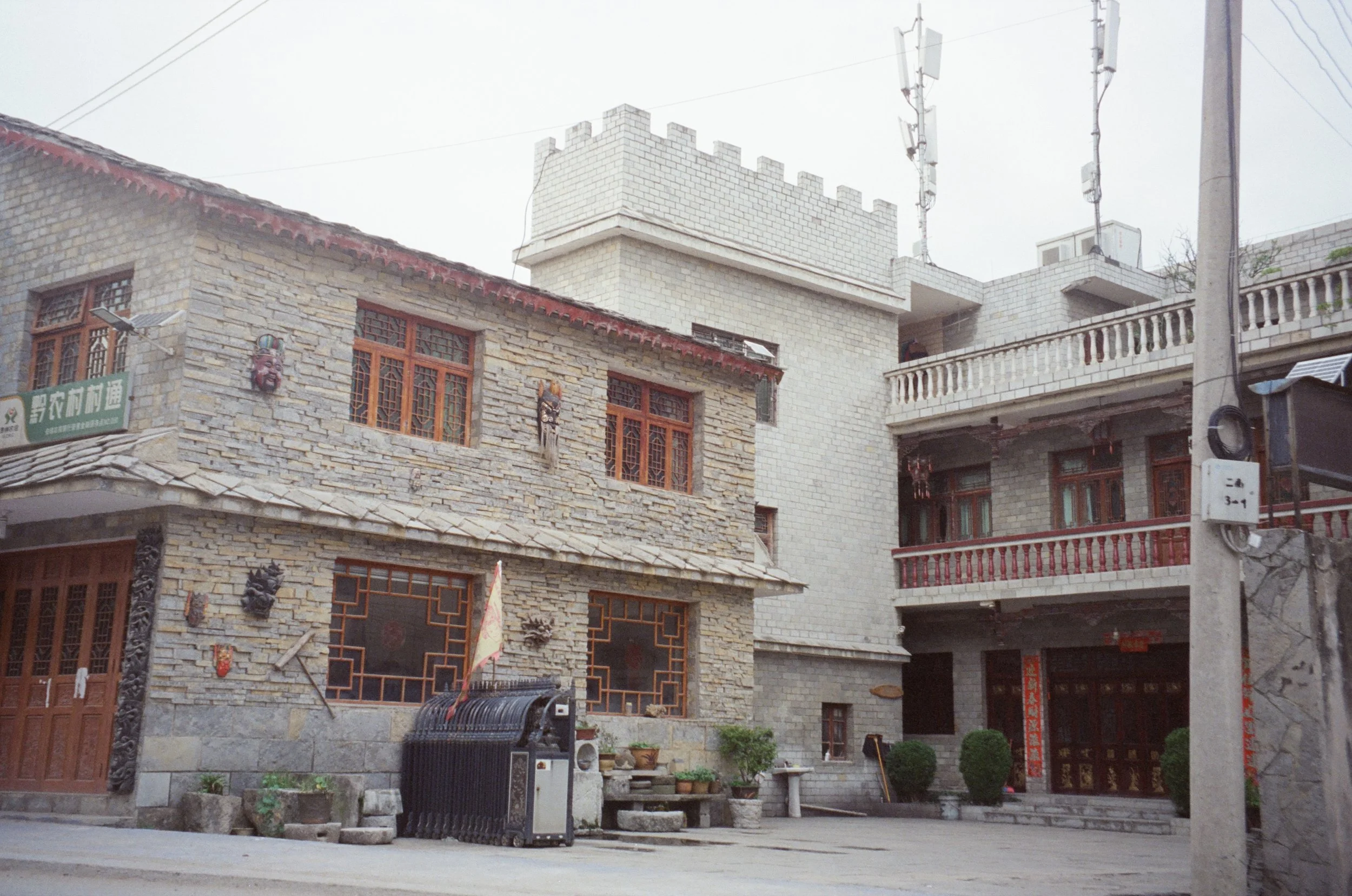
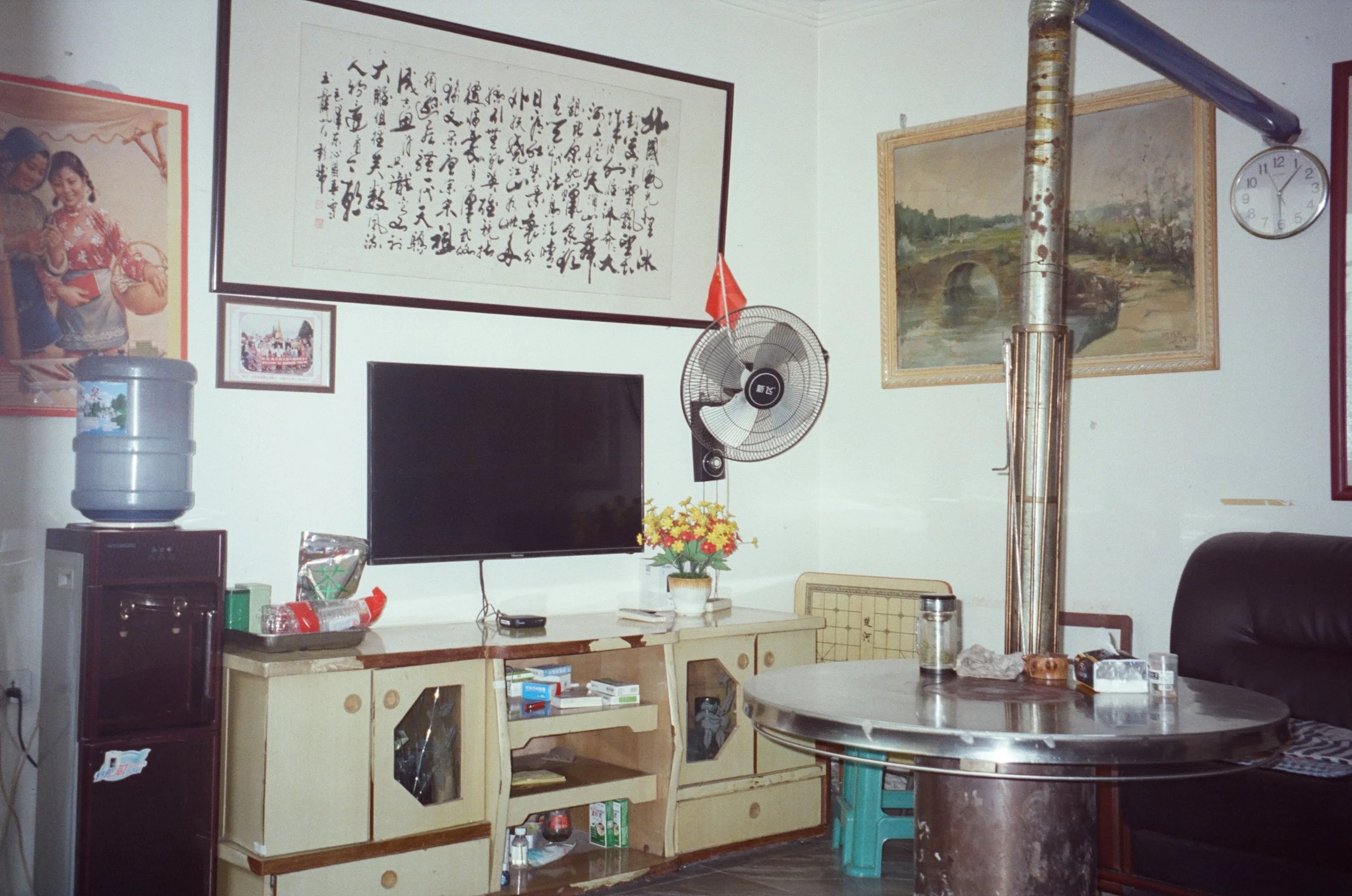
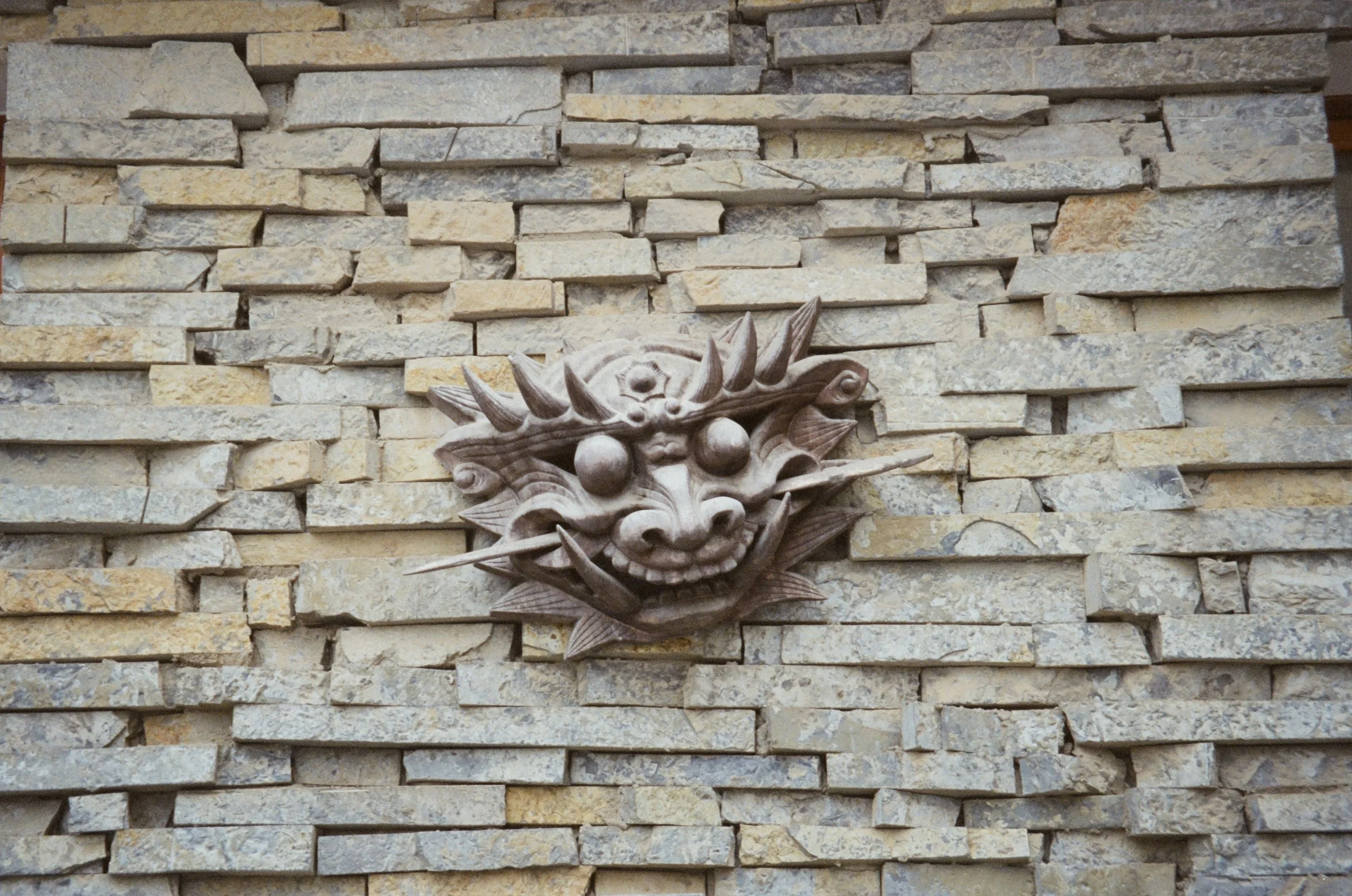
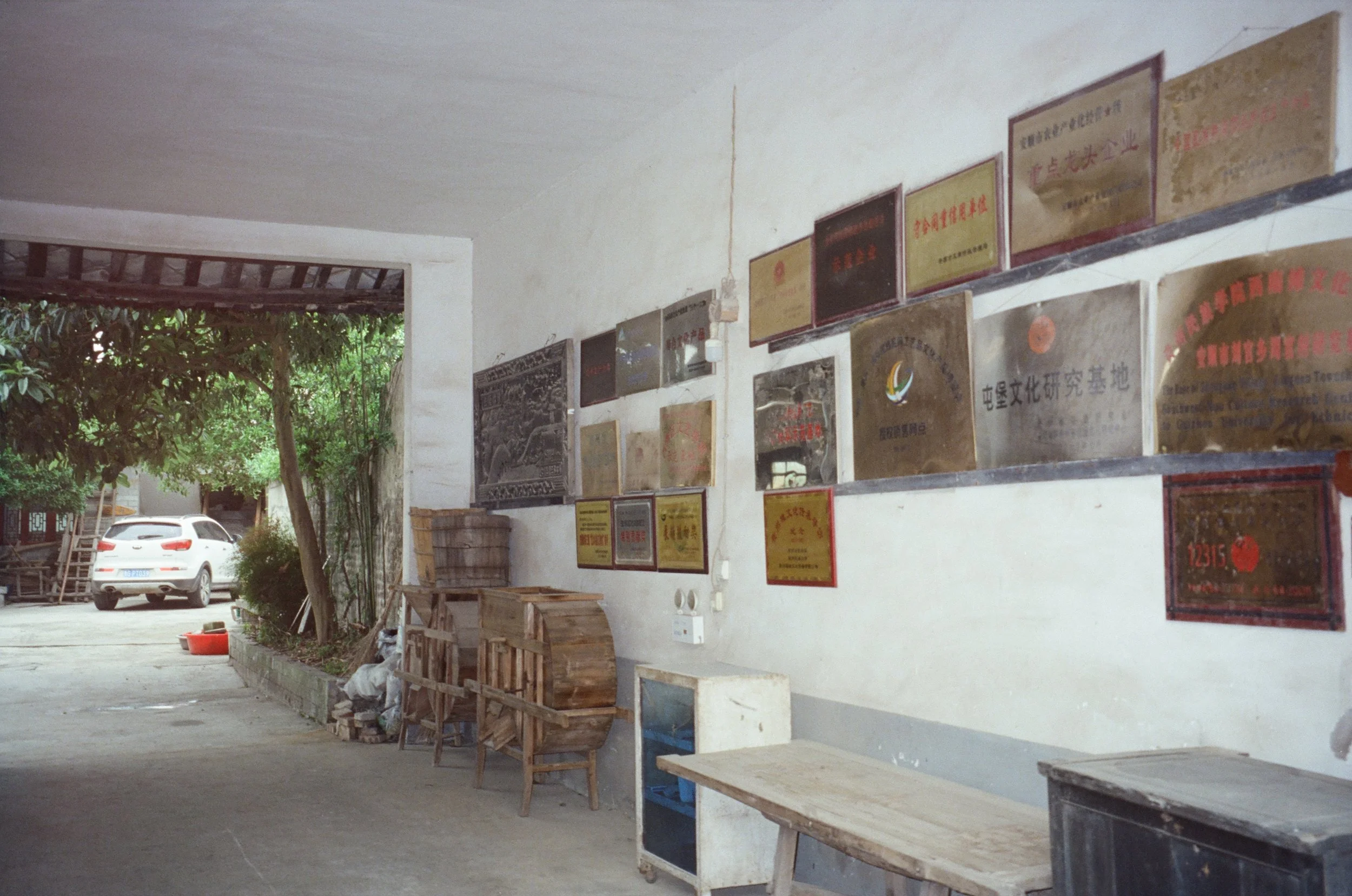
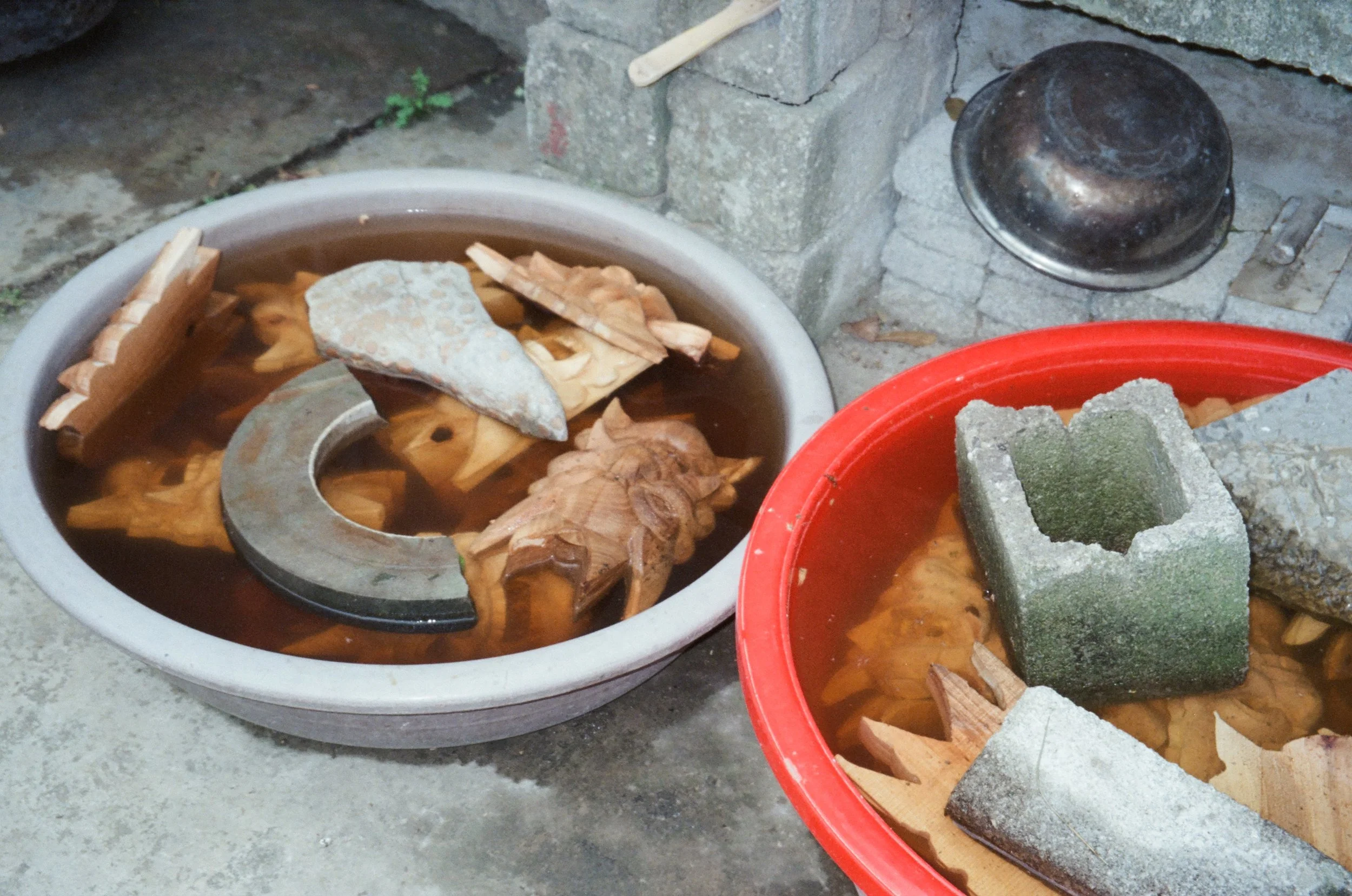

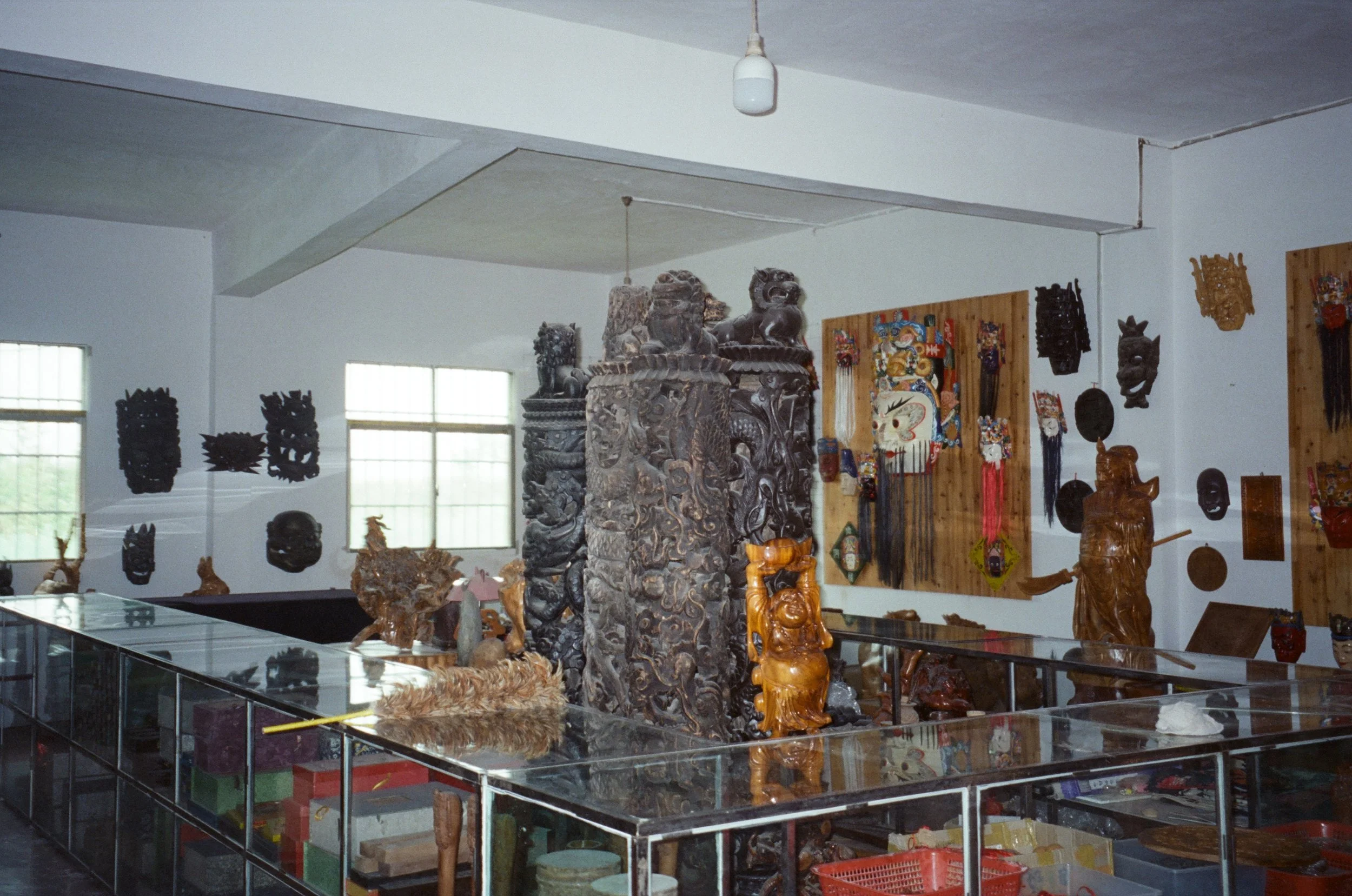
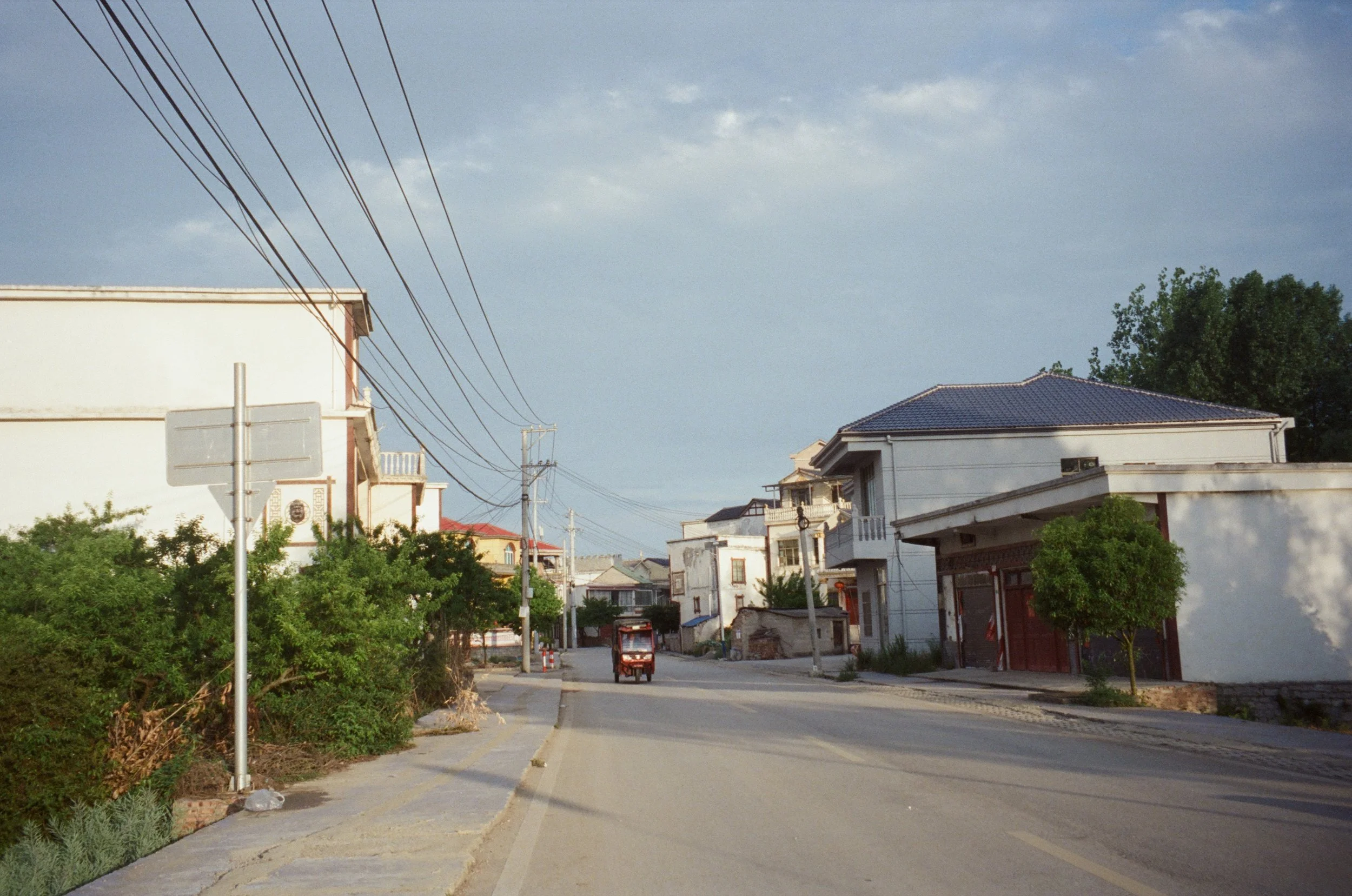
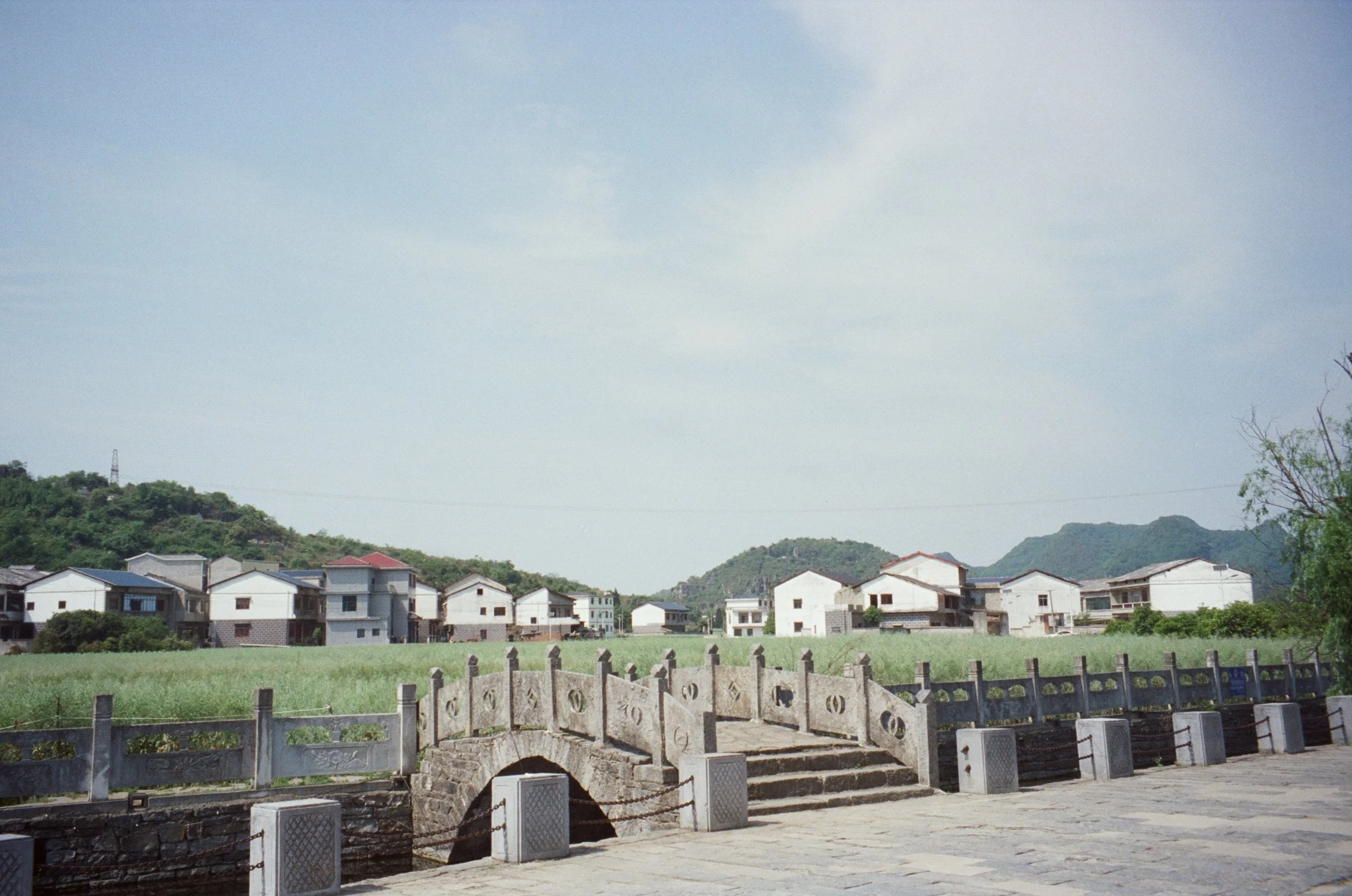
In May 2025, I travelled to Anshun and its surrounding rural areas in Guizhou Province.In several villages where Di Opera is still said to continue, I did not encounter an ongoing performance. There were no rituals, no percussion, no stage. Instead, I found small rooms storing old masks. Sunlight filtered through broken roof tiles and fell onto the peeling wooden surfaces. The hollow eye sockets of the masks faced inward, silent and unmoving.
In the past, these masks functioned as intermediaries between humans and gods, mediating relationships between the village and nature, illness and order. Today, many of them are pressed into dust and storage, replaced by new festive forms and rendered redundant within new social structures. Di Opera has not completely disappeared, yet it is no longer needed in the way it once was.
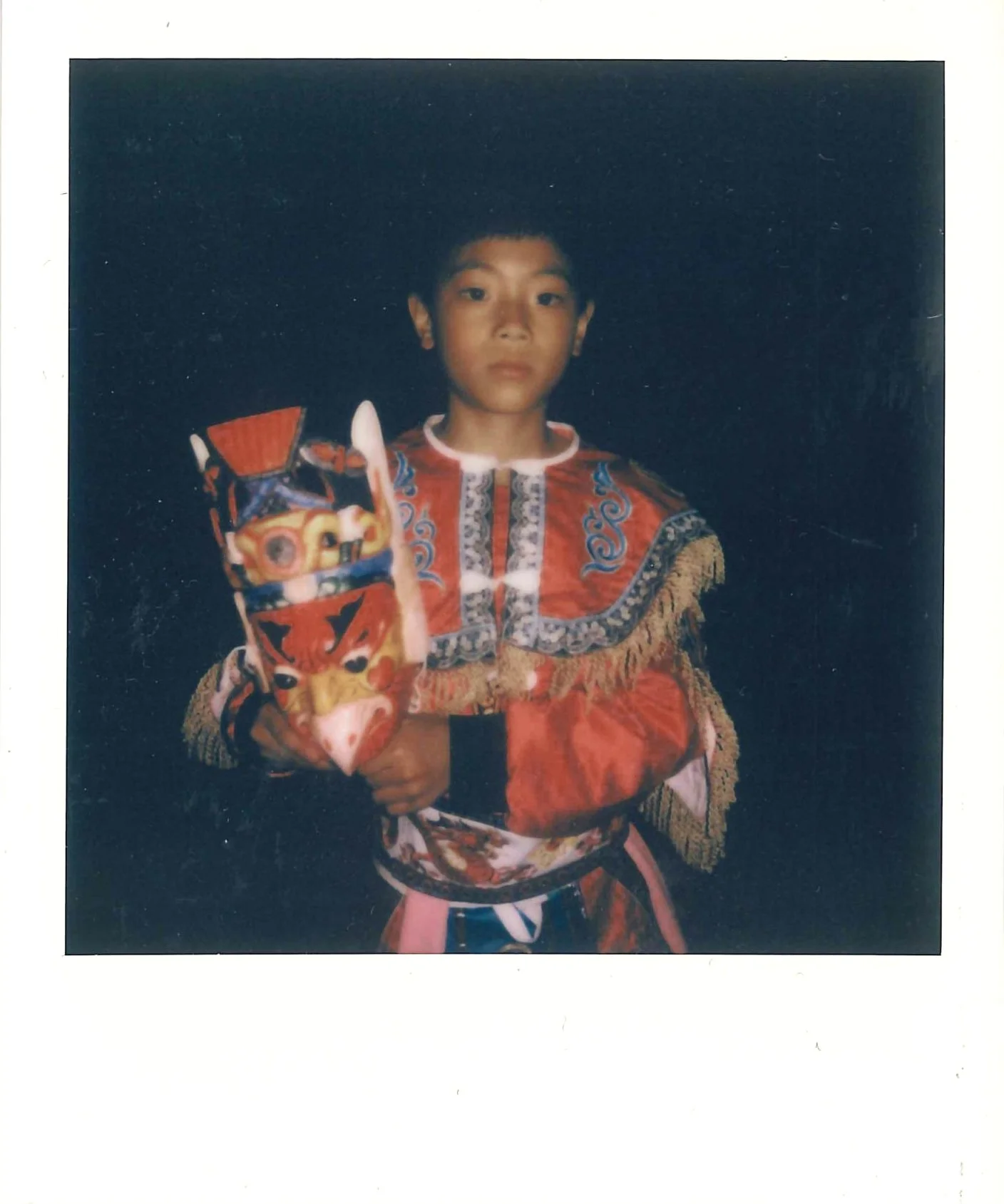
During the process, I did not attempt to document a complete performance, nor did I ask whether “tradition” is still being passed on. Instead, I stayed close to bodies, voices, and objects that are gradually leaving the stage—empty rehearsal spaces, discarded props, masks no longer in use. They do not appear tragic; they simply withdraw quietly.
This project does not aim to recover a forgotten history. Photography cannot preserve what is already shifting. I record these silent moments as evidence of something that once existed, and perhaps as a trace of something that still remains.
2025 年 5 月,我来到贵州安顺及周边的乡村地区。
在一些仍然保留地戏表演的村庄里,我并没有遇到正在进行的仪式。没有锣鼓,也没有集中的表演场景,只有一间间存放旧面具的屋子。阳光从瓦缝间落下,照在脱漆的木质表面上,那些面具被随意堆放着,空洞的眼眶安静地朝向屋内。
在过去,这些面具曾作为人与神之间的中介,被用于协调村落与自然、疾病与秩序之间的关系。但在当下,它们更多被压进尘土与箱底,在新的节庆形式中被替换,在新的社会秩序中逐渐变得多余。地戏并未完全消失,却也不再以原本的方式被需要。
在拍摄过程中,我刻意回避对完整演出流程的记录,也没有试图确认“传承”是否仍在延续。我更关注的是那些正在退出舞台的身体、声音与物件——排练后的空场、散落的道具、未被再次使用的面具。它们并不显得悲伤,只是安静地退场。
我并不试图通过摄影修复一段被遗忘的历史。影像无法挽留正在发生的变化,我所能做的,只是将这些沉默的状态记录下来,作为一种“曾经存在过”的证据,也作为“仍然存在着”的一种可能。
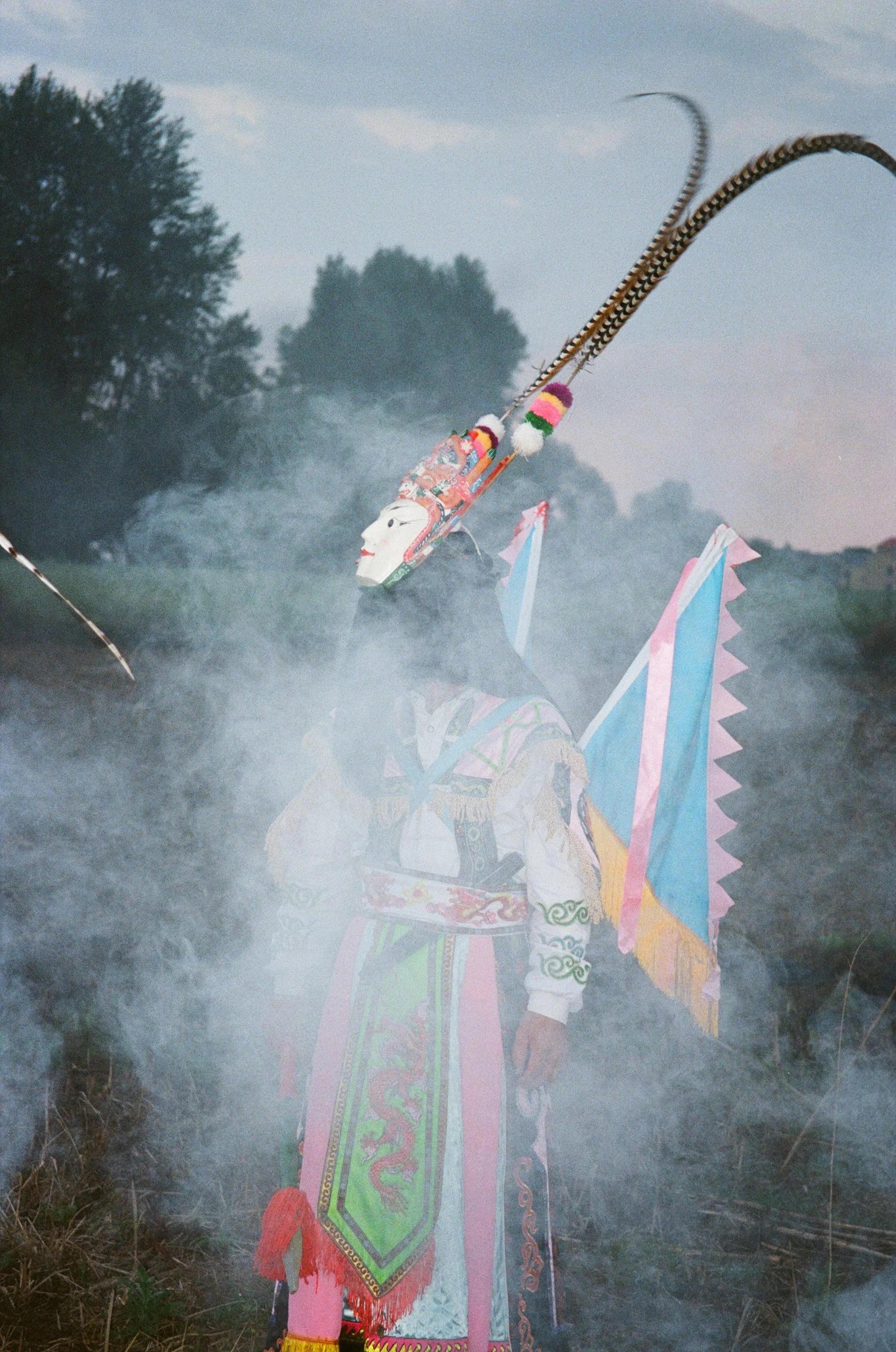
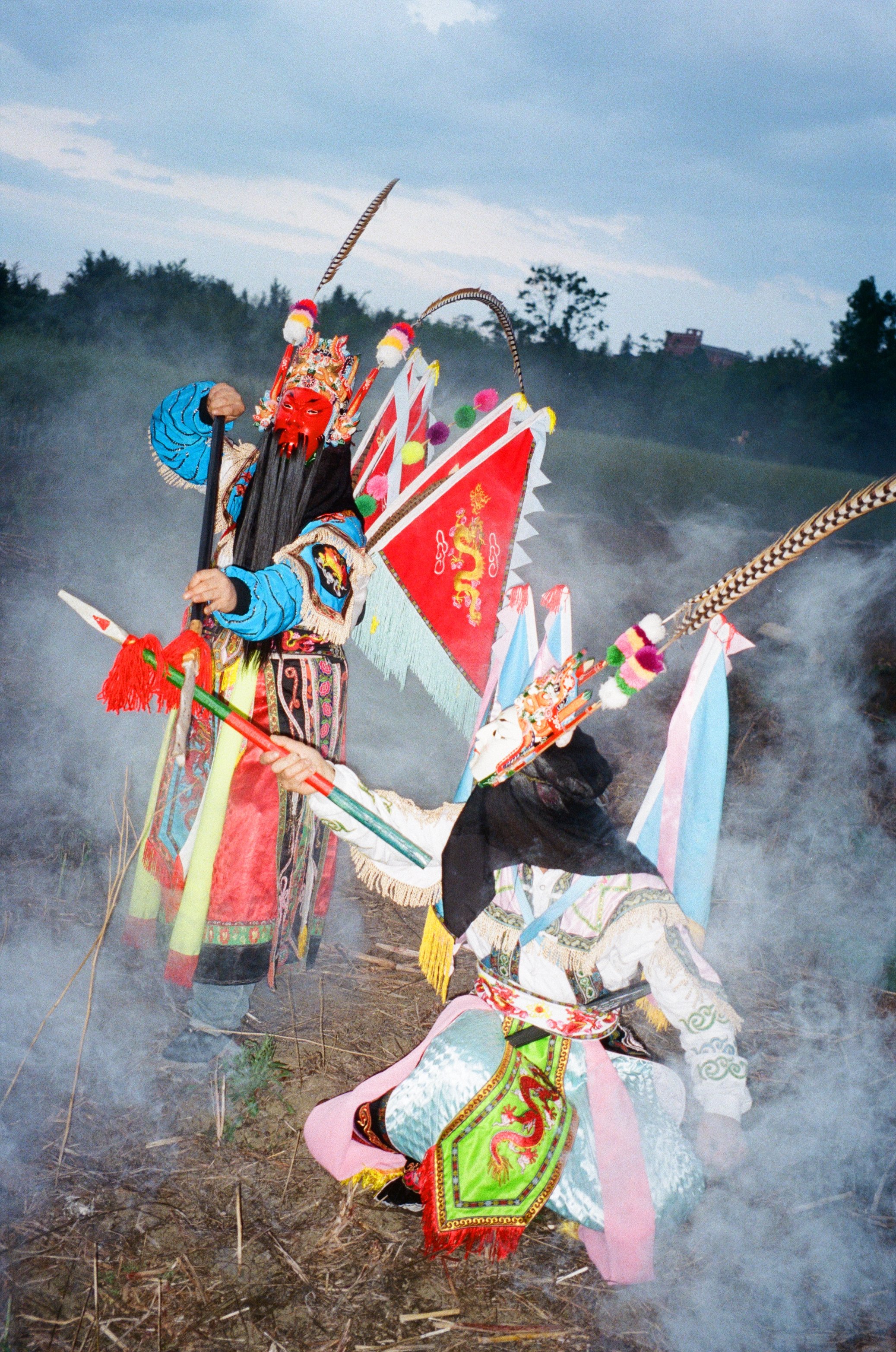
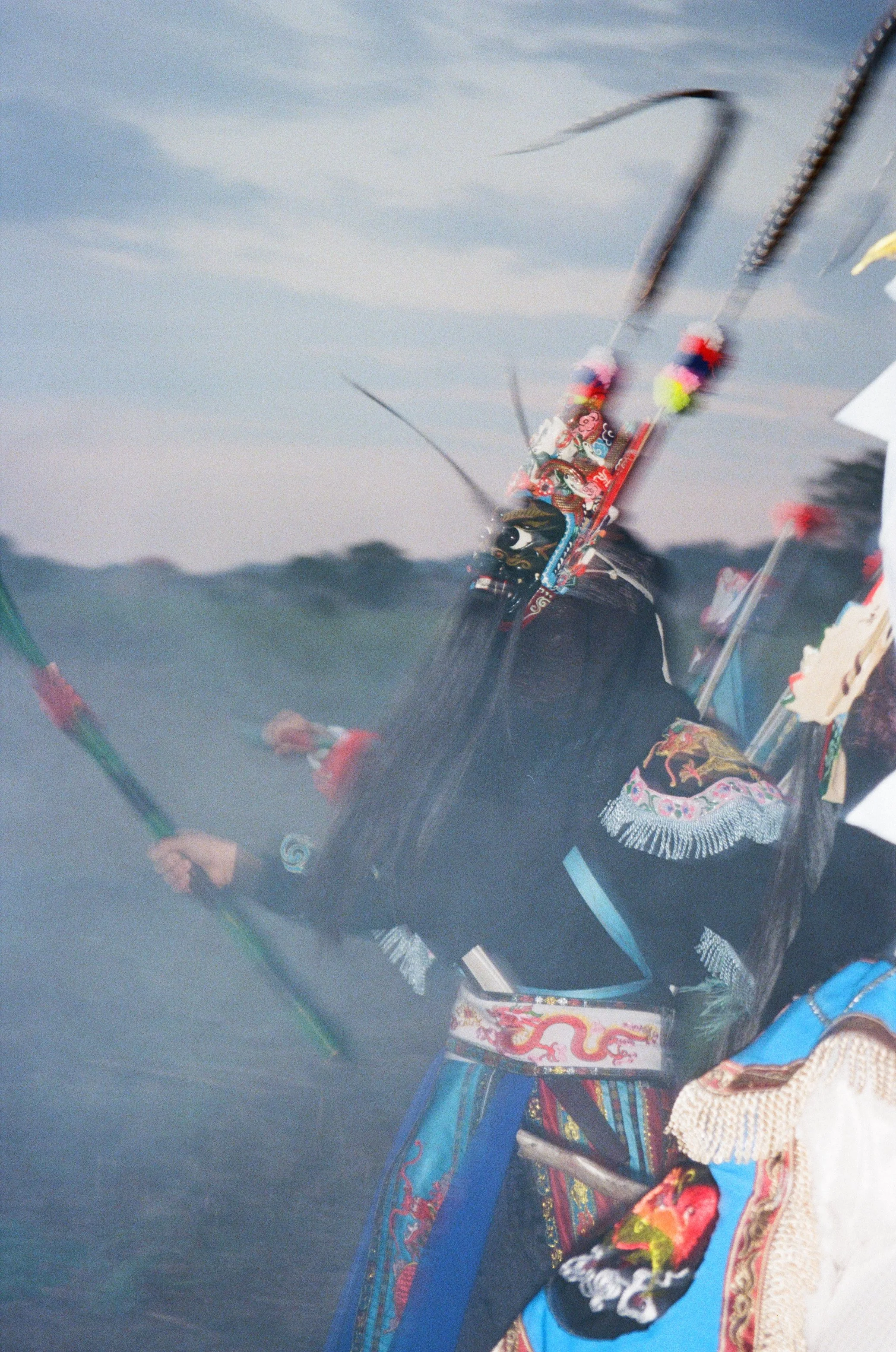
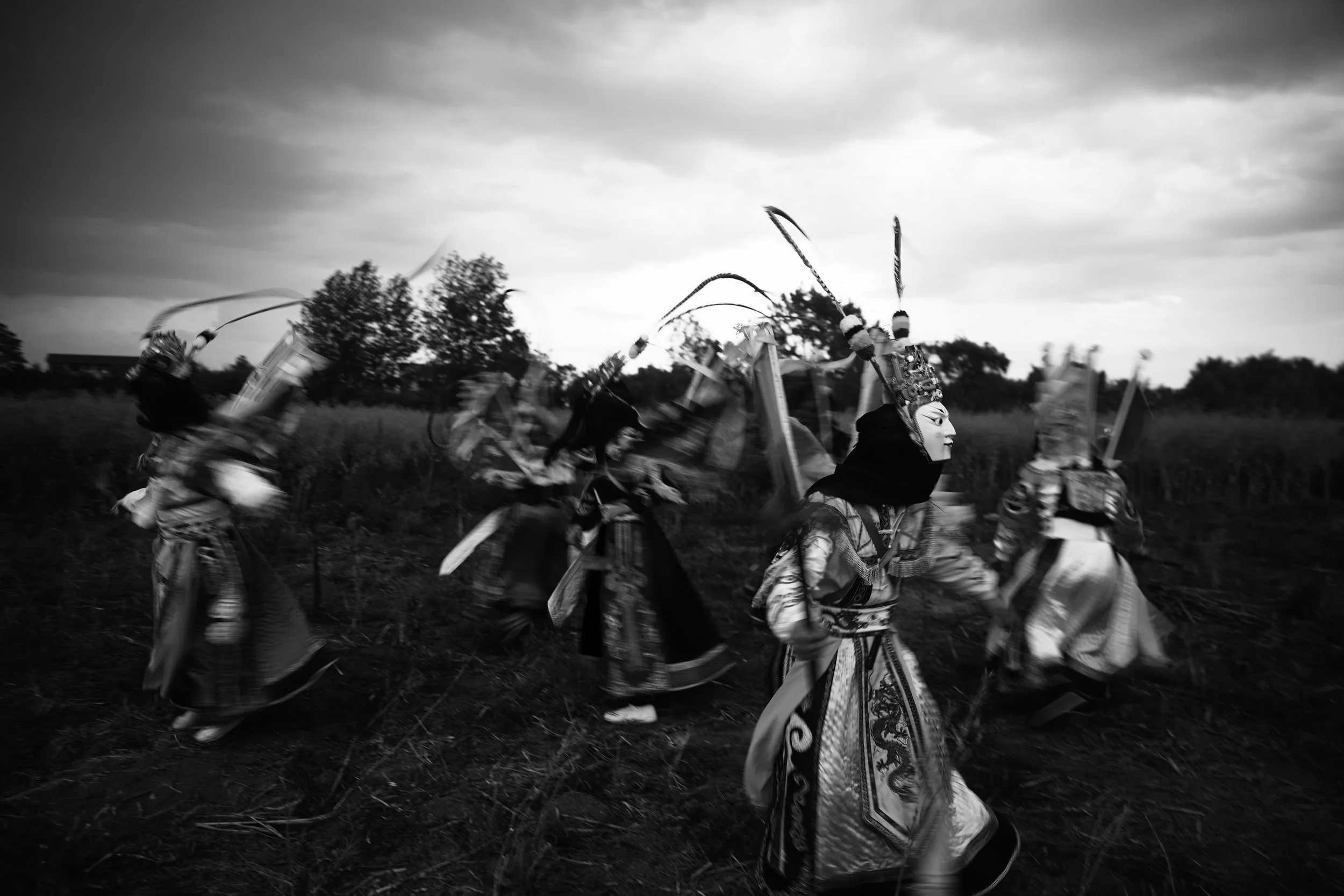
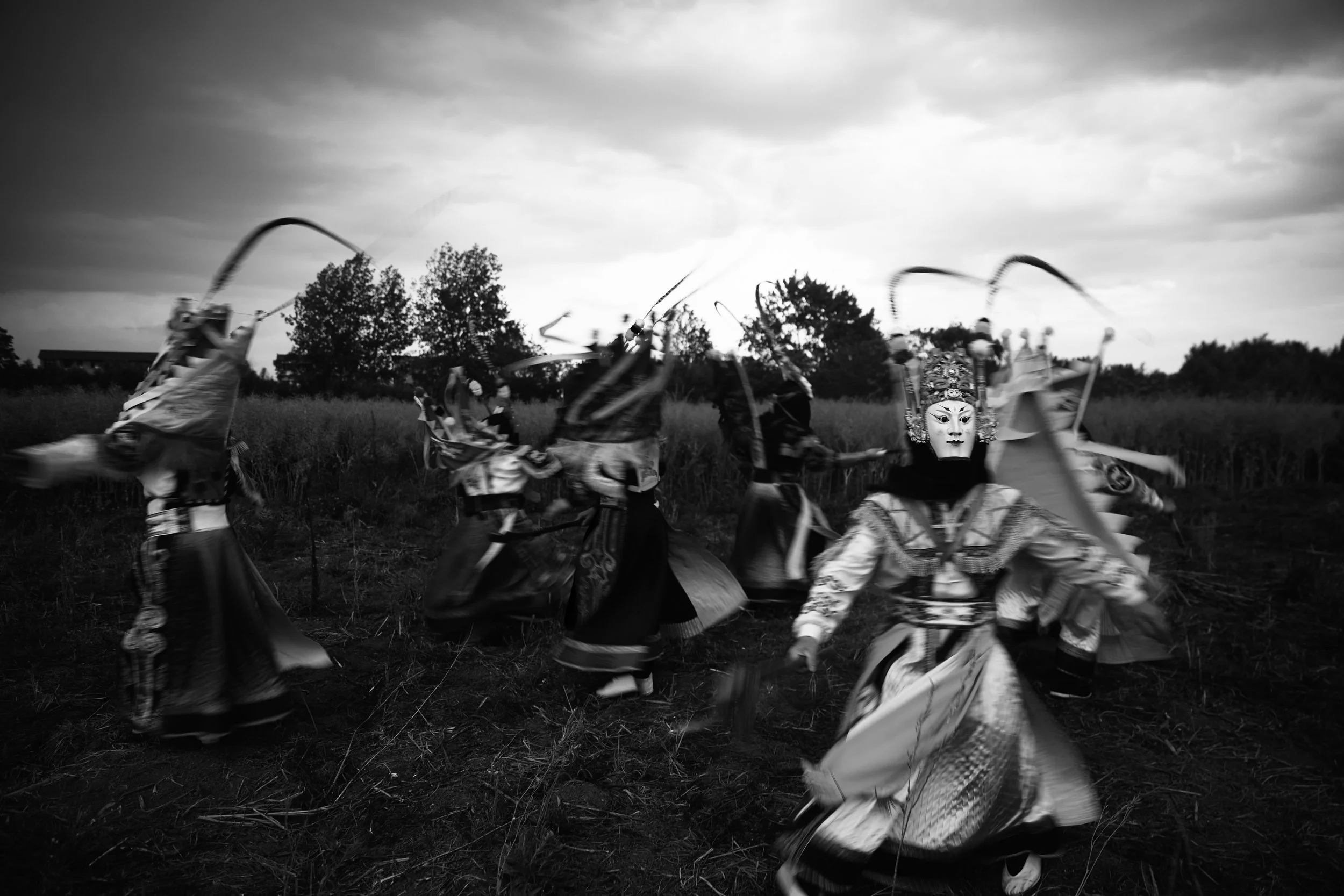
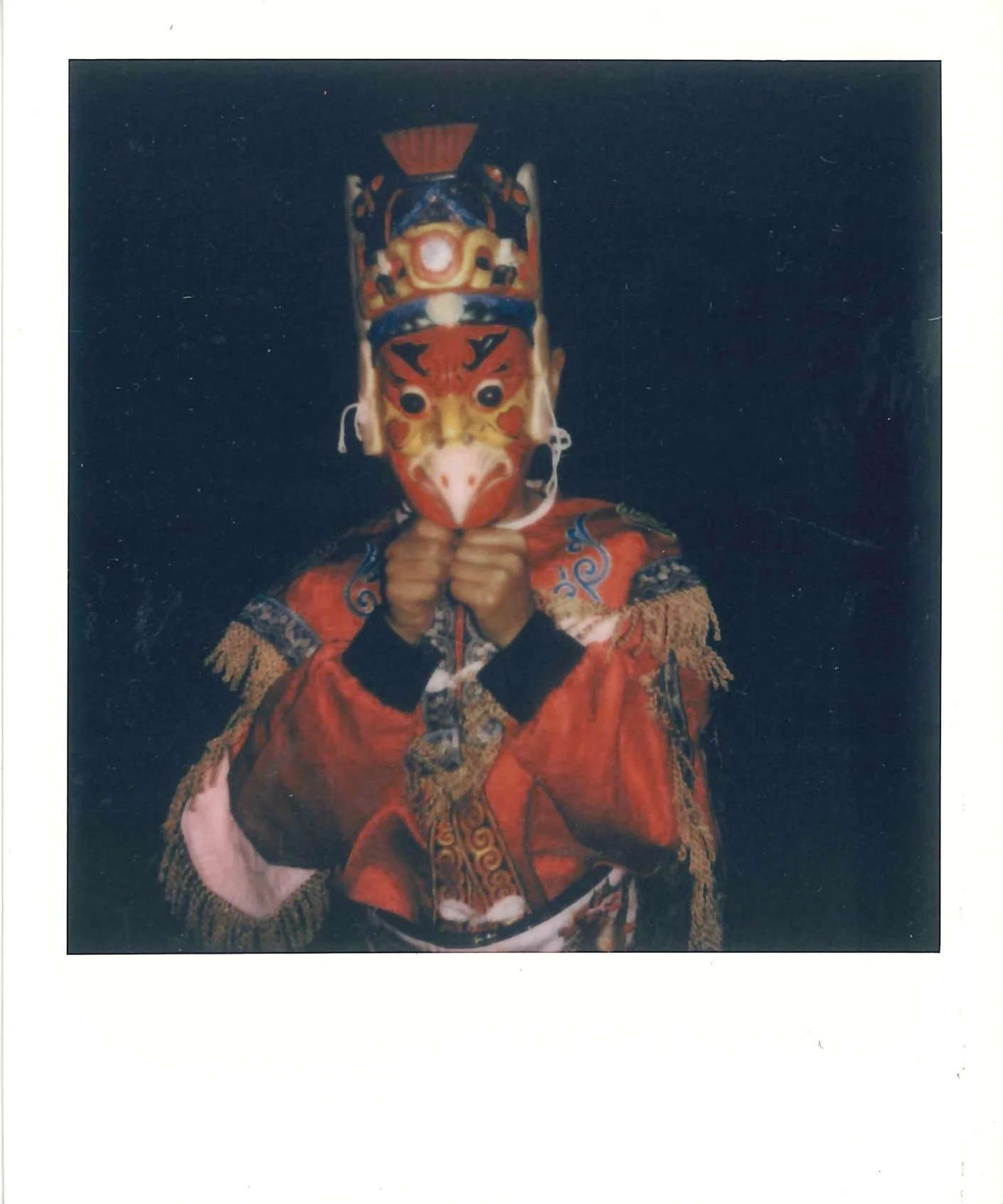
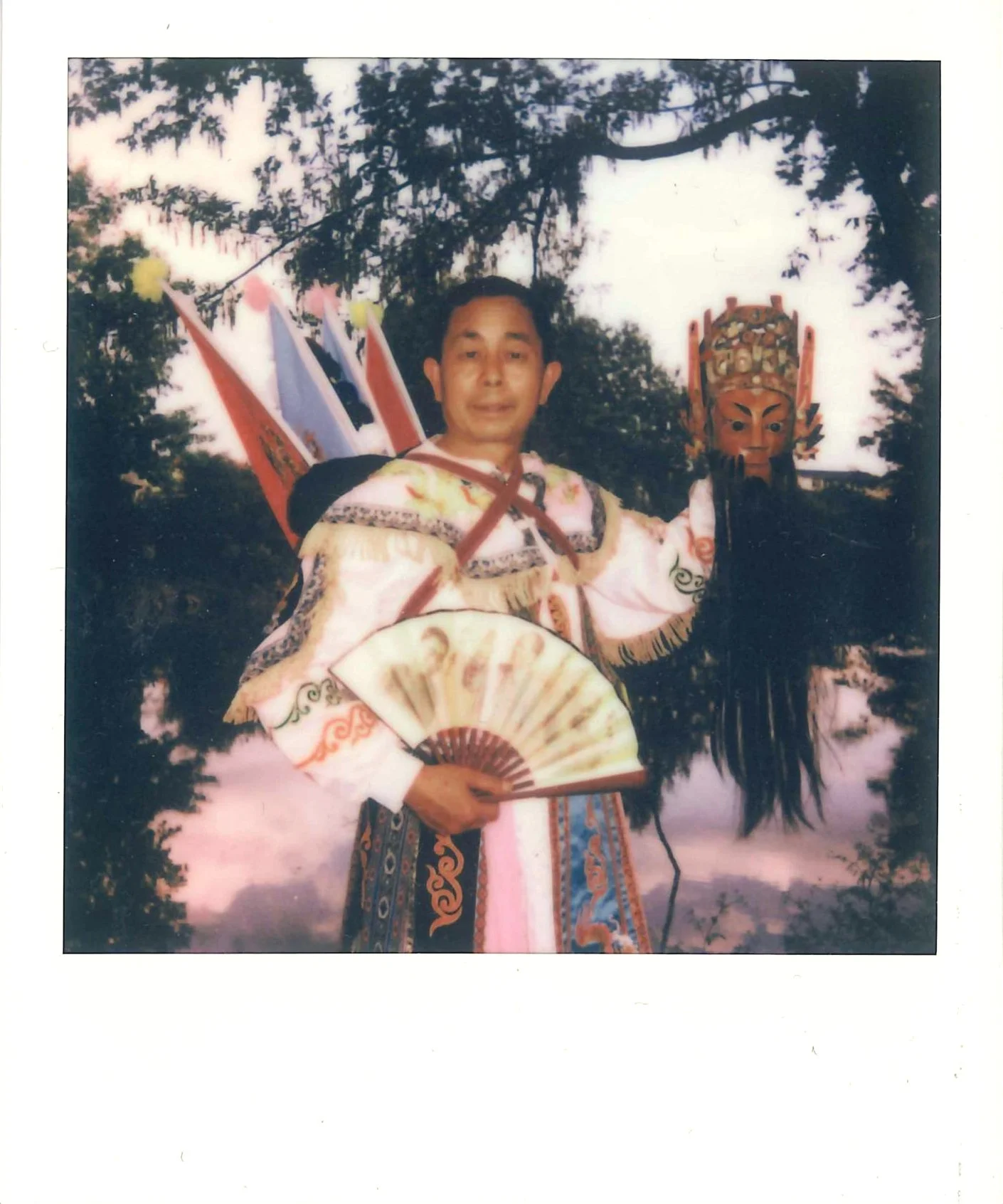
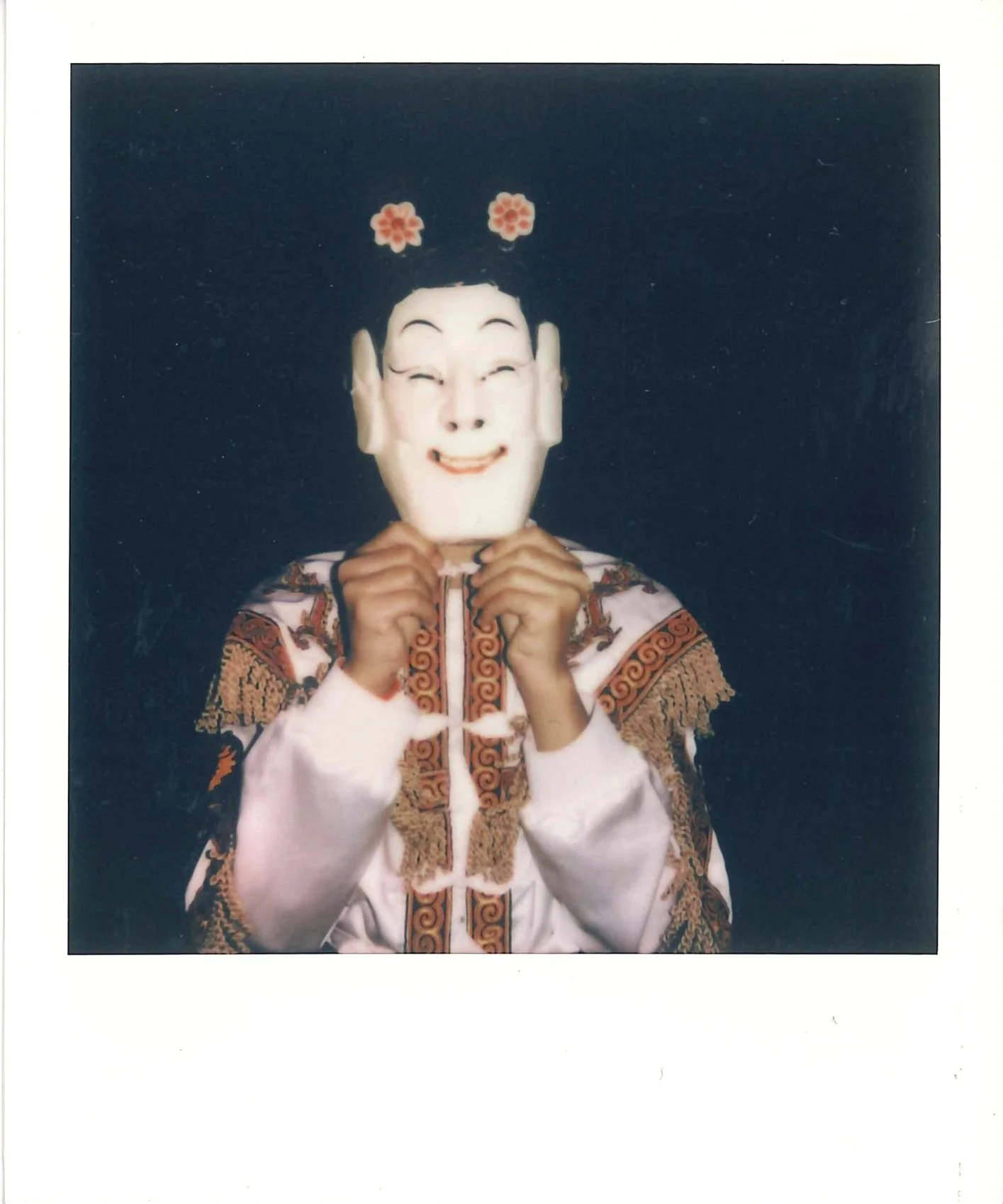
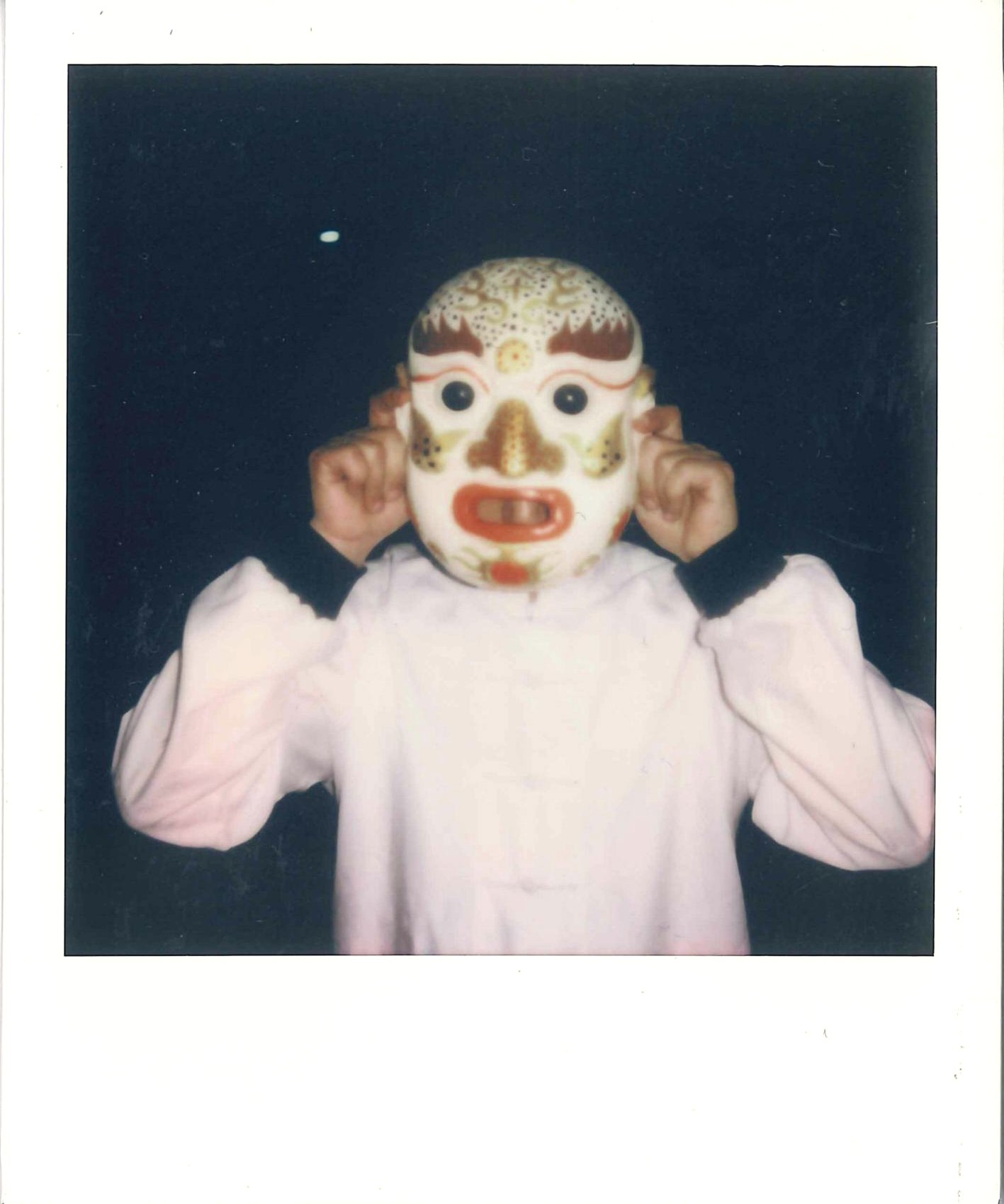
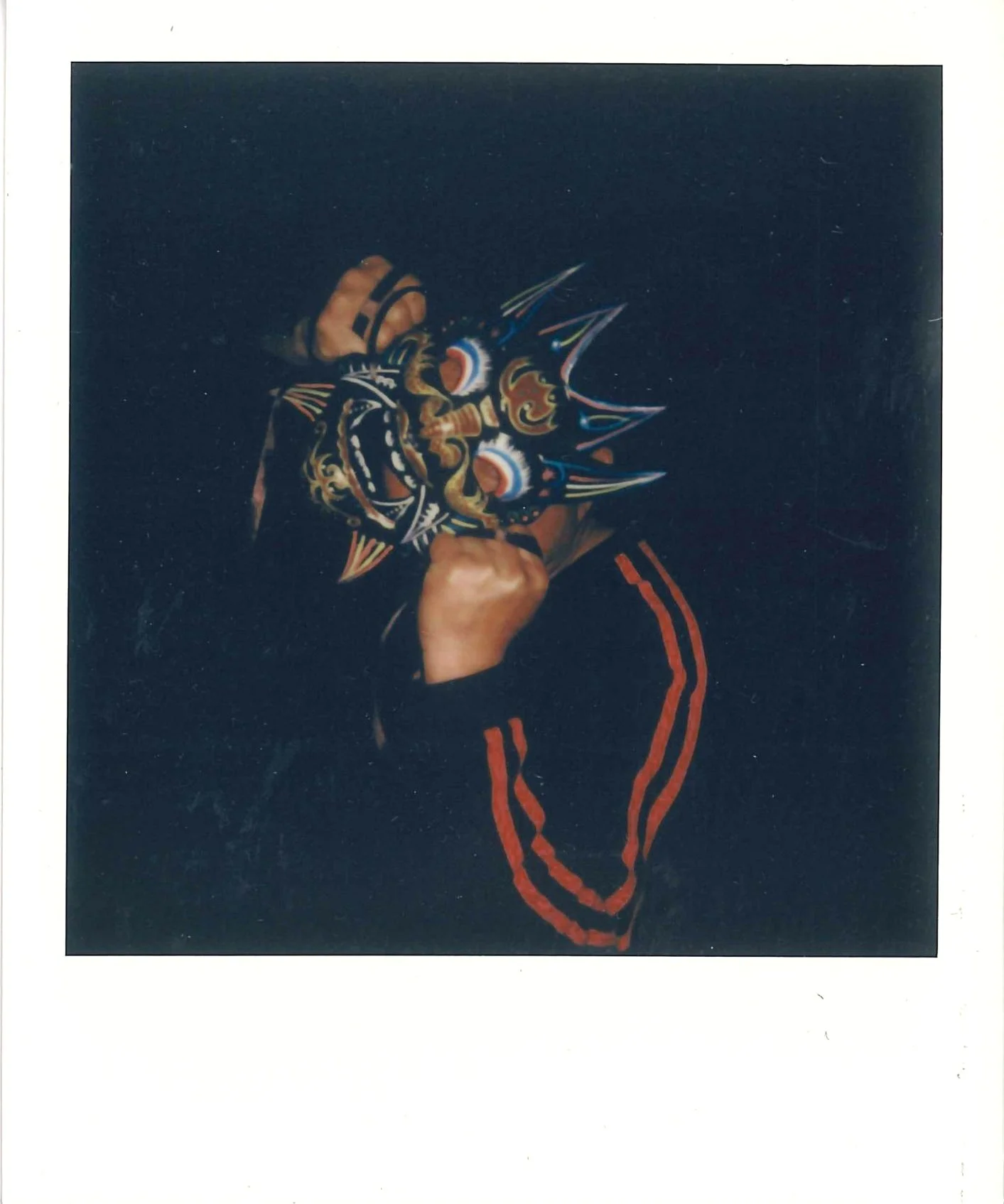
The mask here is neither decoration nor prop, but a body waiting to be activated.When unused, it is hung or stored, remaining in a near-static state; at the moment it is placed upon the head, breath, voice, and movement begin to enter it, and the mask is awakened.
During the learning process, the teacher repeatedly emphasized that one should not rush to speak when wearing the mask. Once the voice falters, the body’s actions fall out of alignment. “Learn to wear it first, then learn to sing,” became the first rule for entering the ritual.
I once observed an elderly performer pause briefly while changing masks. He did not move immediately, but stood still, breathing slowly. In that moment, the mask had not yet been fully worn, yet it was no longer a static object. Later he told me, “Between humans and gods, the difference is only a few breaths.”
面具在这里并非装饰或道具,而被视为一种等待被激活的身体。在未被使用时,它被悬挂、存放,呈现出近乎静止的状态;当被戴上头的瞬间,呼吸、声音与动作开始进入其中,面具随之被唤醒。
在学习过程中,老师反复强调,佩戴面具时不应急于发声。声音一旦偏离,身体的行动也会随之失序。“先学会戴,再学着唱”,成为进入仪式的第一条准则。
我看到一位年迈的艺人在更换面具时短暂停顿。他没有立刻动作,只是站在原地缓慢呼吸。那一刻,面具尚未完全戴上,却已不再是静物。后来他对我说:“人和神之间,差的就是这几口气。”
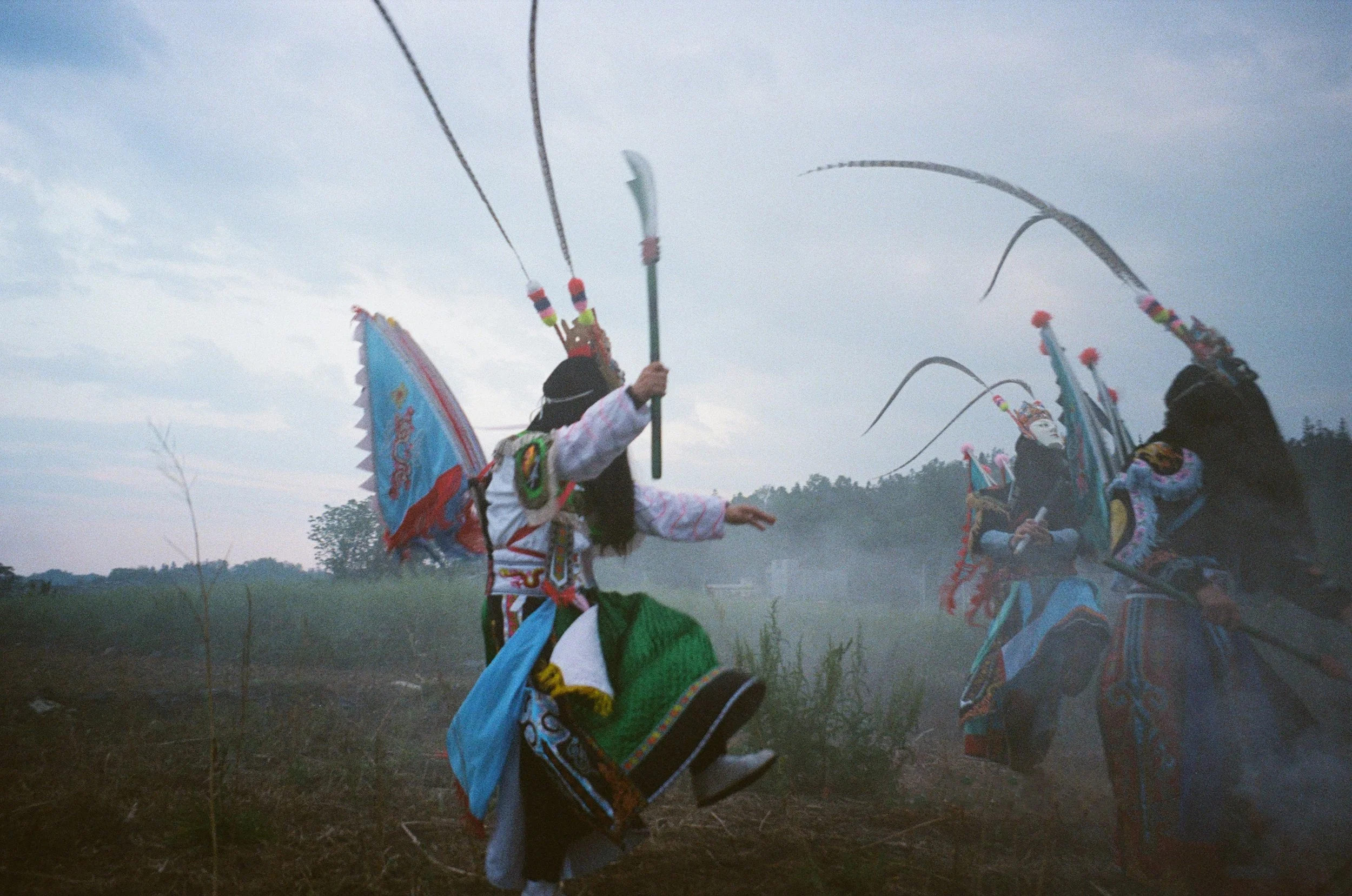
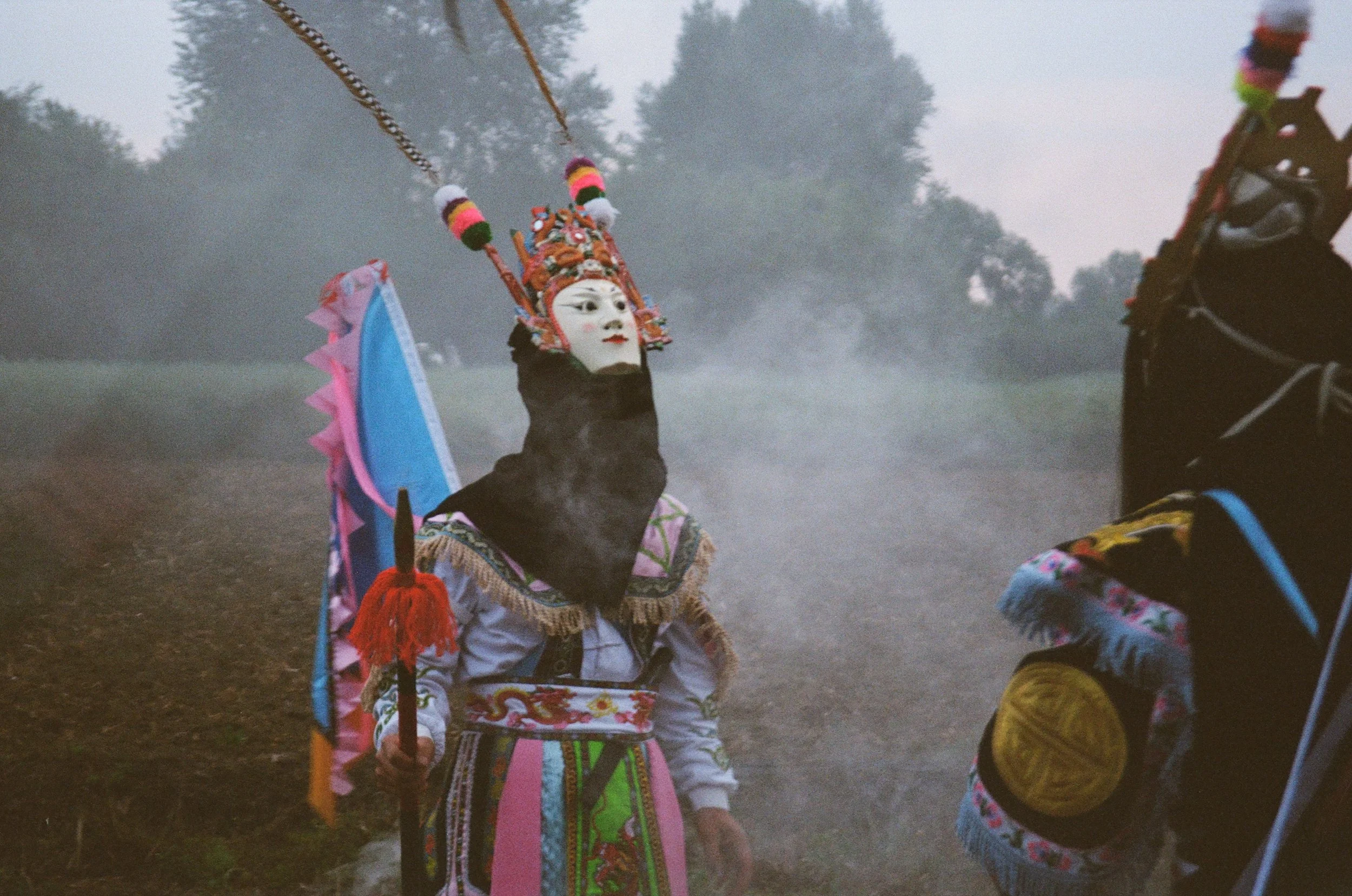
After the performance ended, the crowd slowly dispersed.
The masks were taken off, props were packed into cloth bags, and a few sticks of incense, not fully burned, remained on the ground.
I stood by the edge of the field, watching people gather their equipment while discussing the date of the next performance. No one returned to the spot where the ritual had just taken place. I put my camera down and noticed the wind carrying a sheet of ritual text into a water ditch in the field. The paper became wet and stuck to the side of the ditch. No one picked it up, and no one seemed to notice.
I did not take any photographs. I stood there for a moment, then walked away along the field path.
When I reached the end of the path, I turned back and looked once more. The field was empty, but the wind was still blowing.
演出结束后,人群逐渐散开。面具被取下,道具依次装进布袋,地面上还留着几根没有完全燃尽的香。
我站在田埂旁,看他们收拾器物,同时商量下一次表演的时间。没有人再回到刚才表演的位置。我把相机放下,看见风把一张写有仪式词语的纸吹进了田里的水沟。纸张被水浸湿,很快贴在沟壁上,没有人去捡。
我没有拍照,只是在原地站了一会儿。随后沿着田埂离开。
走到路口时,我回头看了一眼。田地已经空了,风还在吹。