
果实的骨骼
FRUIT SKELETAL SYSTEM
2026
A fruit stone is both what remains after the flesh has been consumed and a vessel for new life. Fruit Skeletal System begins with these overlooked remnants, using X-ray imaging and CT scanning to move beyond the surface of fruit and into its interior. Beneath the hard shell, cavities, textures and chambers emerge as structures that resemble bones. When imaging technologies developed to examine the human body are turned towards plants, the fruit stone takes on an unfamiliar yet recognisable bodily form, creating a visual connection between plant and human anatomies.
Through photography, medical imaging and installation, the work translates fruit stones between physical objects, cross-sectional images and three-dimensional forms. As their internal structures become visible, they are also divided, extracted and reassembled through technology. Here, “skeleton” refers both to a structure that supports life and to an imagined body constructed through images. I ask how looking inside natural objects through technology shapes our understanding of life, and how the resulting images influence what we believe we know.
果核是果实被食用后留下的部分,也是孕育新生命的容器。《果实的骨骼》从这些日常中被忽略的残余出发,借助X光与CT扫描,将观看从果实的表面推进至内部。坚硬外壳之下的孔隙、纹理与腔体逐渐显现,形成近似骨骼的视觉结构。当原本用于检查人体的成像技术转向植物,果核获得了一种陌生而又似曾相识的身体形象,植物与人体之间也由此产生视觉上的联系。
作品通过摄影、医学影像与装置,使果核在实物、切片与立体形态之间发生转化。内部结构被揭示的同时,也经历了技术的分割、提取与重组。“骨骼”在这里既指向支撑生命的结构,也是一种由影像建立的身体想象。我试图追问:当我们借助技术看见自然物的内部时,我们如何理解眼前的生命,又如何被这些图像塑造自己的认识?
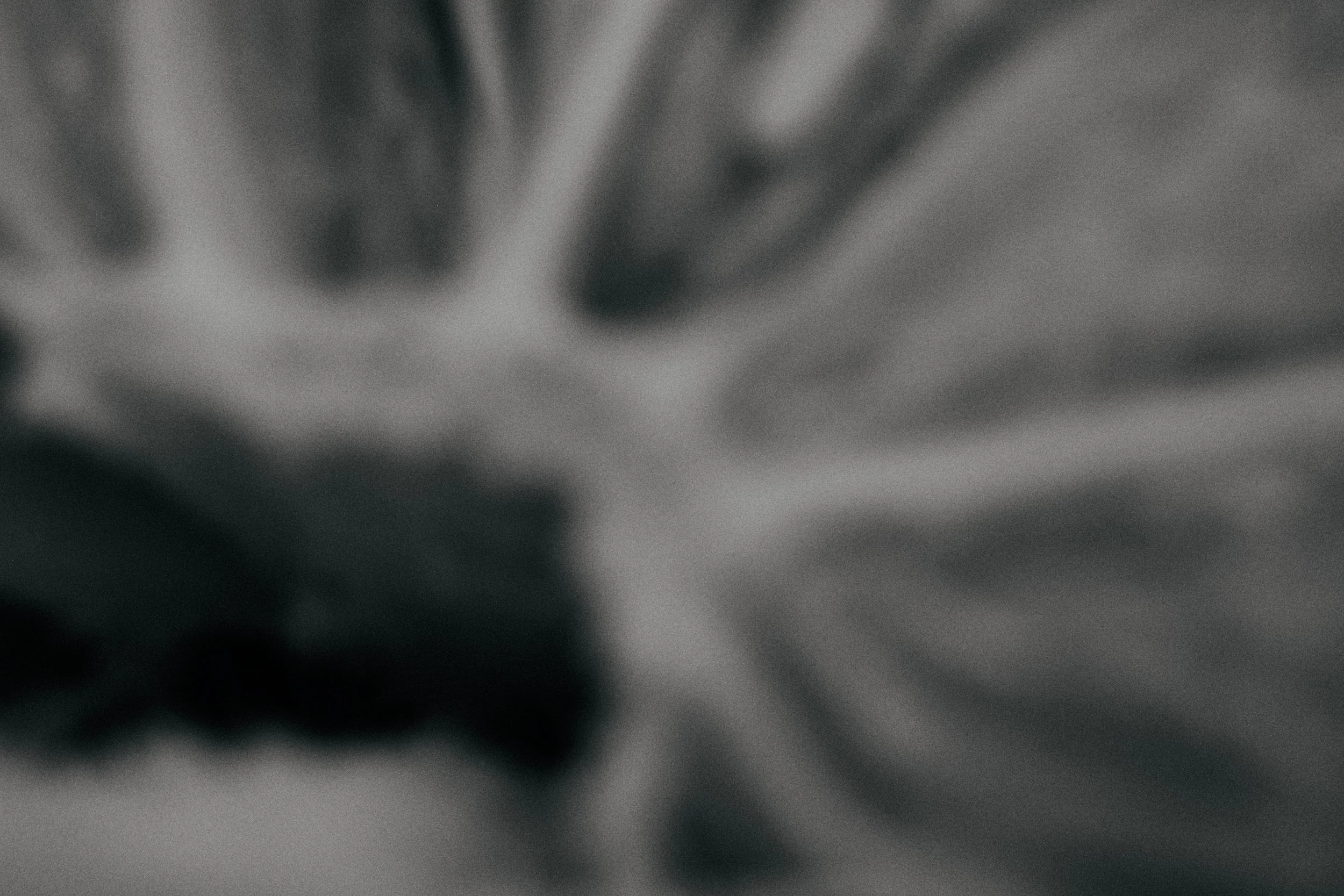
Ⅰ 表面 SURFACE
Looking begins at the surface. The contours, textures and folds of fruit stones offer the first clues to understanding them. Usually discarded after eating, these remnants become objects of sustained attention in the images. Their shells retain traces of growth while concealing the structures within. This section lingers at the boundary of the visible, inviting us to imagine the forms of life beneath a familiar exterior.
观看从表面开始。果核的轮廓、纹理与褶皱,是我们接近它的第一层线索。那些通常随着食用而被丢弃的部分,在影像中成为值得停留与辨认的对象。外壳既保存着生长的痕迹,也遮蔽着内部的结构。这一部分将目光停留在可见的边界,试图从熟悉的外形中,引出对其内部生命形态的想象。




Ⅱ 印痕 IMPRINT
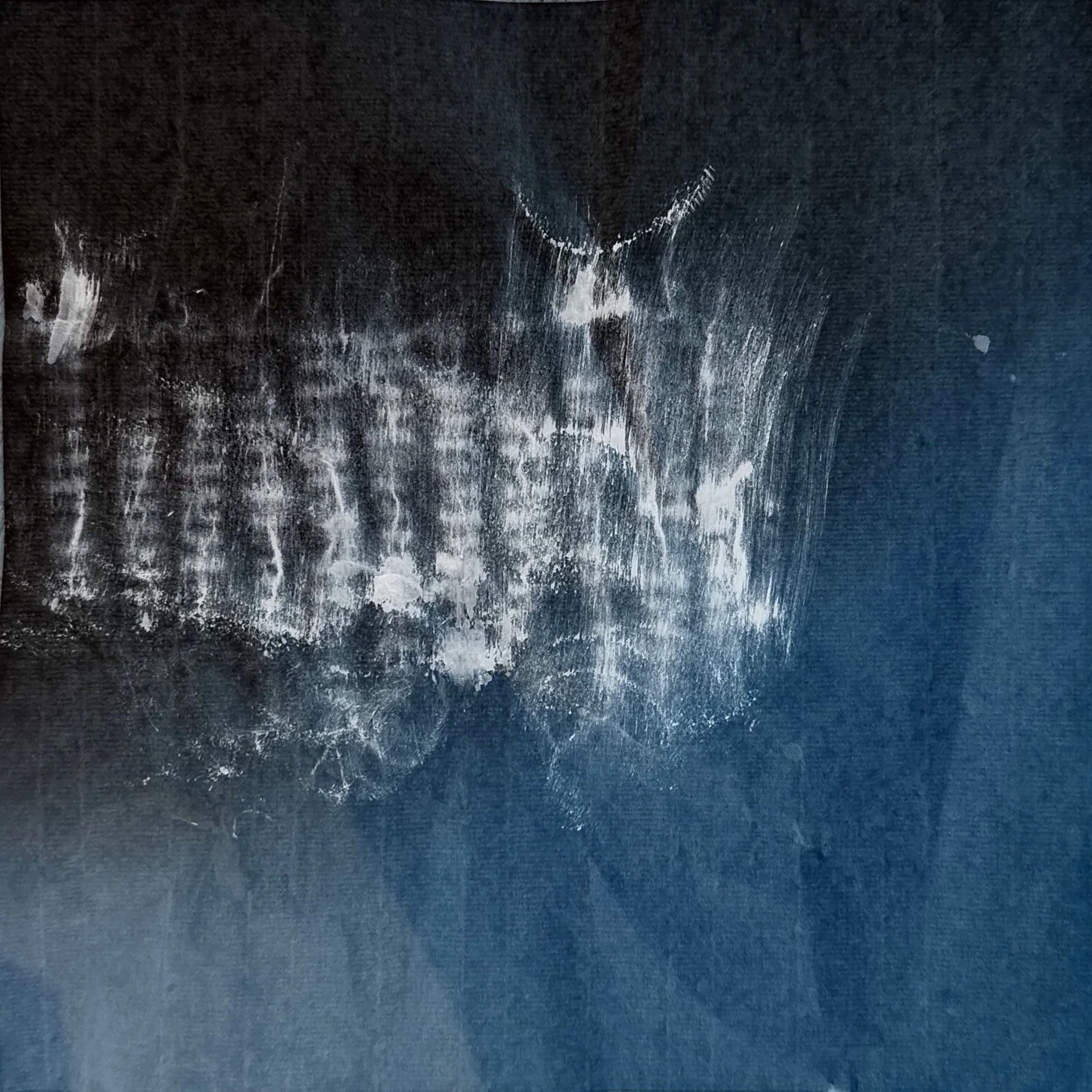
As the form of a fruit stone becomes an imprint on a flat surface, its volume, texture and weight are transformed. Contours and patterns remain as clues to the original object, yet cannot fully convey its physical presence. This section considers the distance between object and image: what does an act of transfer preserve, and what does it leave behind? The imprint records the fruit stone’s presence while becoming a visual form with a life of its own.
当果核的形态转化为平面上的印痕,体积、质感与重量也随之改变。轮廓与纹理被保留下来,成为辨认原物的线索,却无法完整还原它的存在。这一部分关注实物与影像之间的距离:一次转印留下了什么,又使什么消失?印痕既是果核曾经在场的记录,也是一种脱离原物、重新展开的视觉形态。



Ⅲ 穿透 PENETRATION
Through X-ray imaging and CT scanning, the gaze passes beyond the shell of the fruit stone into an interior inaccessible to the naked eye. Cavities, chambers and tissue structures emerge, giving a familiar natural object an unfamiliar, skeletal appearance. Technologies used to examine the human body establish a visual connection between plant and human forms. Yet seeing through an object does not mean knowing it fully: as internal structures are revealed, they are translated into projections, cross-sections and tonal variations. The “interior” we see remains inseparable from the technology that makes it visible.
借助X光与CT扫描,观看越过果核的外壳,进入肉眼无法直接触及的内部。孔隙、腔体与组织的分布在影像中显现,熟悉的自然物呈现出近似骨骼的陌生形态。原本用于检查人体的技术,在这里建立起植物与身体之间的视觉联系。然而,穿透并不意味着完整地认识:内部结构在被揭示的同时,也被转化为透视、切片与明暗层次。我们所见的“内部”,始终与技术呈现它的方式相连。





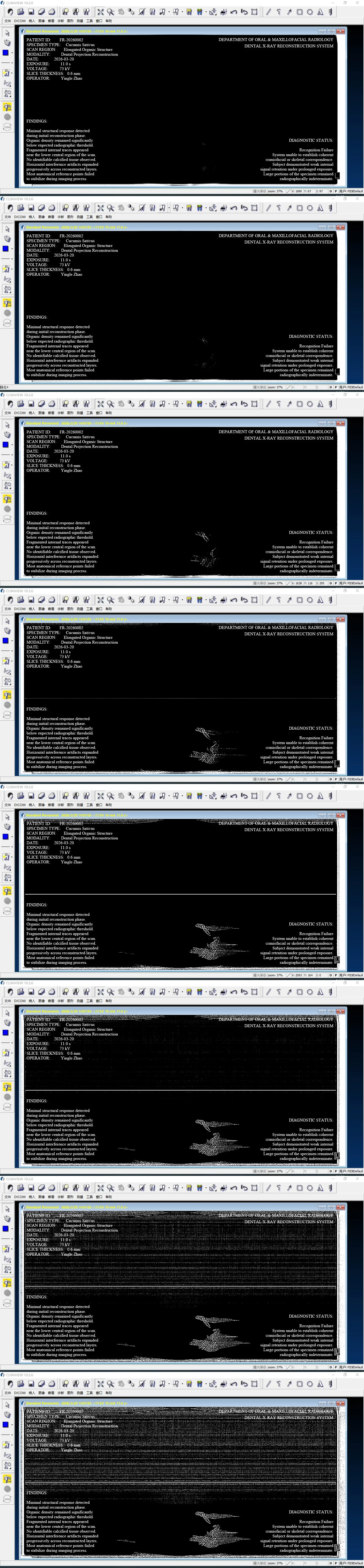


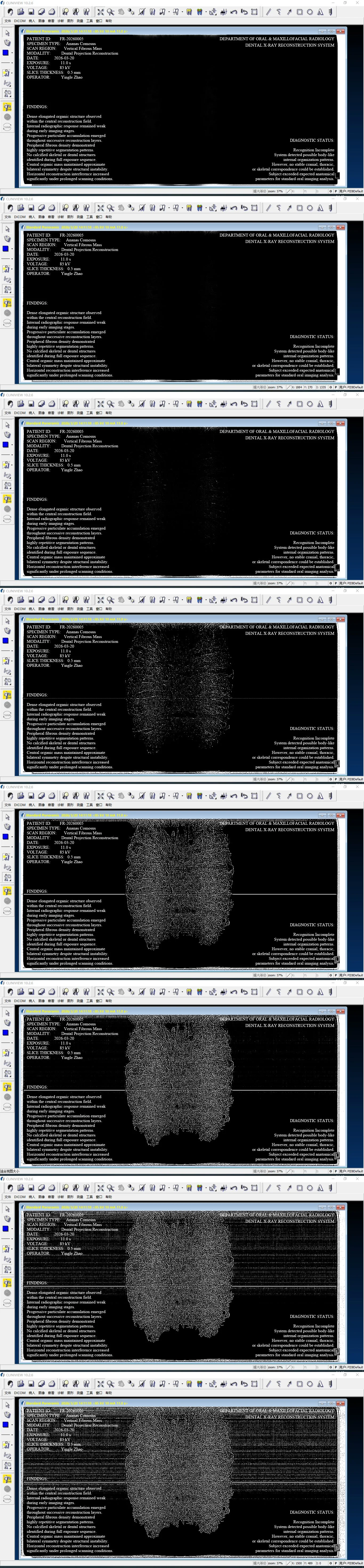

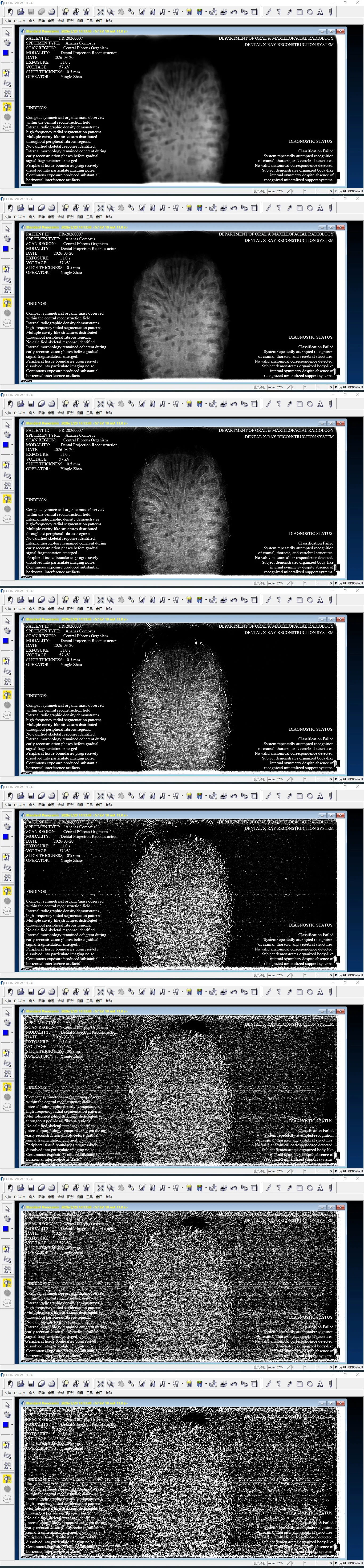

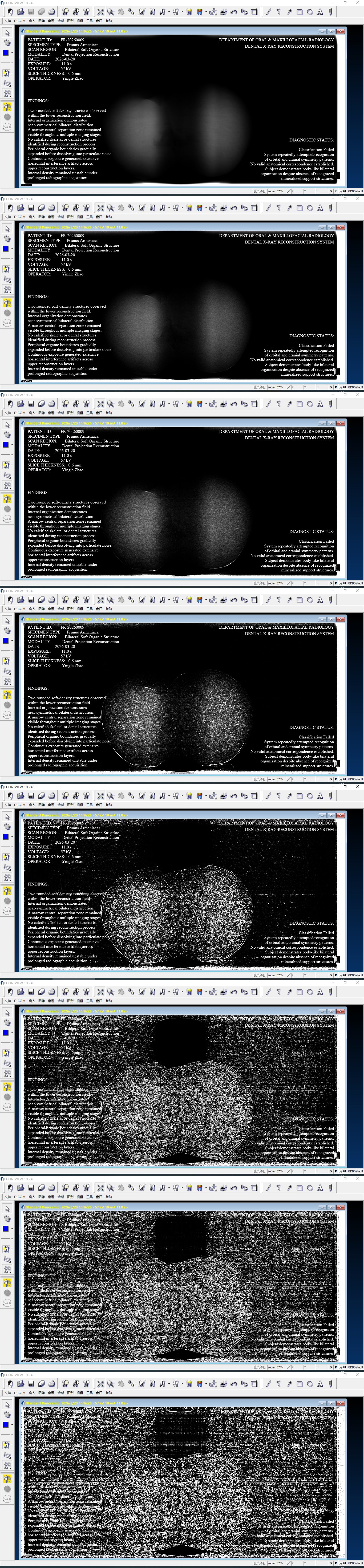


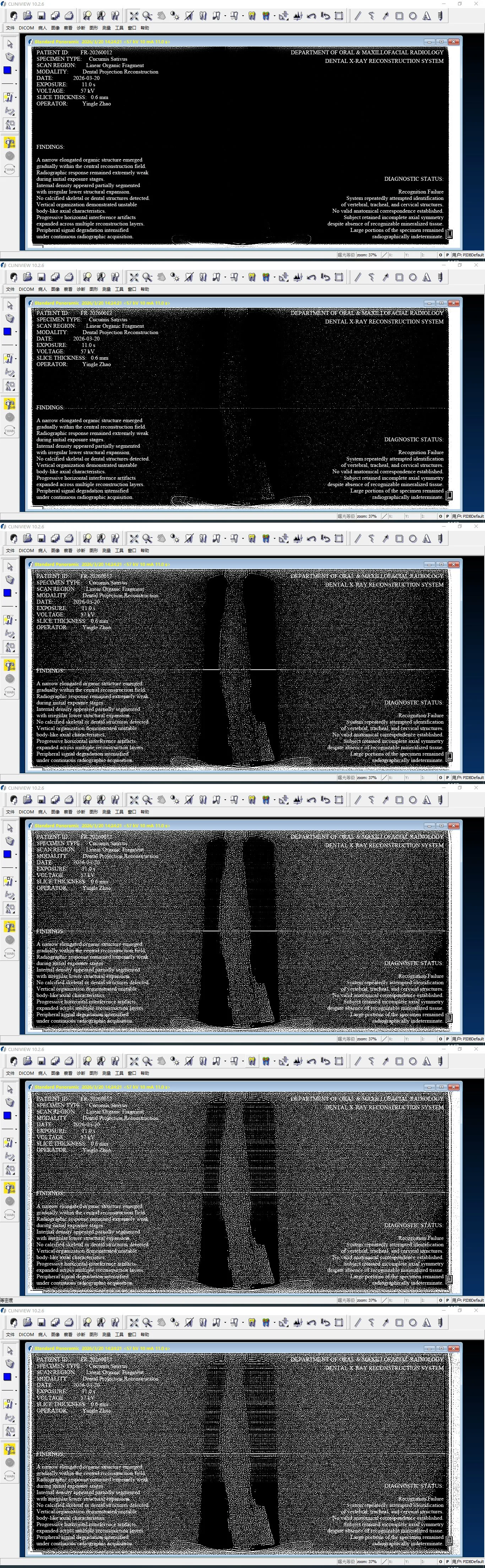
Ⅴ 消解 DISSOLUTION
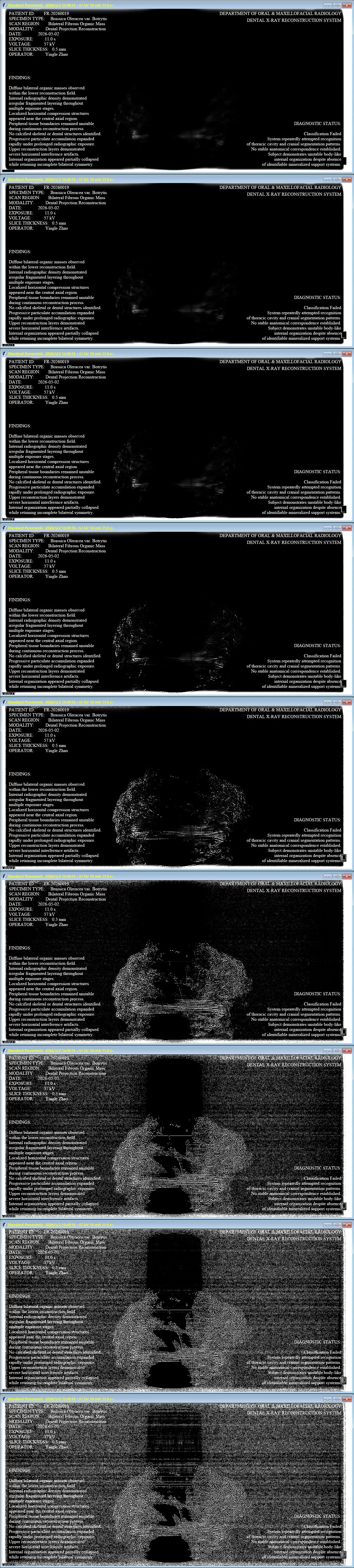
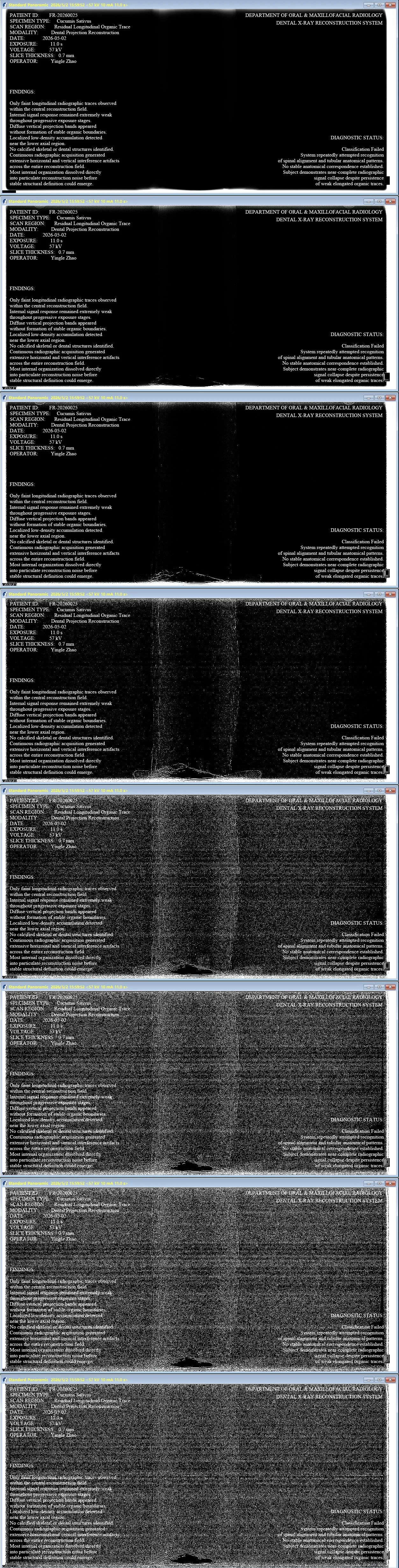
As contours and internal structures cease to provide reliable clues for recognising the fruit stone, looking moves beyond identifying the original object. Forms become fragmented, blurred and abstract; the once distinct “skeleton” gives way to visual traces that resist naming. As the closing section of the series, Dissolution returns to the distance between object and image: technology allows us to see more, while also changing how we understand what we see. As familiar forms recede, what traces of life can we still recognise in the image?
当轮廓与内部结构不再作为辨认果核的稳定依据,观看也逐渐离开对原物的确认。形态在影像中趋于破碎、模糊与抽象,曾经清晰的“骨骼”成为难以命名的视觉痕迹。作为这一系列的末尾,“消解”将目光带回实物与影像之间的距离:技术使我们看见更多,也改变了对象被理解的方式。当熟悉的形态逐渐退去,我们仍能从图像中认出多少关于生命的线索?
